
Portrait of a Man — History & Facts
In Portrait of a Man, Gustave Caillebotte presents a male figure dressed in formal attire. The colors are muted, with a palette dominated by browns, grays, and soft whites. The background is simple, allowing the figure to stand out prominently.
The subject's expression is serious, inviting the viewer to ponder his thoughts. The painting is executed in oil on canvas, showcasing Caillebotte's skill in capturing realistic details. The brushwork is precise, particularly in the rendering of the fabric and the subject's facial features. The dimensions are approximately 65 x 80 cm, making it a medium-sized portrait.
The composition is balanced, with the figure centrally placed against a neutral background. Gustave Caillebotte was a key figure in the Impressionist movement, yet he often leaned towards realism in his portraits. This work, created in the 1870s, reflects his ability to blend these styles effectively. An interesting fact about this painting is that it was part of a collection that aimed to showcase modern life in Paris.
Caillebotte's portraits often reveal the social dynamics of his time, making them significant historical documents.
More Artworks by Gustave Caillebotte
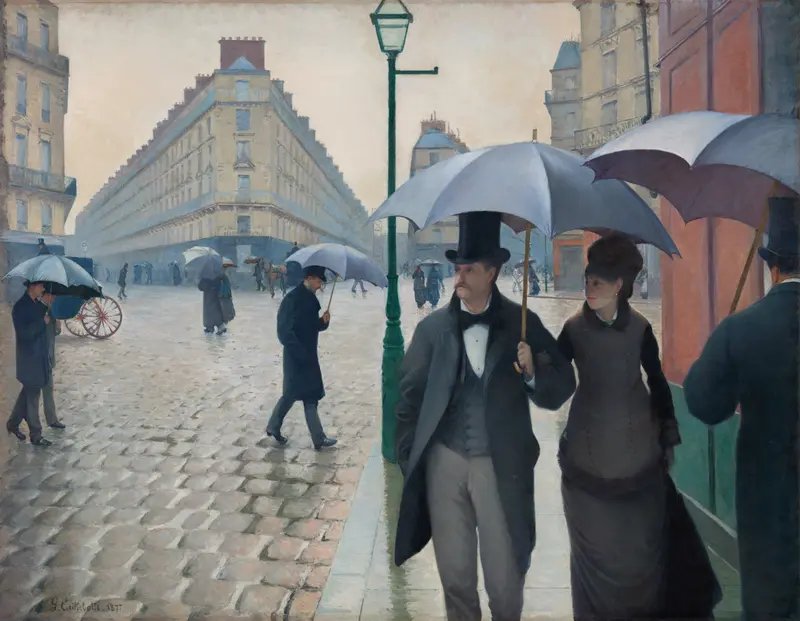
Paris Street; Rainy Day
Gustave Caillebotte
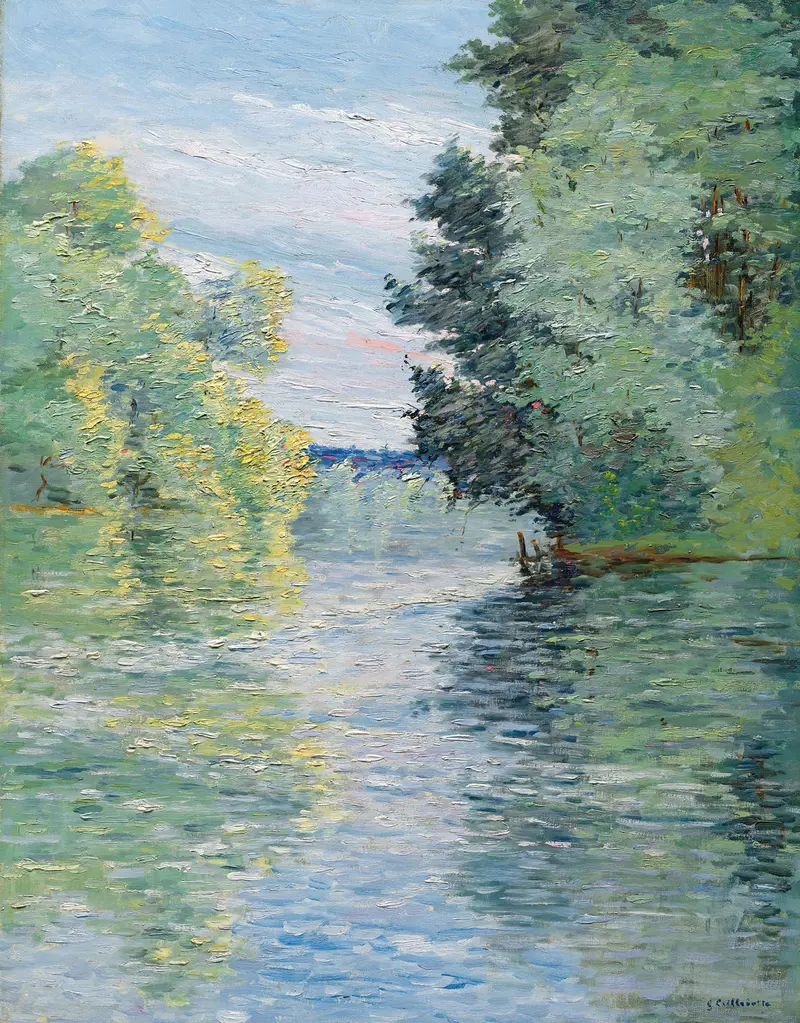
Le Petit bras de la Seine à Argenteuil
Gustave Caillebotte

La Vallée De L’yerres
Gustave Caillebotte
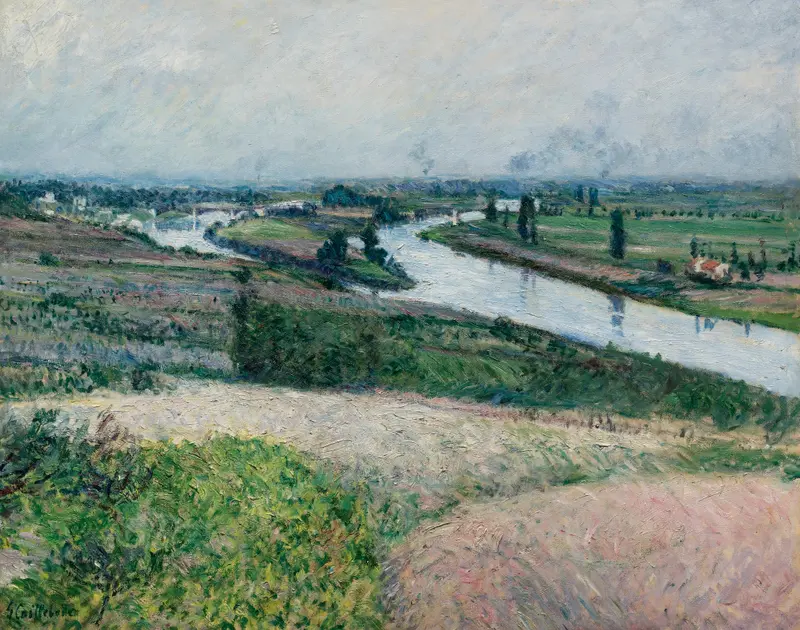
La Seine À La Pointe D’epinay
Gustave Caillebotte
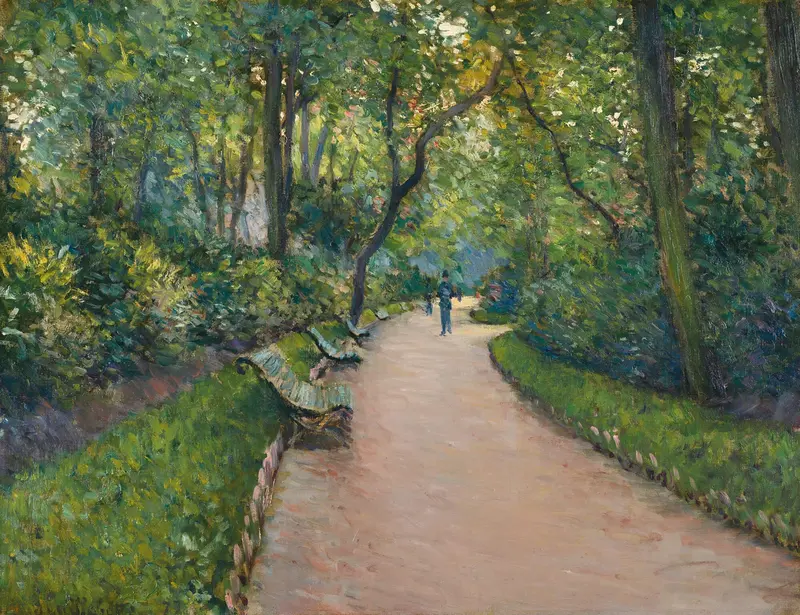
Le Parc Monceau
Gustave Caillebotte
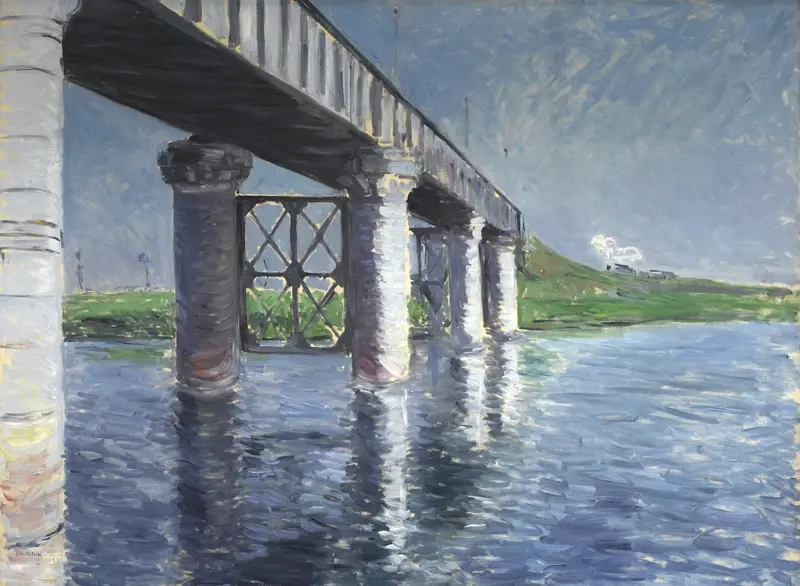
The Seine and the Railroad Bridge at Argenteuil
Gustave Caillebotte
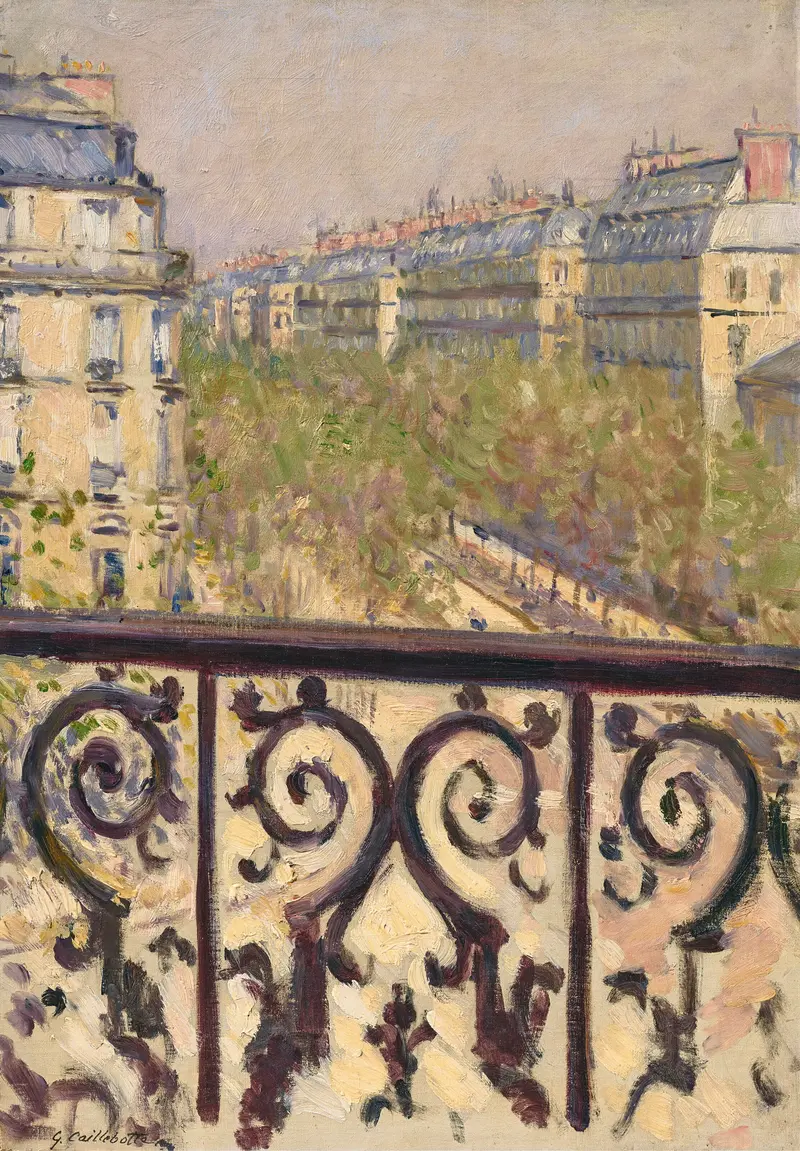
Un Balcon, Boulevard Haussmann
Gustave Caillebotte
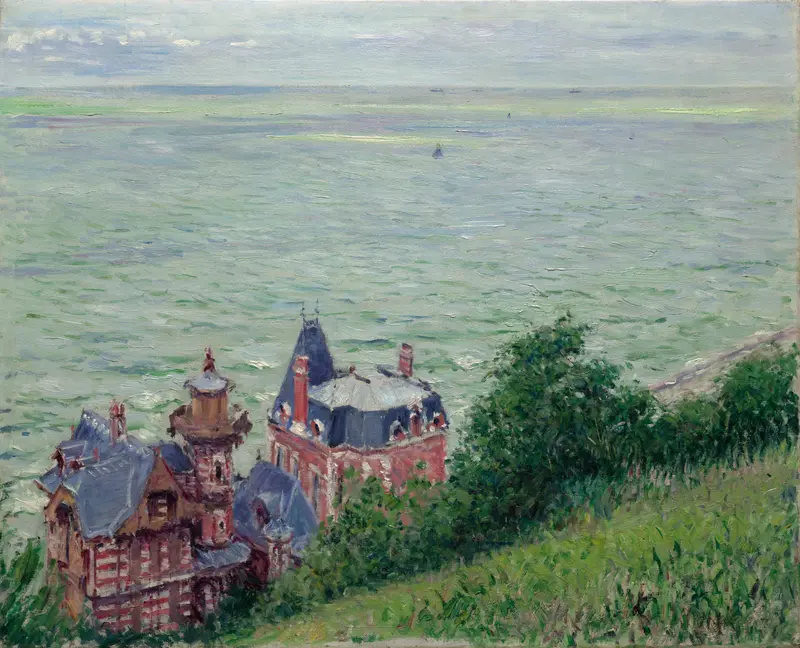
Villas at Trouville
Gustave Caillebotte
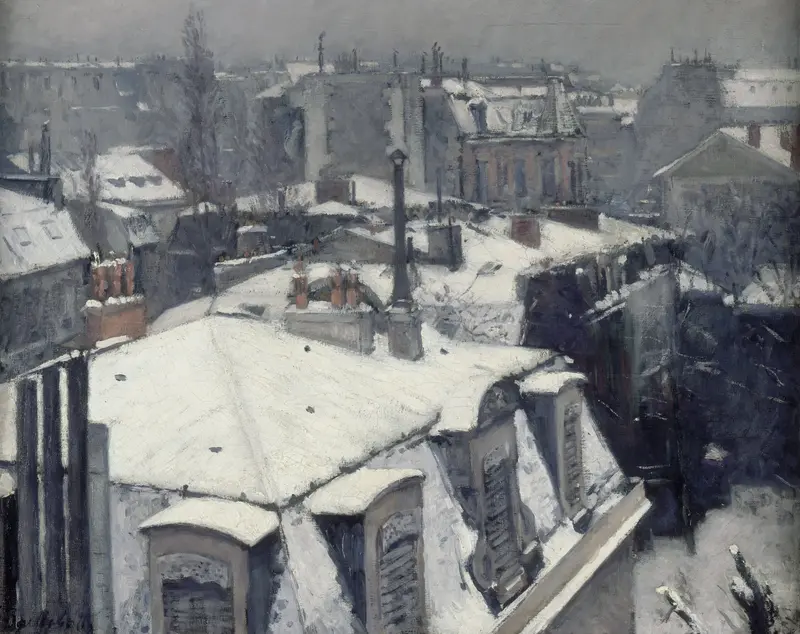
Rooftops in the Snow (Snow Effect)
Gustave Caillebotte
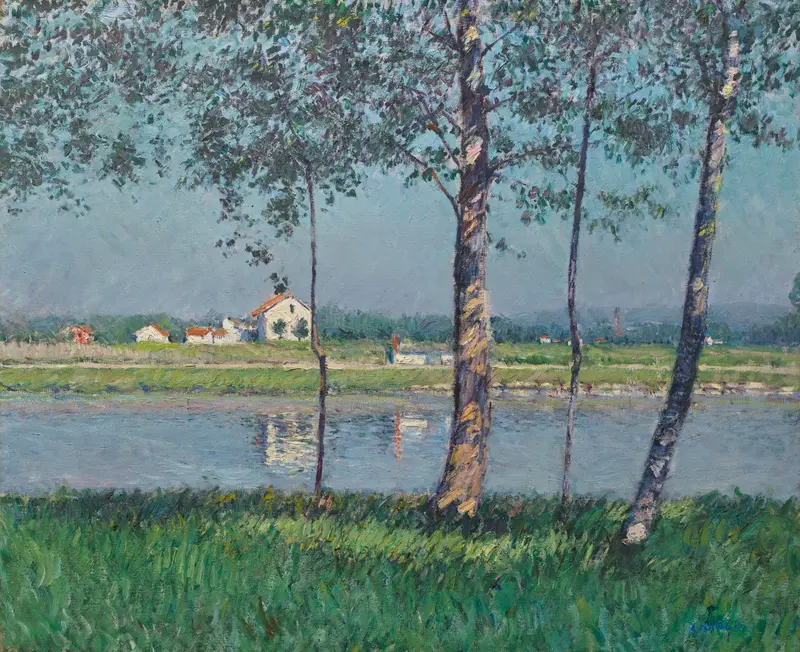
Rive de la Seine au Petit-Gennevilliers
Gustave Caillebotte





