
Portrait of a Man in a Slouch Hat — History & Facts
No one knows the true identity of the sitter in Portrait of a Man in a Slouch Hat, and this mystery has fascinated scholars for centuries. Painted by Frans Hals around 1660, the work stands out among his late portraits for its informality and the sitter’s air of self-assurance. Some have speculated that this enigmatic figure might have been a local Haarlem merchant or even a friend of the artist, but no records survive to confirm his name.
The slouch hat itself was a fashionable accessory in the Dutch Republic at the time, often associated with a relaxed, cosmopolitan style. The man fixes the viewer with a direct, almost challenging gaze, his lips parted as if about to speak. The wide-brimmed hat casts a shadow across his brow, lending an air of intrigue, while the loose, painterly brushwork of Hals captures the texture of his dark cloak and the crisp white of his collar. The sitter’s casual pose, with one hand resting on his hip, breaks from the stiff formality of earlier Dutch portraiture.
Unlike the dignified calm of Rembrandt’s sitters, Hals here revels in immediacy and presence, making the viewer feel as though they have just interrupted a private moment. The painting’s early history is obscure, typical of many of Hals’ works, which often passed quietly through private collections before gaining wider recognition in the nineteenth century. It is not clear who first commissioned or owned the portrait, and its medium—whether oil on canvas or panel—remains uncertain due to later relining and restoration. Today, Portrait of a Man in a Slouch Hat is celebrated as a prime example of Hals’ late style, marked by bold brushwork and psychological insight.
Its current home is in a major European collection, where it continues to invite speculation about the life and character of its unknown sitter.
More Artworks by Frans Hals

Banquet of the Officers of the St George Civic Guard
Frans Hals

Portrait of Jacob Pietersz Olycan (1596-1638)
Frans Hals

Laughing Cavalier
Frans Hals

Militia Company of District XI under the Command of Captain Reynier Reael, Known as ‘The Meagre Company’
Frans Hals

Regentesses of the Old Men's Alms House
Frans Hals
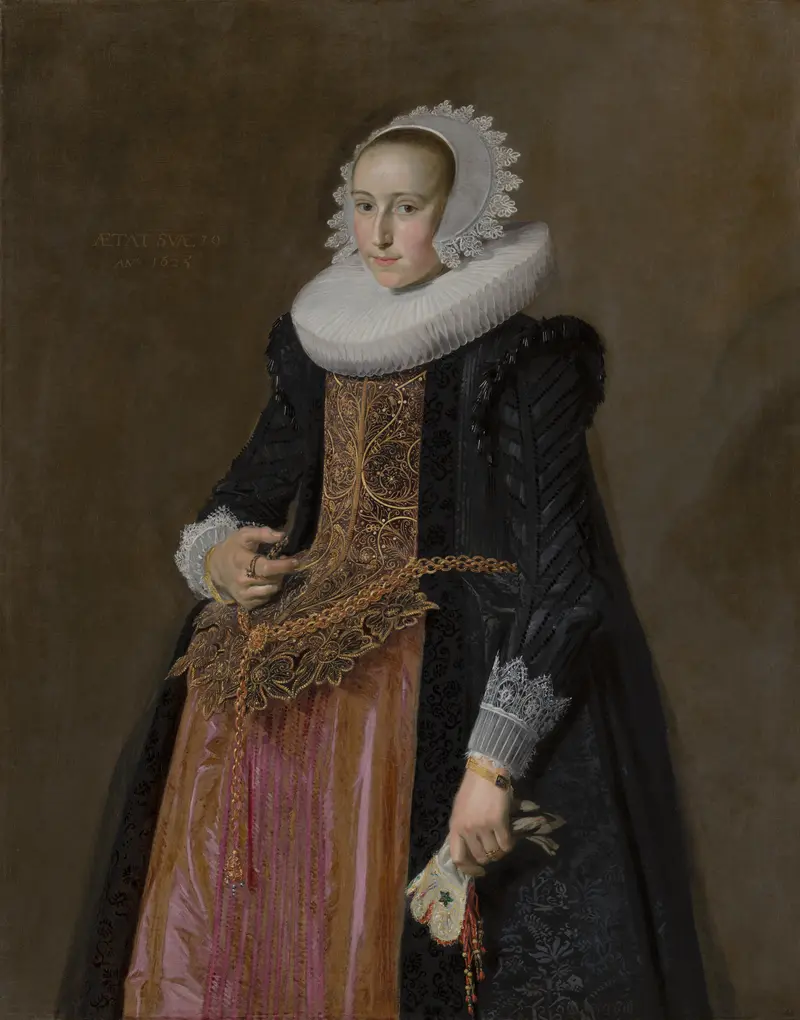
Portrait of Aletta Hanemans (1606–1653)
Frans Hals

Portrait of a Married Couple, Likely Isaac Abrahamsz Massa and Beatrix van der Laen
Frans Hals
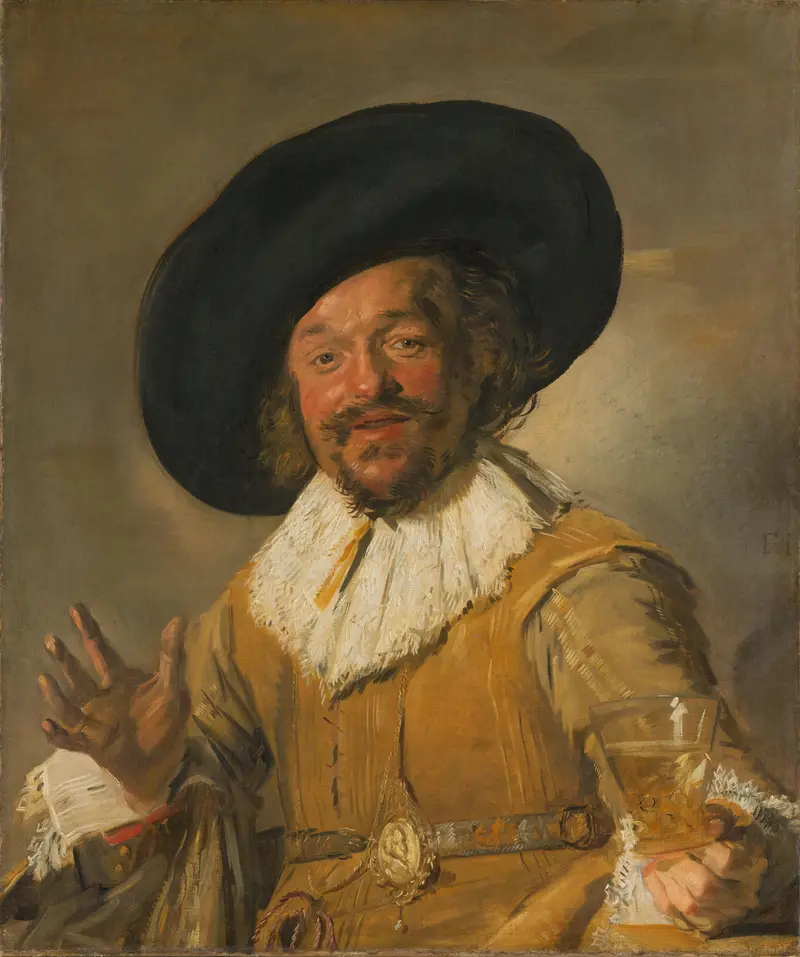
The Merry Drinker
Frans Hals

Portrait of Paulus Verschuur
Frans Hals

Portrait of Pieter van den Broecke
Frans Hals





