
Portrait of a man in a Yellowish-gray Jacket — History & Facts
No one knows the name of the sitter in Portrait of a man in a Yellowish-gray Jacket, but his gaze has sparked centuries of curiosity. Painted by Frans Hals in 1633, this work stands out for the sitter’s direct, almost conversational look—unusual for the period, when most portraits were more reserved. The painting’s informality has led some scholars to speculate that the subject may have been a friend or fellow artist, rather than a wealthy patron.
Unlike many of Hals’s grand civic portraits, this canvas is intimate in scale and mood, inviting viewers into a private moment. The man, dressed in a muted jacket with a soft, open collar, leans slightly forward, his lips parted as if about to speak. The loose brushwork in his hair and the quick, almost sketch-like rendering of his clothing draw the eye to his animated face, where the light catches a glint in his eyes. Hals’s technique here is bold and spontaneous, capturing not just a likeness but a fleeting expression—an approach that set him apart from contemporaries like Rembrandt, whose portraits often dwell on introspection and shadow.
The absence of grand props or heraldic symbols shifts the focus entirely onto the sitter’s personality, making the encounter feel immediate and alive. The early provenance of Portrait of a man in a Yellowish-gray Jacket remains uncertain, as is often the case with Hals’s more modest portraits. Over the centuries, the painting has passed through private collections, sometimes misattributed or overshadowed by larger, more spectacular works. Today, it is recognized as a prime example of Frans Hals’s ability to animate his sitters with just a few deft strokes.
Its current home in a major museum allows visitors to experience firsthand the painter’s unique blend of informality and psychological insight, hallmarks of the Dutch Baroque portrait tradition.
More Artworks by Frans Hals

Banquet of the Officers of the St George Civic Guard
Frans Hals

Portrait of Jacob Pietersz Olycan (1596-1638)
Frans Hals
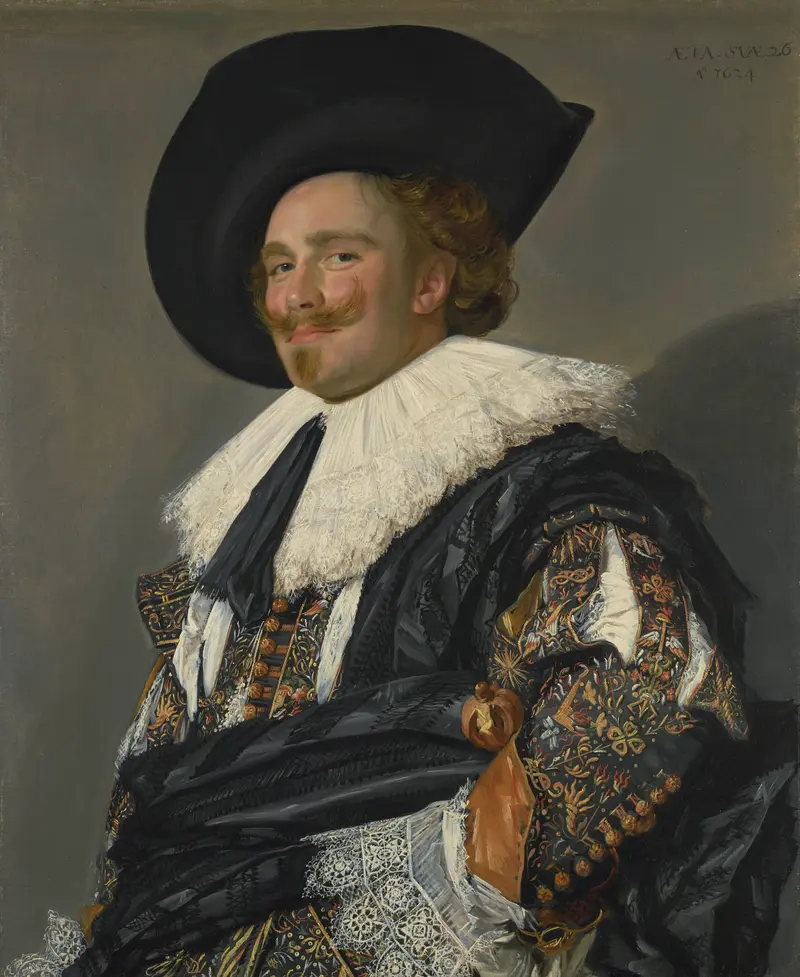
Laughing Cavalier
Frans Hals

Militia Company of District XI under the Command of Captain Reynier Reael, Known as ‘The Meagre Company’
Frans Hals
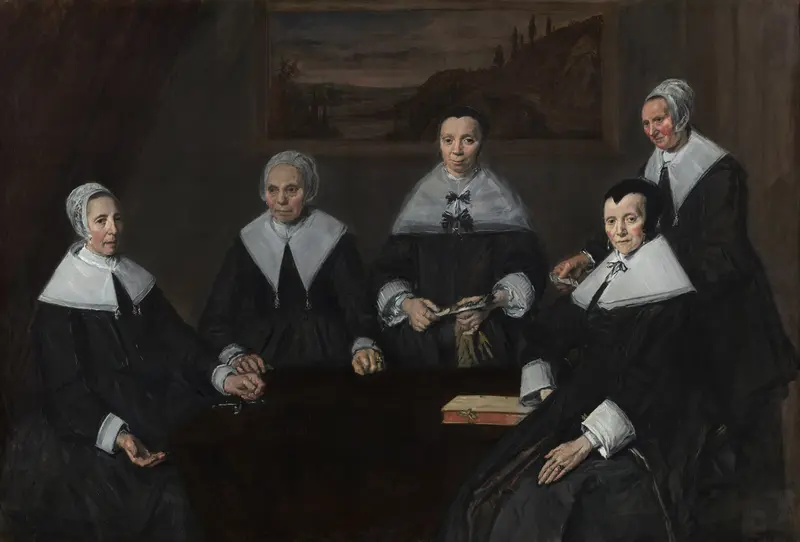
Regentesses of the Old Men's Alms House
Frans Hals
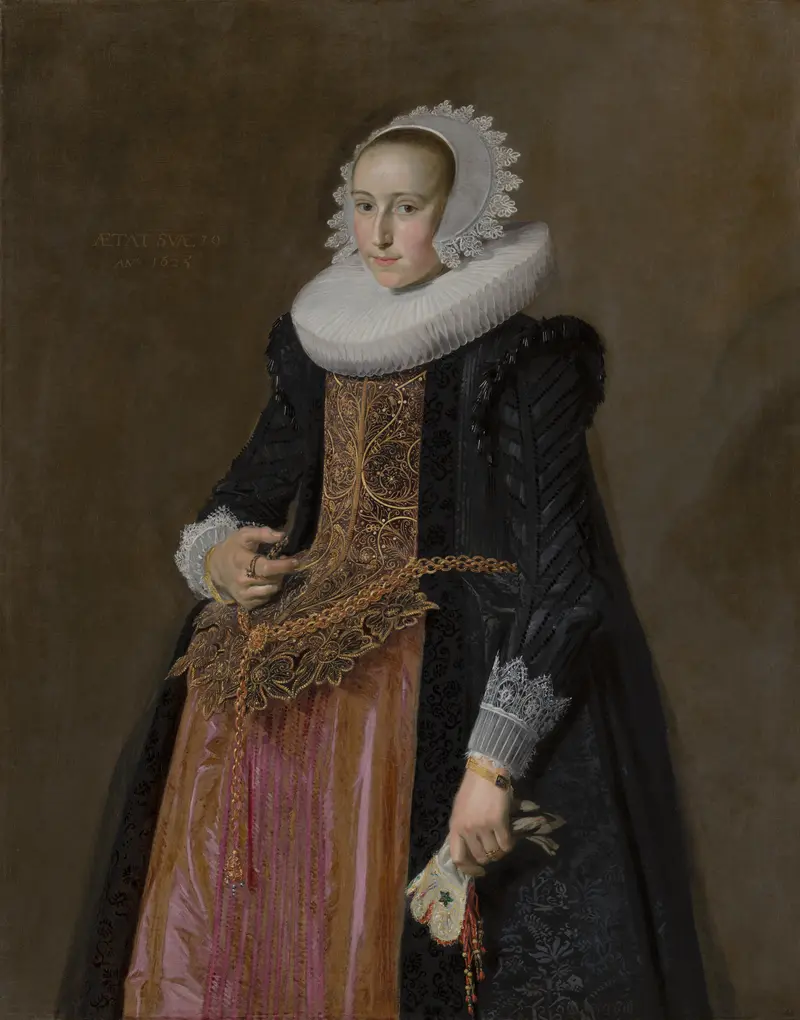
Portrait of Aletta Hanemans (1606–1653)
Frans Hals
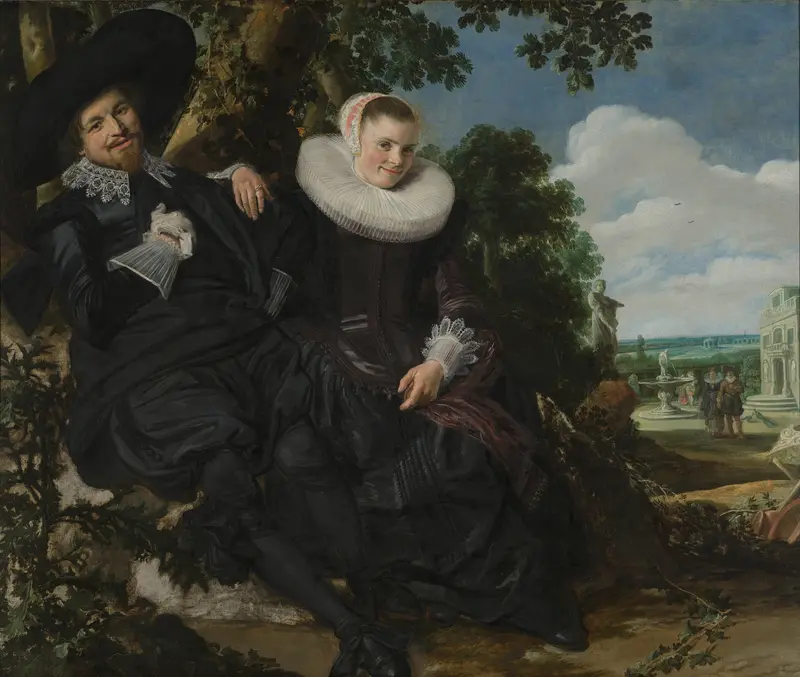
Portrait of a Married Couple, Likely Isaac Abrahamsz Massa and Beatrix van der Laen
Frans Hals
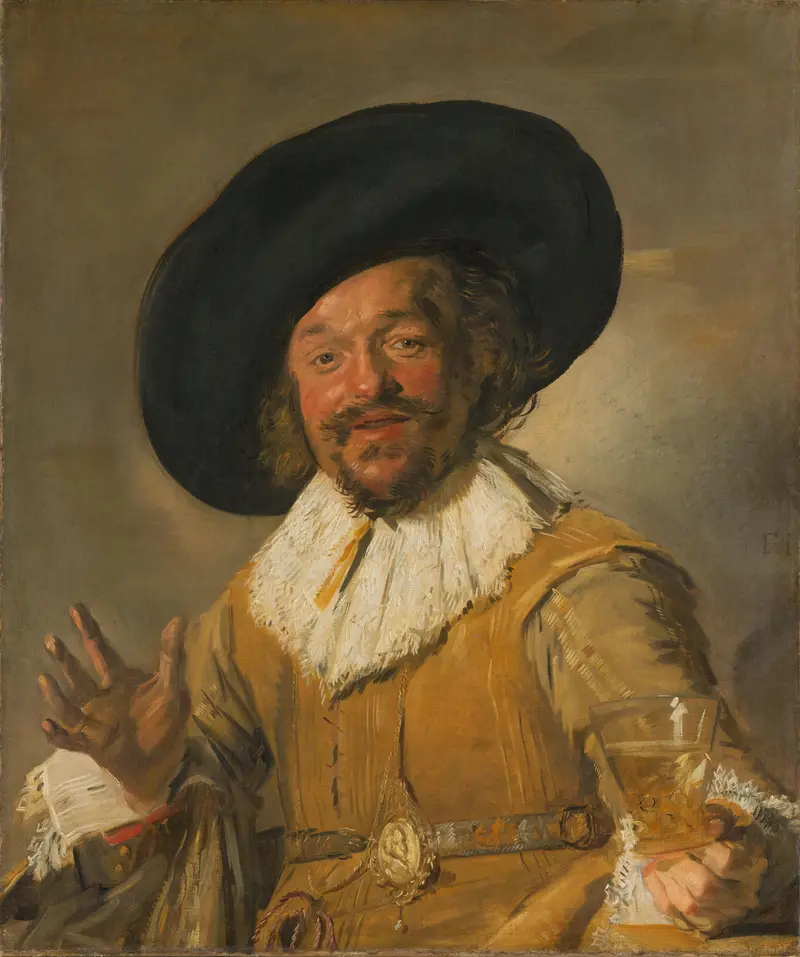
The Merry Drinker
Frans Hals
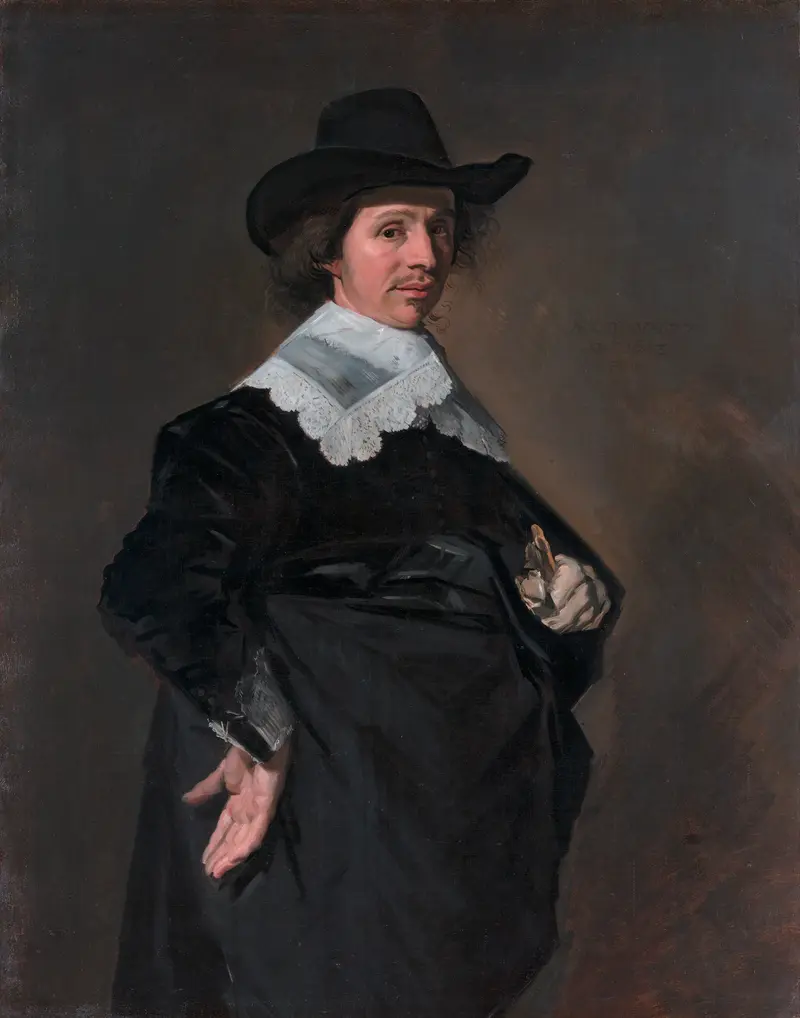
Portrait of Paulus Verschuur
Frans Hals
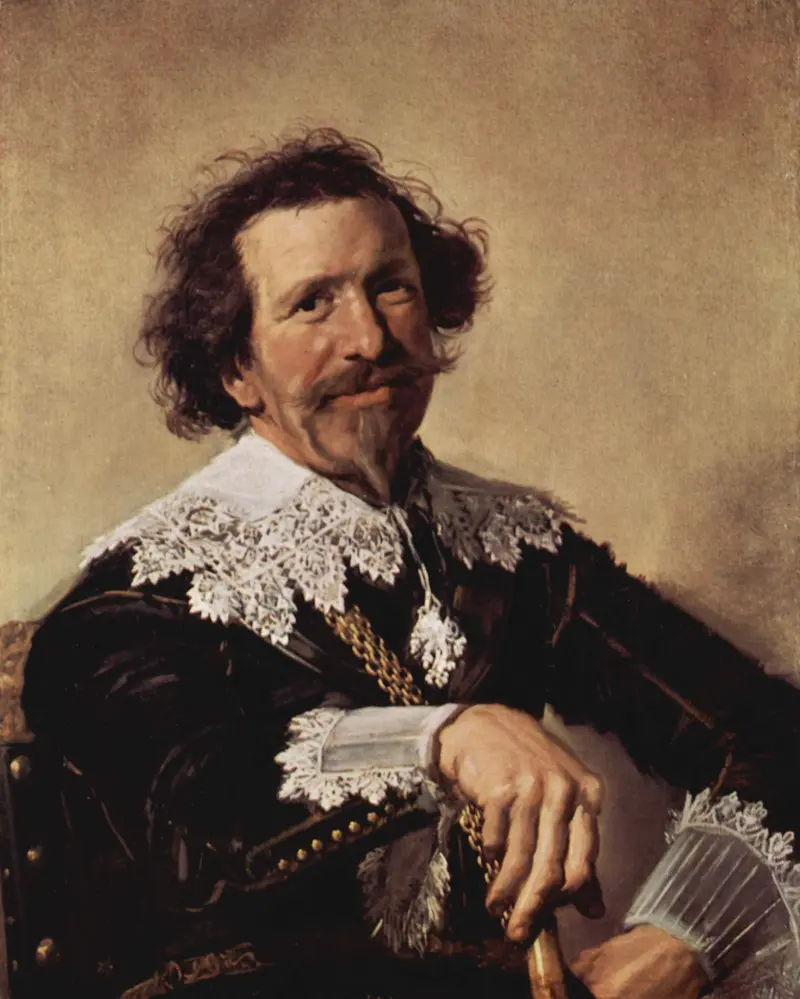
Portrait of Pieter van den Broecke
Frans Hals





