
Portrait of a man in an octagonal frame — History & Facts
No one knows for certain who the sitter is in Portrait of a man in an octagonal frame, but the painting’s unusual shape has long intrigued scholars. Octagonal portraits were rare in the Dutch Republic of the 1630s, and their use often hinted at a special commission or a place in a larger decorative scheme. Some have speculated that this painting was part of a pair, perhaps intended to hang in a family home alongside a wife’s likeness, but no companion piece has ever been found.
The identity of the man—his direct gaze and confident pose—remains a mystery, fueling debates among art historians for generations. The sitter meets our eyes with a lively expression, his lips parted as if about to speak. Hals captures him at a moment of alert presence, his body angled slightly, one hand resting on the frame’s edge, the other perhaps just out of sight. The crisp white collar and sober black attire mark him as a member of the Dutch middle class, prosperous but not ostentatious.
The light falls from the left, picking out the textures of fabric and flesh, and the brushwork is loose and energetic, typical of Frans Hals’s mature style. Unlike the formality of Rembrandt’s portraits, Hals’s sitter seems caught in motion, alive to the world around him. Little is known about the painting’s early history, and the absence of a signature has led to periods of doubt about its attribution. However, the confident handling of paint and the psychological immediacy have convinced most experts that it is indeed by Frans Hals, painted in 1637 at the height of his career in Haarlem.
Over the centuries, the portrait has passed through several private collections before entering the museum world. Today, it stands as a testament to the vitality of Dutch portraiture, and to Hals’s unique ability to capture the fleeting spark of personality in oil and canvas.
More Artworks by Frans Hals

Banquet of the Officers of the St George Civic Guard
Frans Hals

Portrait of Jacob Pietersz Olycan (1596-1638)
Frans Hals
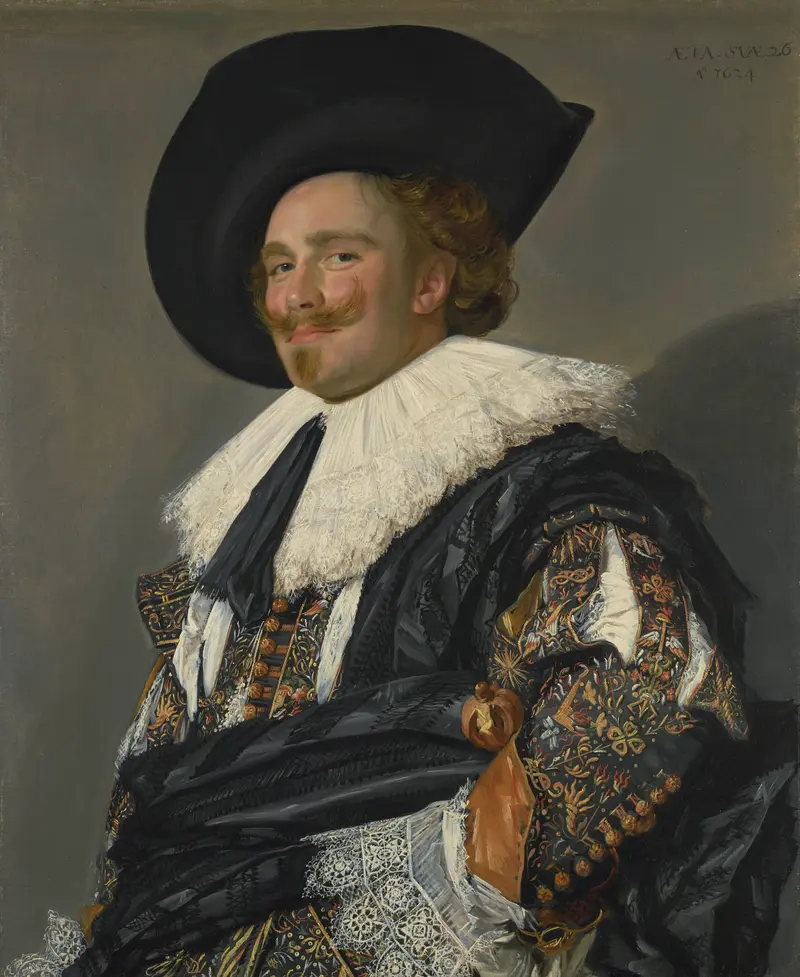
Laughing Cavalier
Frans Hals

Militia Company of District XI under the Command of Captain Reynier Reael, Known as ‘The Meagre Company’
Frans Hals
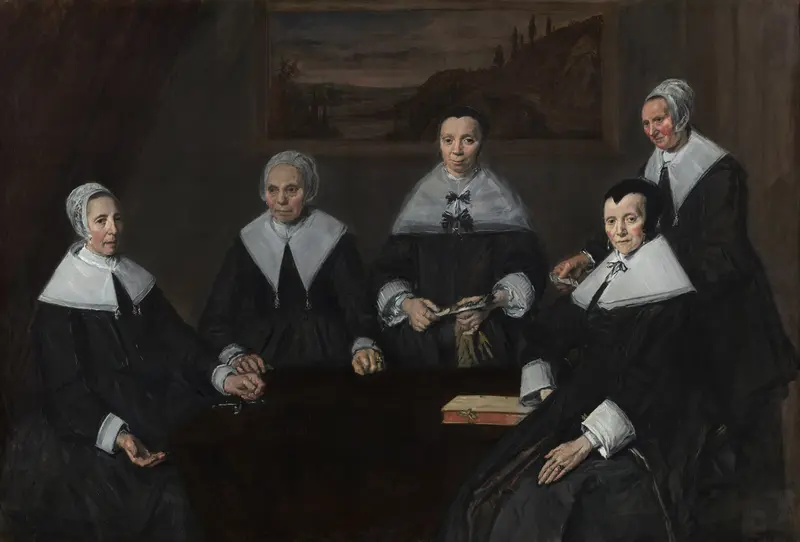
Regentesses of the Old Men's Alms House
Frans Hals
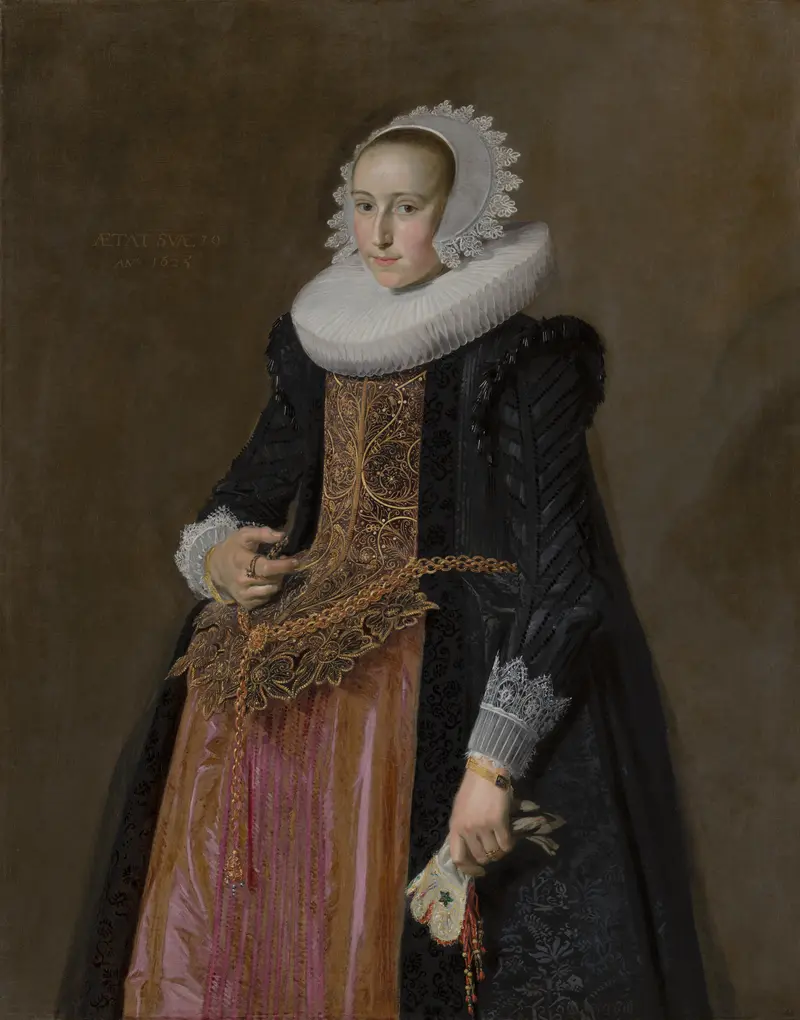
Portrait of Aletta Hanemans (1606–1653)
Frans Hals
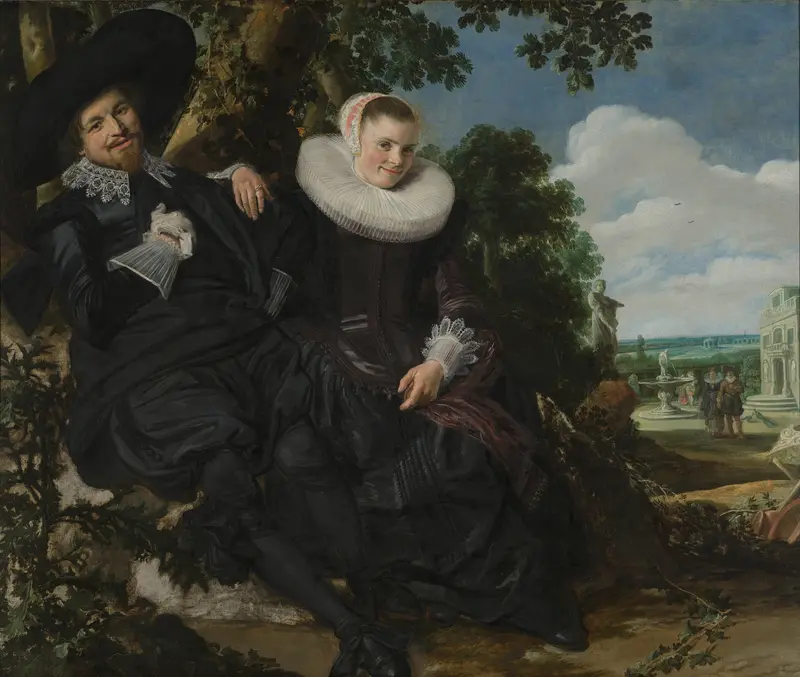
Portrait of a Married Couple, Likely Isaac Abrahamsz Massa and Beatrix van der Laen
Frans Hals
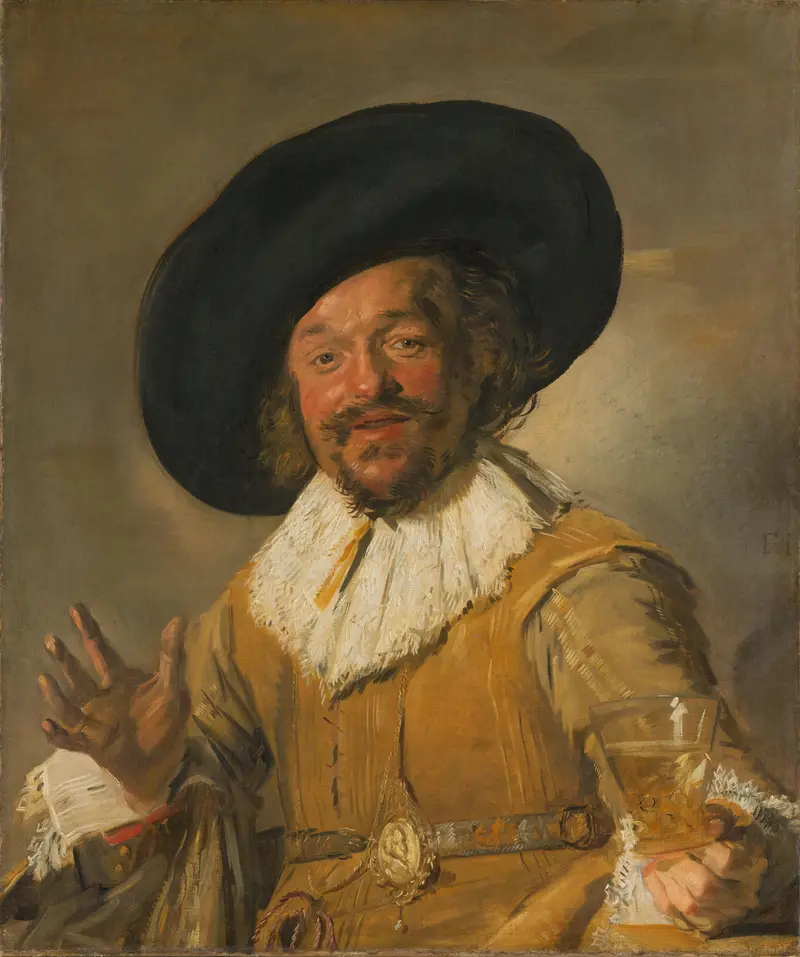
The Merry Drinker
Frans Hals
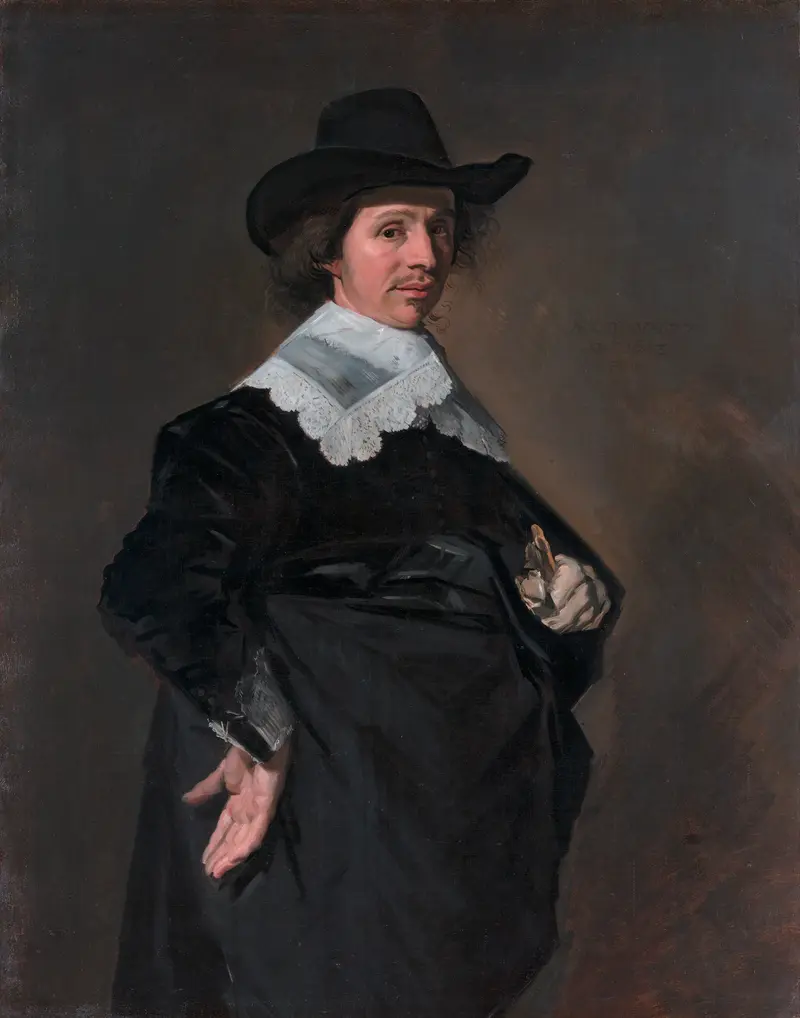
Portrait of Paulus Verschuur
Frans Hals
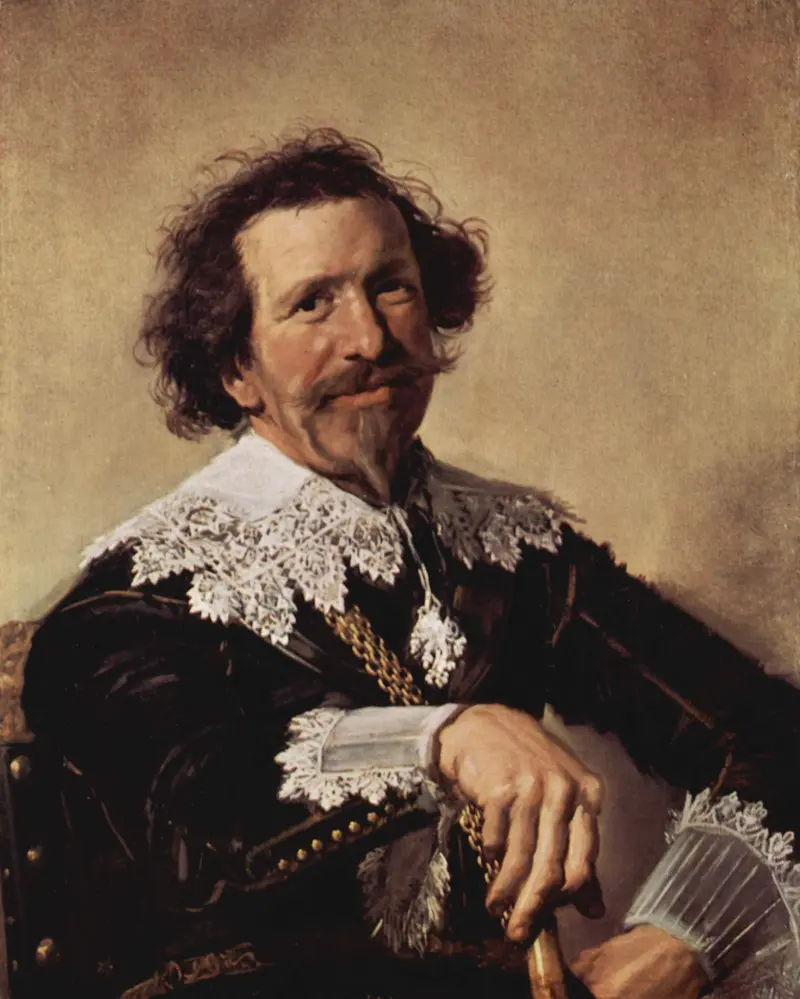
Portrait of Pieter van den Broecke
Frans Hals





