
Portrait of a man, possibly Palamedes — History & Facts
No one can say for certain who sits for us in Portrait of a man, possibly Palamedes, but the painting has long invited speculation—its title itself a nod to the enduring mystery. Scholars have debated whether the sitter is the Dutch painter Palamedes Palamedesz., a contemporary of Frans Hals, or if the name refers to the mythic Greek hero Palamedes, famed for his wit in the Trojan War. The uncertainty is heightened by the lack of any clear identifying attributes or inscription, making this one of Hals’s more enigmatic works from the 1620s. The sitter meets our gaze with a confident, almost playful air, his lips parted as if he is about to speak.
His hand rests on his hip, a gesture of casual self-assurance, while the sweep of his cloak and the crisp white collar frame his face in the light. Hals’s rapid, energetic brushwork animates the flesh and fabric, giving the portrait a sense of immediacy and life. If this is indeed Palamedes the painter, Hals is showing him at the height of his youthful ambition; if the mythic Palamedes, then perhaps this is the moment before his tragic betrayal, poised between brilliance and downfall.
Compared to the more formal, static portraits of Anthony van Dyck, Hals’s approach here is notably informal and direct, focusing on character over status. The precise origins of Portrait of a man, possibly Palamedes remain unclear, as do the details of its early ownership. Like many works by Frans Hals, it has passed through various hands over the centuries, sometimes attributed with certainty, at other times the subject of debate. Its style and execution place it firmly in Hals’s Haarlem period, when he was developing the loose, lively technique that would make him one of the most sought-after portraitists of the Dutch Golden Age.
Today, the painting stands as both a testament to Hals’s skill and a reminder of the mysteries that still linger in art history.
More Artworks by Frans Hals

Banquet of the Officers of the St George Civic Guard
Frans Hals

Portrait of Jacob Pietersz Olycan (1596-1638)
Frans Hals
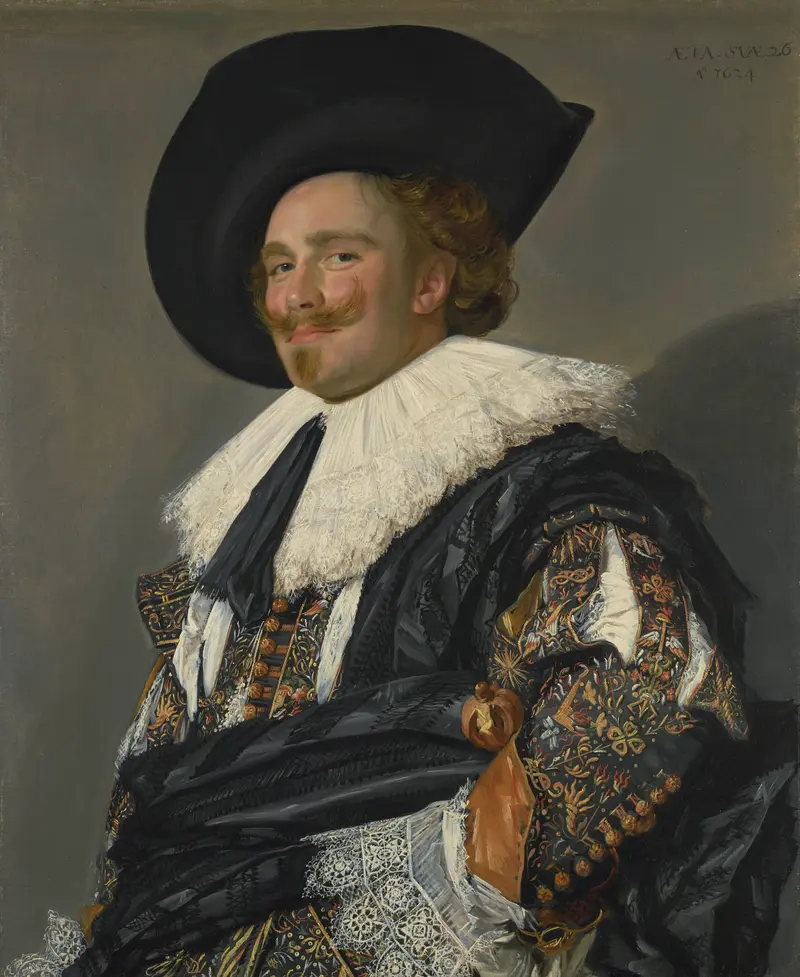
Laughing Cavalier
Frans Hals

Militia Company of District XI under the Command of Captain Reynier Reael, Known as ‘The Meagre Company’
Frans Hals
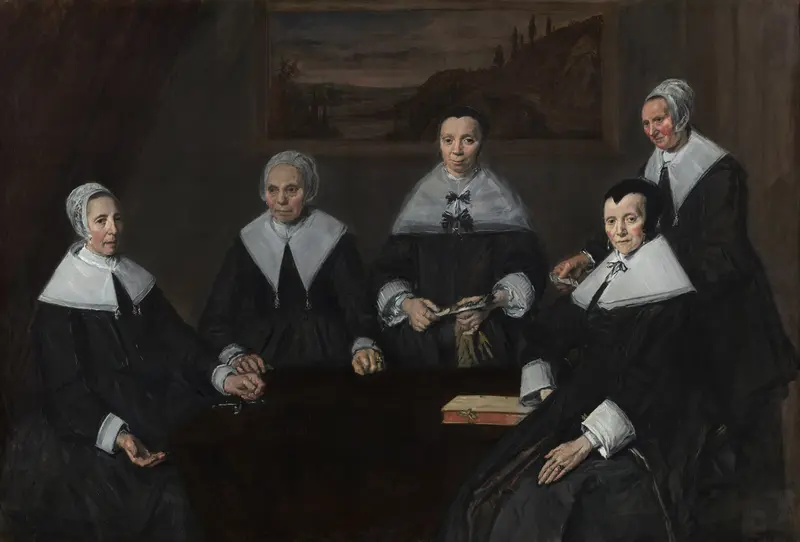
Regentesses of the Old Men's Alms House
Frans Hals
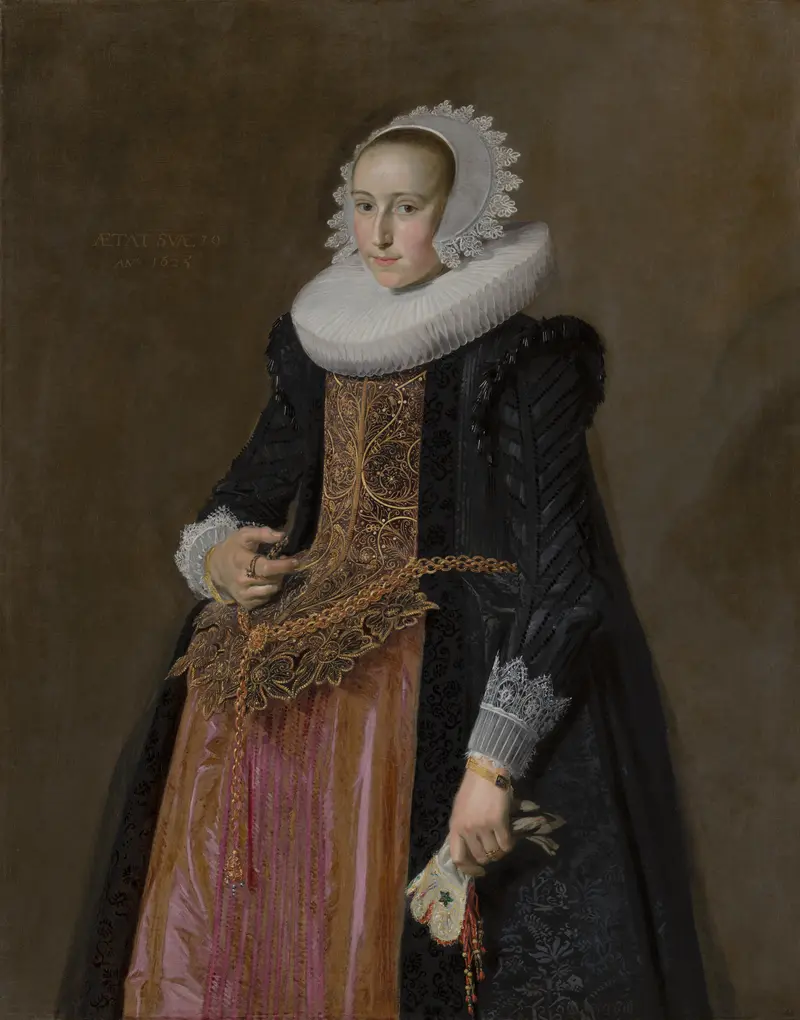
Portrait of Aletta Hanemans (1606–1653)
Frans Hals
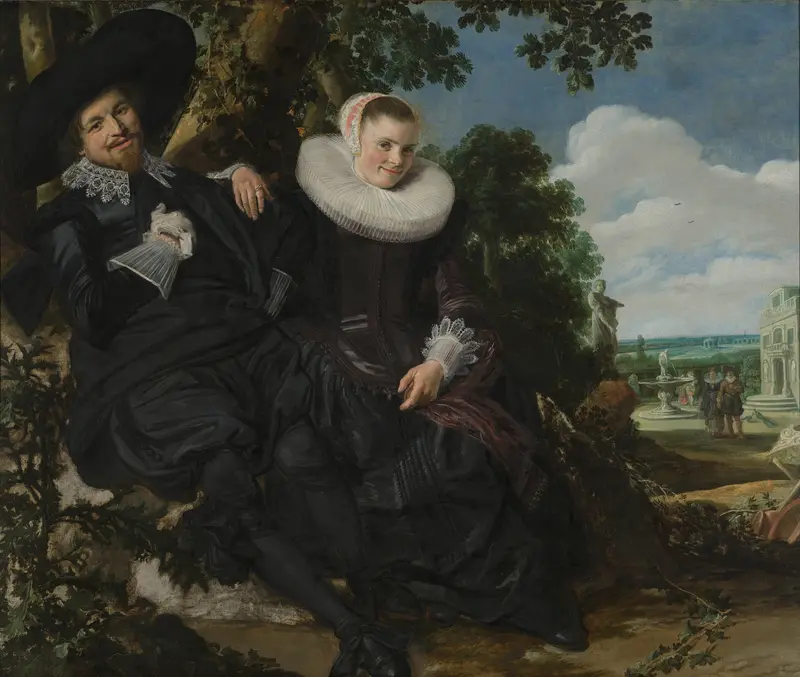
Portrait of a Married Couple, Likely Isaac Abrahamsz Massa and Beatrix van der Laen
Frans Hals
The Merry Drinker
Frans Hals
Portrait of Paulus Verschuur
Frans Hals
Portrait of Pieter van den Broecke
Frans Hals





