
Portrait of a seated woman — History & Facts
When Portrait of a seated woman was painted in 1643, Frans Hals was already renowned for his lively brushwork and ability to capture the fleeting expressions of his sitters. What makes this particular portrait especially intriguing is that, unlike many of Hals’s commissioned works, the identity of the woman remains unknown, and no record of its original patron survives. This anonymity has fueled centuries of speculation: was she a member of Haarlem’s wealthy merchant class, a relative, or perhaps a benefactor lost to history? The air of mystery surrounding her has only added to the painting’s allure, prompting art historians to search for clues in her attire, jewelry, and bearing. The woman sits upright, her gaze direct yet softened by a gentle smile—a hallmark of Hals’s ability to suggest personality and presence.
Her dark dress, trimmed with lace, and the modest white cap signal both respectability and comfort, typical of Dutch bourgeois fashion in the mid-17th century. The play of light animates her face and hands, drawing the viewer’s attention to her alert expression and the delicate fingers resting on her lap. Unlike the more formal, static portraits of Rembrandt or van Dyck, Hals’s sitter seems caught in a moment of conversation, her vitality enhanced by the rapid, visible brushstrokes that define her features and the shimmering fabric.
The absence of grand symbols or elaborate background keeps the focus on her individuality—a quiet assertion of presence. The painting’s early provenance is uncertain, as is often the case with Hals’s lesser-known works. It likely remained in private hands for generations before entering the public sphere, and its attribution to Frans Hals was solidified only in the late 19th century, when connoisseurs began to appreciate the immediacy and informality of his portraits. Today, Portrait of a seated woman is celebrated as an example of Hals’s mature style, painted during a period when he was experimenting with looser, more expressive techniques.
Its journey from obscurity to recognition mirrors the broader reevaluation of Hals’s place in the pantheon of Dutch portraitists, and it now hangs in a museum collection, inviting viewers to ponder the life and story of its enigmatic sitter.
More Artworks by Frans Hals

Banquet of the Officers of the St George Civic Guard
Frans Hals

Portrait of Jacob Pietersz Olycan (1596-1638)
Frans Hals
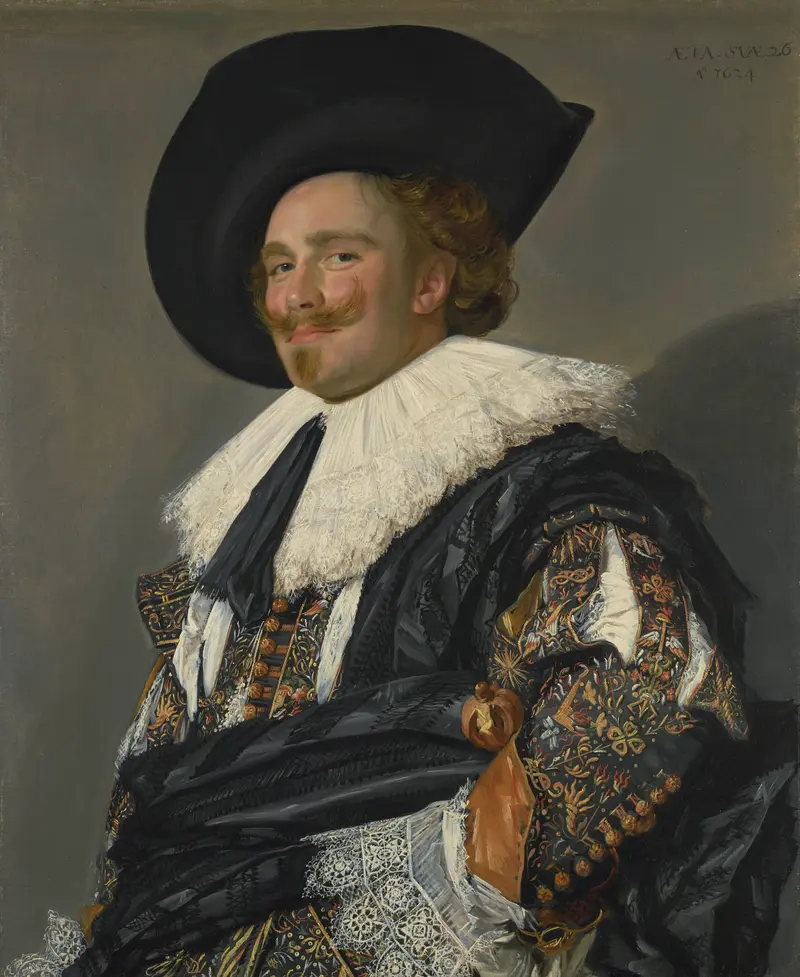
Laughing Cavalier
Frans Hals

Militia Company of District XI under the Command of Captain Reynier Reael, Known as ‘The Meagre Company’
Frans Hals
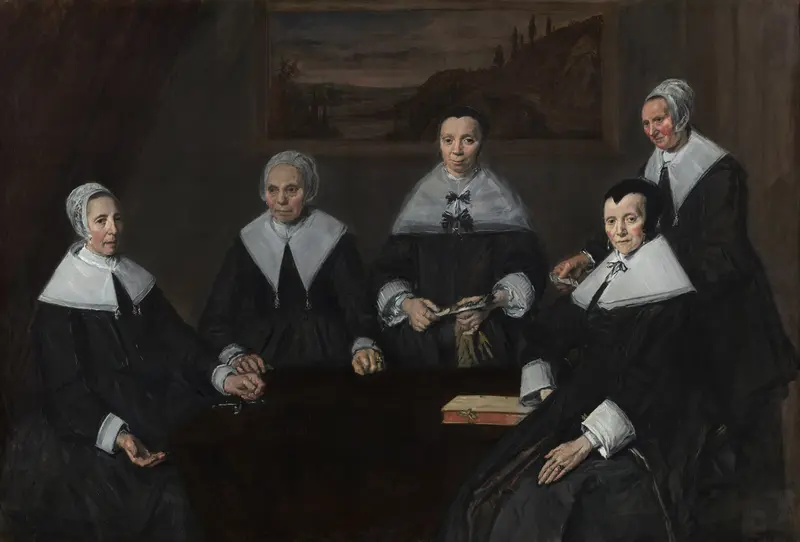
Regentesses of the Old Men's Alms House
Frans Hals
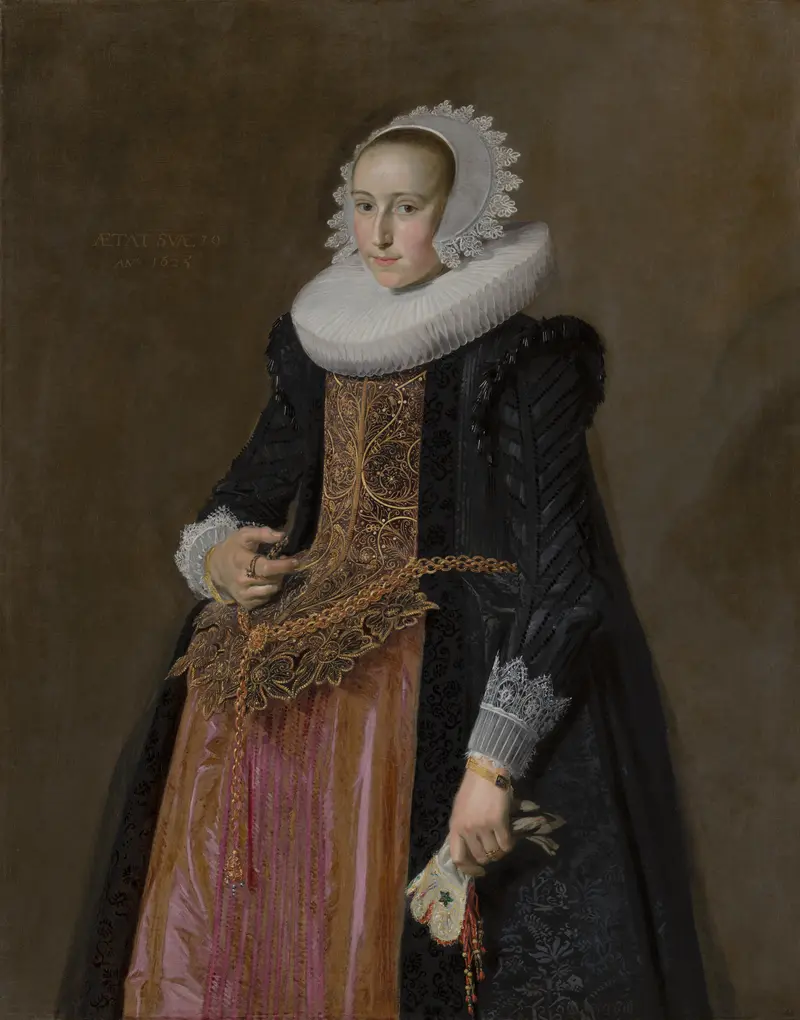
Portrait of Aletta Hanemans (1606–1653)
Frans Hals
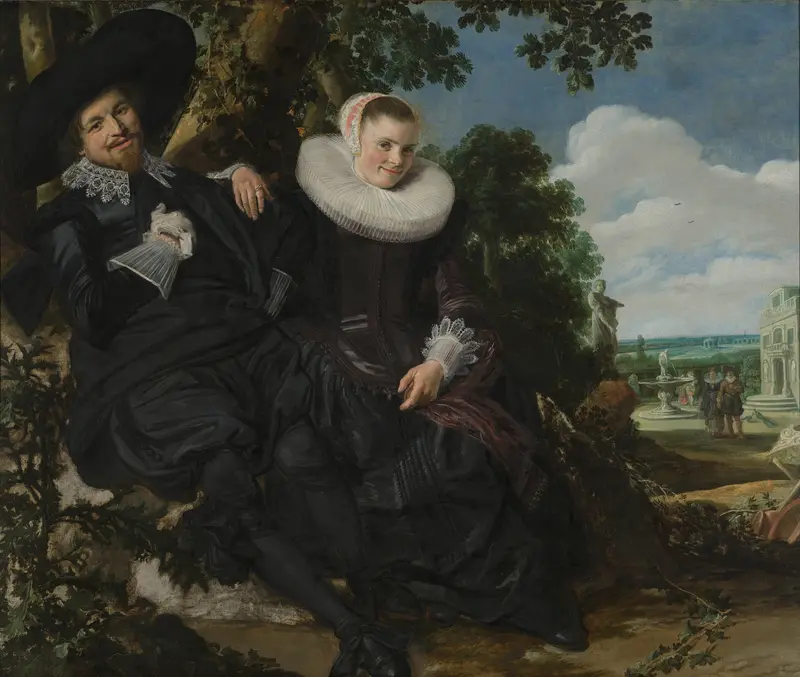
Portrait of a Married Couple, Likely Isaac Abrahamsz Massa and Beatrix van der Laen
Frans Hals
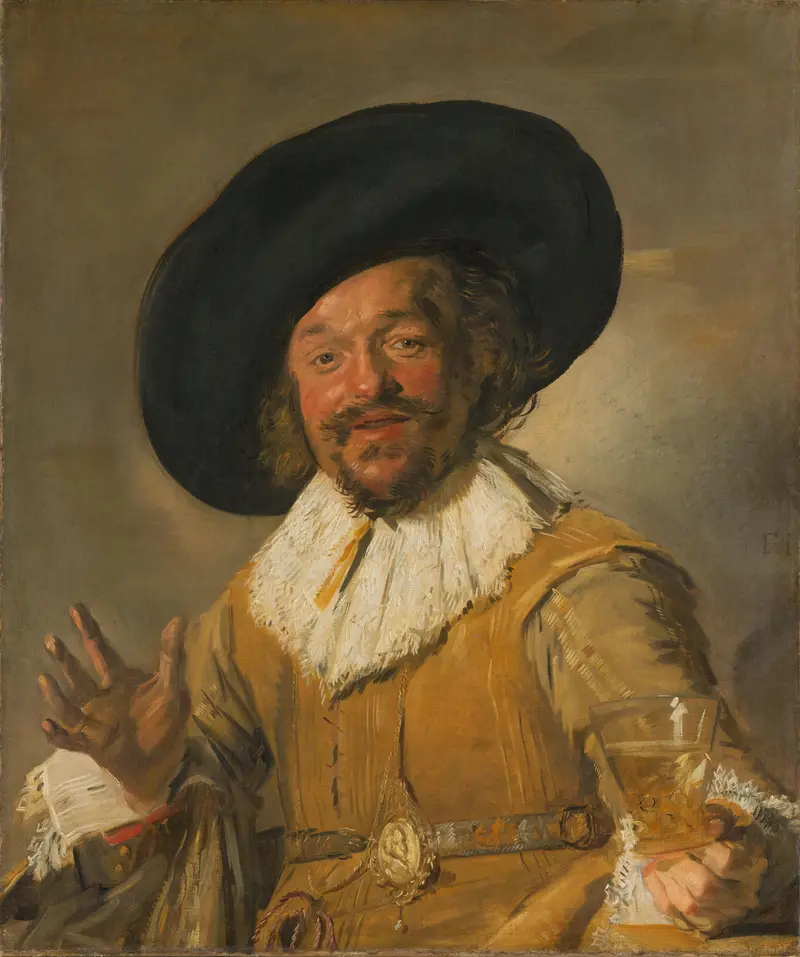
The Merry Drinker
Frans Hals
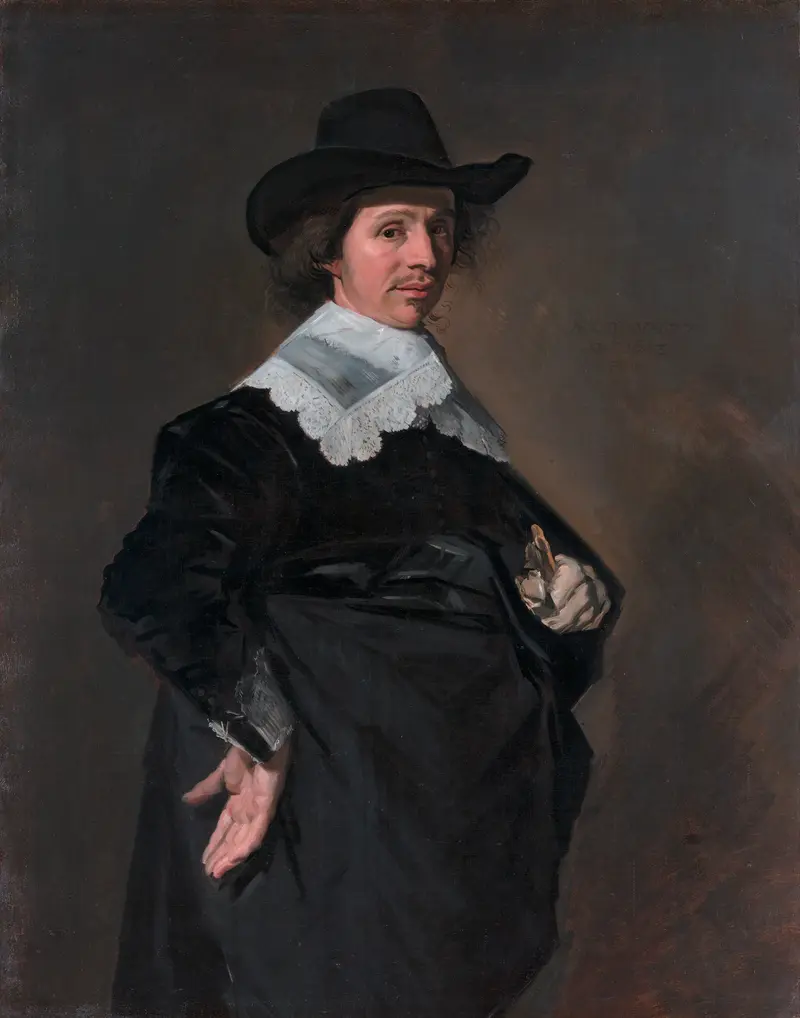
Portrait of Paulus Verschuur
Frans Hals
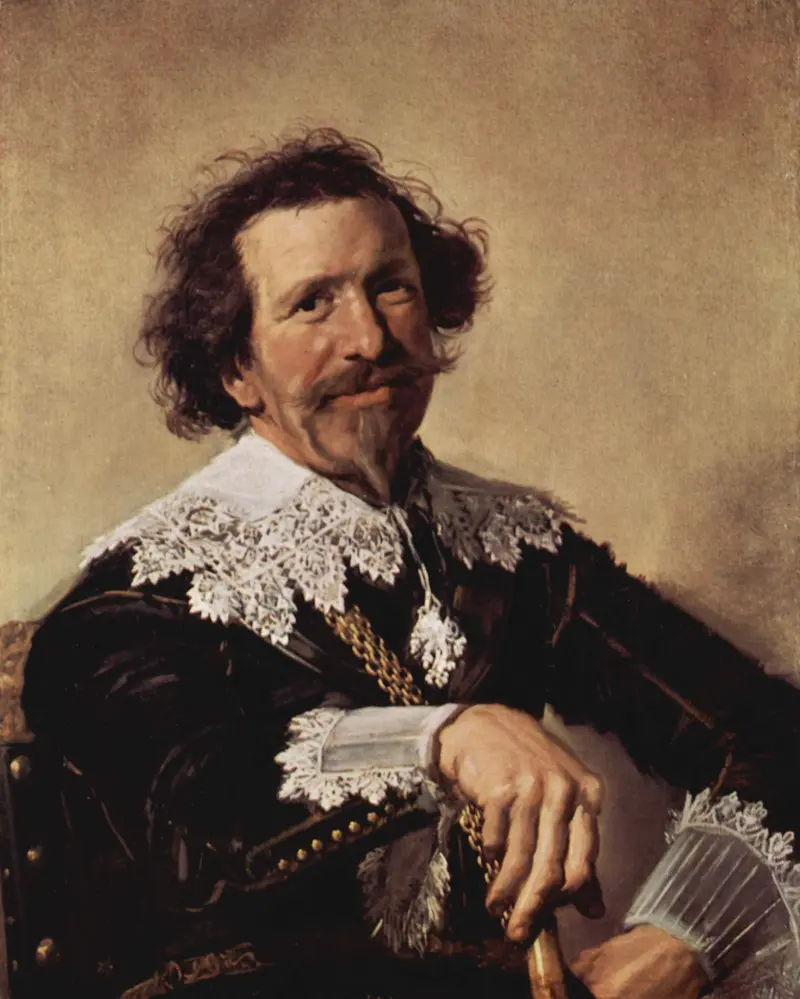
Portrait of Pieter van den Broecke
Frans Hals





