
Portrait of a seated young man with a broad brim hat — History & Facts
No one knows the name of the young man in Portrait of a seated young man with a broad brim hat, yet his face is one of the most recognizable in the world of Dutch portraiture. Painted by Frans Hals in 1628, this work is often cited as a turning point in the artist's approach to portraiture, marking his shift toward greater informality and liveliness. The sitter’s identity remains a mystery, fueling speculation for centuries—was he a wealthy Haarlem merchant’s son, a fellow artist, or simply a model plucked from the bustling streets? The ambiguity only adds to the painting’s intrigue, and the work is frequently discussed in art historical circles as an emblem of the Dutch Golden Age’s fascination with individuality. The young man leans back in his chair, one arm draped casually over its back, his gaze meeting ours with a subtle, knowing smile.
His broad-brimmed hat casts a shadow across his brow, lending him an air of relaxed confidence. The loose brushwork in the collar and the soft modeling of his features are signatures of Hals’s quick, energetic style, capturing a fleeting moment rather than a stiff, formal pose. The sitter’s black attire, contrasted with the crisp white of his collar, draws the eye to his animated face—unlike the more reserved, static portraits of Rembrandt or Van Dyck, Hals’s subject seems to breathe and move before us.
The informality of the pose and the directness of the gaze were radical for their time, suggesting a new, more personal relationship between artist, sitter, and viewer. The painting’s early history is largely undocumented, typical for many of Hals’s portraits, which were often privately commissioned and remained in family collections for generations. Over the centuries, Portrait of a seated young man with a broad brim hat has passed through the hands of several collectors and was only firmly attributed to Frans Hals in the late 19th century, as art historians began to systematically study his oeuvre. Today, the work is celebrated as a prime example of Hals’s ability to capture character and immediacy, and it is held in high regard among connoisseurs of the Dutch Golden Age.
Its current location is not always specified in public records, but it continues to be a highlight of every exhibition in which it appears, embodying the spirit of a period when portraiture was as much about personality as position.
More Artworks by Frans Hals

Banquet of the Officers of the St George Civic Guard
Frans Hals

Portrait of Jacob Pietersz Olycan (1596-1638)
Frans Hals
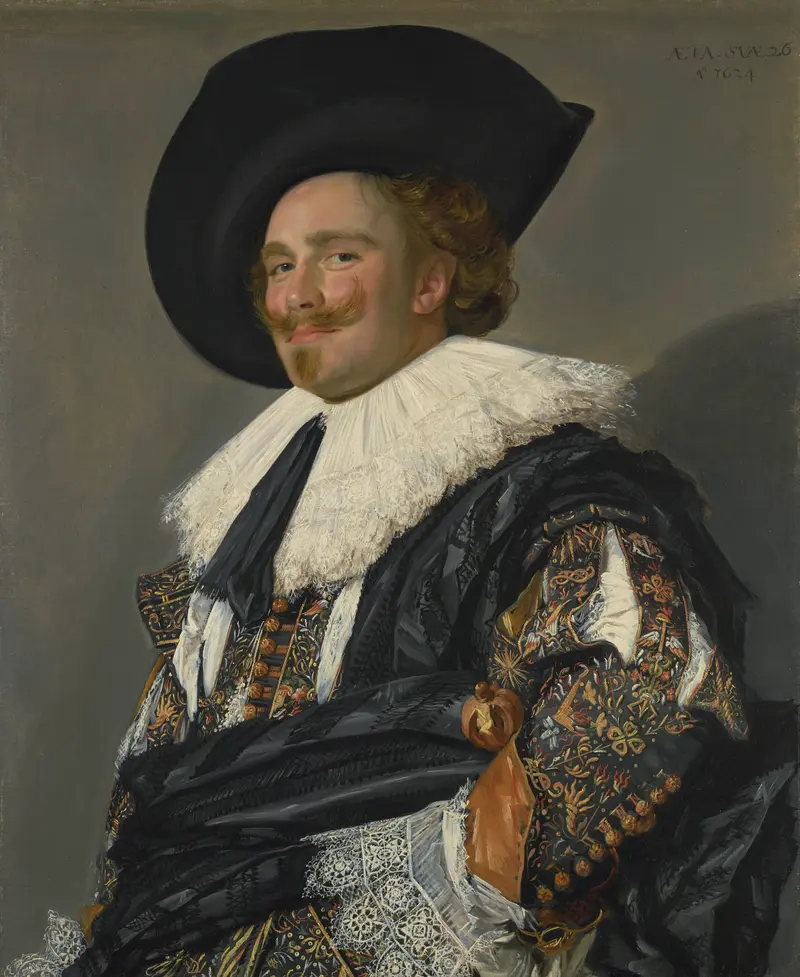
Laughing Cavalier
Frans Hals

Militia Company of District XI under the Command of Captain Reynier Reael, Known as ‘The Meagre Company’
Frans Hals
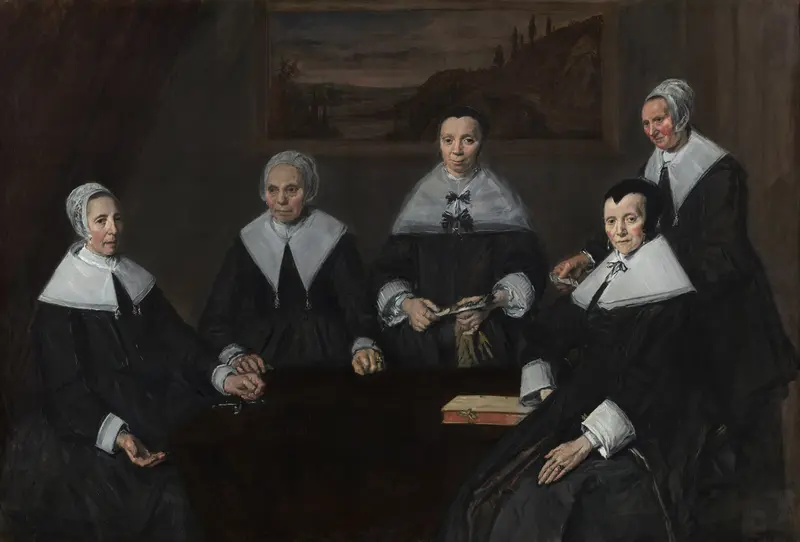
Regentesses of the Old Men's Alms House
Frans Hals
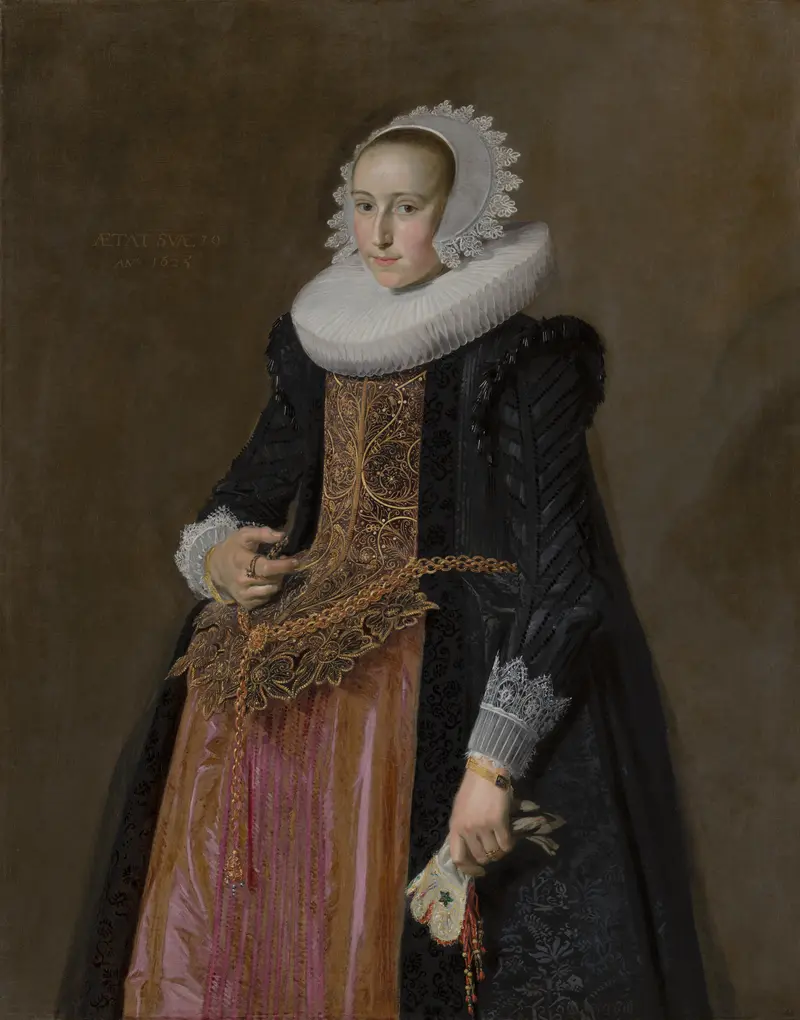
Portrait of Aletta Hanemans (1606–1653)
Frans Hals
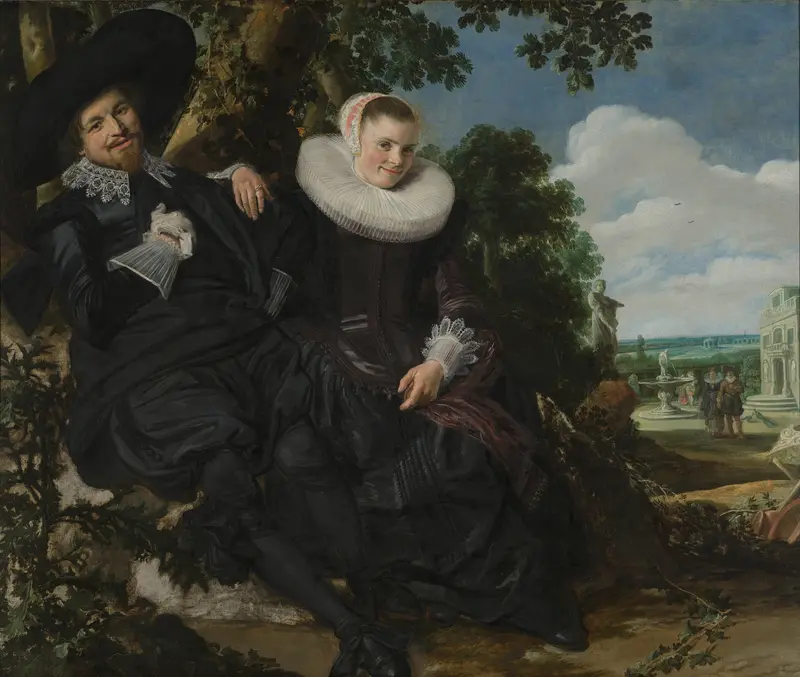
Portrait of a Married Couple, Likely Isaac Abrahamsz Massa and Beatrix van der Laen
Frans Hals
The Merry Drinker
Frans Hals
Portrait of Paulus Verschuur
Frans Hals
Portrait of Pieter van den Broecke
Frans Hals





