
Portrait of a woman, possibly Judith van Breda — History & Facts
No one can say for certain who sits before us in Portrait of a woman, possibly Judith van Breda, and it is this mystery that has fascinated scholars for centuries. The sitter’s identity remains unconfirmed, with the name Judith van Breda suggested but not definitively linked by any surviving document or inscription. The uncertainty has fueled speculation: was she a member of Haarlem’s elite, a relative of a patron, or perhaps connected to Frans Hals’ own social circle? This enigma, combined with the painting’s lively immediacy, keeps the portrait at the heart of debates about Hals’ clientele and the shifting roles of women in Dutch society. The woman gazes out with a directness unusual for formal portraiture of the 1630s, her lips parted as if about to speak.
She wears a gleaming lace ruff and a heavy gold chain, both markers of wealth and respectability in the Dutch Golden Age. Her right hand, delicately gloved, rests atop the arm of her chair, while her left holds a closed fan—an object that suggests both modesty and fashion. The light falls across her face, animating her features and lending a sense of presence that distinguishes Hals’ work from the more restrained portraits of Rembrandt or Van Dyck.
Where others might have idealized, Hals captures the sitter’s individuality, her intelligence and self-possession shining through. As with many of Hals’ female portraits, the provenance of Portrait of a woman, possibly Judith van Breda is incomplete. The painting has passed through several private collections, its attribution to Hals occasionally questioned but now widely accepted thanks to technical analysis and stylistic comparison. It stands as a prime example of Hals’ mature period, when his brushwork became freer and his sitters more animated.
Today, the portrait is celebrated not only for its artistry but also for the questions it raises about identity and representation in 17th-century Holland. Its journey from a private home to a public gallery mirrors the evolving appreciation of Hals’ genius, and the enduring allure of the unknown woman he so vividly portrayed.
More Artworks by Frans Hals

Banquet of the Officers of the St George Civic Guard
Frans Hals

Portrait of Jacob Pietersz Olycan (1596-1638)
Frans Hals
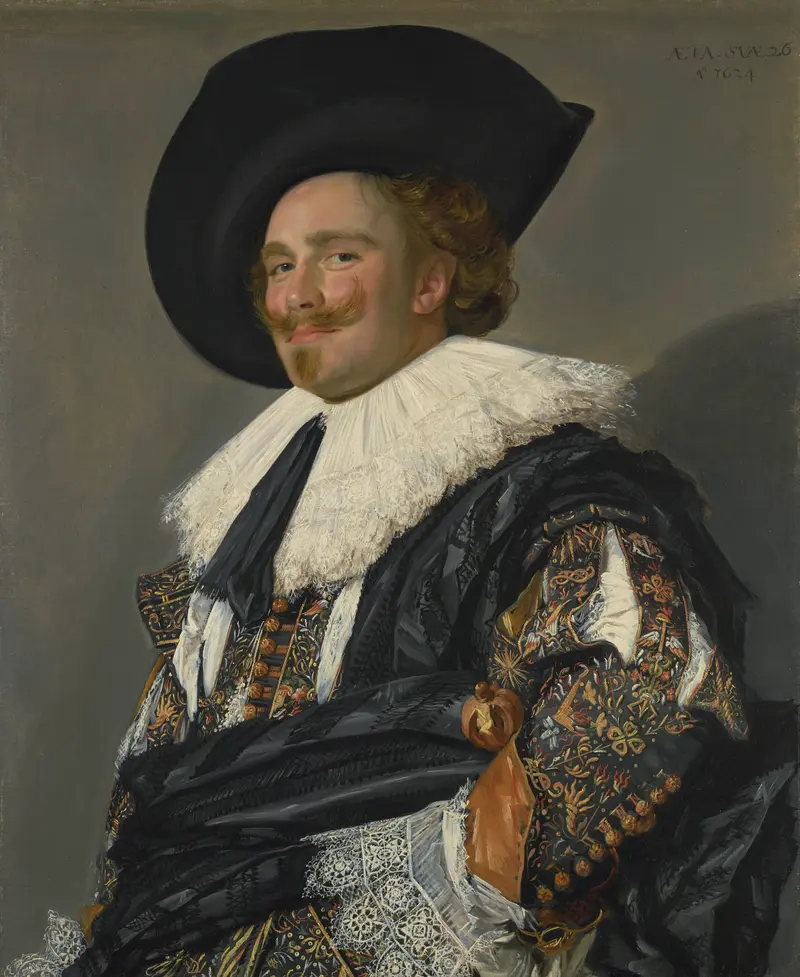
Laughing Cavalier
Frans Hals

Militia Company of District XI under the Command of Captain Reynier Reael, Known as ‘The Meagre Company’
Frans Hals
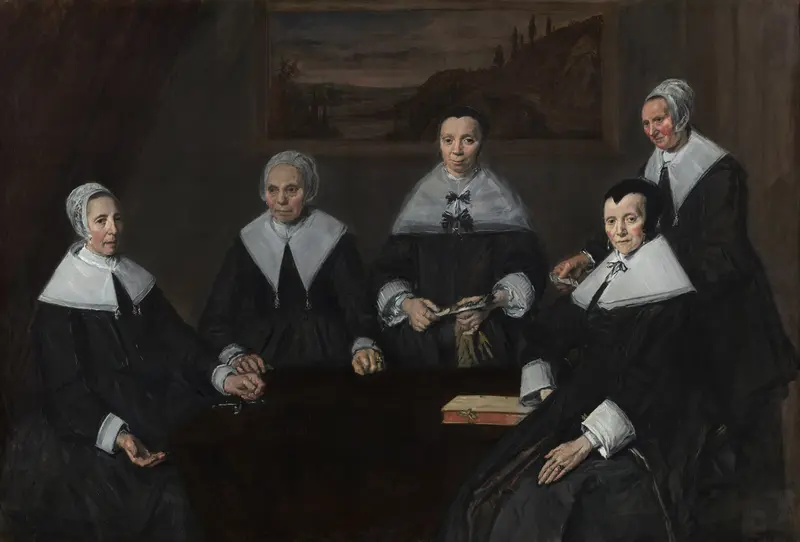
Regentesses of the Old Men's Alms House
Frans Hals
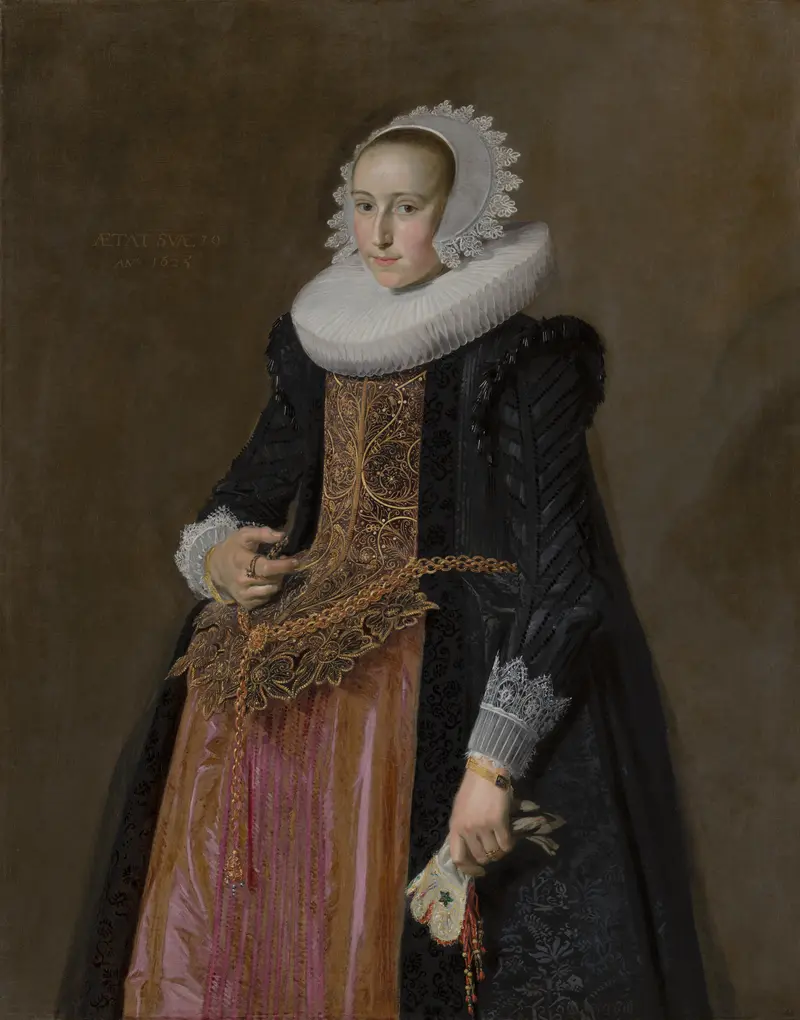
Portrait of Aletta Hanemans (1606–1653)
Frans Hals
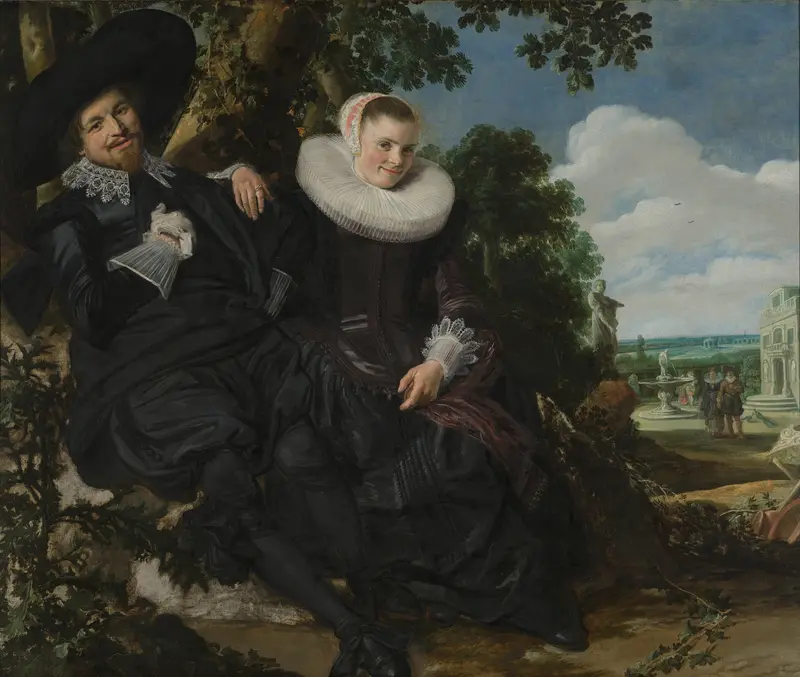
Portrait of a Married Couple, Likely Isaac Abrahamsz Massa and Beatrix van der Laen
Frans Hals
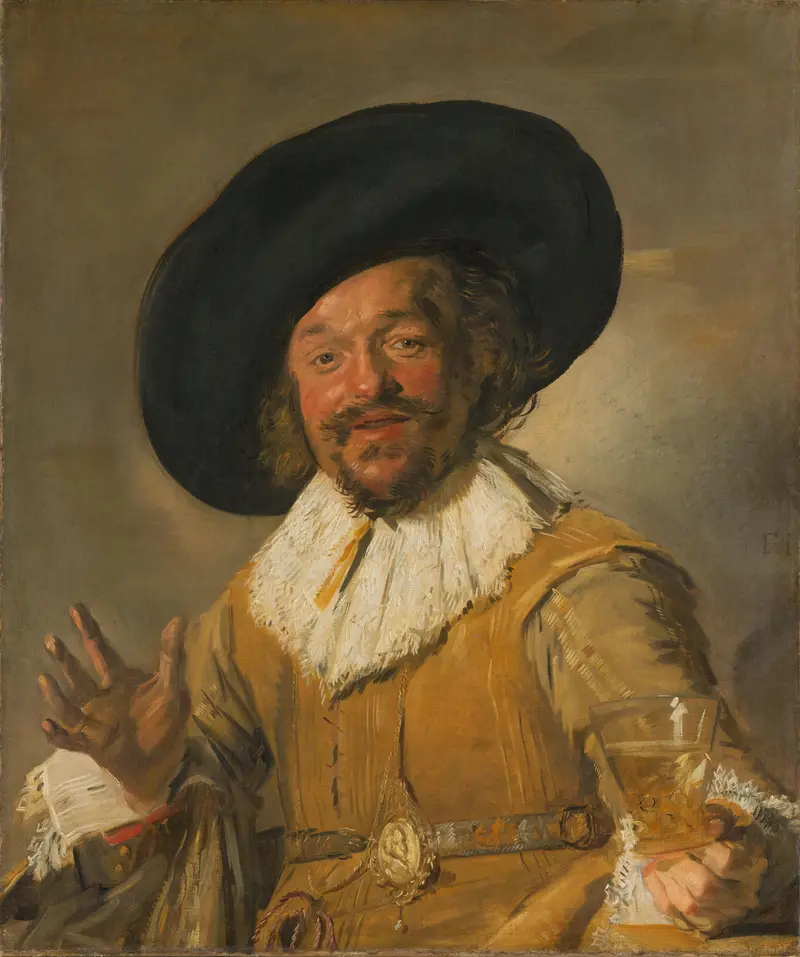
The Merry Drinker
Frans Hals
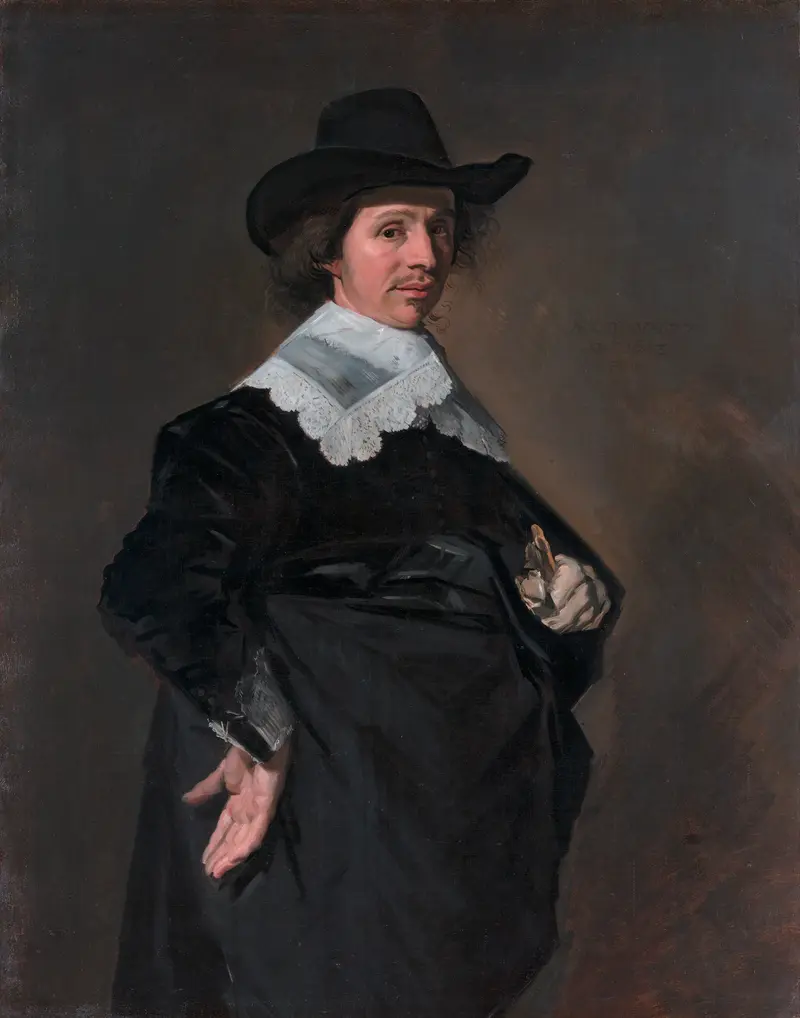
Portrait of Paulus Verschuur
Frans Hals
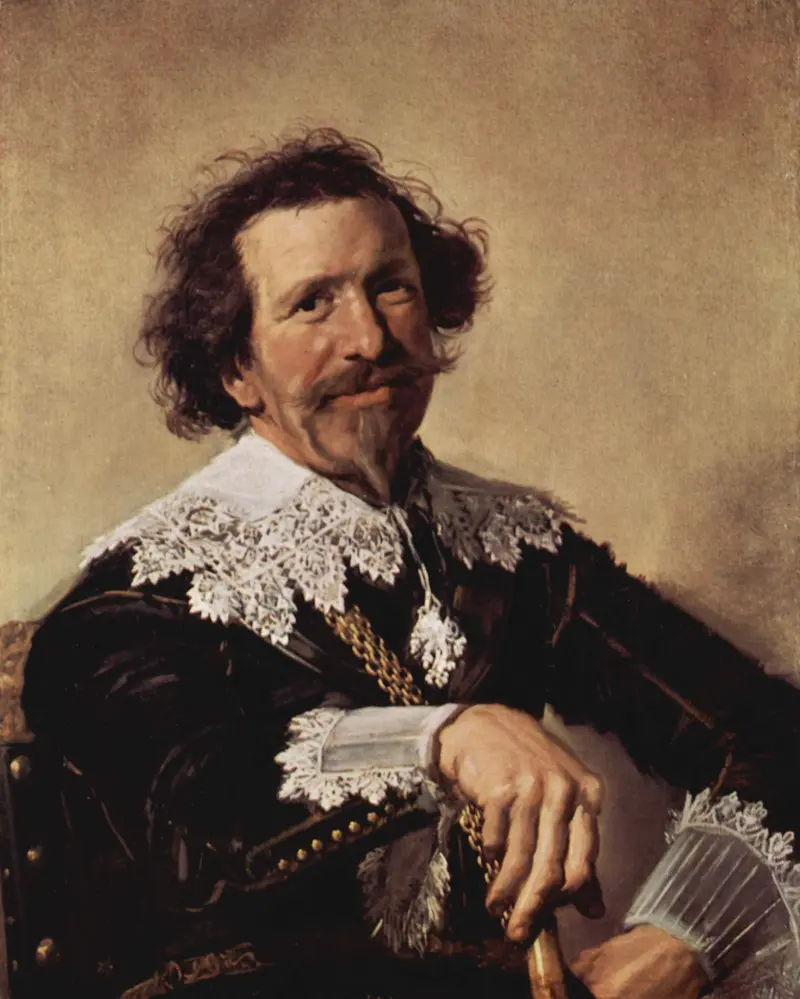
Portrait of Pieter van den Broecke
Frans Hals





