
Portrait of Magdalena Plantin — History & Facts
A single glance catches the sharp, almost conspiratorial intelligence in her eyes. The sitter’s gaze is neither warm nor cold, but alert—caught in the act of thinking, perhaps weighing her own presence before the painter. The crisp white of her cap and ruff, rendered with almost mathematical precision, draws the viewer’s attention to her face, where the careful modeling of cheek and brow reveals a woman of substance and self-possession.
The darkness of her dress and the background serve not to obscure, but to spotlight her features, as if the world has been hushed so that we might listen to what she is about to say. This is a portrait built on restraint and clarity, every detail chosen to signal station and character rather than mere fashion. The lace cap, with its delicate embroidery, and the structured ruff speak of wealth and propriety in late sixteenth-century Antwerp, while the sitter’s directness—her slight, knowing smile and the set of her jaw—suggests a personality not easily cowed. Painted in 1571 by Adriaen Thomasz.
Key, the work belongs to a tradition of Northern portraiture that values psychological insight over flattery. Unlike the more theatrical flourishes of Italian contemporaries, here the drama lies in the sitter’s presence: a quiet assertion of individuality in an age of conformity. The painting now resides in the Museum Plantin-Moretus, a fitting home for a face that still seems to weigh and measure us across the centuries.
More Artworks by Adriaen Thomasz. Key
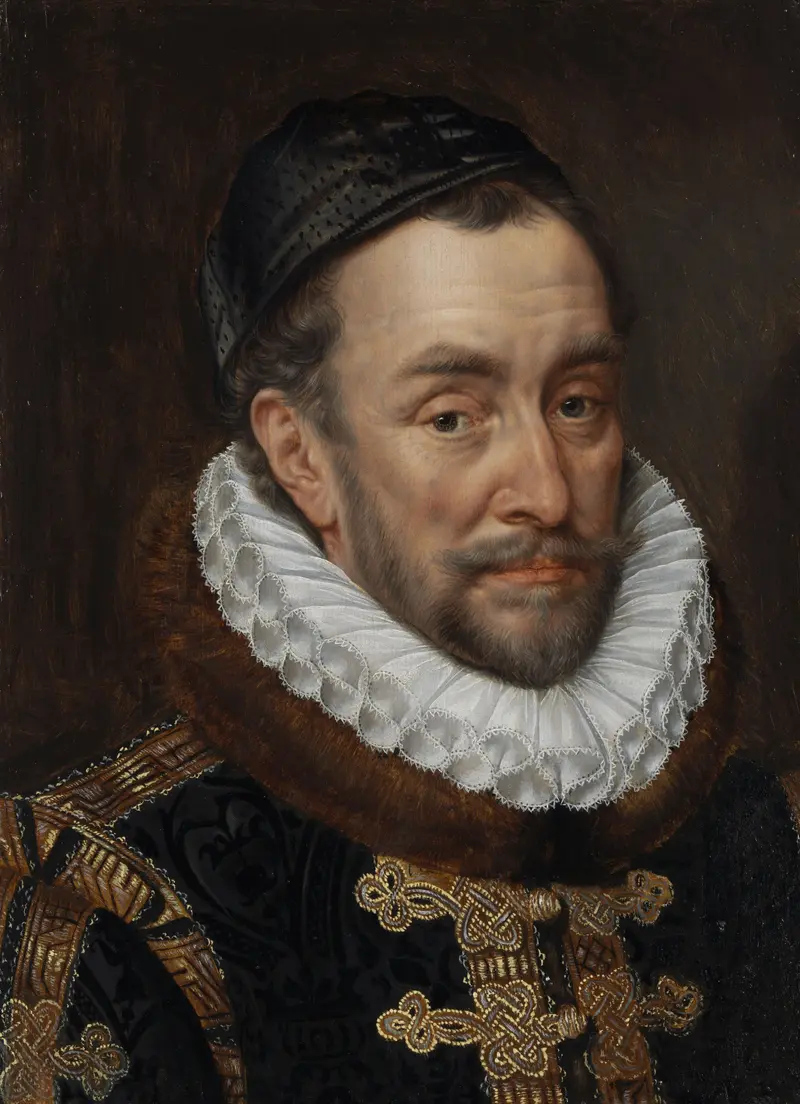
Portrait of William I, Prince of Orange
Adriaen Thomasz. Key
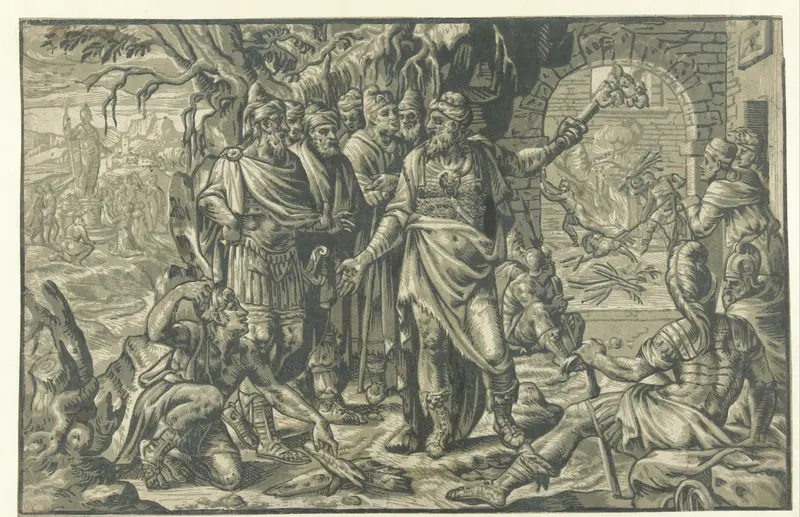
Nebukadnezar werpt de drie jongelingen in de vurige oven
Adriaen Thomasz. Key
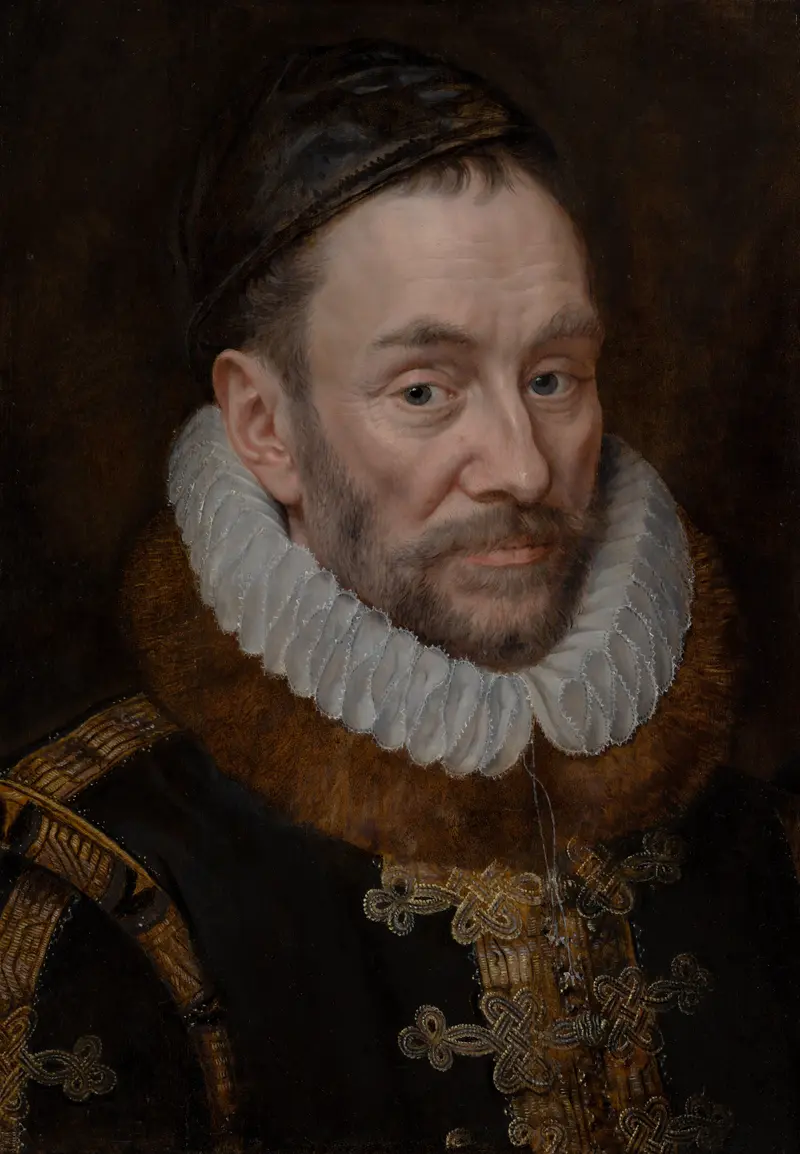
Portrait of William I (1533-1584), Prince of Orange
Adriaen Thomasz. Key
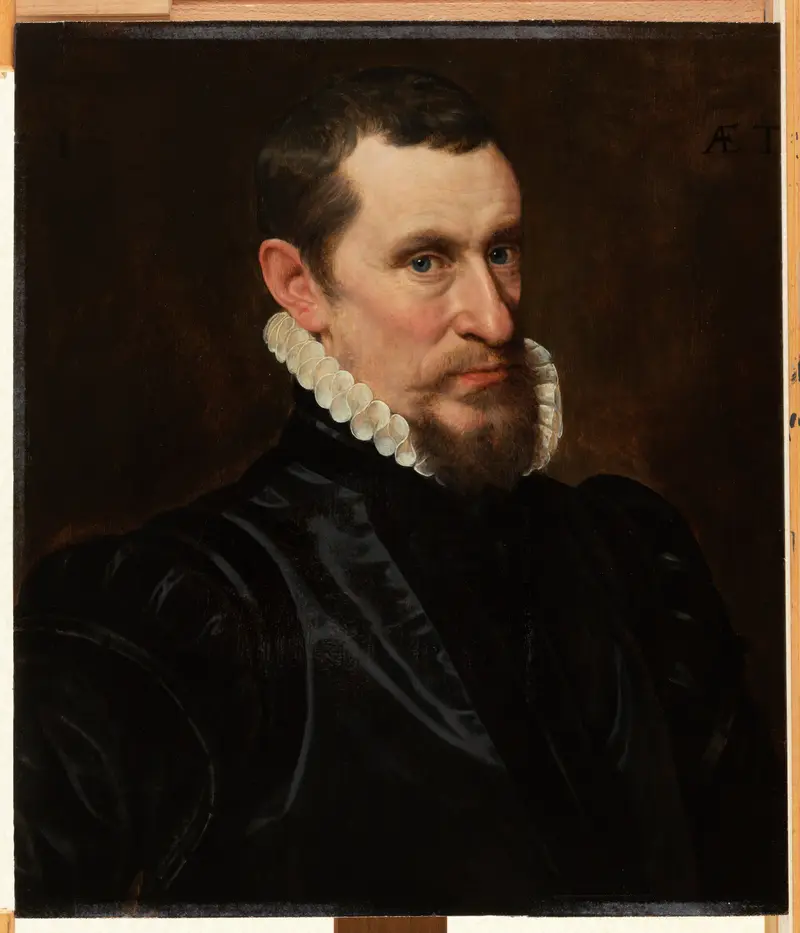
Portrait of Gillis Beys
Adriaen Thomasz. Key
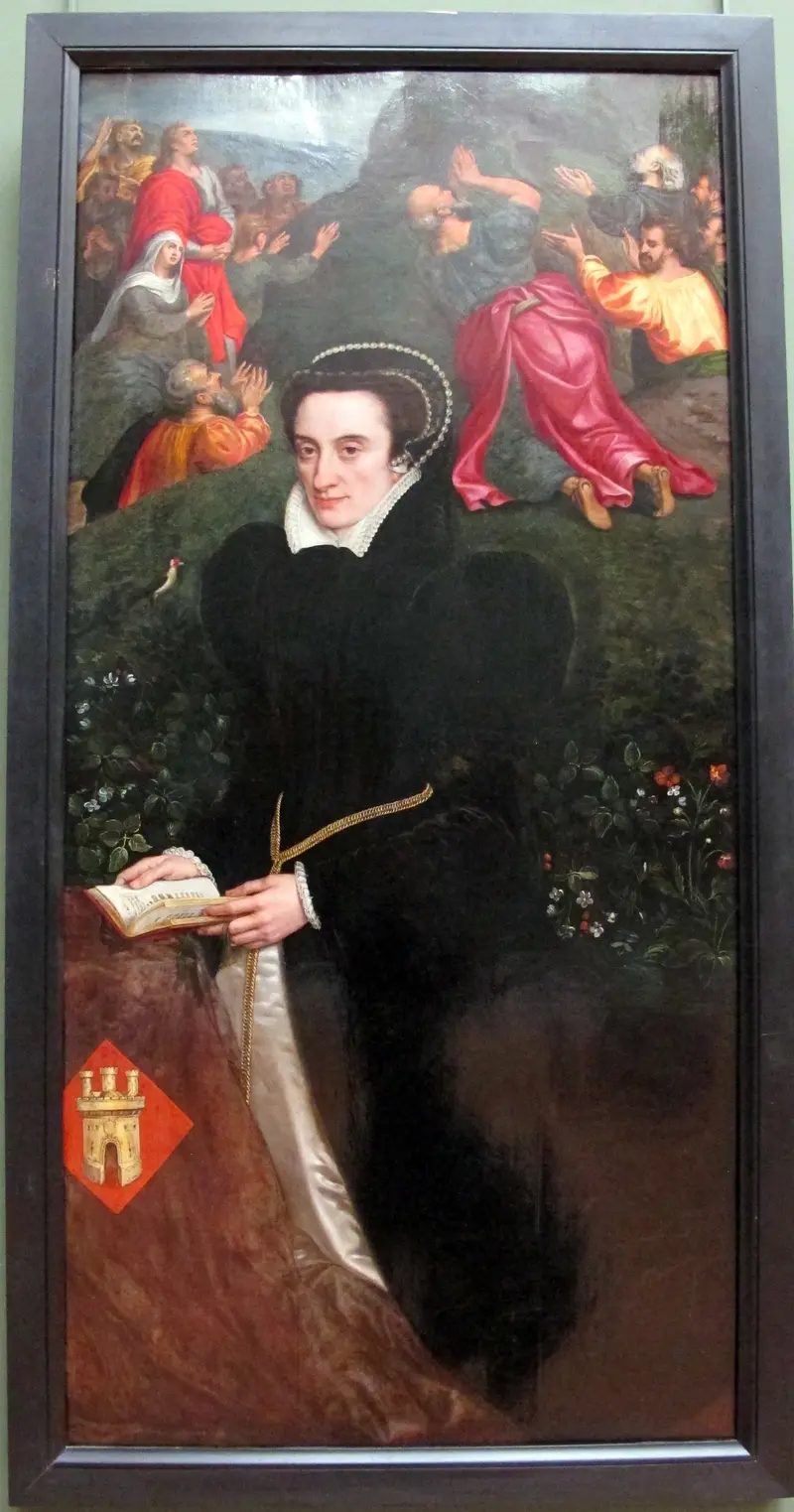
Leonor Lopez de Villanueva, Wife of Antonio del Rio
Adriaen Thomasz. Key
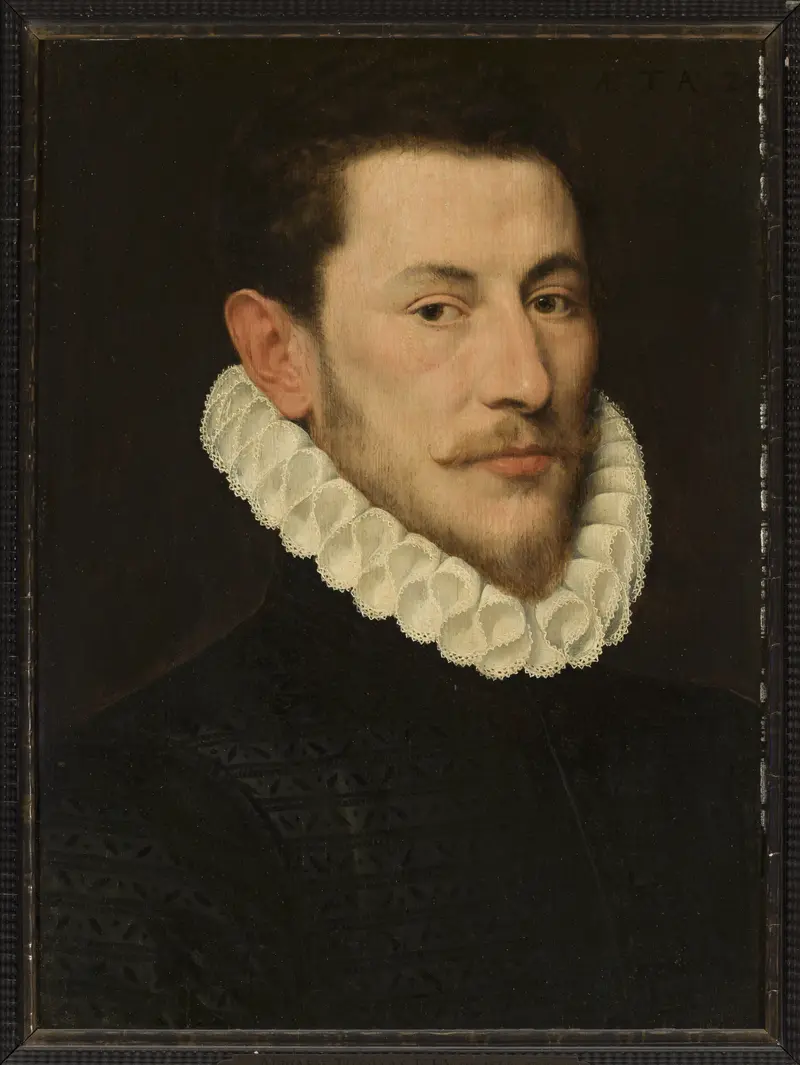
Portrait of a young man
Adriaen Thomasz. Key
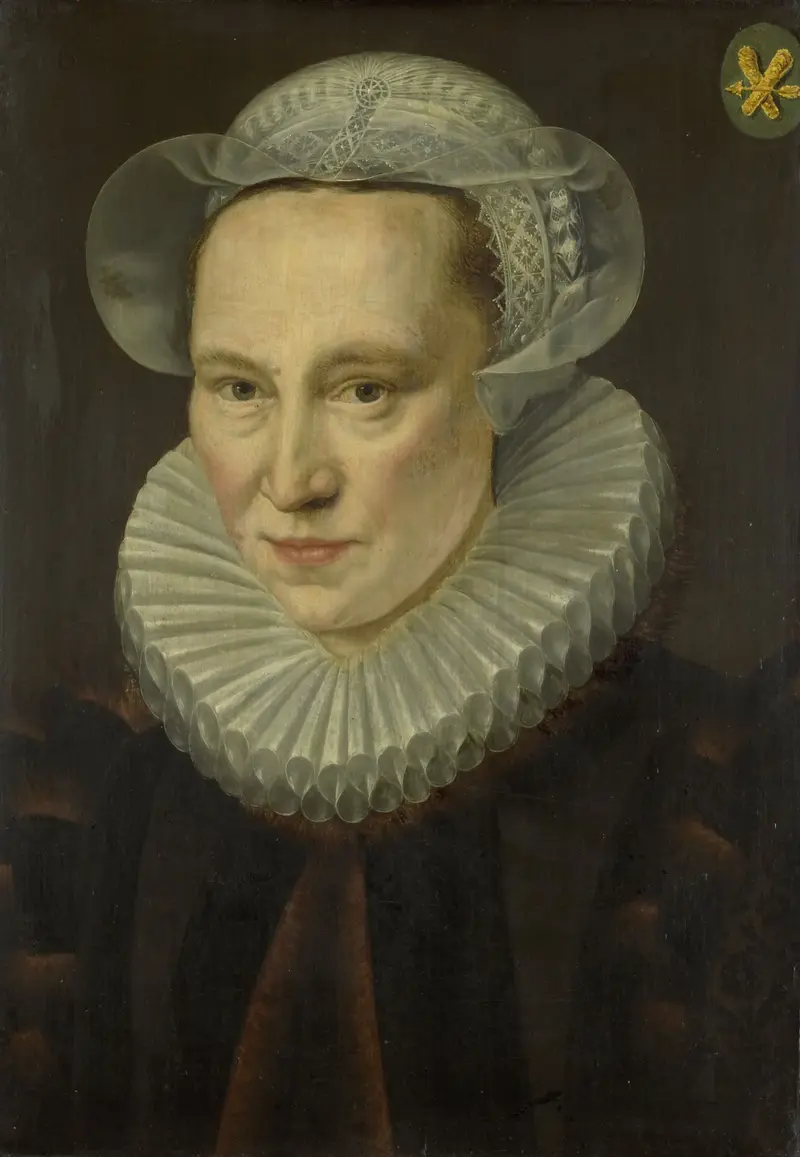
Portrait of Grietje Pietersdr Codde (d. 1607), wife of Jacob Bas
Adriaen Thomasz. Key
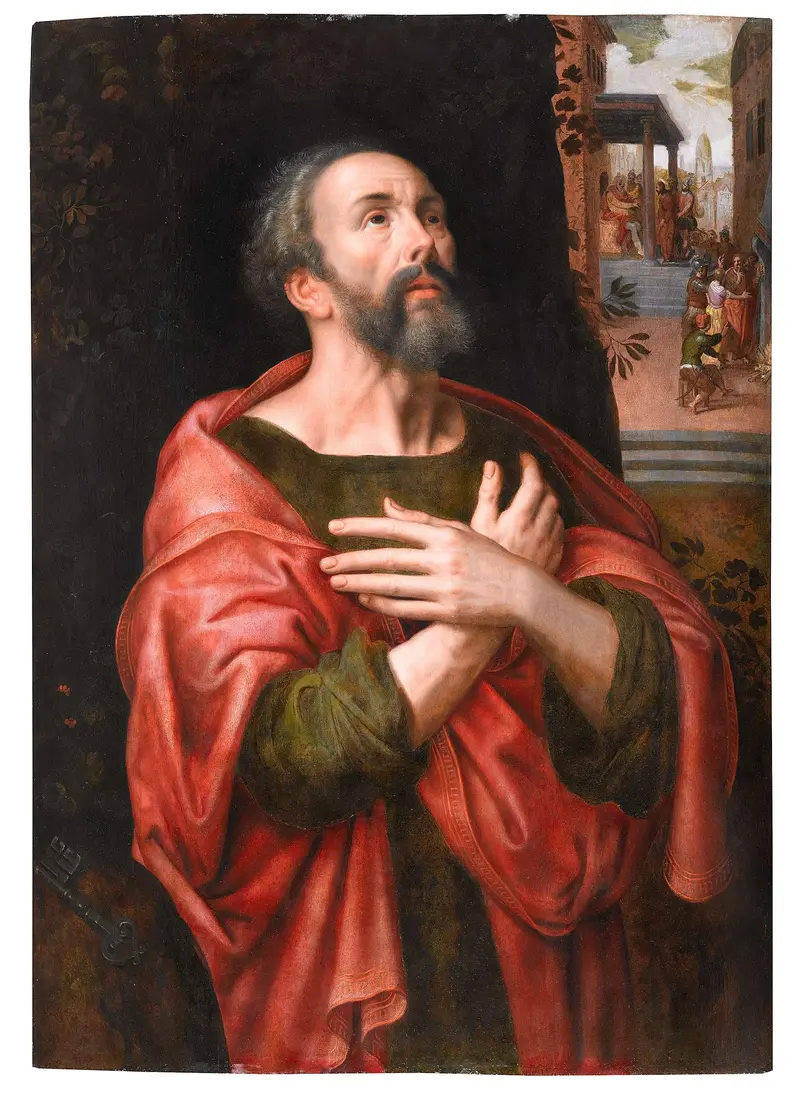
St. Peter Penitent
Adriaen Thomasz. Key
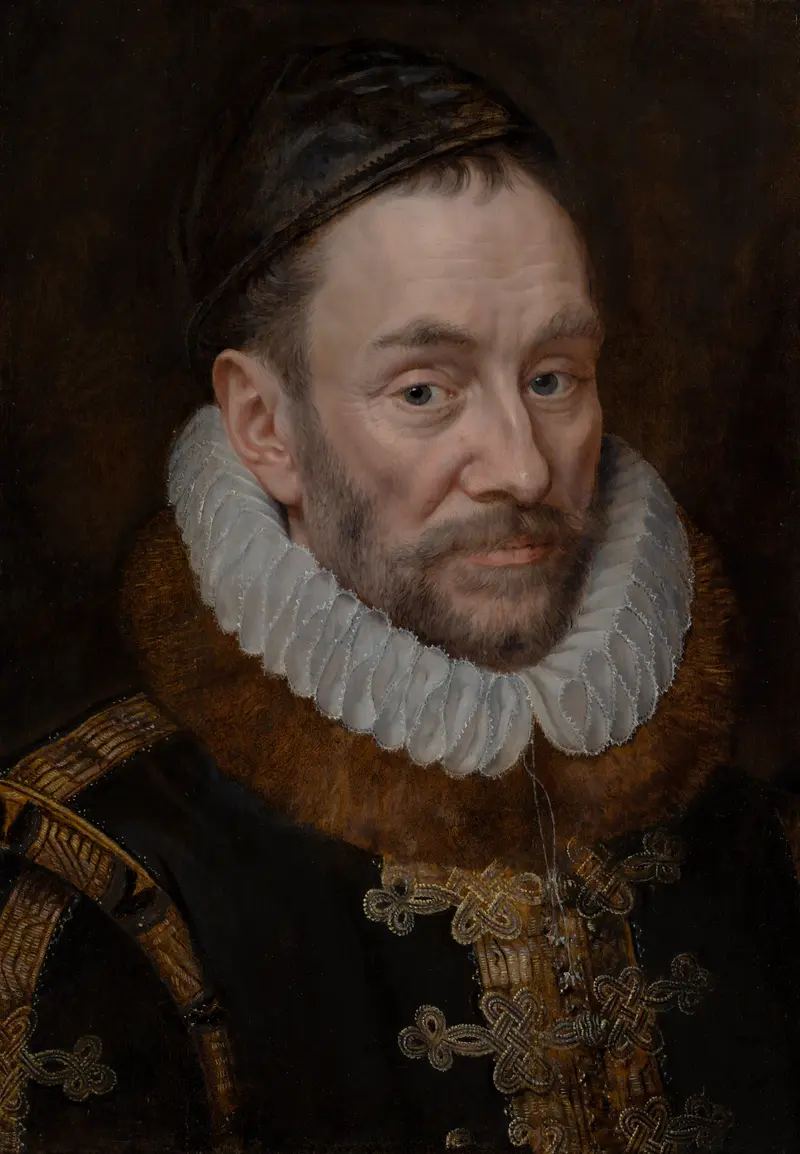
William I, Prince of Orange, known as William the Silent
Adriaen Thomasz. Key
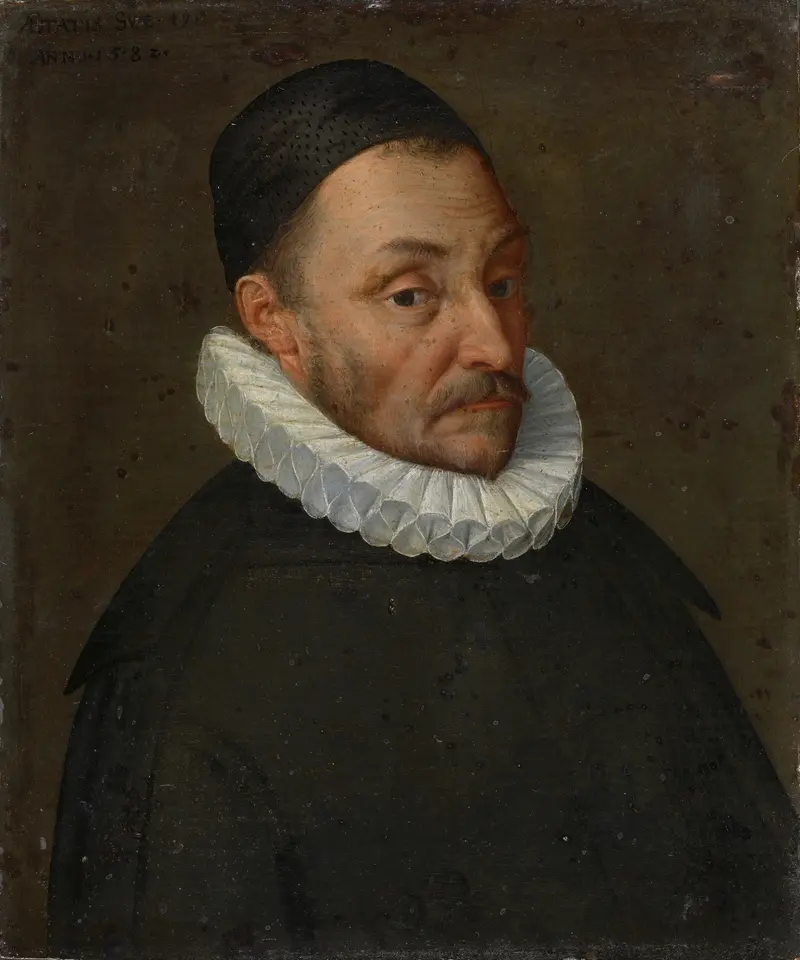
Willem of Orange (1533-1584), leader of the Dutch revolt against Spain
Adriaen Thomasz. Key





