
Portrait of a Young Man, possibly G. Pesaro — History & Facts
No one can say for certain who gazes out from Portrait of a Young Man, possibly G. Pesaro, but the painting has long drawn attention for its air of mystery and the prestige of its possible sitter. The Pesaro family, prominent in Venetian society and patrons of the arts, were frequent subjects for painters of the Venetian Renaissance.
Some scholars have suggested that this young man may be Gianfrancesco Pesaro, a member of the family known for his involvement in the affairs of the Republic. The uncertainty surrounding the sitter’s identity has fueled debate among art historians for generations, making this portrait as much a puzzle as a work of art. The young man’s direct gaze and composed posture suggest both confidence and introspection, a hallmark of Tintoretto’s approach to portraiture. His dark attire, set against a muted background, focuses attention on the face, where the play of light reveals a lively intelligence.
The hand resting on a table or ledge, a common motif in Venetian portraits, hints at status and education, while the absence of overt symbols leaves the sitter’s story open to interpretation. Unlike Titian’s more opulent portraits of Venetian nobility, Tintoretto here opts for restraint, allowing psychological presence to take precedence over material display. The exact date and circumstances of the painting’s commission remain unknown, as do many details of its early history. Works attributed to Tintoretto have often been subject to debate, given his large workshop and the number of imitators he inspired.
Today, Portrait of a Young Man, possibly G. Pesaro stands as a testament to the artist’s skill in capturing character with minimal means, and it continues to intrigue viewers in the museum’s collection. Its uncertain origins only add to its fascination, inviting each generation to look anew and wonder about the life behind the painted face.
More Artworks by Tintoretto
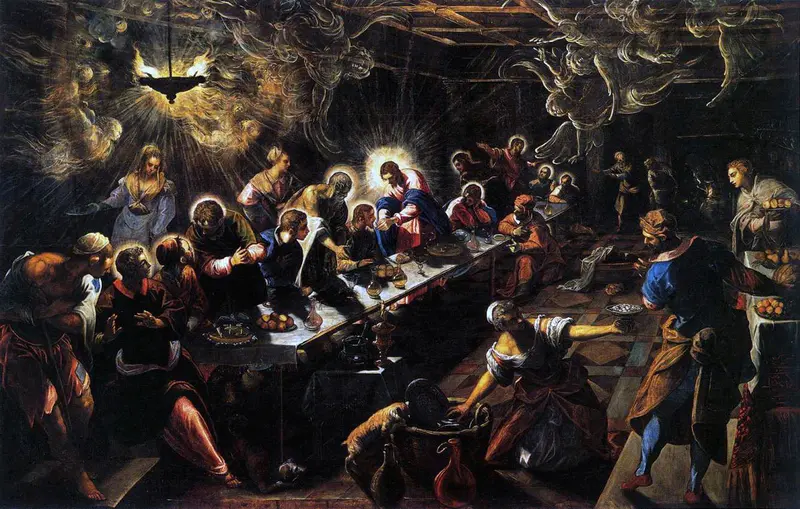
The Last Supper
Tintoretto
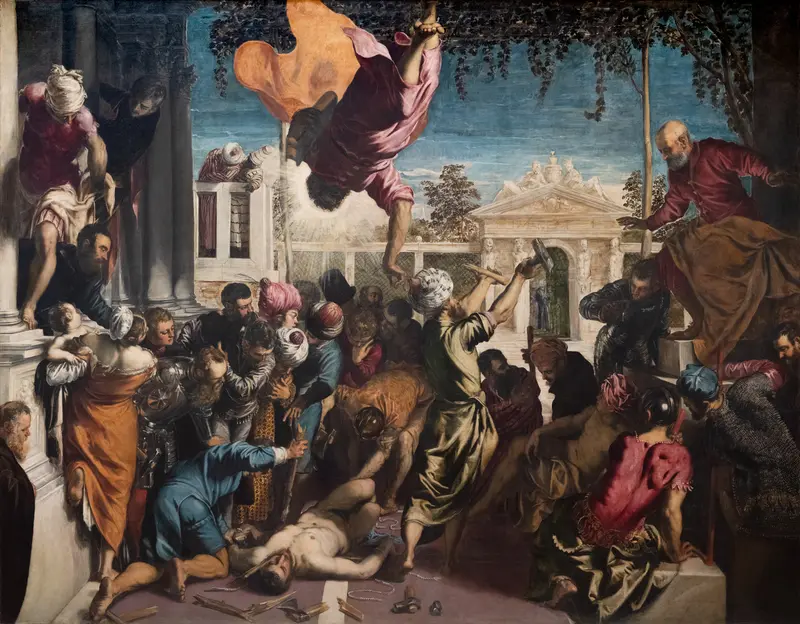
The Miracle of the Slave
Tintoretto
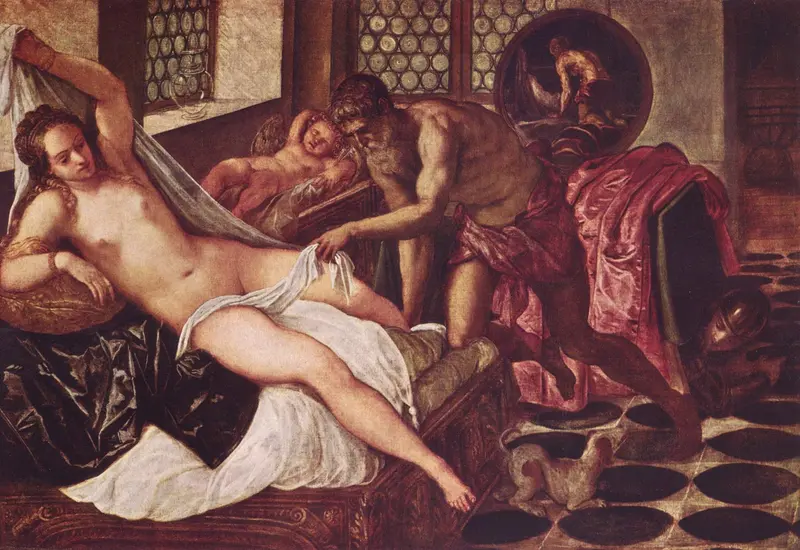
Venus and Mars Surprised by Vulcan
Tintoretto

Adoration of the Shepherds
Tintoretto
Adoration of the Magi
Tintoretto
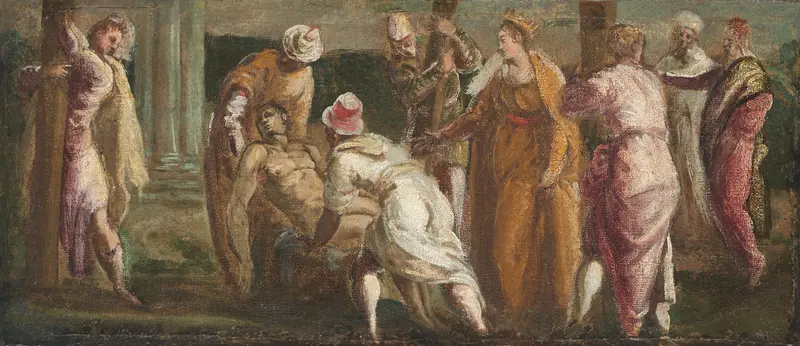
Saint Helen Testing the True Cross
Tintoretto
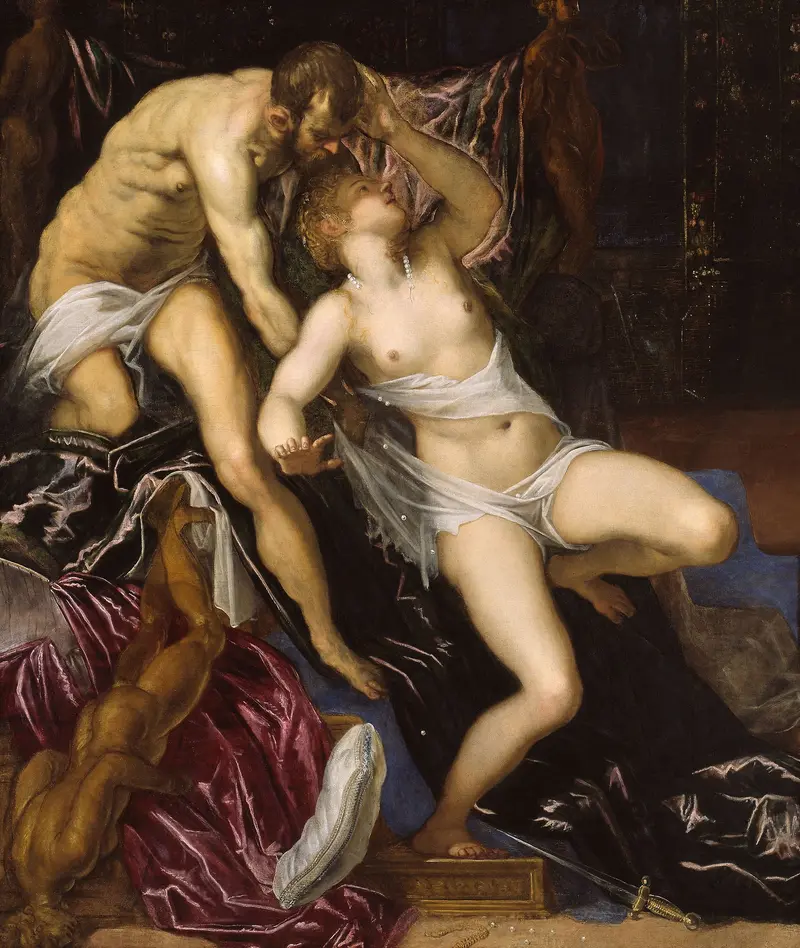
Tarquin and Lucretia
Tintoretto
Two Male Figures in Motion (verso)
Tintoretto
A Female Nude [verso]
Tintoretto
Veduta Kopra
Tintoretto





