
Portrait of a young man — History & Facts
In Portrait of a Young Man, Sandro Botticelli presents a young man with delicate features and a contemplative expression. The color palette is soft, dominated by warm tones of flesh and muted backgrounds. The young man is dressed in rich fabrics, suggesting a sense of status and refinement.
His gaze is directed slightly off to the side, inviting viewers to ponder his thoughts. The painting is executed in oil on panel, a common medium during the Renaissance that allows for rich color and detail. Botticelli's technique showcases smooth brushwork and an attention to the play of light on the subject's face. The dimensions of the artwork are approximately 50 x 70 cm, making it an intimate piece.
The composition is balanced, with the figure placed centrally against a subtle background. Sandro Botticelli was a prominent figure of the Italian Renaissance, known for his graceful figures and flowing lines. This portrait is believed to have been created in the 1480s, a time when Botticelli was gaining recognition for his unique style. An interesting fact about this work is that it reflects the humanist ideals of the period, emphasizing individual beauty and character.
The identity of the young man remains a subject of speculation, adding a layer of mystery to the painting.
More Artworks by Sandro Botticelli
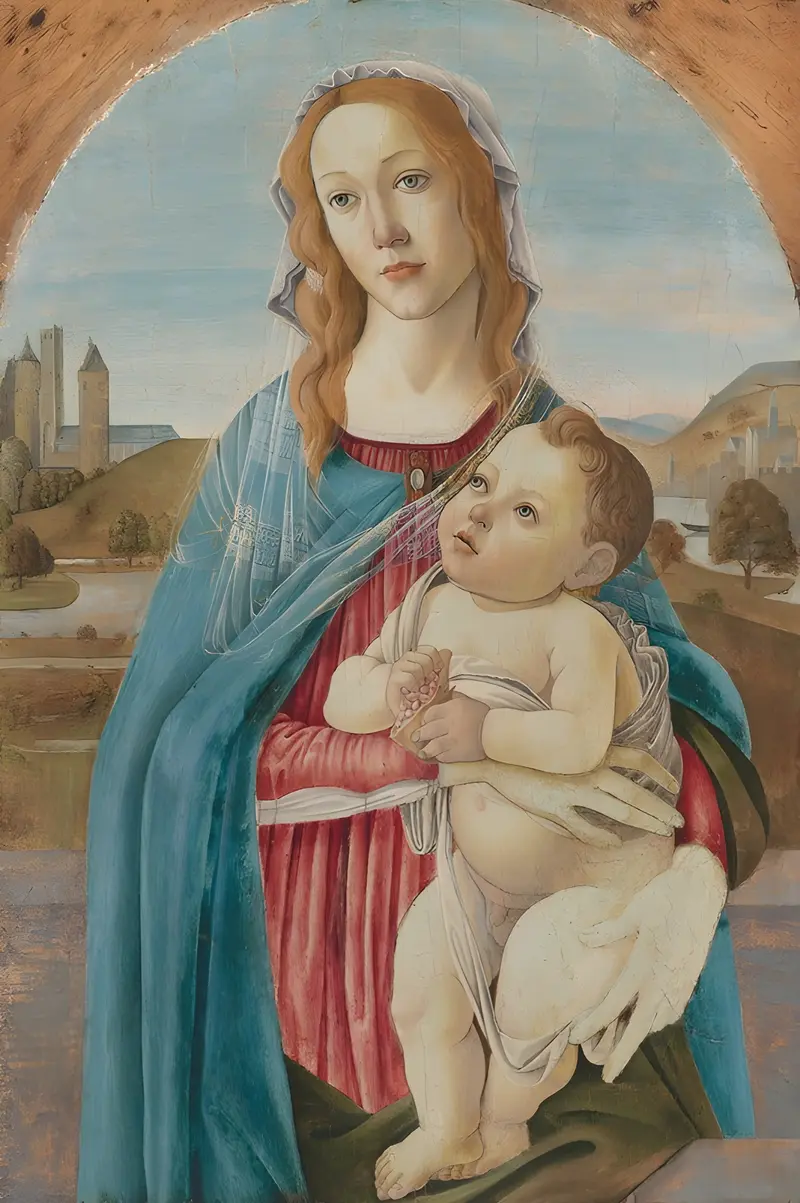
Virgin and Child
Sandro Botticelli
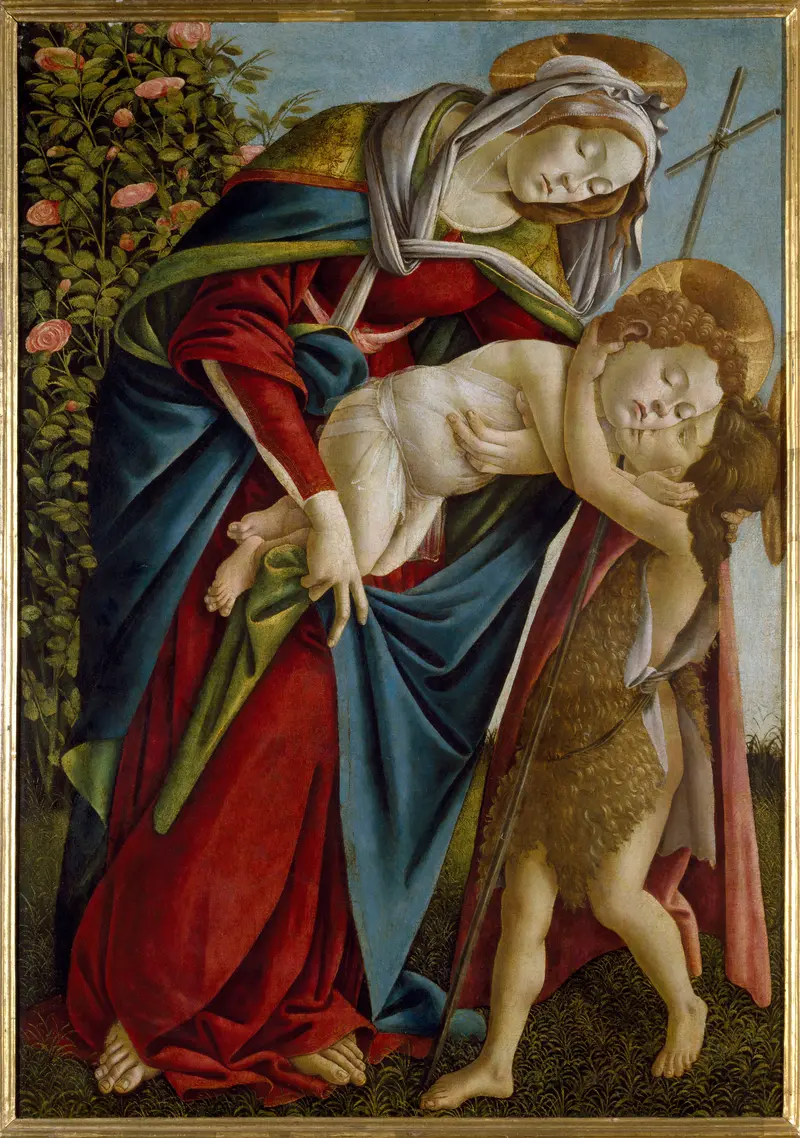
Madonna and Child and the Young St John the Baptist
Sandro Botticelli
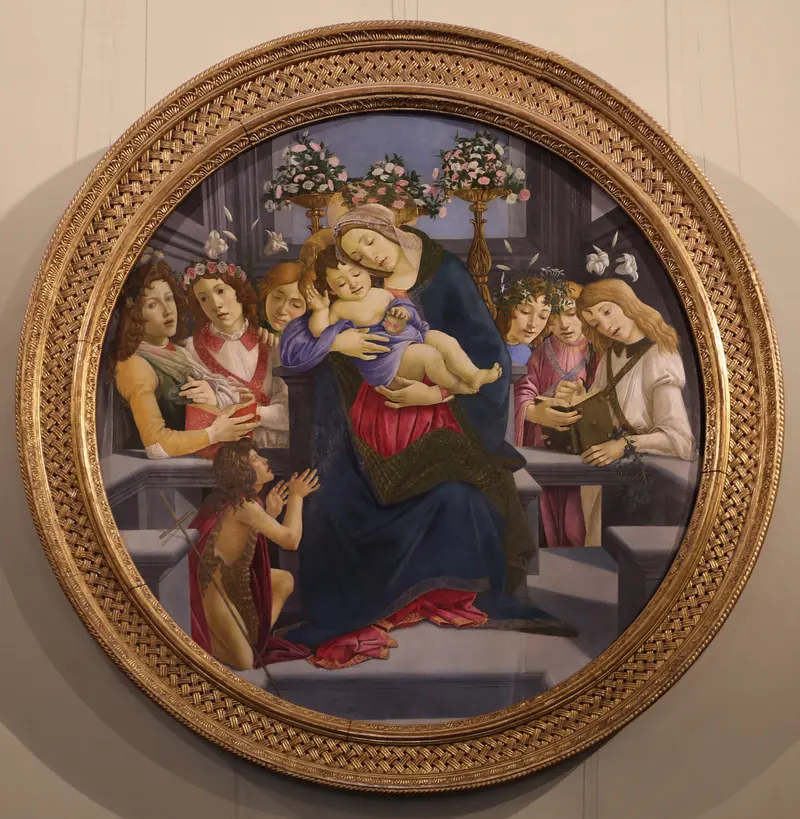
Madonna and Child with six angels and Saint John the Baptist as Child
Sandro Botticelli
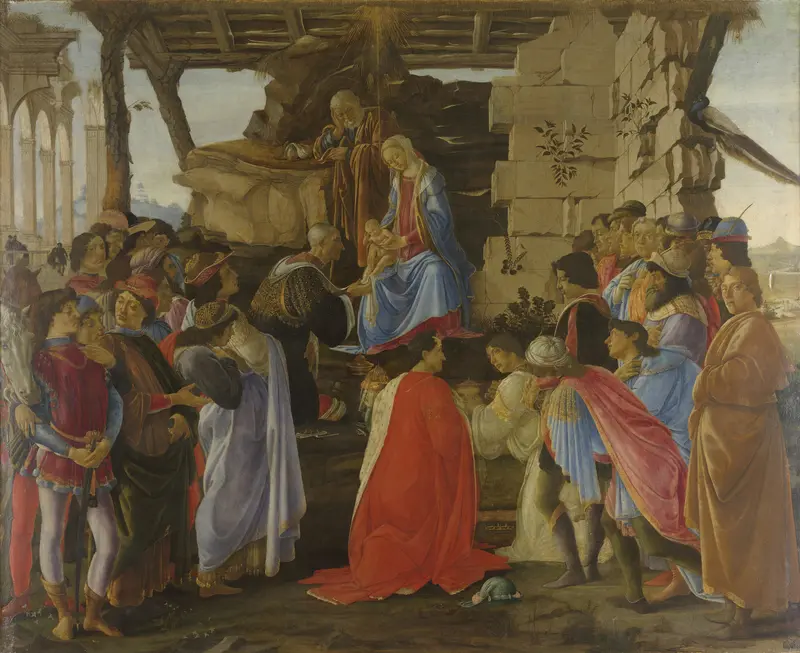
Adoration of the Magi
Sandro Botticelli

Virgin and Child with the Young Saint John the Baptist
Sandro Botticelli
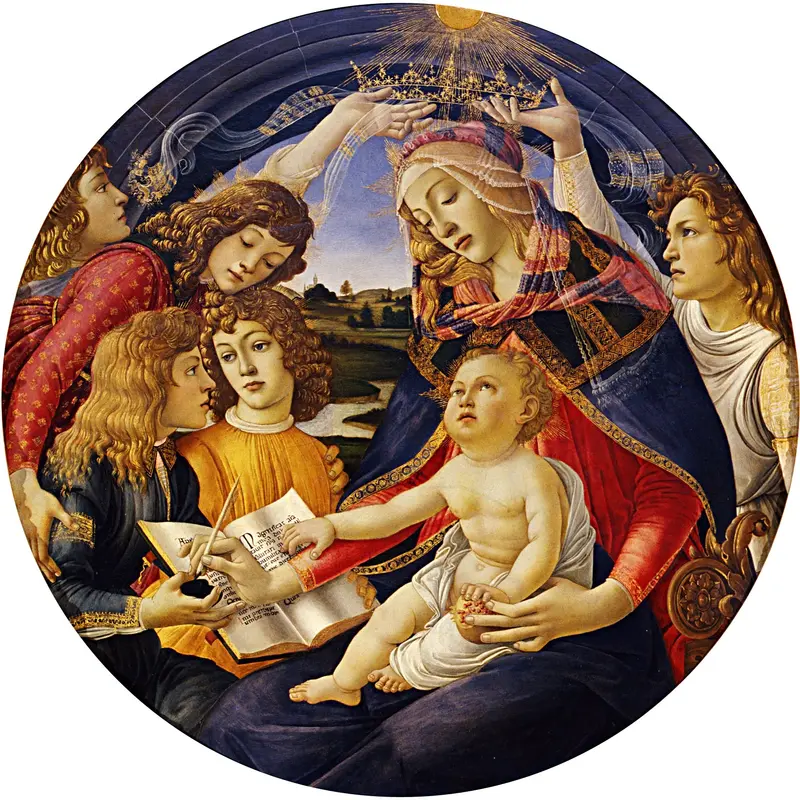
Madonna of the Magnificat
Sandro Botticelli
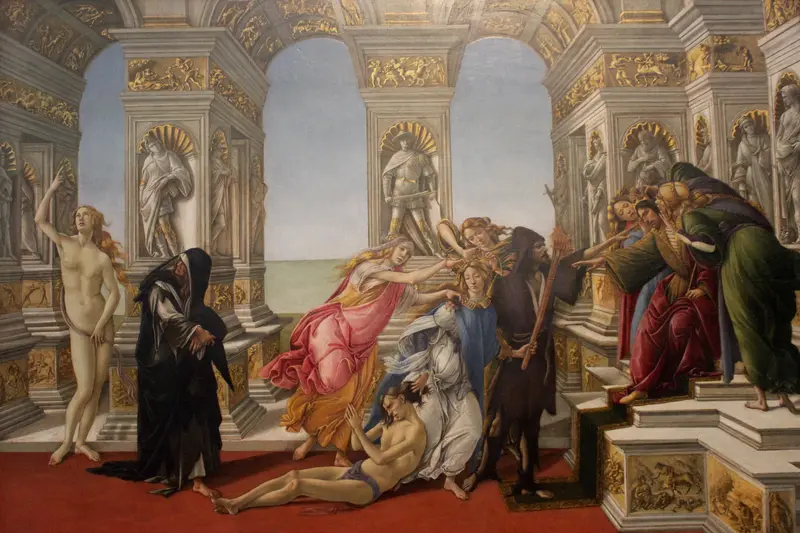
Calumny of Apelles
Sandro Botticelli
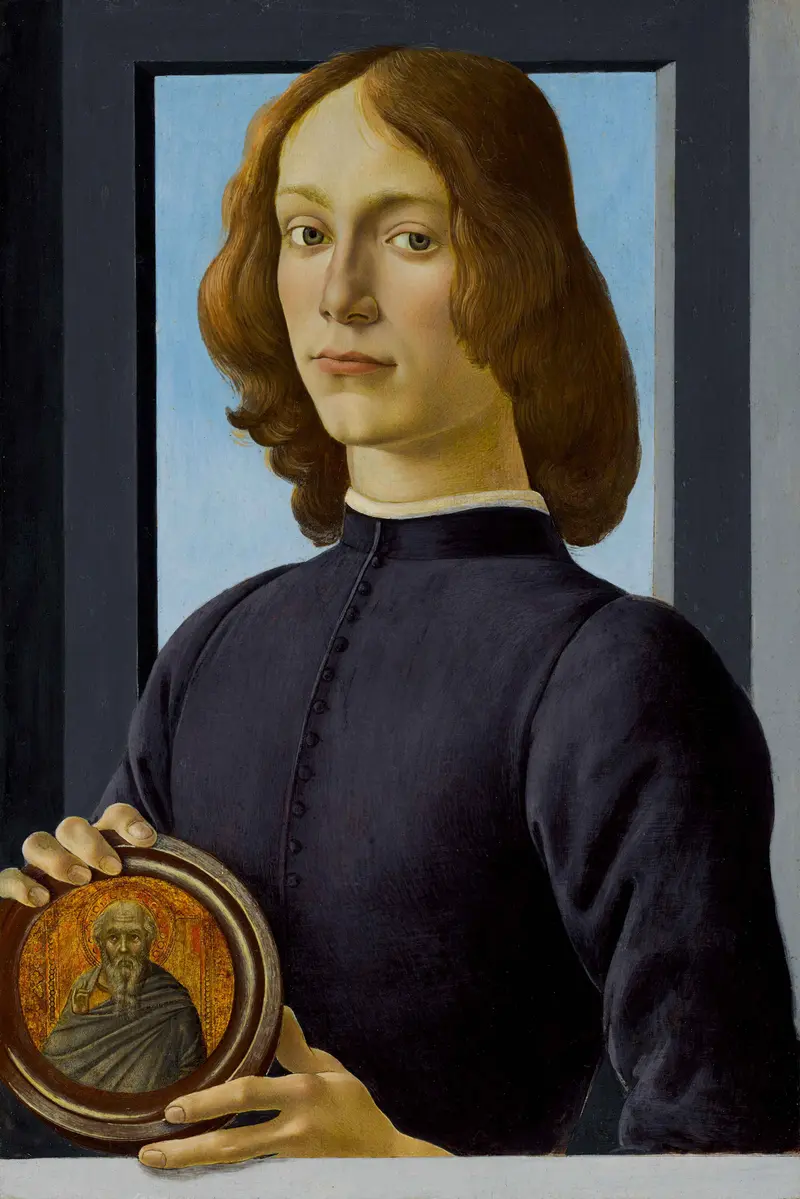
Portrait of a young man holding a roundel
Sandro Botticelli

The Trinity with Saint Mary Magdalene and Saint John the Baptist, the Archangel Raphael and Tobias
Sandro Botticelli
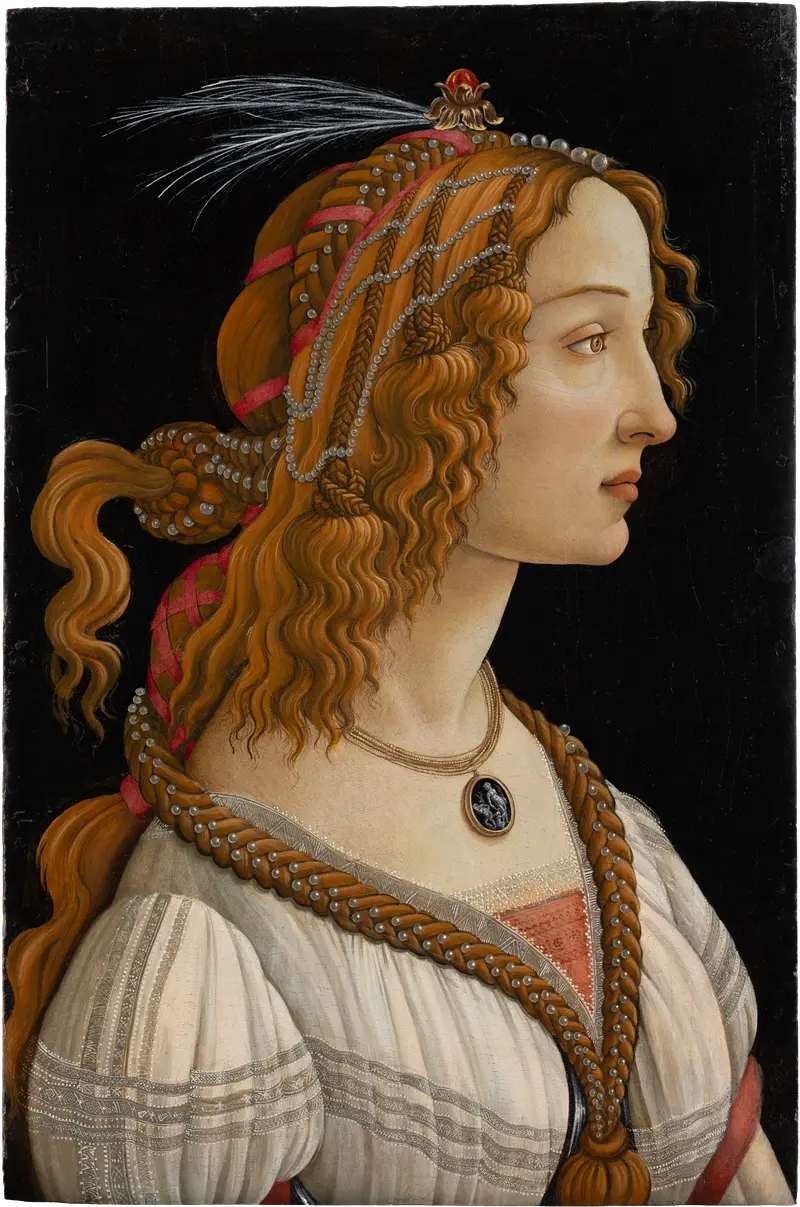
Idealized Portrait of a Lady (Portrait of Simonetta Vespucci as Nymph)
Sandro Botticelli





