
Portrait of a young man with a skull — History & Facts
No one knows for certain who the young man is, but Portrait of a young man with a skull by Frans Hals has long fascinated viewers with its ambiguous subject and air of theatricality. For centuries, scholars have debated whether this painting is a true portrait or a "tronie"—a study of a character or type rather than a specific individual. The presence of the skull, a classic symbol of mortality, has led some to speculate that the work is a vanitas—a reminder of the fleeting nature of youth and beauty.
Others suggest it may depict Hamlet, the melancholy prince, holding Yorick’s skull, though there is no direct evidence for this. The painting’s uncertain identity only adds to its enduring allure. The young man, dressed in dark, fashionable attire, turns toward us with a lively, almost mischievous glance, his hand presenting a skull as if in mid-conversation. The light falls strongly on his face and the pale bone, drawing our attention to the contrast between the vitality of youth and the inevitability of death.
Hals’s quick, fluid brushwork animates the sitter’s features and the folds of his costume, capturing a fleeting moment rather than a static pose. The skull, cradled with casual familiarity, is a memento mori—a gentle admonition to remember life’s brevity. Unlike the somber, introspective vanitas paintings of Pieter Claesz, Hals’s treatment is energetic and immediate, inviting the viewer into the drama rather than holding them at a distance. The early provenance of Portrait of a young man with a skull remains unclear, as is often the case with Frans Hals’s smaller, character-driven works.
It likely originated in Haarlem, where Hals spent most of his career, and may have been intended for a private collector interested in moralizing themes or theatrical subjects. Over the centuries, the painting has appeared in several European collections, sometimes misattributed or described simply as "A Young Man with a Skull." Today, it is recognized as an important example of Hals’s innovative approach to portraiture and genre, bridging the gap between lifelike representation and symbolic meaning. Its uncertain origins and shifting interpretations continue to spark debate among art historians and visitors alike.
More Artworks by Frans Hals

Banquet of the Officers of the St George Civic Guard
Frans Hals

Portrait of Jacob Pietersz Olycan (1596-1638)
Frans Hals
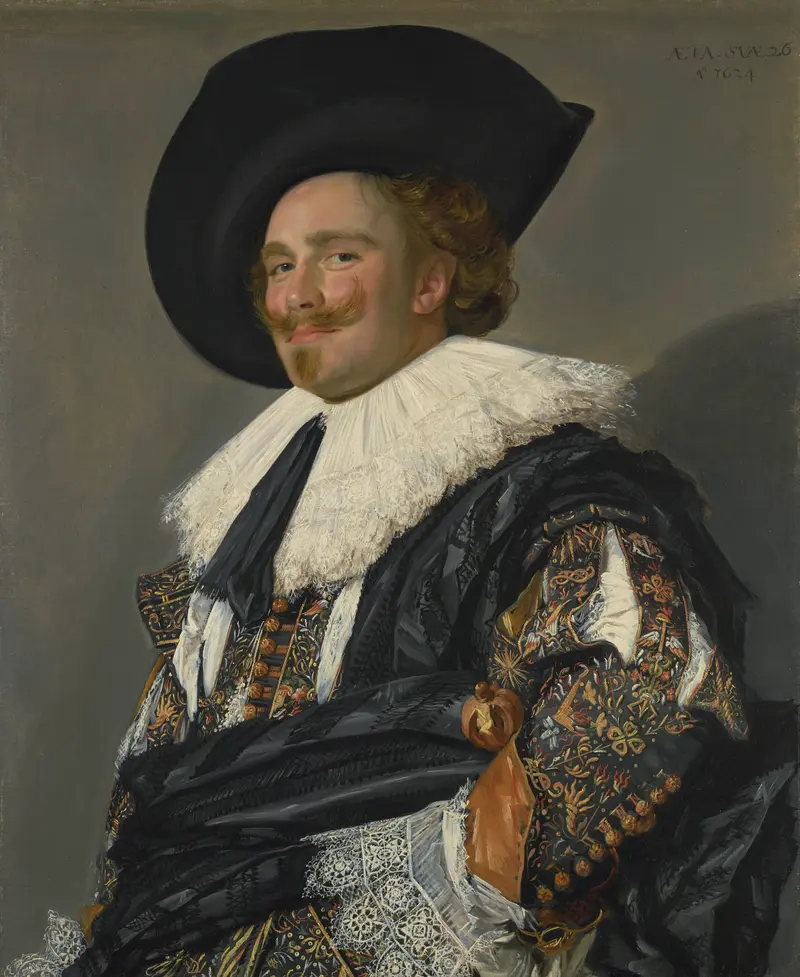
Laughing Cavalier
Frans Hals

Militia Company of District XI under the Command of Captain Reynier Reael, Known as ‘The Meagre Company’
Frans Hals
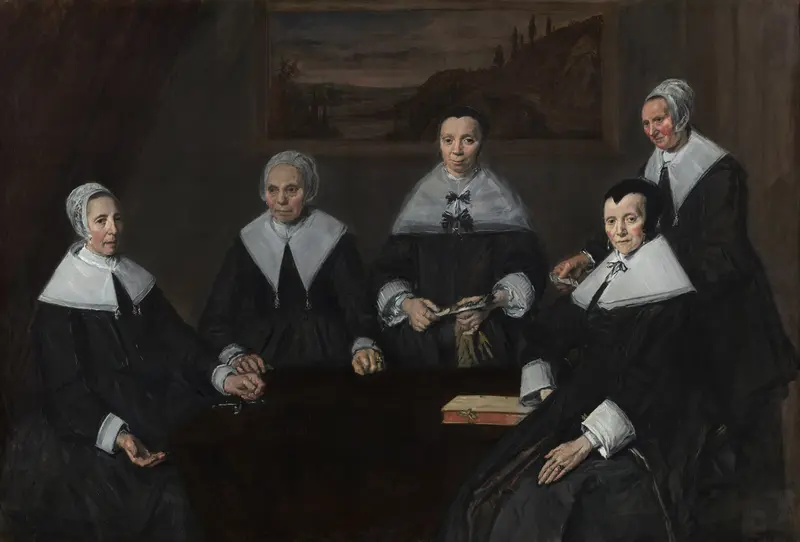
Regentesses of the Old Men's Alms House
Frans Hals
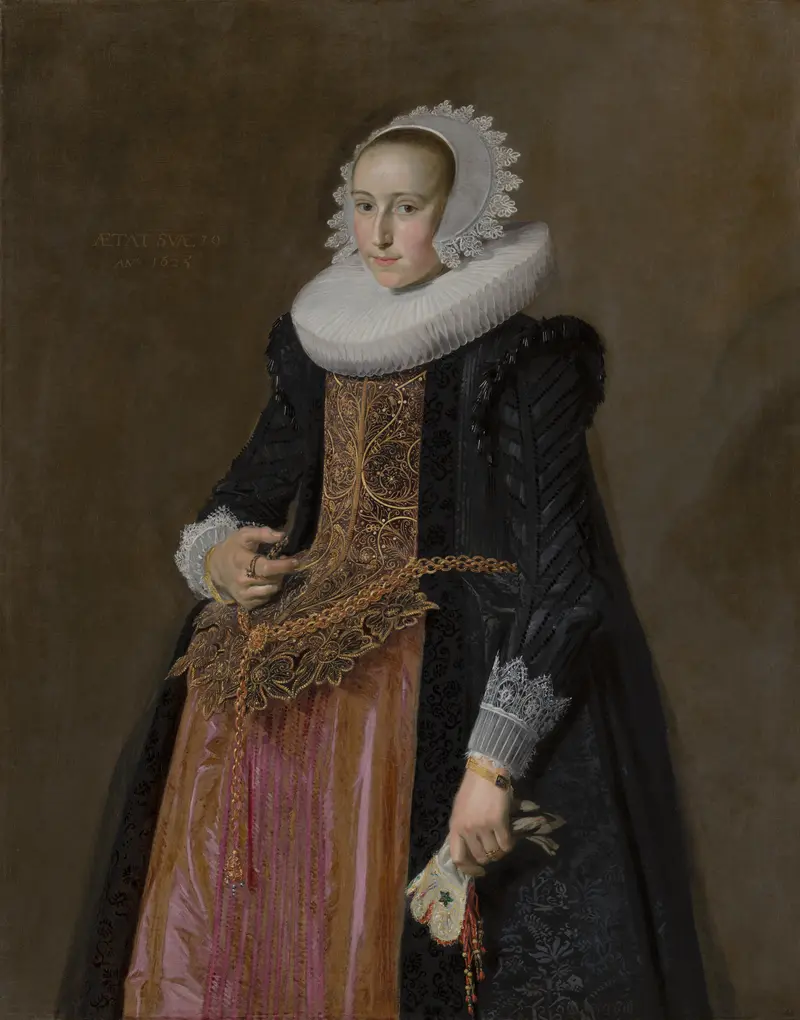
Portrait of Aletta Hanemans (1606–1653)
Frans Hals
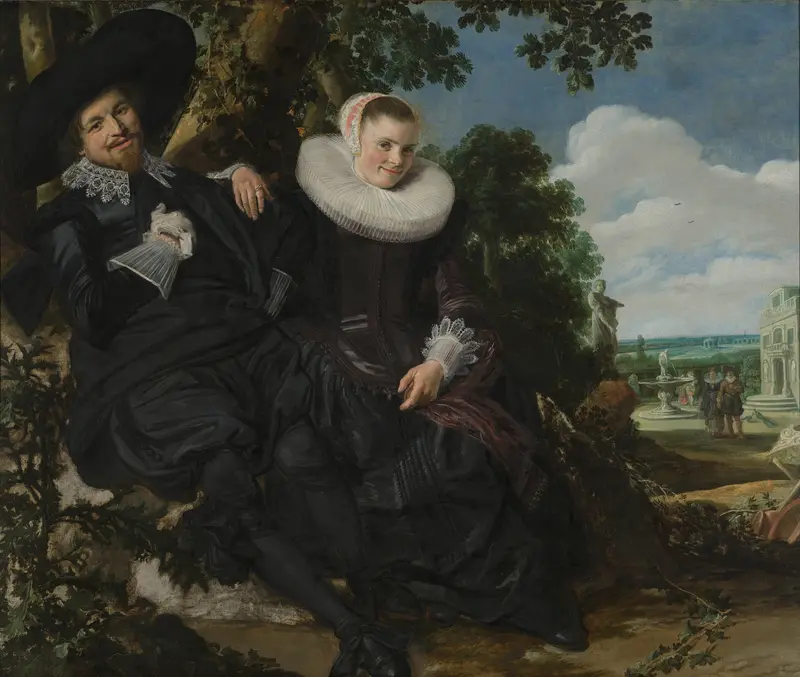
Portrait of a Married Couple, Likely Isaac Abrahamsz Massa and Beatrix van der Laen
Frans Hals
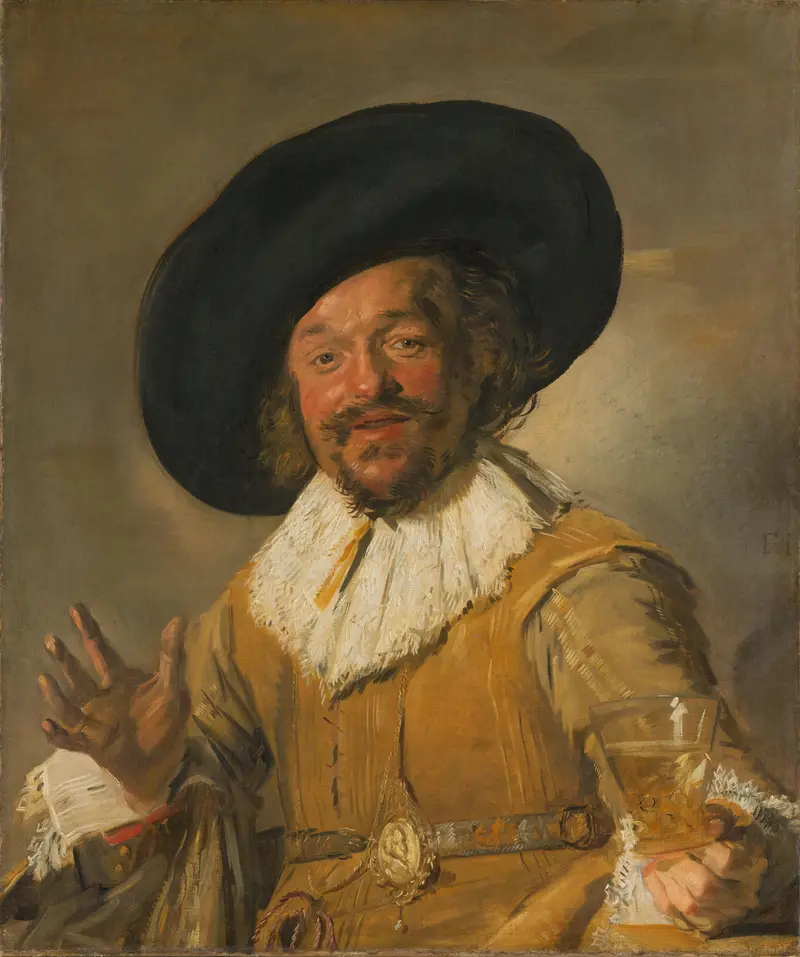
The Merry Drinker
Frans Hals
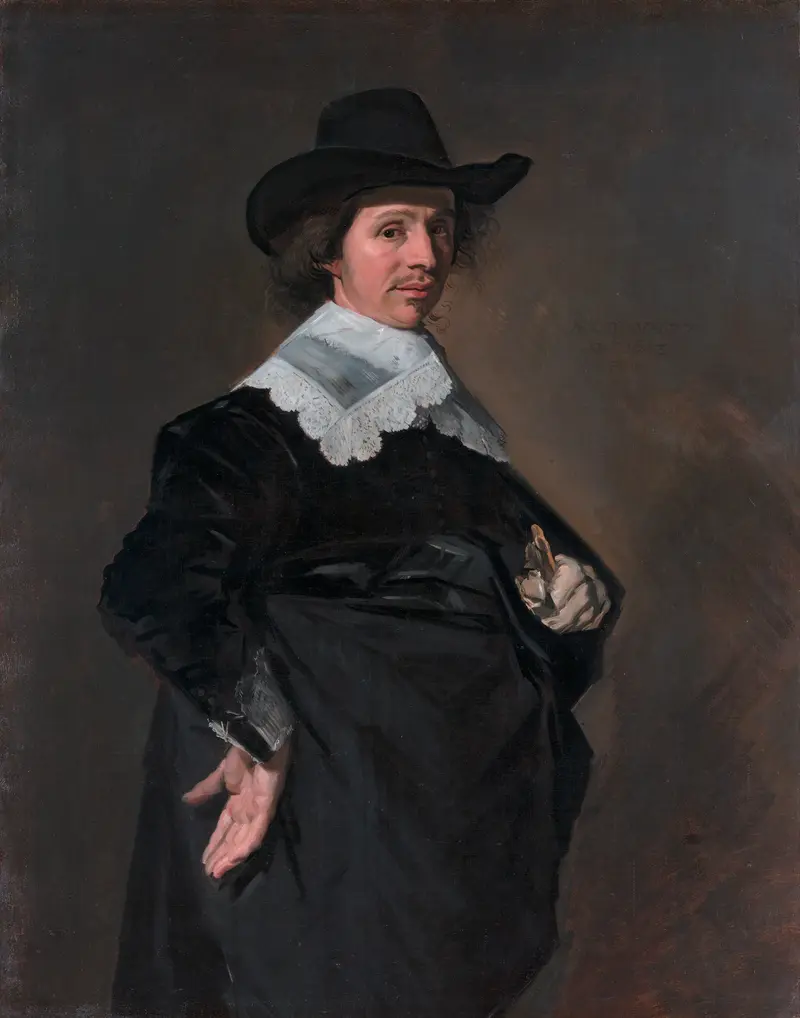
Portrait of Paulus Verschuur
Frans Hals
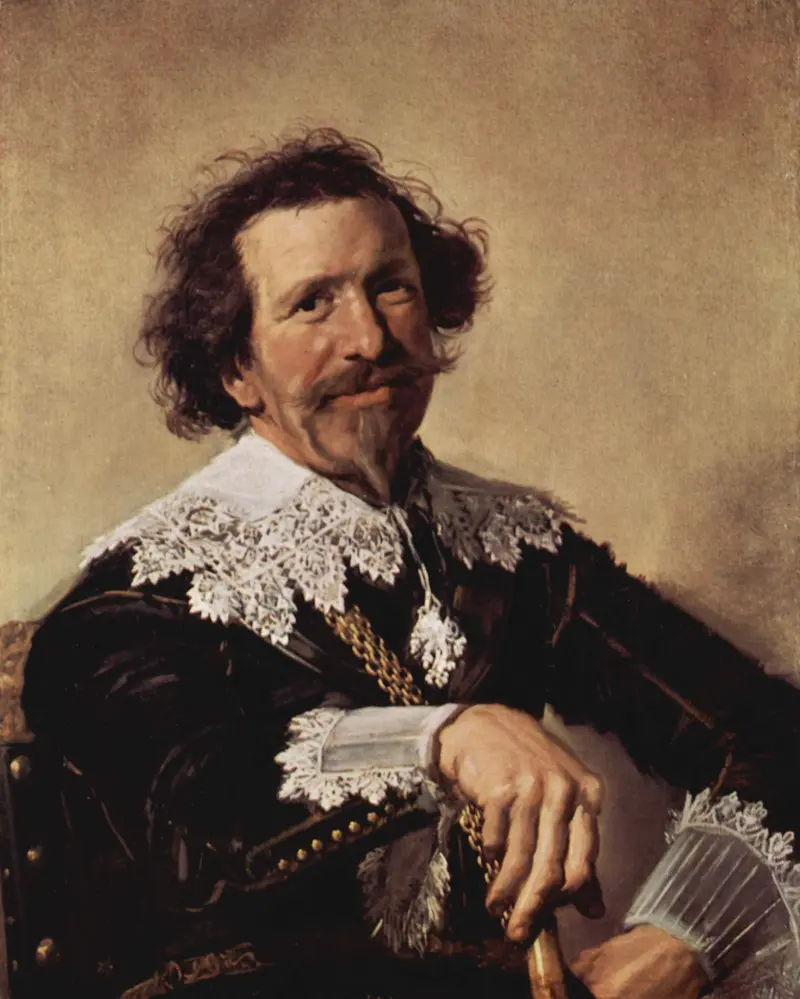
Portrait of Pieter van den Broecke
Frans Hals





