
Portrait of a Young Man with gloves — History & Facts
No one knows the name of the young man who sat for Portrait of a Young Man with gloves, but for centuries viewers have been drawn to his direct gaze and the sense of immediacy that pulses through the canvas. This painting is one of the finest examples of Frans Hals’s ability to capture a fleeting moment, and it stands out for the sitter’s informal pose and the palpable energy of his expression—qualities that were rare in Dutch portraiture of the 1630s. Unlike the stiff, formal likenesses favored by many of his contemporaries, Hals painted his subject with remarkable spontaneity.
The work’s freshness has led some to speculate that it was painted quickly, perhaps even in a single sitting. The young man stands at three-quarters length, his gloved hands poised as if just about to slip them on or off—an ambiguous gesture that hints at both readiness and restraint. His dark, fashionable attire is set off by a crisp white collar and cuffs, signaling his status and good taste. The light falls across his face, illuminating his confident, slightly parted lips and the glint in his eyes, while the loose, animated brushwork in his hair and clothing brings him vividly to life.
Where Rembrandt might have chosen to envelop his subjects in shadow and introspection, Hals prefers daylight and immediacy, inviting the viewer to meet the sitter almost as an equal. The gloves themselves were a symbol of gentility and social standing, yet their casual handling here suggests a man comfortable in his own skin. The precise origins of Portrait of a Young Man with gloves remain uncertain, as do the circumstances of its commission. Like many of Hals’s portraits, it likely belonged to the sitter or his family, passing through private hands before entering the public sphere.
Over the centuries, the painting has been variously attributed and at times confused with other works by Hals due to its lively style and the anonymity of the sitter. Today, it is recognized as a key example of Hals’s mature period, when his portraits were most sought after by the prosperous citizens of Haarlem. The painting now hangs in a major museum collection, where it continues to intrigue visitors with its blend of informality and presence.
More Artworks by Frans Hals

Banquet of the Officers of the St George Civic Guard
Frans Hals

Portrait of Jacob Pietersz Olycan (1596-1638)
Frans Hals

Laughing Cavalier
Frans Hals

Militia Company of District XI under the Command of Captain Reynier Reael, Known as ‘The Meagre Company’
Frans Hals

Regentesses of the Old Men's Alms House
Frans Hals
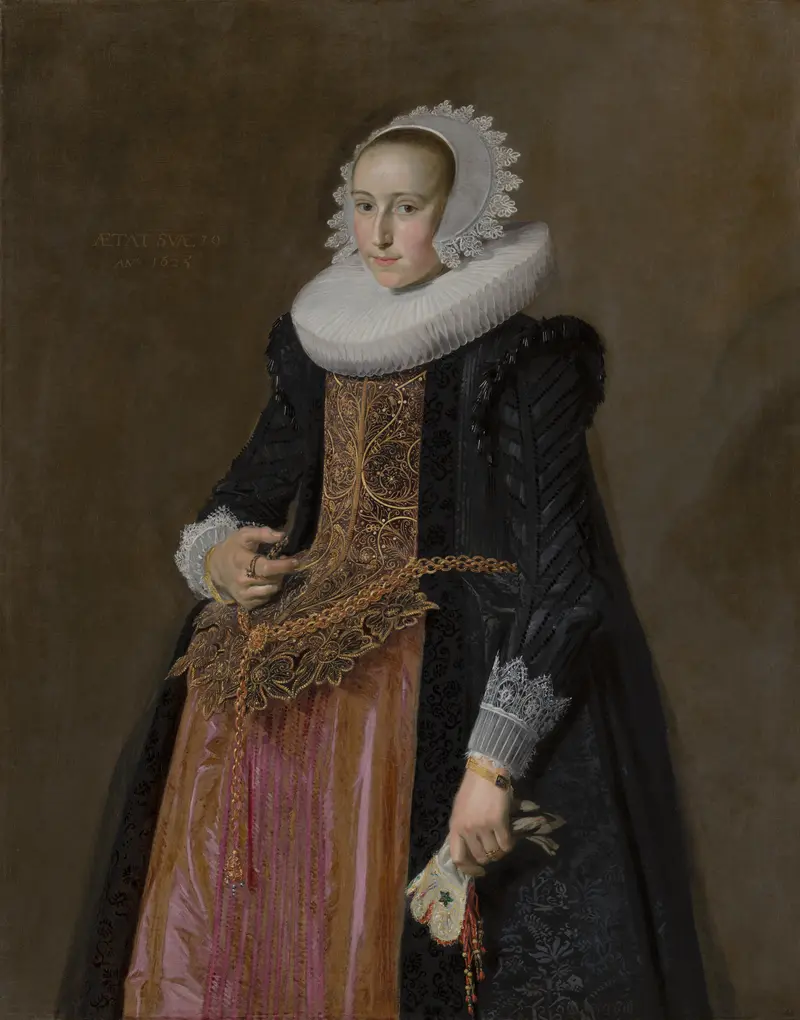
Portrait of Aletta Hanemans (1606–1653)
Frans Hals

Portrait of a Married Couple, Likely Isaac Abrahamsz Massa and Beatrix van der Laen
Frans Hals
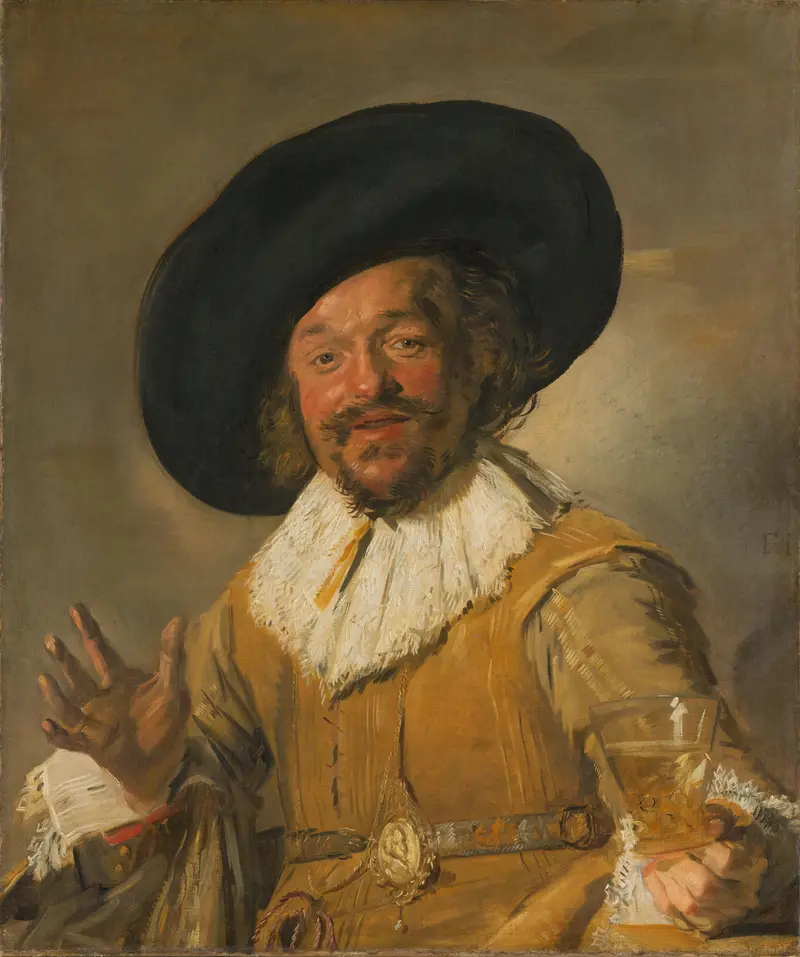
The Merry Drinker
Frans Hals

Portrait of Paulus Verschuur
Frans Hals

Portrait of Pieter van den Broecke
Frans Hals





