
Portrait of a Young Woman — History & Facts
What draws the eye first in Portrait of a Young Woman by Arthur Devis is the directness of her gaze—steady, unflinching, as if she is measuring the viewer as much as she is being observed. Her features are delicately rendered, framed by the soft lace of her cap and the subtle sheen of her silvery gown. The artist has chosen a muted palette, allowing the sitter’s pale skin and the faint flush of her lips to become the focal points against the subdued background.
The light falls gently across her face and bodice, picking out the intricate embroidery and the gold cord at her chest, a detail that hints at both refinement and restraint. Every element in this small, oval portrait seems designed to hold the viewer in a quiet moment of intimacy. Painted in 1748, this work belongs to the world of mid-eighteenth-century Britain, when portrait miniatures and small-scale likenesses were prized tokens of affection, remembrance, or alliance among the gentry. Arthur Devis was known for his ability to capture the understated elegance and social aspirations of his sitters, often young women on the threshold of adulthood or marriage.
Such portraits were not merely records of appearance; they were carefully composed statements about virtue, status, and taste. Now part of the Yale Center for British Art, this portrait survives as a quiet testament to a time when even the smallest image could carry the weight of identity and hope. The longer you look, the more her expression seems to invite your own silent questions.
More Artworks by Arthur Devis
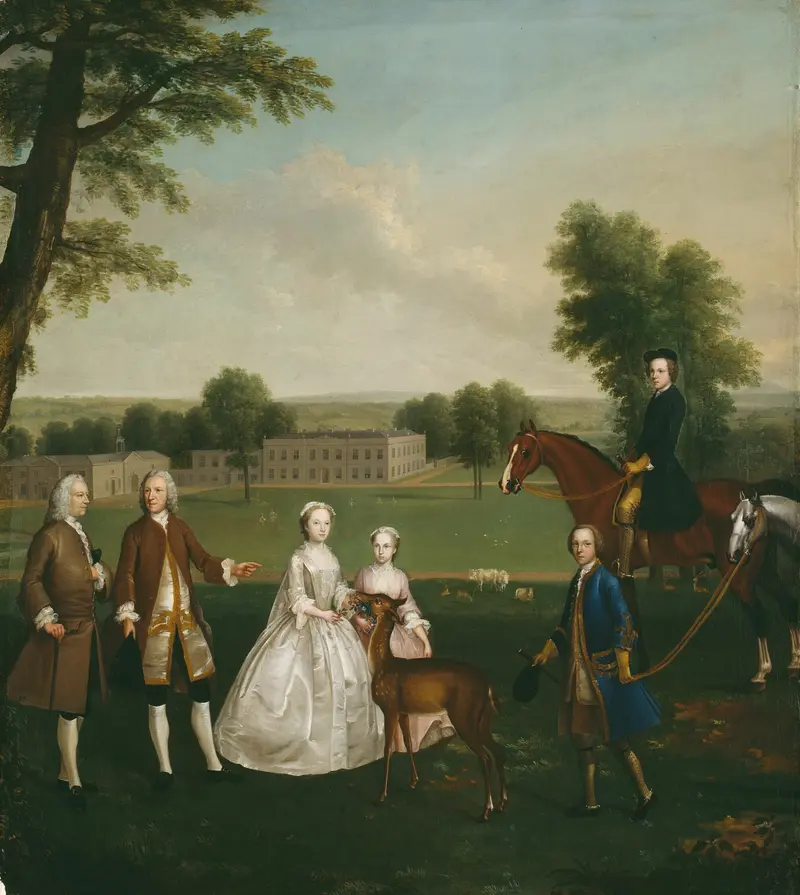
Thomas Lister and Family at Gisburne Park
Arthur Devis

Sir John Shaw and his Family in the Park at Eltham Lodge, Kent
Arthur Devis
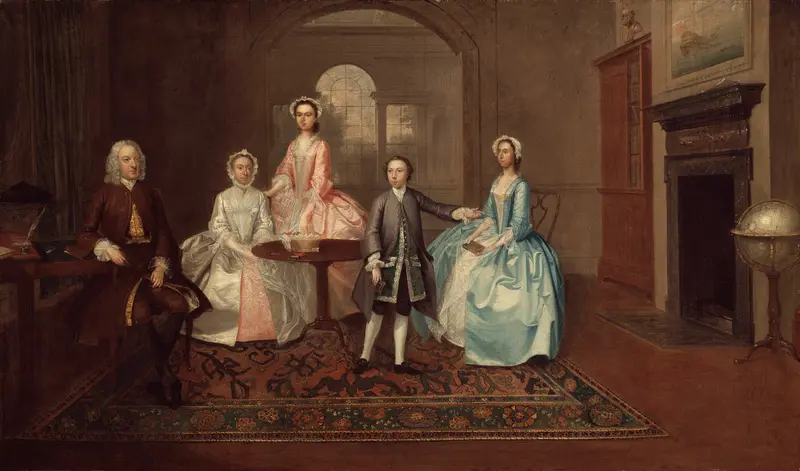
John Thomlinson and His Family
Arthur Devis
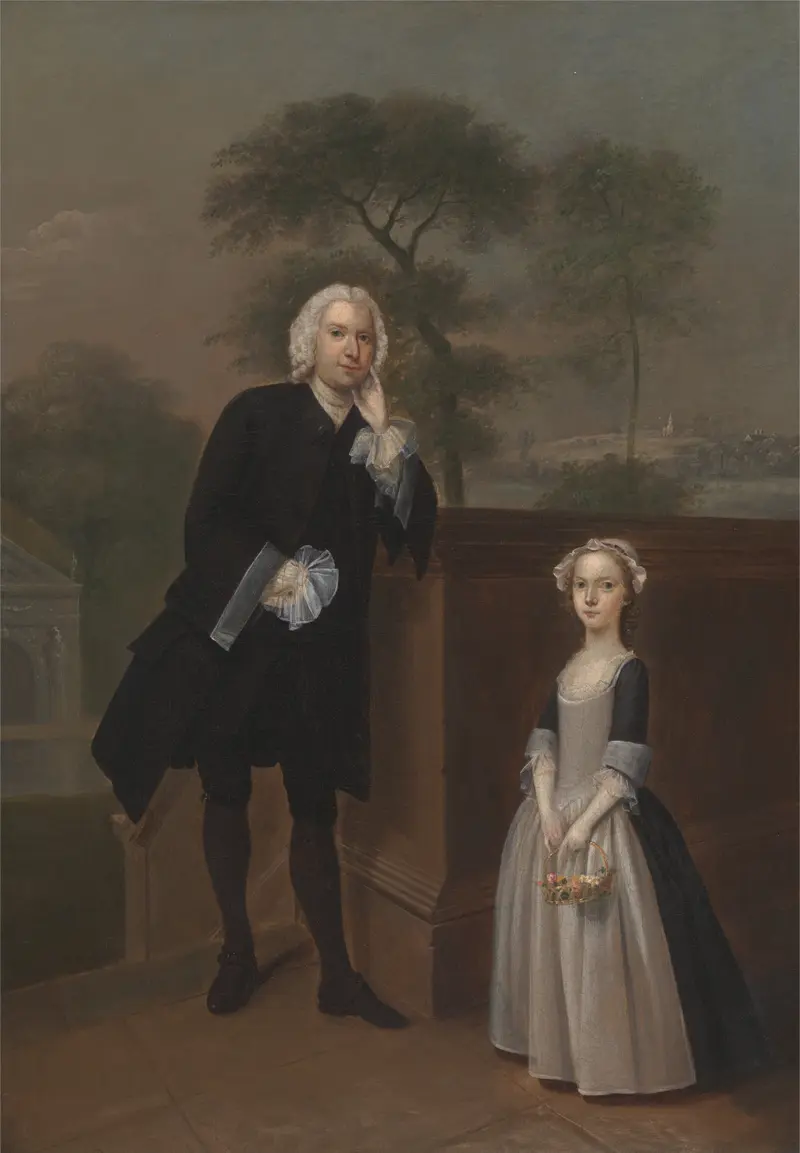
An Unknown Man with His Daughter
Arthur Devis
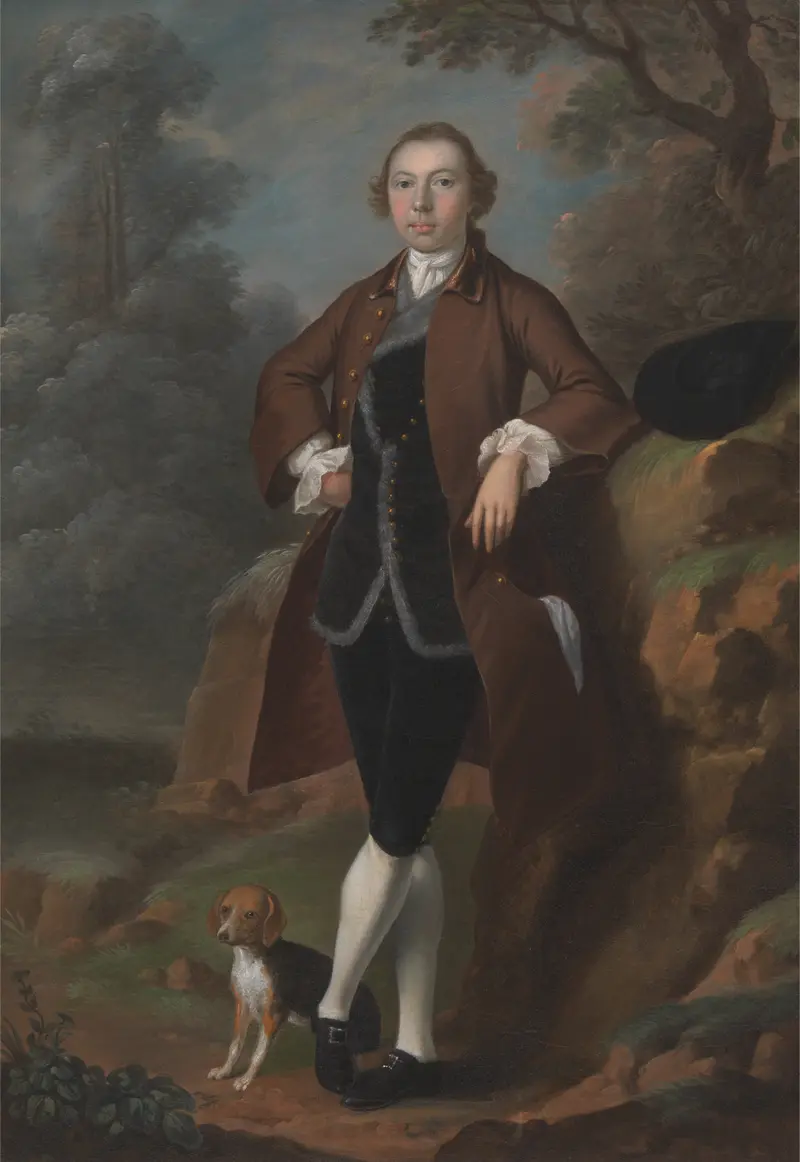
William Farington of Shawe Hall, Lancashire
Arthur Devis
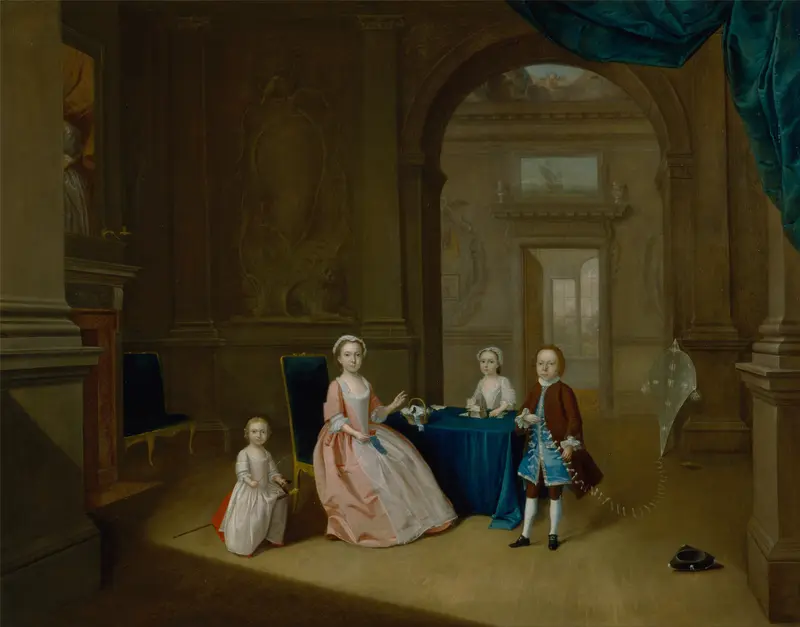
Children in an Interior
Arthur Devis
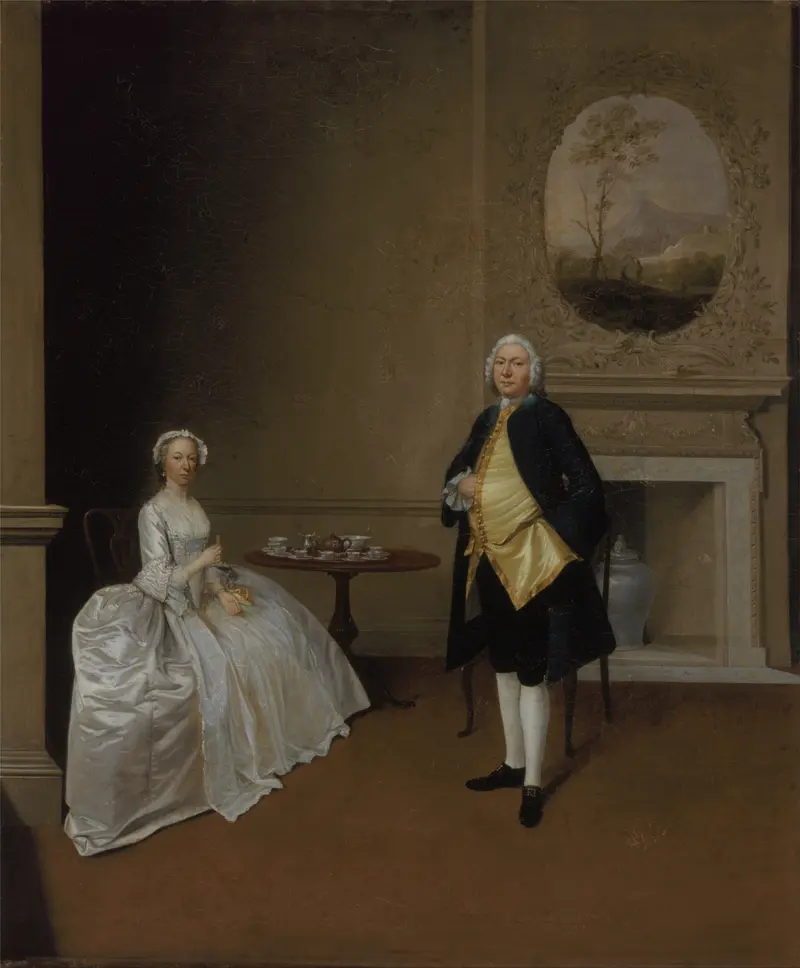
A Couple, Traditionally Identified as Mr. and Mrs. Hill
Arthur Devis
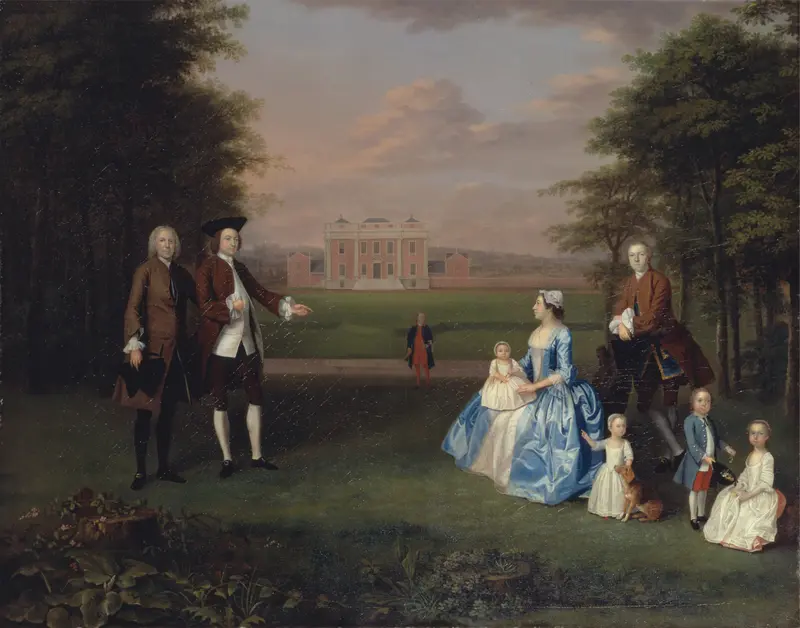
Robert Gwillym, Elizabeth Gwillym (née Atherton), and Their Family
Arthur Devis
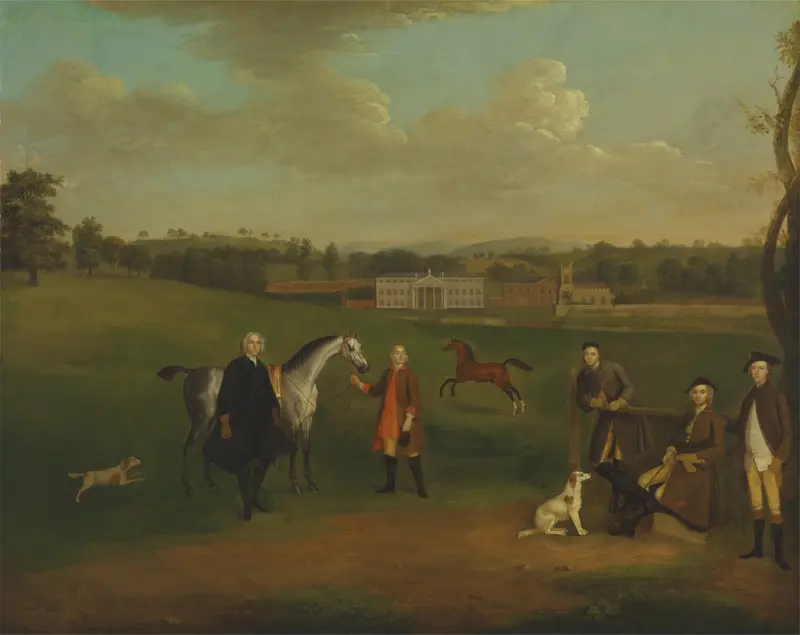
Leak Okeover, Rev. John Allen and Captain Chester at Okeover Hall, Staffordshire
Arthur Devis
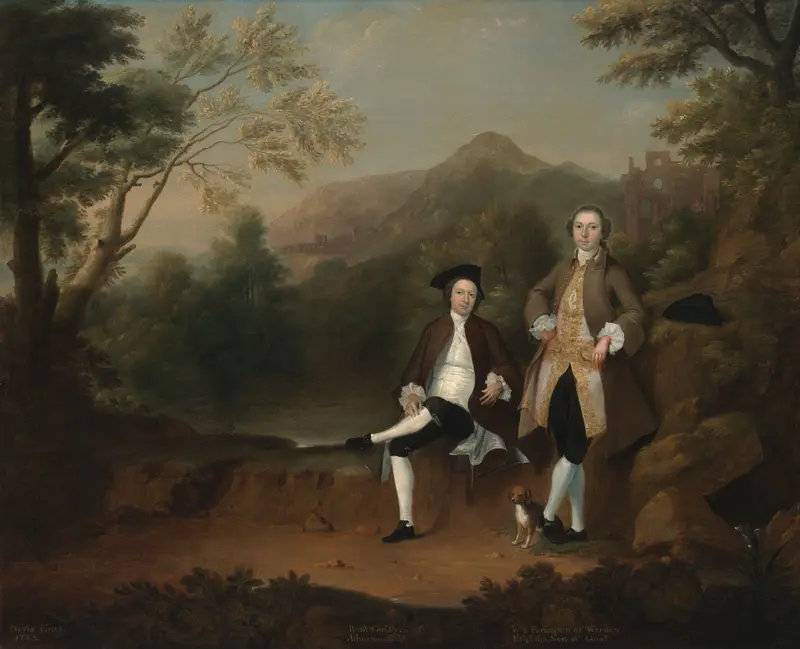
Robert Gwillym of Atherton and William Farington of Werden
Arthur Devis





