
Portrait of a Young Woman — History & Facts
No other painting by Sandro Botticelli has sparked as much debate over the sitter’s identity as Portrait of a Young Woman. Since its creation around 1485, scholars have proposed names ranging from Simonetta Vespucci, the celebrated beauty of Renaissance Florence, to members of the influential Medici family. The uncertainty is no accident: Botticelli’s idealized features blur the line between individual likeness and the era’s concept of feminine beauty, making this portrait as much an allegory as a record.
The painting’s fame grew in the 19th century, when collectors and critics alike were captivated by the sitter’s enigmatic gaze and the possibility of a hidden story. The young woman turns in three-quarter profile, her golden hair elaborately plaited and adorned with pearls, a motif associated with purity and high status. Her gaze is reserved, almost introspective, while her delicate hand rests near a string of beads, possibly a rosary, suggesting both piety and refinement. Botticelli’s soft modeling of the face and the gentle flow of the hair recall his approach in The Birth of Venus, where beauty is both divine and human.
Unlike the direct naturalism of Leonardo da Vinci’s Ginevra de’ Benci, Botticelli’s portrait is less concerned with psychological depth than with presenting an ideal—an image that hovers between reality and aspiration. The precise origins of Portrait of a Young Woman remain obscure, as no contemporary documentation of its commission survives. It likely belonged to a private Florentine collection, cherished as an emblem of status or devotion. Over centuries, the painting’s attribution has occasionally been questioned, with some early scholars suggesting the hand of Botticelli’s workshop, though most now agree on his authorship.
Today, the work is recognized as a key example of Florentine portraiture in the late 15th century, illustrating both Botticelli’s unique style and the Renaissance fascination with beauty and virtue. Its journey from Renaissance Florence to modern museums mirrors the enduring allure of Botticelli’s vision.
More Artworks by Sandro Botticelli
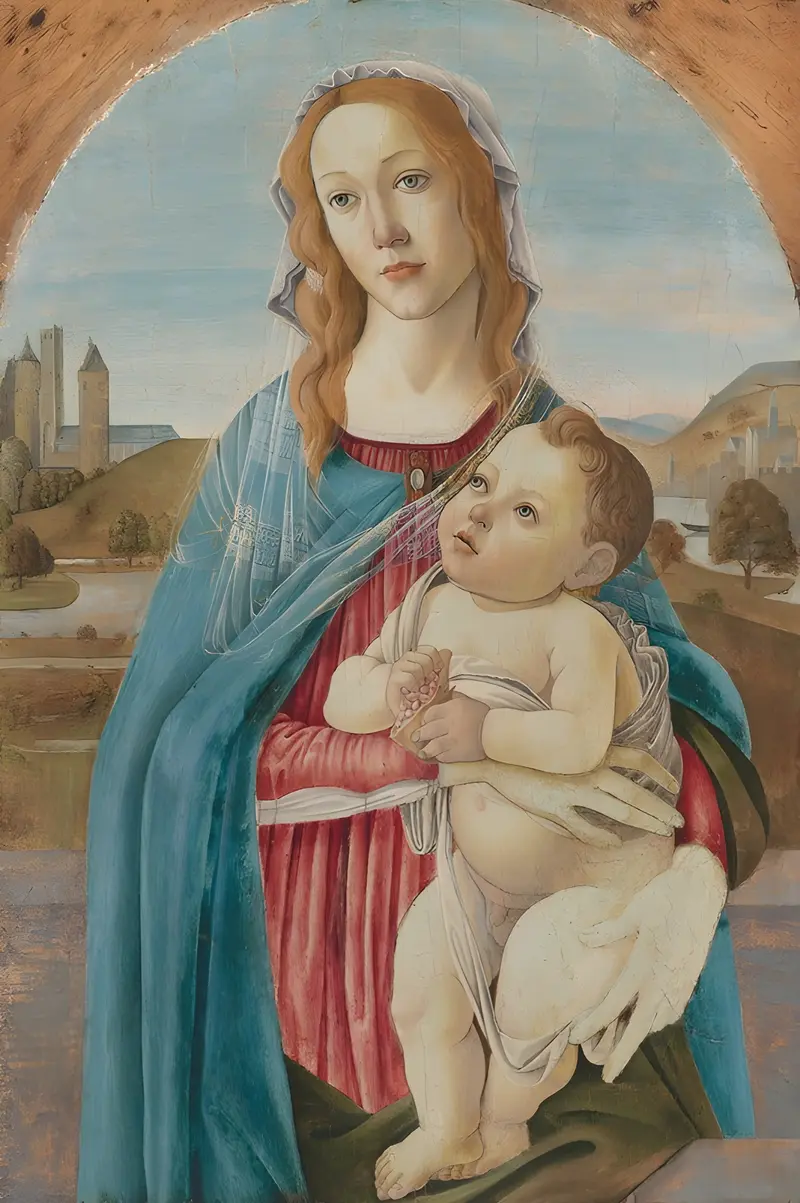
Virgin and Child
Sandro Botticelli
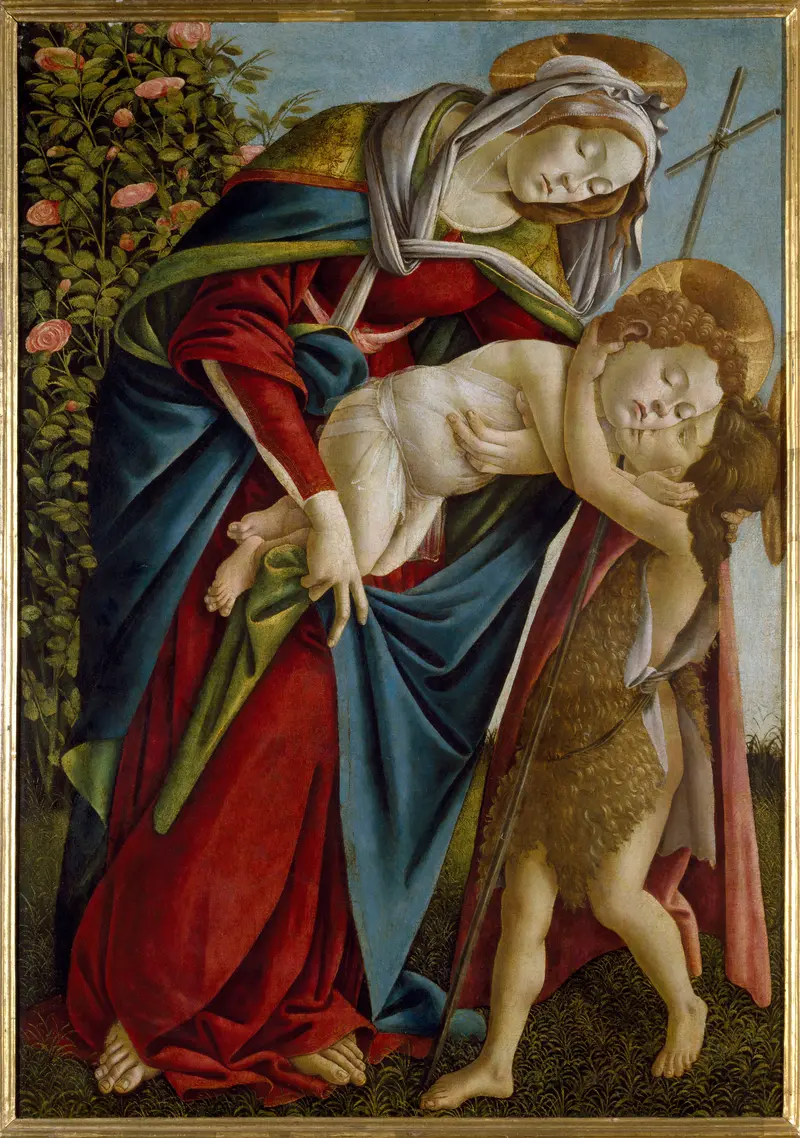
Madonna and Child and the Young St John the Baptist
Sandro Botticelli
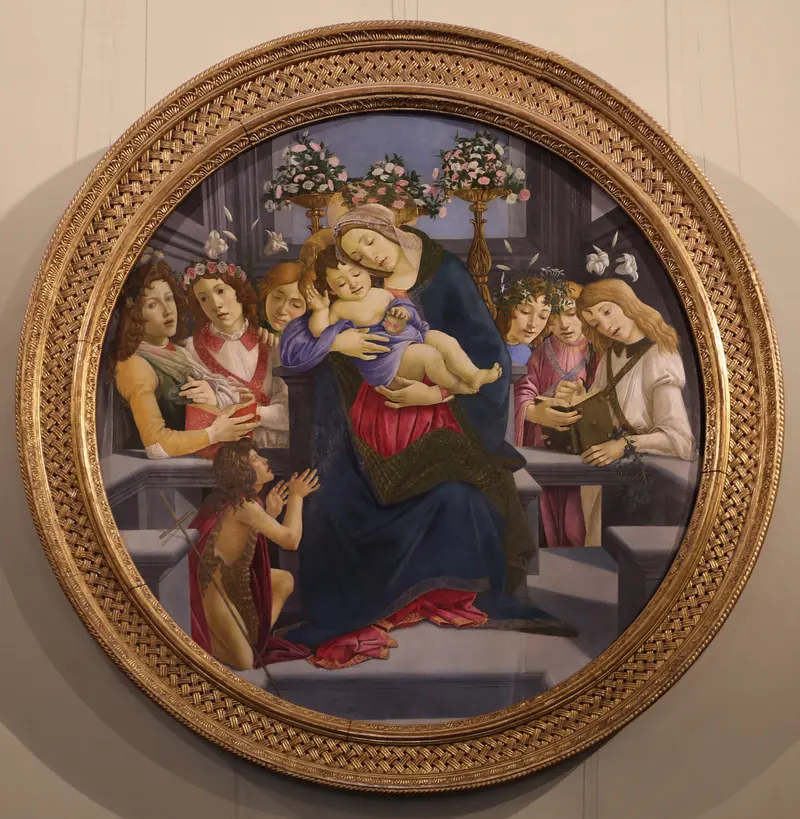
Madonna and Child with six angels and Saint John the Baptist as Child
Sandro Botticelli
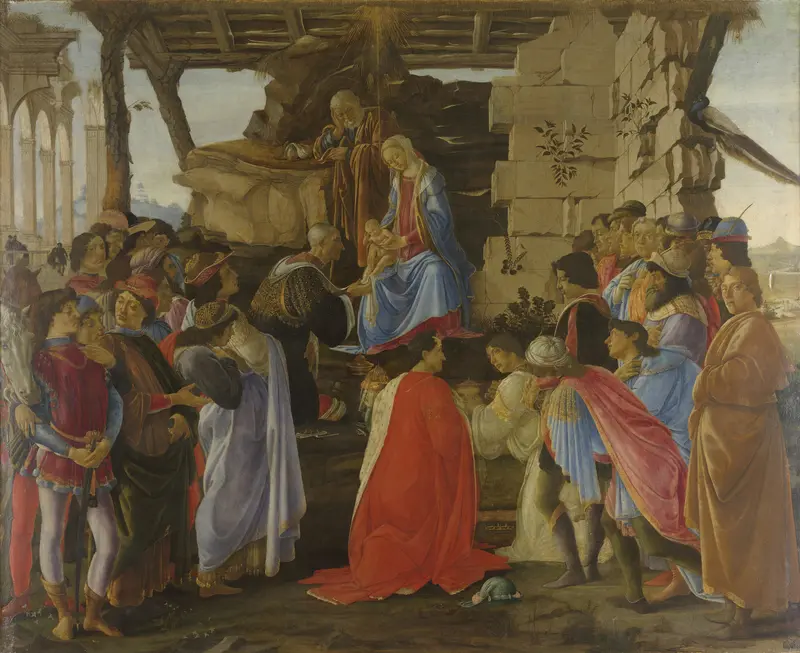
Adoration of the Magi
Sandro Botticelli

Virgin and Child with the Young Saint John the Baptist
Sandro Botticelli
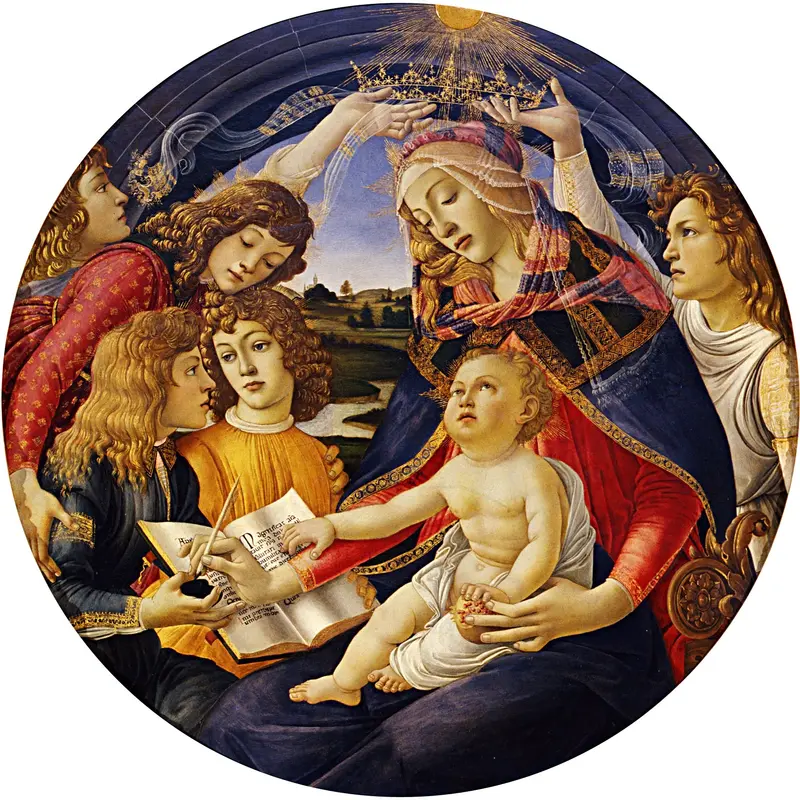
Madonna of the Magnificat
Sandro Botticelli
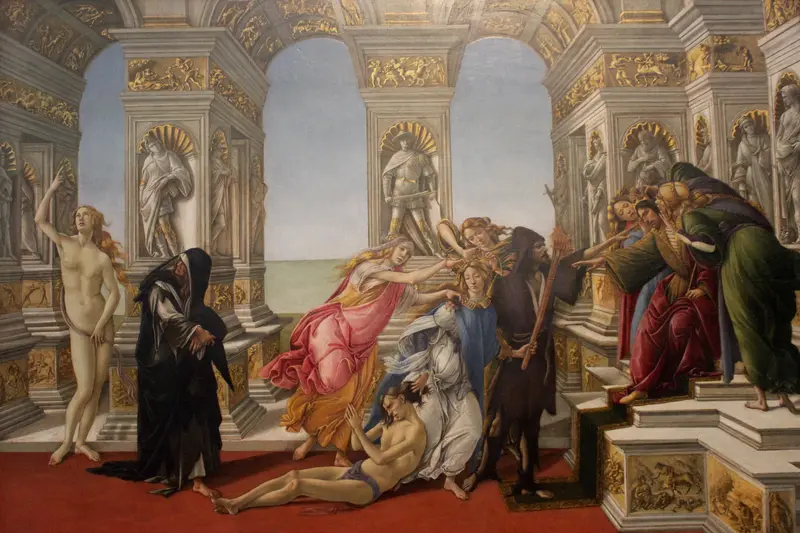
Calumny of Apelles
Sandro Botticelli
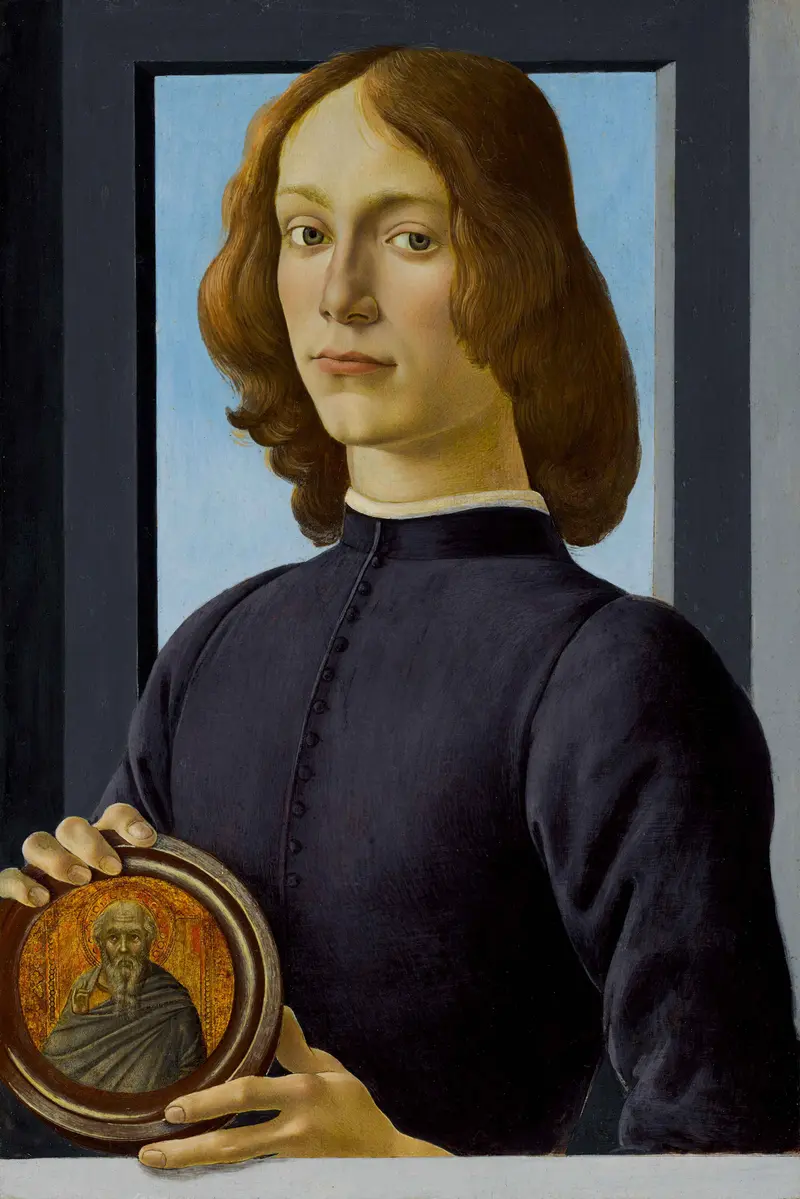
Portrait of a young man holding a roundel
Sandro Botticelli

The Trinity with Saint Mary Magdalene and Saint John the Baptist, the Archangel Raphael and Tobias
Sandro Botticelli
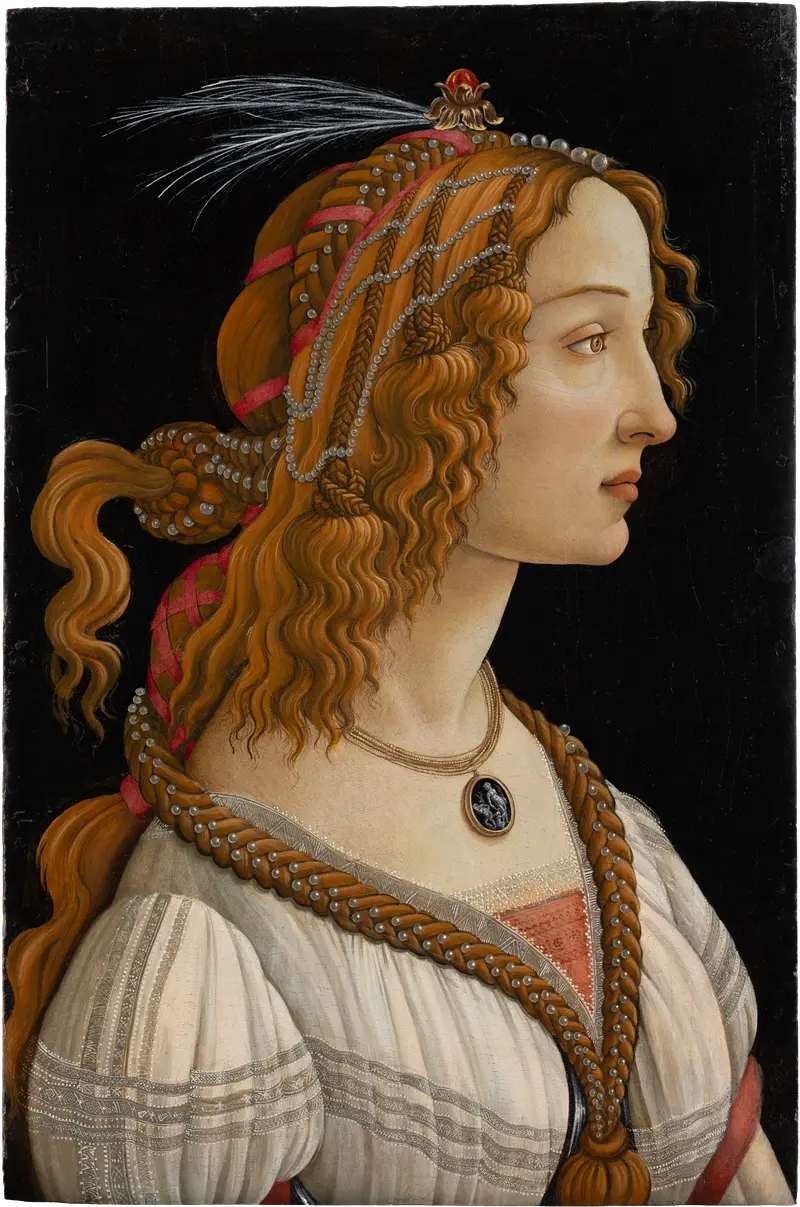
Idealized Portrait of a Lady (Portrait of Simonetta Vespucci as Nymph)
Sandro Botticelli





