
Portrait of a Young Woman with braided hair — History & Facts
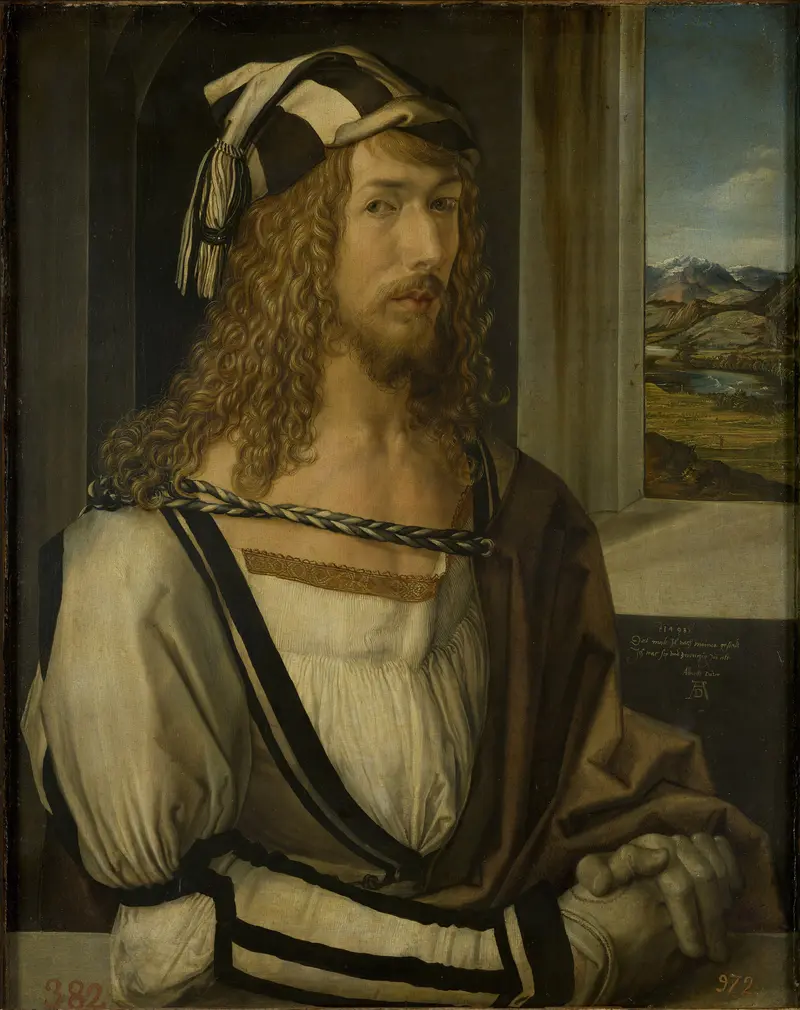
What first catches the eye in Portrait of a Young Woman with braided hair is the quiet confidence with which she meets our gaze, her hands delicately clasping a sprig of fennel or dill, as if weighing its meaning. The luminous red of her gown draws us in, its folds and seams rendered with the careful attention of an artist fascinated by the textures of fabric and flesh. Her elaborate braided hair, wound into a crown, signals both status and individuality—this is not a generic beauty, but a person with her own story.
The window behind her opens onto a gentle, hilly landscape, its cool blues and greens setting off the warmth of her skin and dress, while the sharp geometry of the window frame anchors her firmly in the present moment. Every detail, from the subtle smile to the faint inscription on her bodice, invites us to linger and wonder about the world she inhabits. Painted in 1497 by Albrecht Dürer, this portrait belongs to a period when artists across Europe were reimagining what it meant to capture a likeness. In late 15th-century Germany, portraits like this were often commissioned by prosperous families eager to assert their place in a rapidly changing society.
The care lavished on the sitter’s costume and the naturalism of her pose reflect the new Renaissance ideals filtering north from Italy, even as the crisp contours and sharp light remain distinctively Northern. While little is recorded about this particular painting’s early history, it now resides in the Christoph Schmidt collection, a quiet testament to the era’s fascination with individuality and the subtle drama of everyday life. The sitter’s calm, direct presence continues to reach across centuries—her story, half-told, waits in her eyes for each new viewer to finish.
More Artworks by Albrecht Dürer

Melancholia
Albrecht Dürer

St. George and the dragon.
Albrecht Dürer
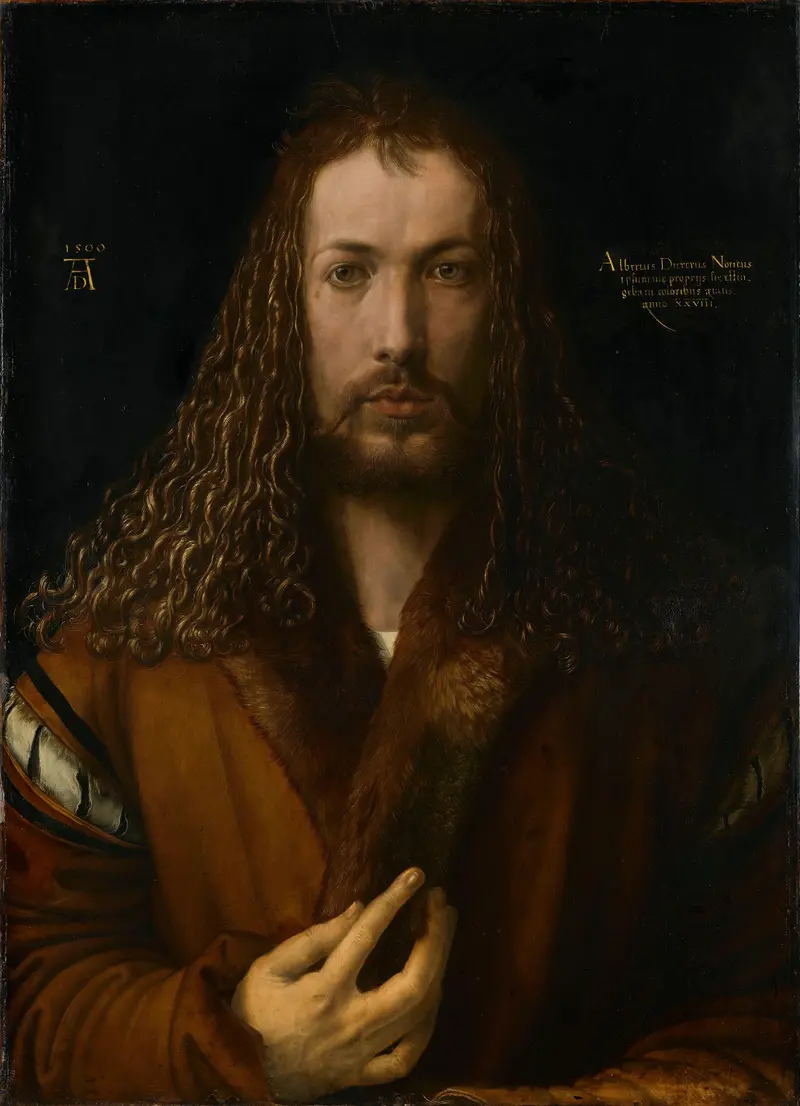
Self-Portrait with Fur-Trimmed Robe
Albrecht Dürer

Wing of a European Roller
Albrecht Dürer

Iris
Albrecht Dürer

The Great Piece of Turf
Albrecht Dürer
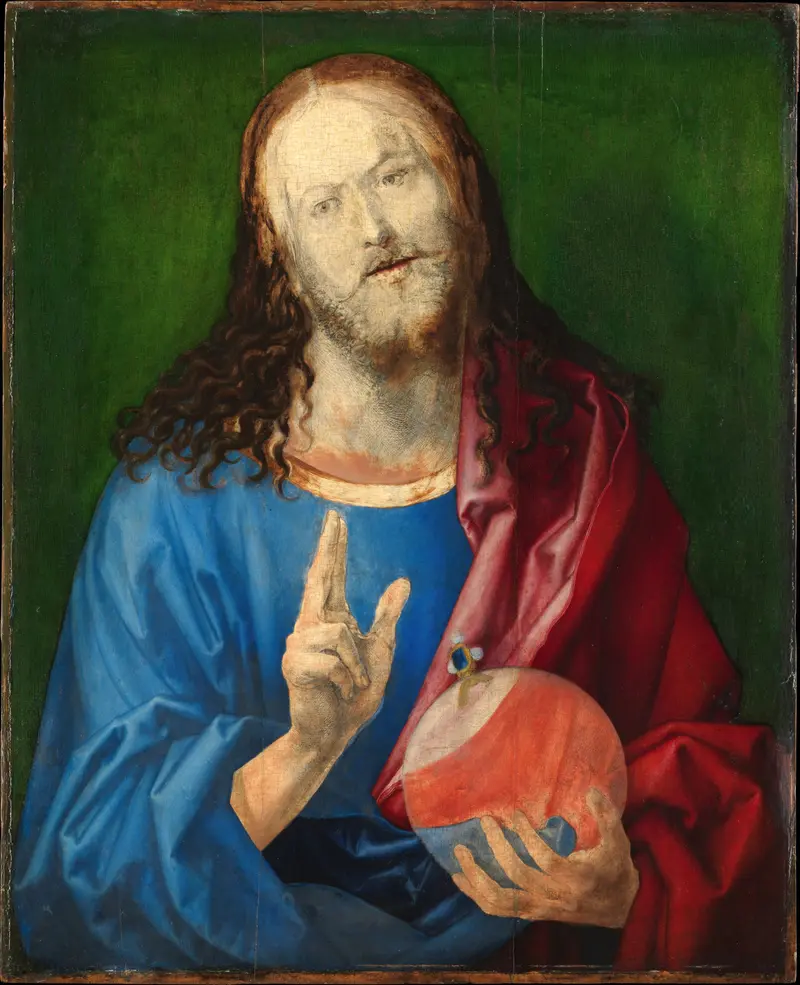
Salvator Mundi
Albrecht Dürer
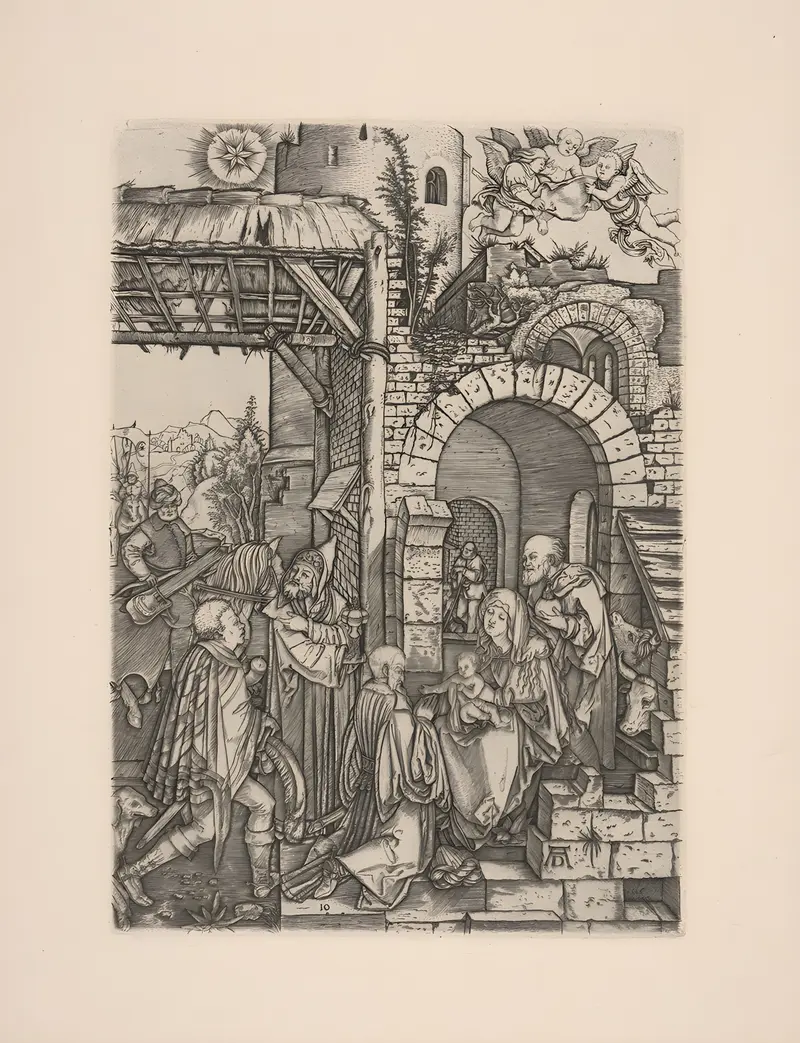
The Adoration of the Magi
Albrecht Dürer
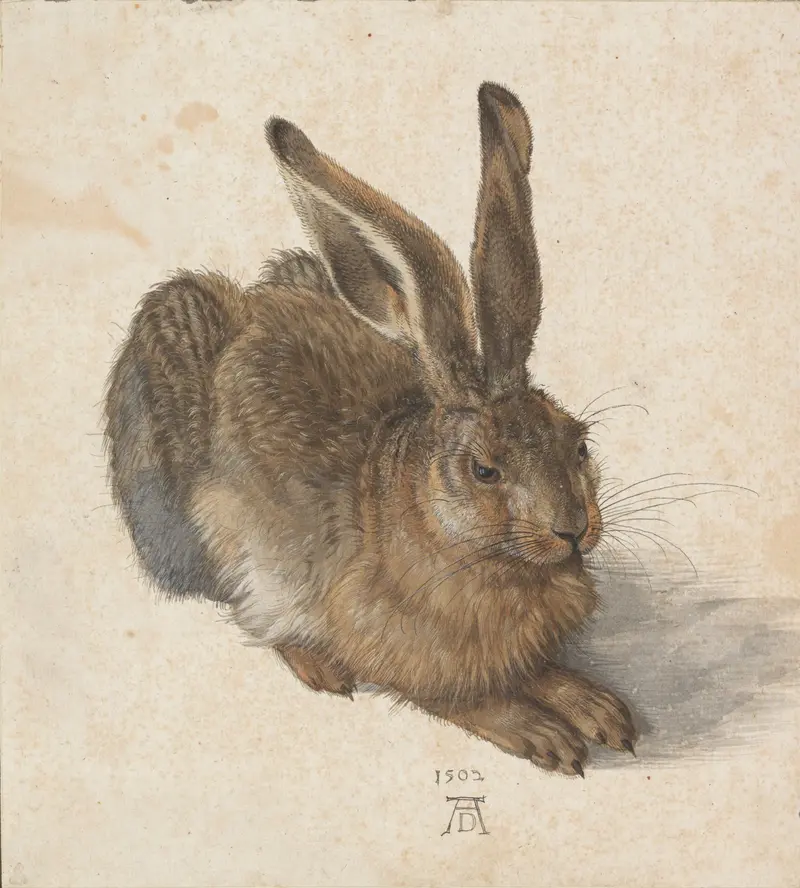
Young Hare
Albrecht Dürer
Self-portrait
Albrecht Dürer





