
Portrait of an unknown man — History & Facts
No one knows the identity of the sitter in Portrait of an unknown man, yet this very mystery has made the painting a touchstone for debates about status and individuality in the Dutch Golden Age. When it entered the public eye in the nineteenth century, speculation swirled: was he a wealthy Haarlem merchant, a local official, or merely a model? The lack of documentation has left scholars to search the canvas itself for clues, making this portrait a silent witness to the social ambitions and uncertainties of its time. The man turns slightly toward us, his gaze direct yet reserved, lips parted as if caught mid-thought. Hals captures him at a moment of poised self-possession, his hand resting lightly on the arm of a chair, a gesture that suggests confidence without ostentation.
The loose, energetic brushwork—so characteristic of Frans Hals—animates the black costume and crisp white collar, signaling both sobriety and affluence. Unlike the stately formality of Rembrandt’s portraits, Hals’s sitter appears alive and approachable, his individuality shining through the painter’s lively handling of paint and light. The painting’s early history remains obscure; no record of a commission or original owner has surfaced. It is likely that the work remained in private hands in Haarlem for generations before being recognized as a product of Frans Hals’s mature period, around 1650, when he was at the height of his reputation as a portraitist.
Over the centuries, the painting has been attributed to various members of the Hals workshop, but consensus now favors the master himself. Today, Portrait of an unknown man stands as a testament to Hals’s ability to capture not just a likeness but a fleeting moment of human presence, inviting viewers to ponder the sitter’s story—and their own.
More Artworks by Frans Hals

Banquet of the Officers of the St George Civic Guard
Frans Hals

Portrait of Jacob Pietersz Olycan (1596-1638)
Frans Hals
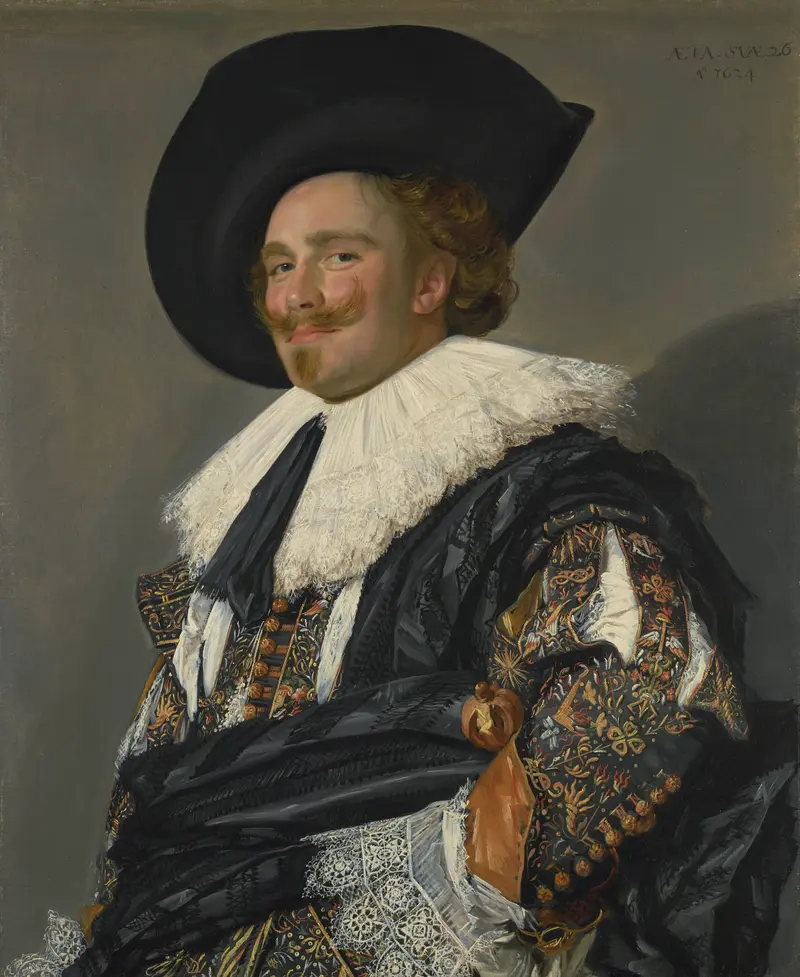
Laughing Cavalier
Frans Hals

Militia Company of District XI under the Command of Captain Reynier Reael, Known as ‘The Meagre Company’
Frans Hals
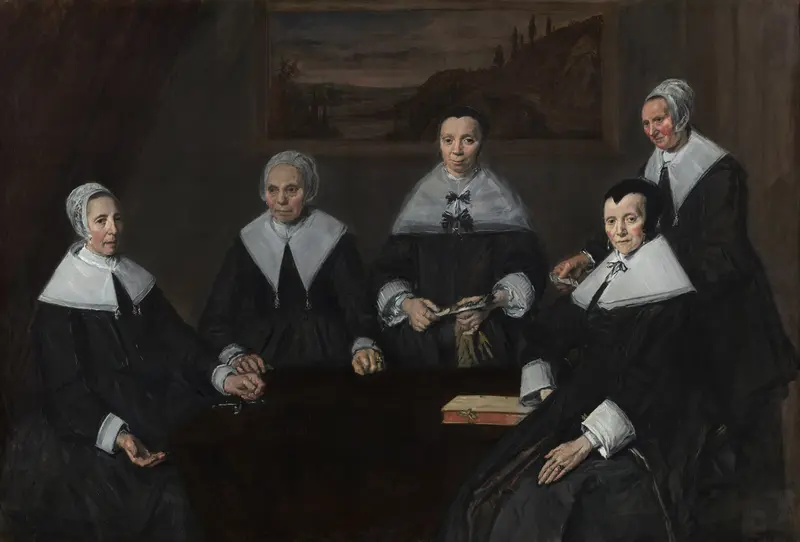
Regentesses of the Old Men's Alms House
Frans Hals
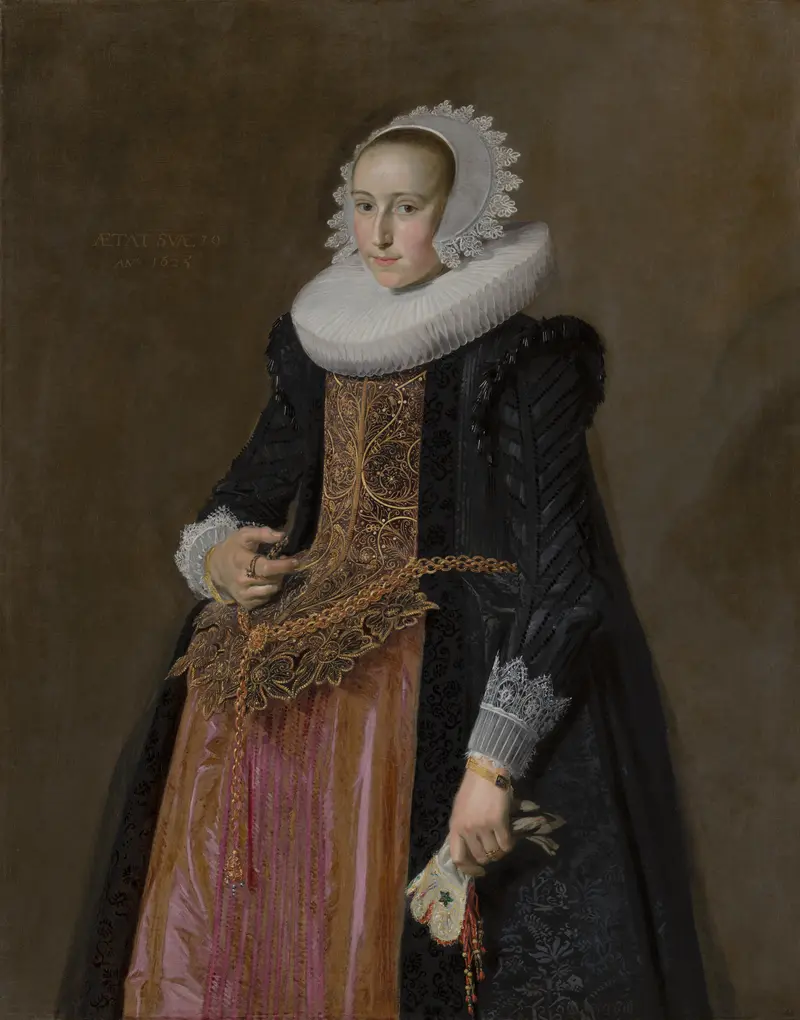
Portrait of Aletta Hanemans (1606–1653)
Frans Hals
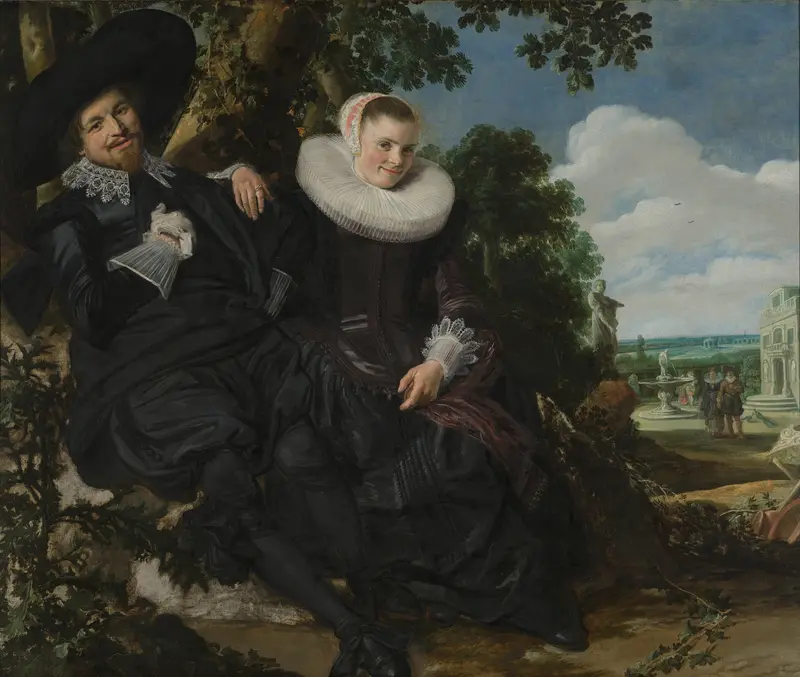
Portrait of a Married Couple, Likely Isaac Abrahamsz Massa and Beatrix van der Laen
Frans Hals
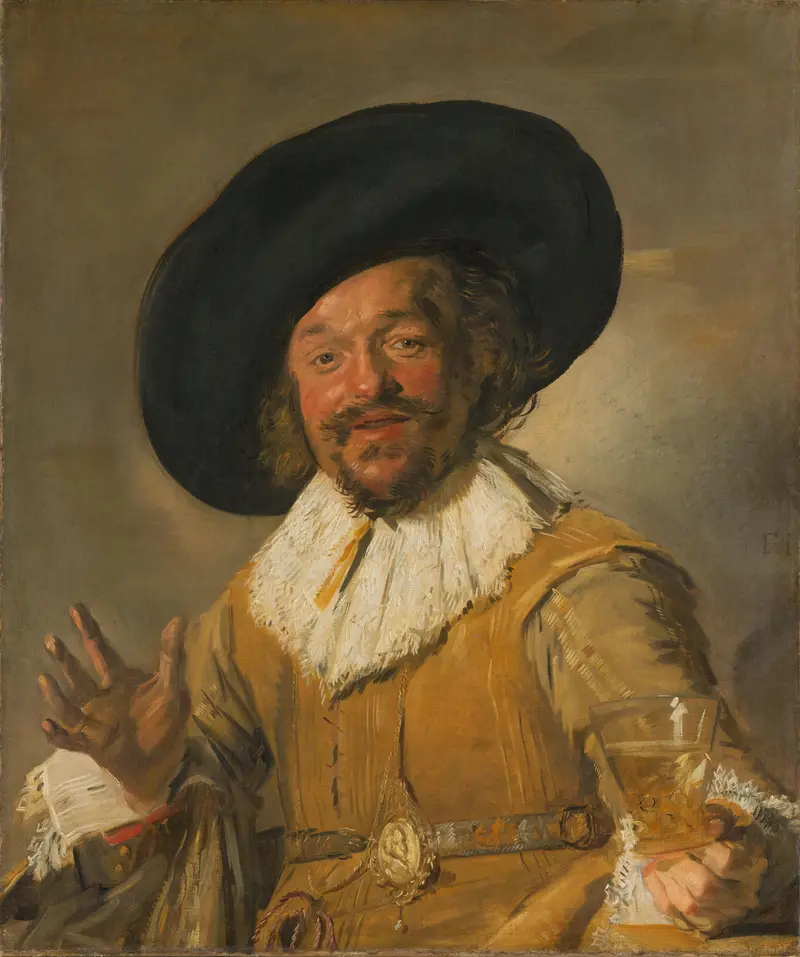
The Merry Drinker
Frans Hals
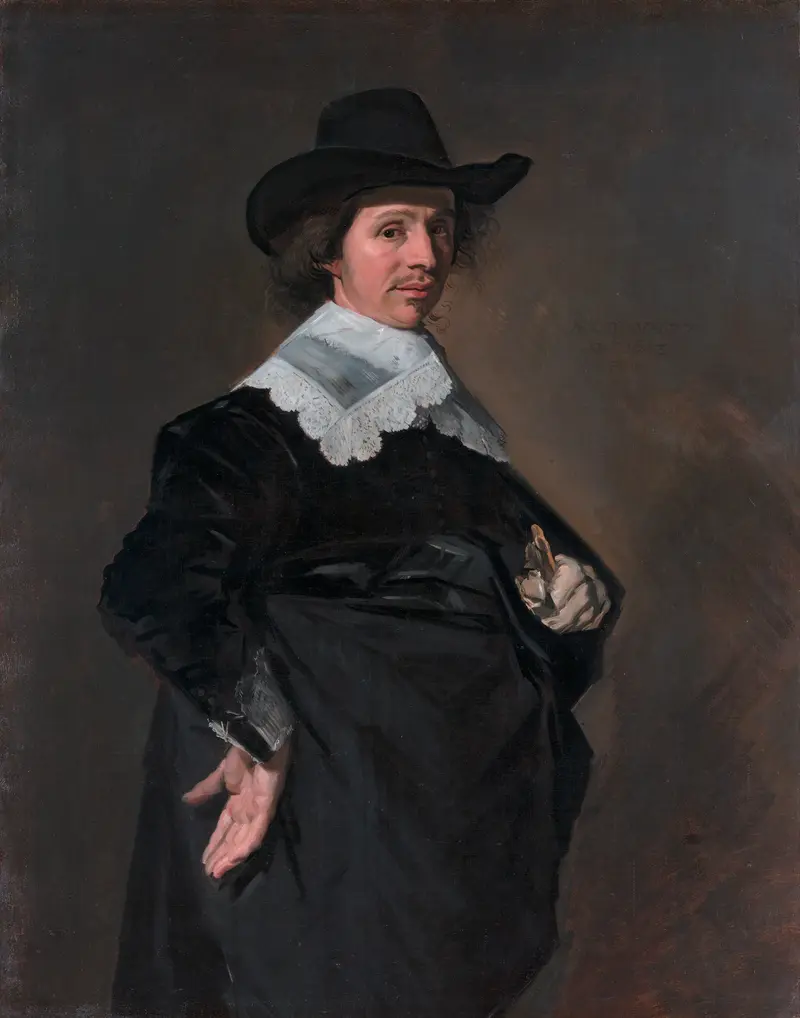
Portrait of Paulus Verschuur
Frans Hals
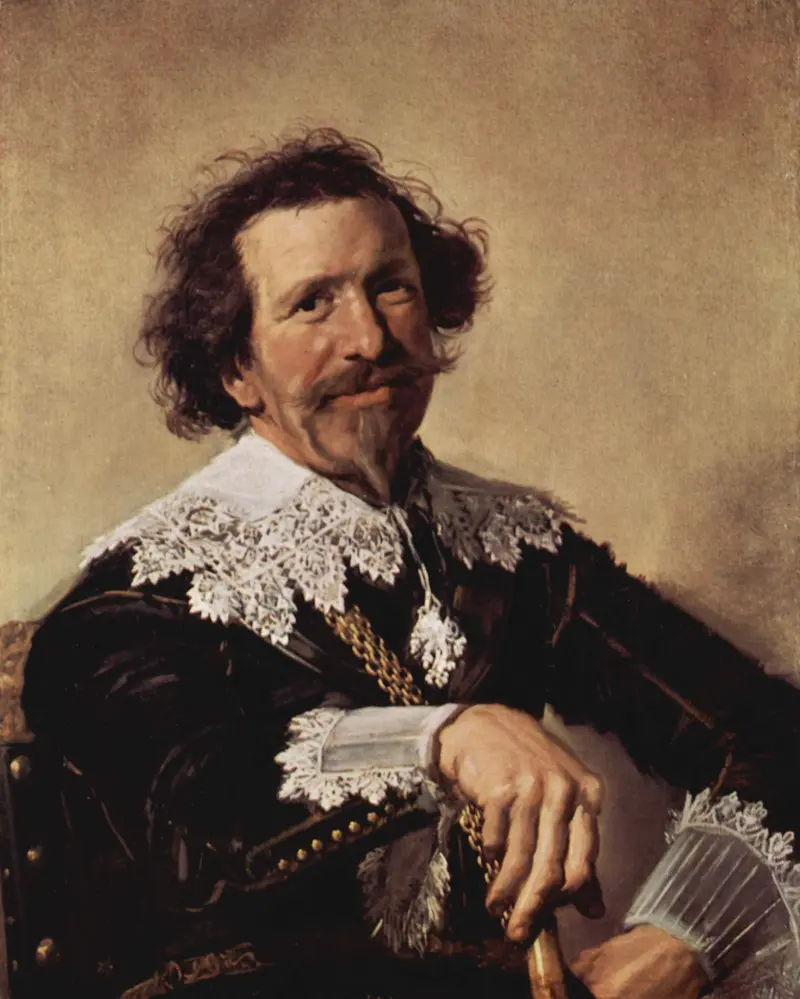
Portrait of Pieter van den Broecke
Frans Hals





