
Portrait of Caspar Sibelius — History & Facts
When Frans Hals painted Portrait of Caspar Sibelius in 1637, he captured not just a sitter but a rising intellectual star of the Dutch Golden Age. Sibelius was a celebrated theologian and preacher in Haarlem, known for his eloquence and public debates. The portrait’s fame owes much to the fact that Sibelius himself praised Hals’s “lively brush,” a rare documented compliment from a sitter to his painter in this era.
The work stands as a testament to the mutual admiration between artist and subject, an unusual relationship in the often transactional world of 17th-century portraiture. The painting presents Caspar Sibelius at the height of his career, his gaze direct and assured, lips parted as if about to speak—perhaps caught mid-sermon, or in the midst of a spirited theological discussion. Hals’s trademark loose brushwork animates the black robes and white ruff, giving them a tactile immediacy. The sitter’s right hand, gently resting on a closed book, signals his scholarly pursuits, while the subtle play of light across his face and hands draws the viewer’s eye to his intellect and character.
Unlike the more formal, static portraits by Rembrandt—such as his Portrait of Johannes Wtenbogaert—Hals’s approach is lively and immediate, emphasizing the personality of the sitter over solemnity. The exact circumstances of the commission remain unclear, but it is likely that Sibelius or his congregation sought out Frans Hals, then Haarlem’s most sought-after portraitist. Over the centuries, the painting has passed through private collections before entering a public institution, where it now hangs as a highlight of Dutch portraiture. Its attribution to Hals has never been seriously questioned, and it is often cited as an example of his ability to capture not just the likeness, but the spirit of Haarlem’s intellectual elite.
Today, Portrait of Caspar Sibelius stands as a vivid record of a man and a moment in the city’s history.
More Artworks by Frans Hals

Banquet of the Officers of the St George Civic Guard
Frans Hals

Portrait of Jacob Pietersz Olycan (1596-1638)
Frans Hals
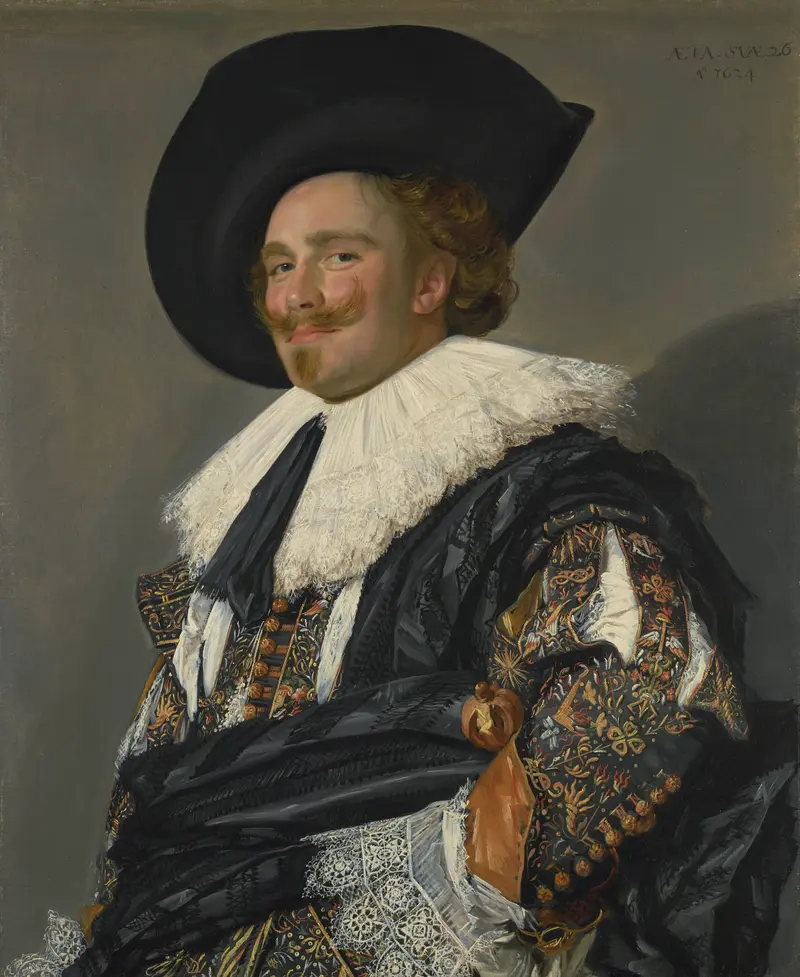
Laughing Cavalier
Frans Hals

Militia Company of District XI under the Command of Captain Reynier Reael, Known as ‘The Meagre Company’
Frans Hals
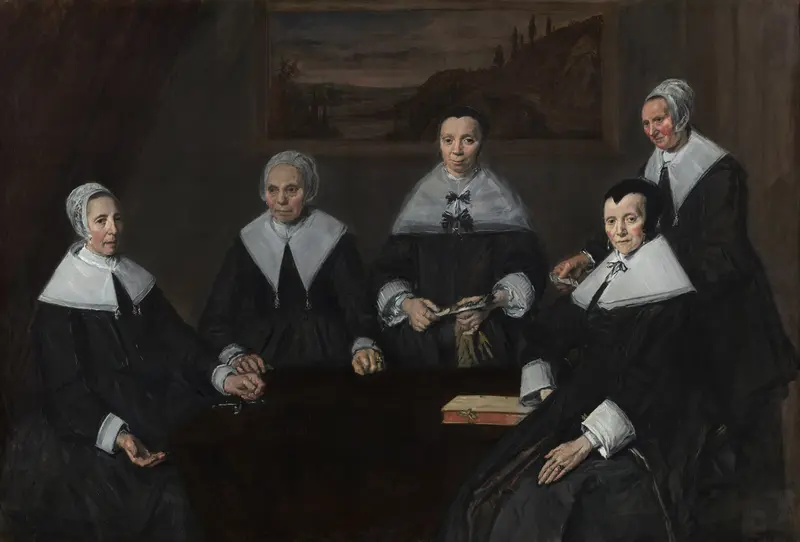
Regentesses of the Old Men's Alms House
Frans Hals
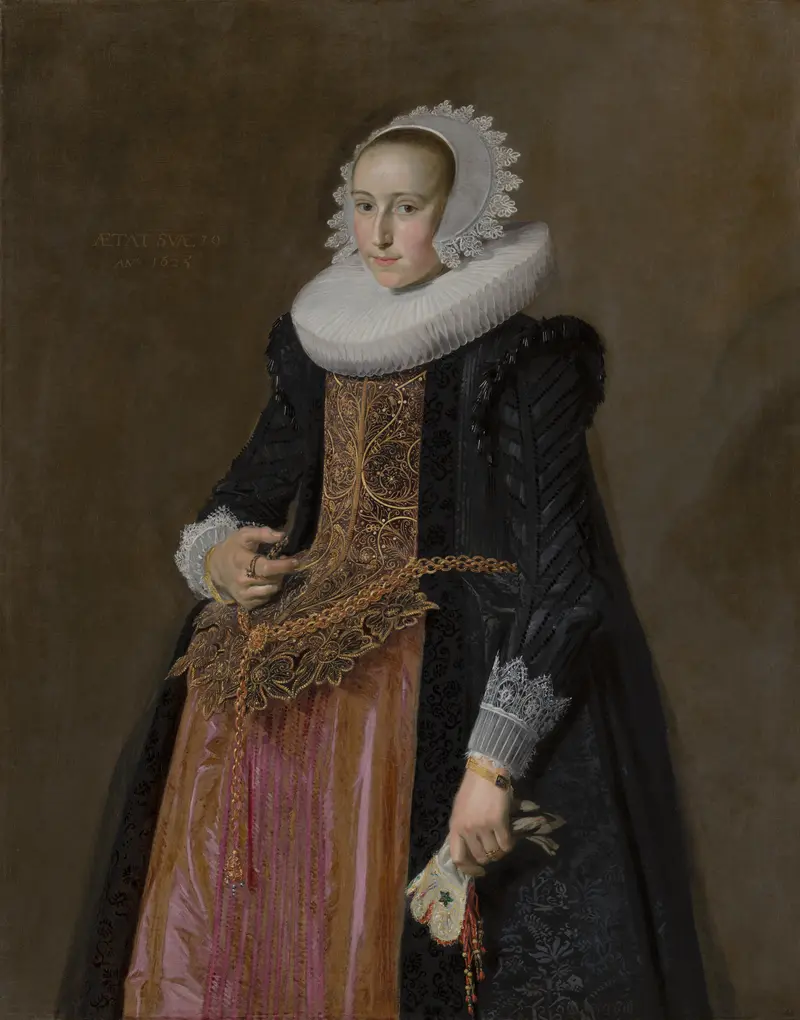
Portrait of Aletta Hanemans (1606–1653)
Frans Hals
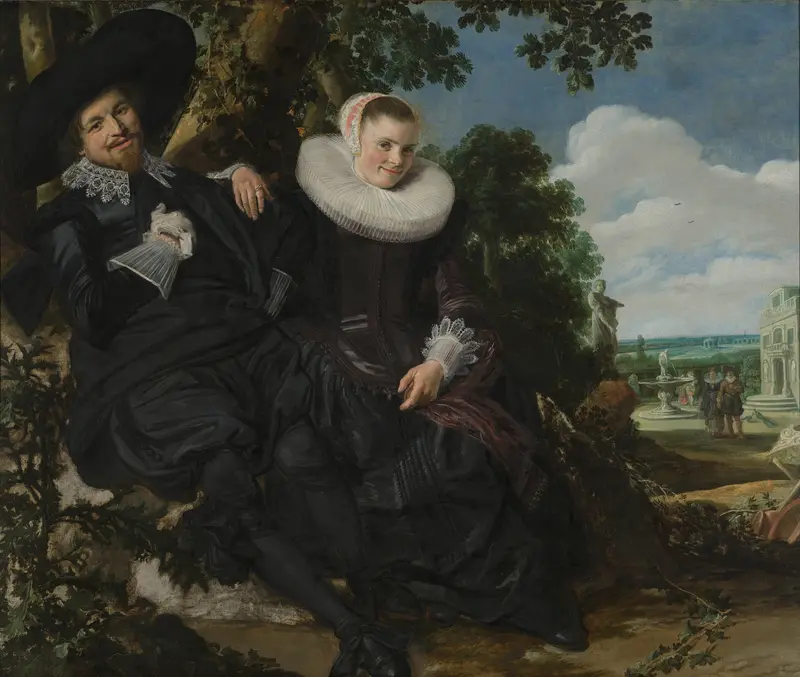
Portrait of a Married Couple, Likely Isaac Abrahamsz Massa and Beatrix van der Laen
Frans Hals
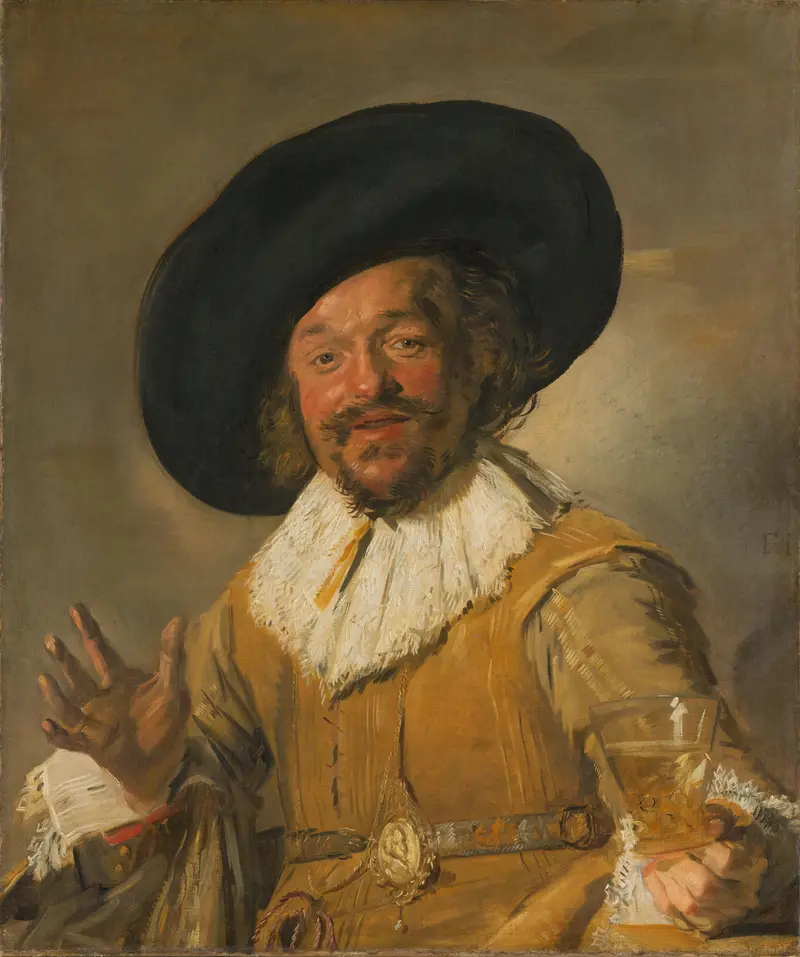
The Merry Drinker
Frans Hals
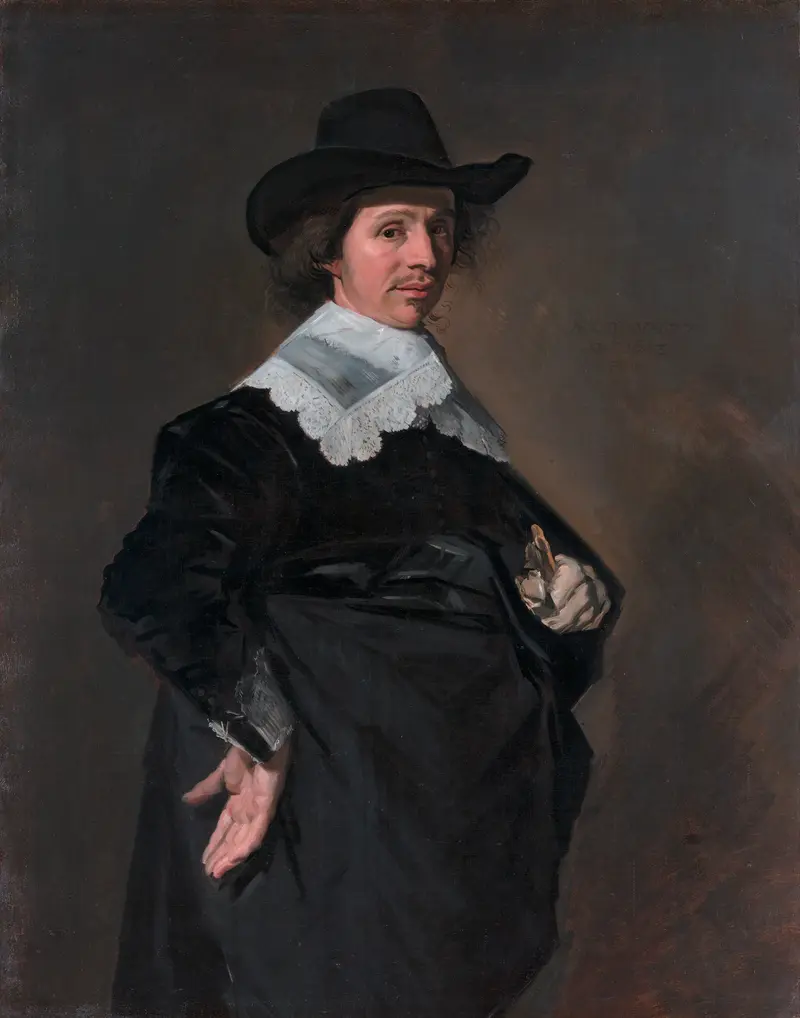
Portrait of Paulus Verschuur
Frans Hals
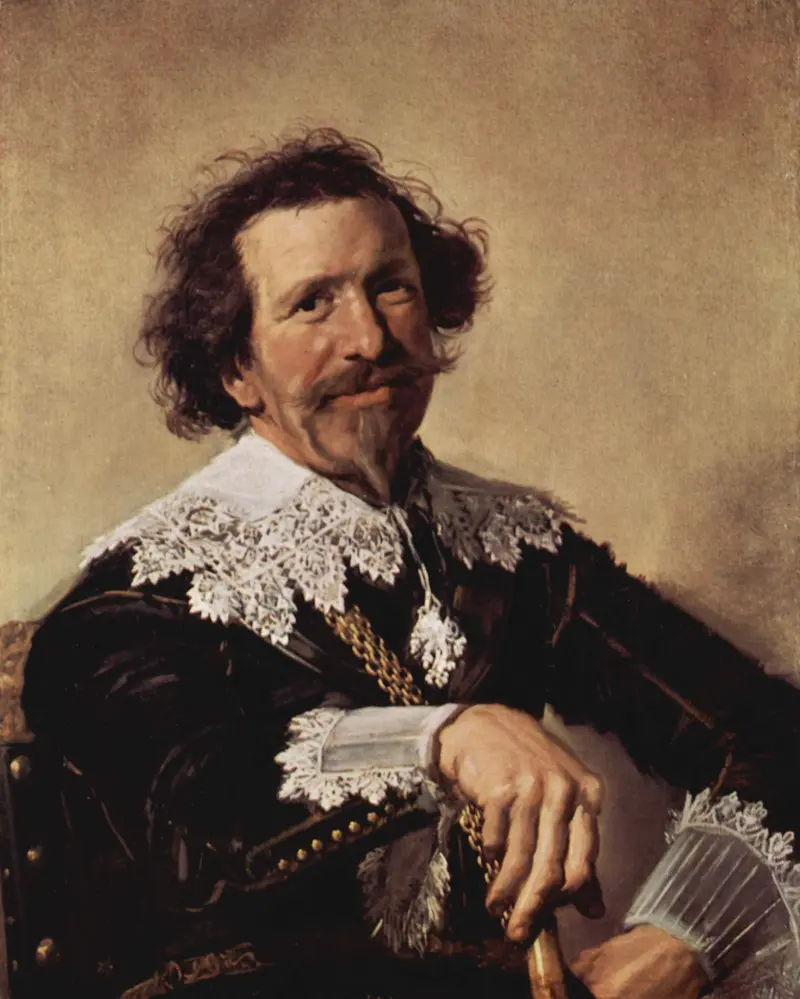
Portrait of Pieter van den Broecke
Frans Hals





