
Portrait of Dorothea Berck — History & Facts
No one knows exactly why Frans Hals painted Portrait of Dorothea Berck in 1644, but the sitter’s identity and fortune have inspired centuries of curiosity. Dorothea Berck was the wealthy widow of a Haarlem cloth merchant, and her likeness is among the most imposing female portraits of the Dutch Golden Age. The painting’s stately scale and the sitter’s confident gaze have led some scholars to speculate that it was commissioned to mark her new status as head of her household—a rare position for a woman in 17th-century Holland.
The portrait’s early fame is attested by its inclusion in several notable collections, though its exact path through history remains partly veiled. Dorothea sits turned slightly to her right, her face illuminated by a soft, natural light that brings out the textures of her sober black gown and delicate lace ruff. Her right hand, adorned with a heavy gold chain and rings, rests calmly atop a chair, signaling both her wealth and her authority. The white cap frames her face, a mark of respectability and widowhood, while her direct gaze meets the viewer with a mixture of dignity and approachability.
Unlike the more formal, distant portraits by Rembrandt—such as Portrait of Maria Trip—Hals captures a sense of immediacy and warmth, as if Dorothea might speak at any moment. The restrained background keeps all attention on the sitter, emphasizing her presence rather than her surroundings. The painting’s physical journey is not fully documented, but it is known to have passed through prominent private collections in the Netherlands and France before entering the Museo Thyssen-Bornemisza in Madrid, where it hangs today. Its attribution to Frans Hals has never been seriously disputed, though the exact circumstances of its commission remain unclear.
Portrait of Dorothea Berck stands among the finest examples of Hals’s late period, when his brushwork became both more fluid and more psychologically probing. Today, it is celebrated not only as a portrait of a remarkable woman, but as a testament to the artist’s enduring fascination with character and presence.
More Artworks by Frans Hals

Banquet of the Officers of the St George Civic Guard
Frans Hals

Portrait of Jacob Pietersz Olycan (1596-1638)
Frans Hals
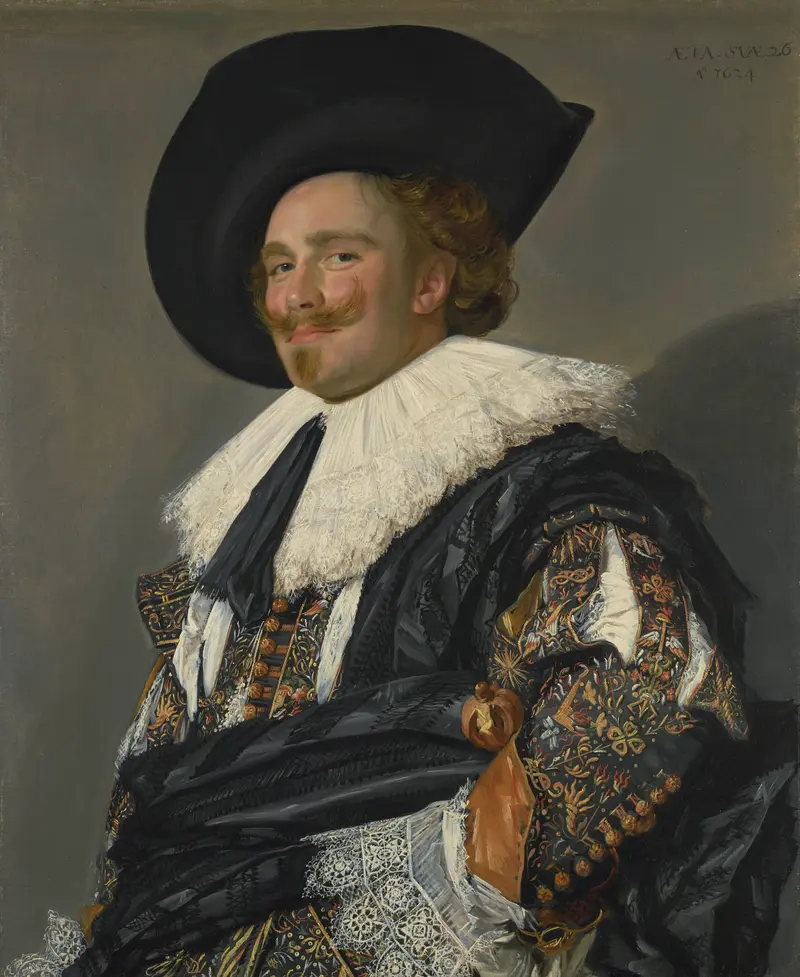
Laughing Cavalier
Frans Hals

Militia Company of District XI under the Command of Captain Reynier Reael, Known as ‘The Meagre Company’
Frans Hals
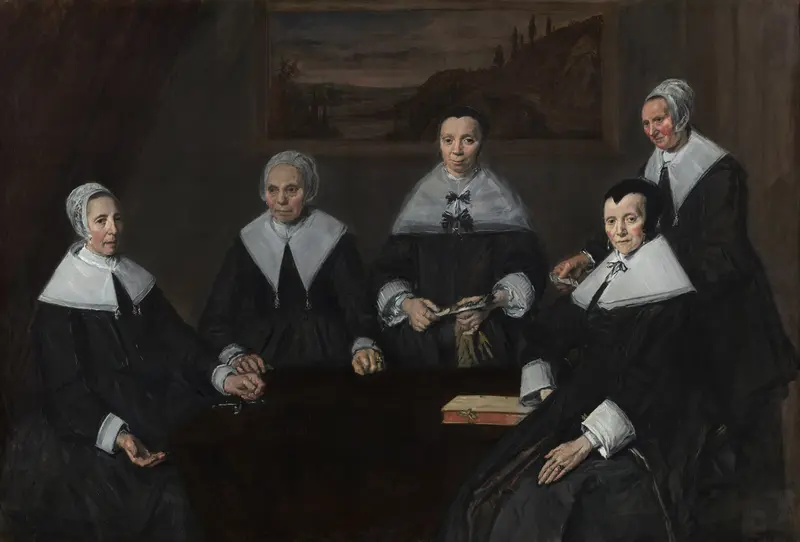
Regentesses of the Old Men's Alms House
Frans Hals
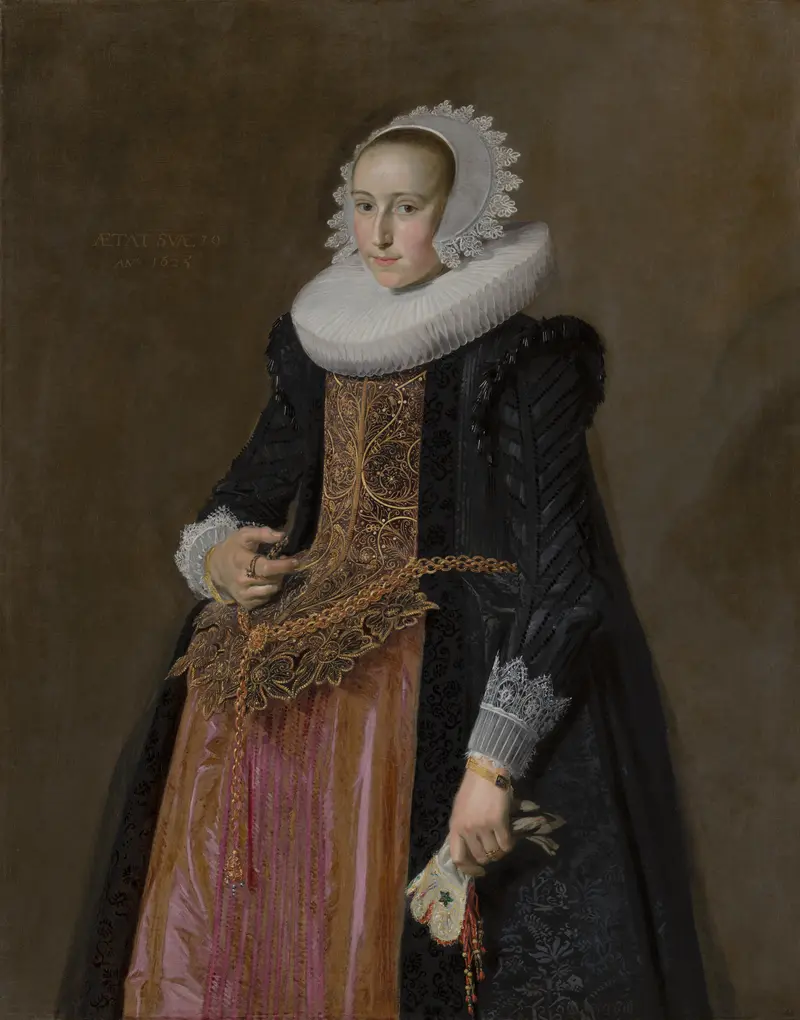
Portrait of Aletta Hanemans (1606–1653)
Frans Hals
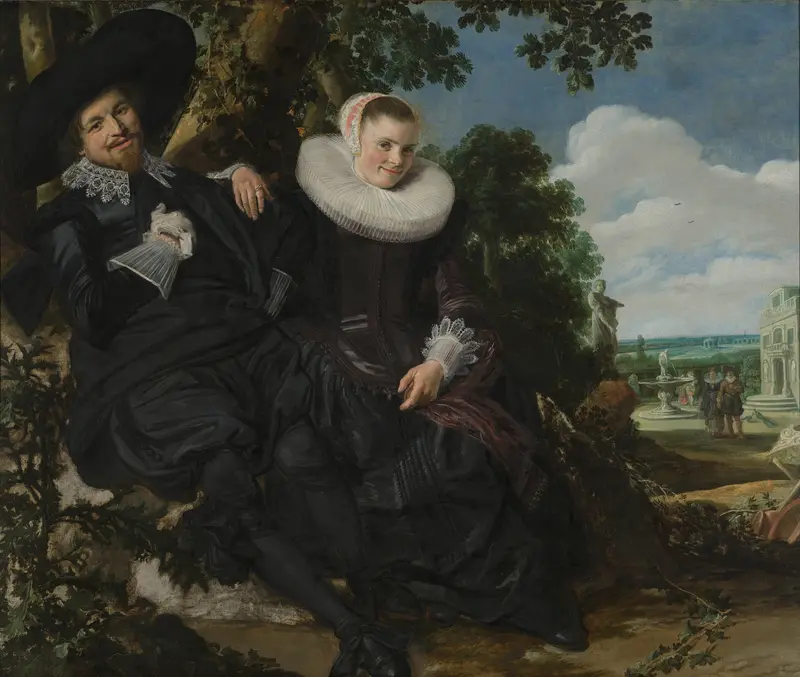
Portrait of a Married Couple, Likely Isaac Abrahamsz Massa and Beatrix van der Laen
Frans Hals
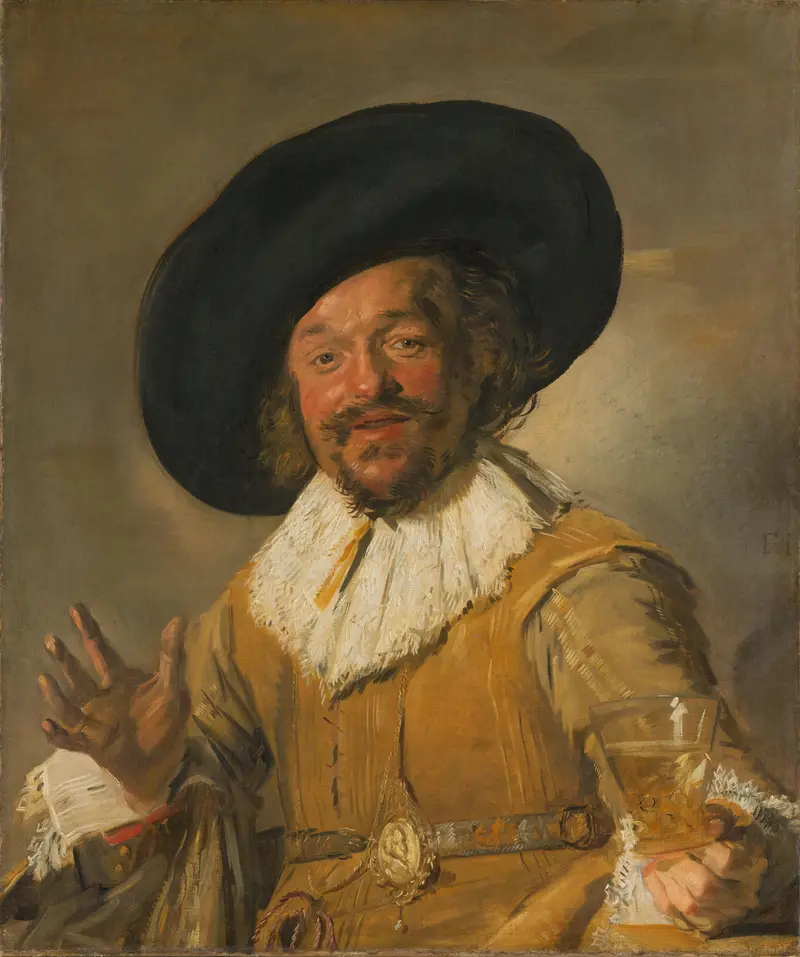
The Merry Drinker
Frans Hals
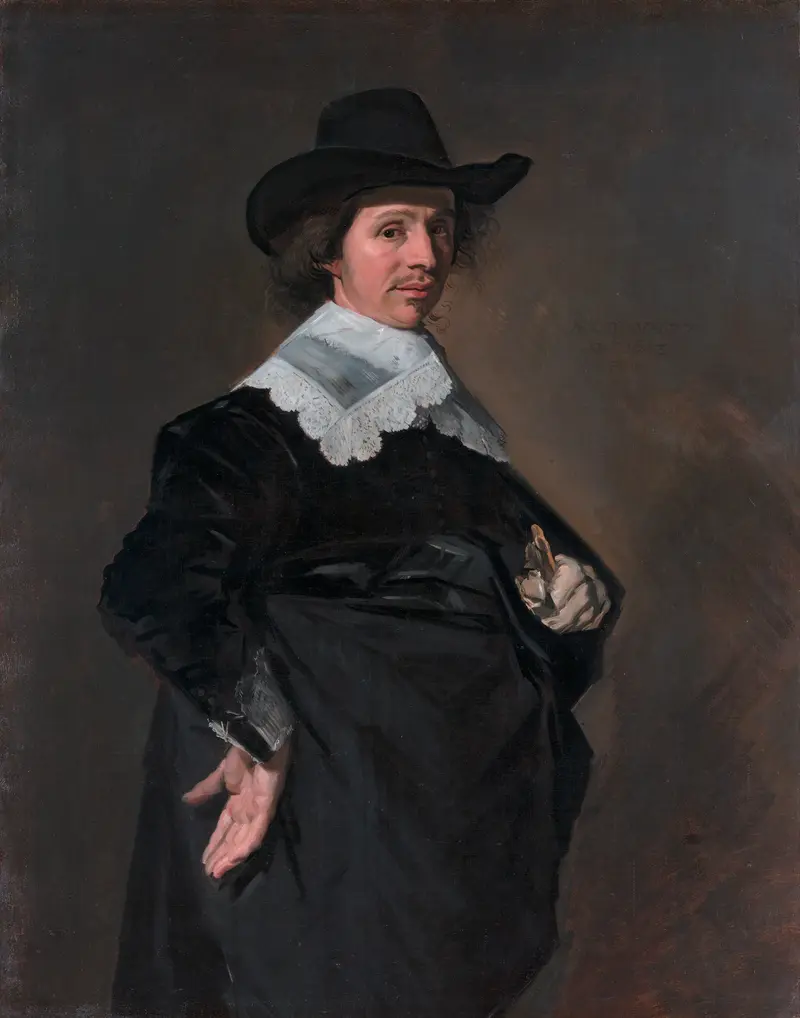
Portrait of Paulus Verschuur
Frans Hals
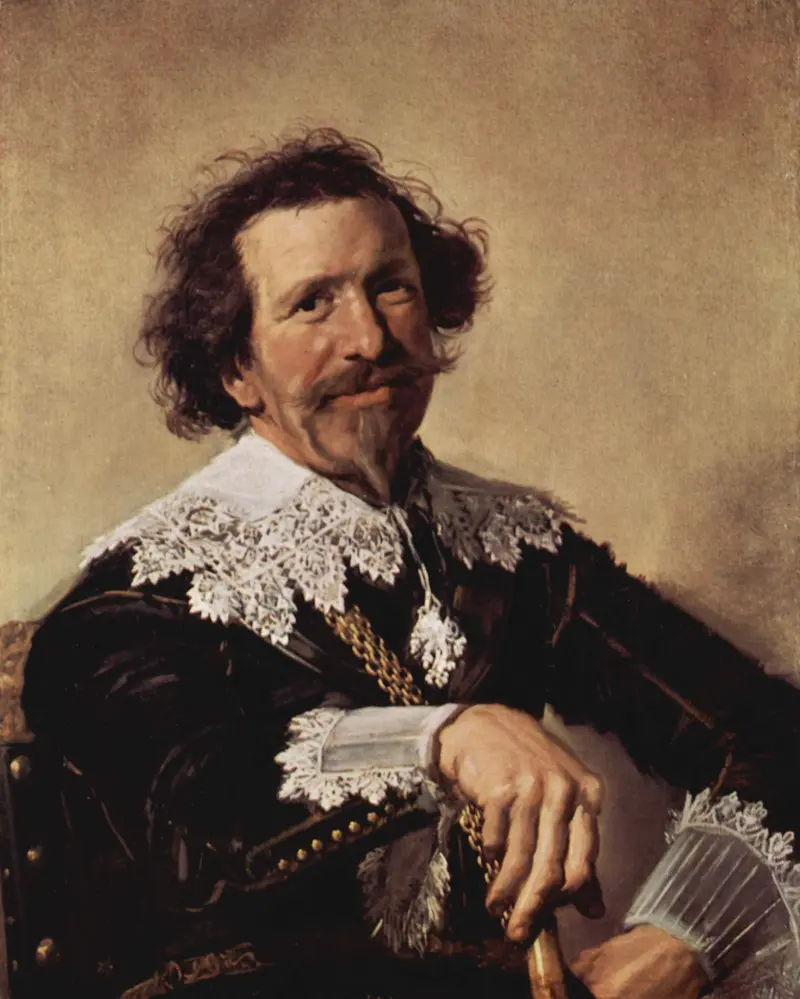
Portrait of Pieter van den Broecke
Frans Hals





