
Portrait of General José Manuel Romero — History & Facts
What secret hides in the quiet of the canvas? In Portrait of General José Manuel Romero, Francisco José de Goya y Lucientes reveals a man cast in the stillness of authority, yet shrouded in the shadows of uncertainty. Look closely at the general's face, where the deep shadows carve out his features, creating an air of both strength and introspection. The interplay of light and dark not only defines his stern expression but also hints at the complexities within. Notice how the muted color palette, dominated by earthy tones, contrasts with the crisp white of his uniform, emphasizing the tension between his public persona and private thoughts.
The subtle brushwork adds a tactile quality, inviting viewers to almost reach out and touch the fabric of his attire. Beneath the surface, this portrait encapsulates the duality of power and vulnerability. The way his gaze is directed slightly off to the side suggests a man contemplating his decisions, perhaps reflecting the broader turmoil of Spain during this period. The strategic placement of shadows not only frames the general but also evokes a sense of foreboding, alluding to the conflicts that would soon unfold in his life and country.
It is a dance of light and shadow, where certainty fades into the unknown. Goya painted this work around 1810, during a tumultuous time in Spanish history marked by the Peninsular War. Recovering from personal loss and grappling with his own existential concerns, Goya was deeply engaged with themes of identity and power. This portrait not only captures the likeness of General Romero but also reflects the artist's commentary on the precarious nature of authority in a world rife with conflict.
More Artworks by Francisco de Goya
Browse all →
The Third of May 1808
Francisco de Goya

De slaap van de rede brengt monsters voort
Francisco de Goya

The Charge of the Mamelukes (1814)
Francisco de Goya
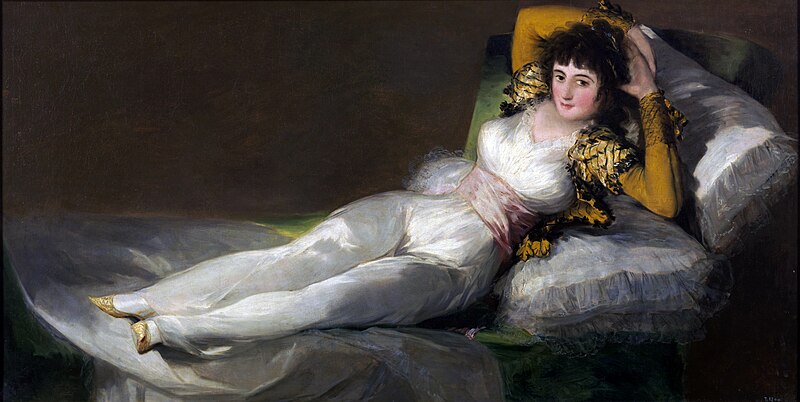
La maja vestida
Francisco de Goya

La maja desnuda
Francisco de Goya
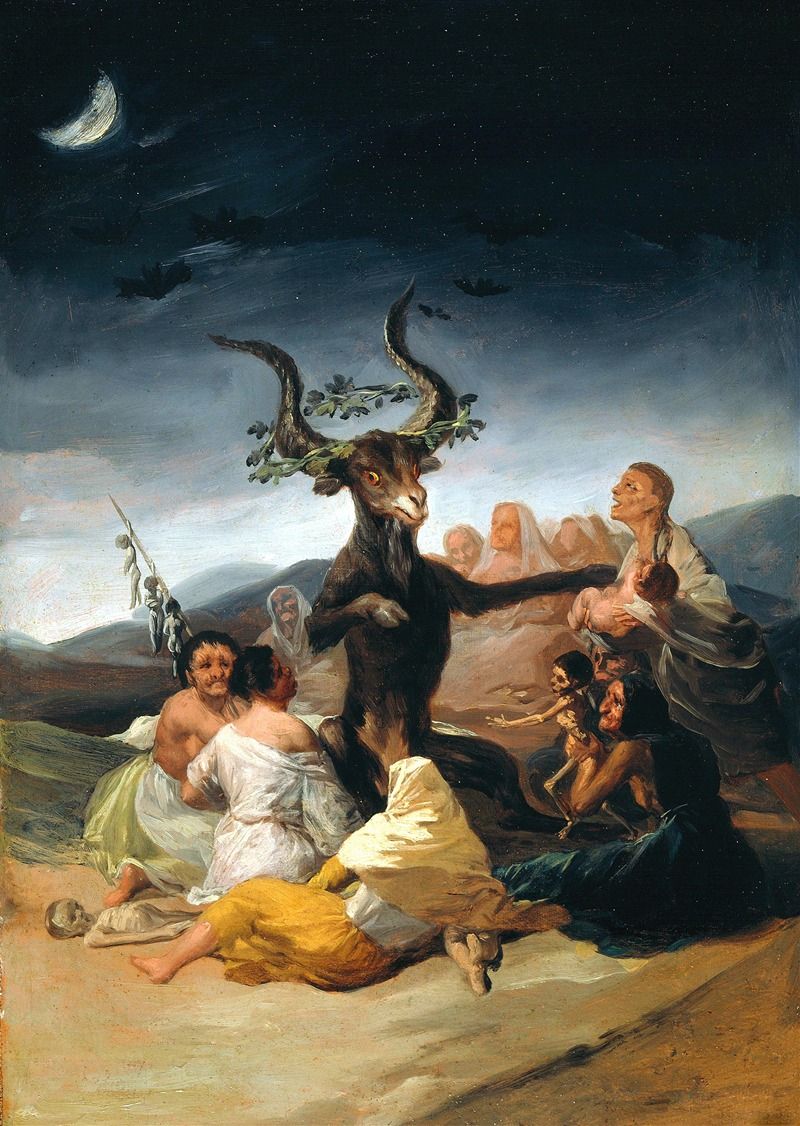
The Sabbath of witches
Francisco de Goya
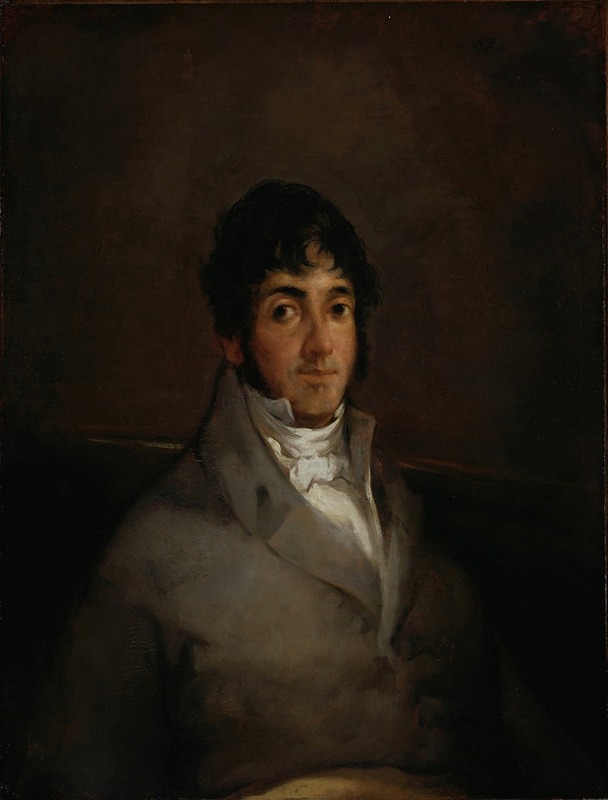
Portrait of Isidoro Maiquez
Francisco de Goya
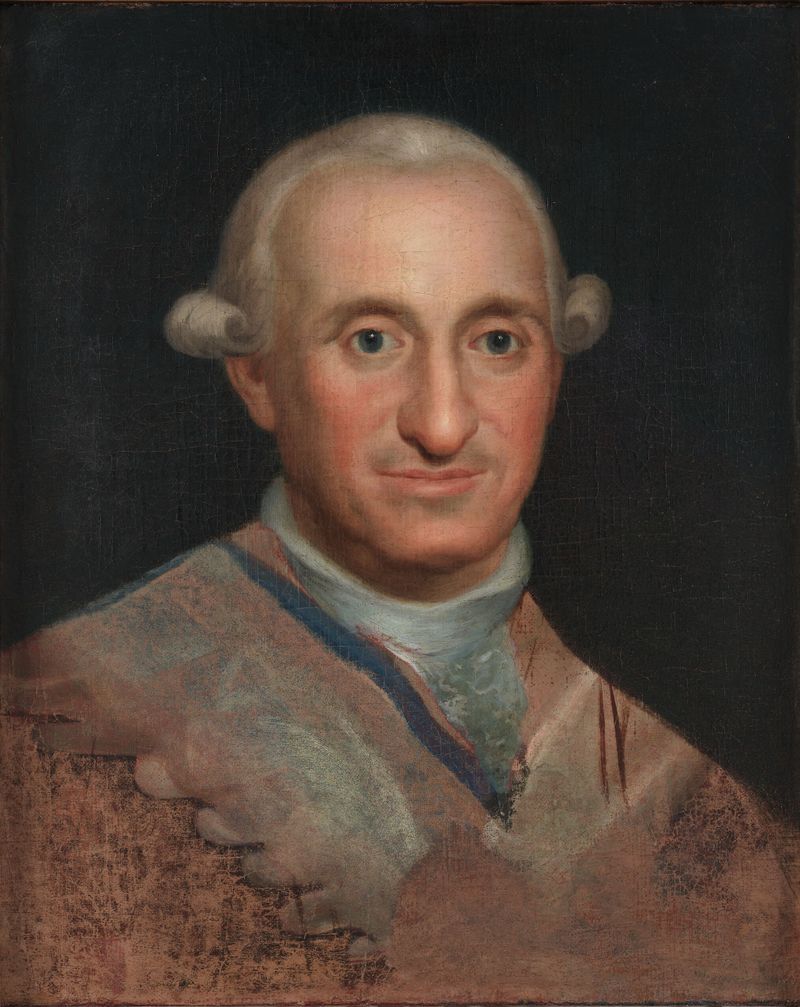
Charles IV, King of Spain
Francisco de Goya
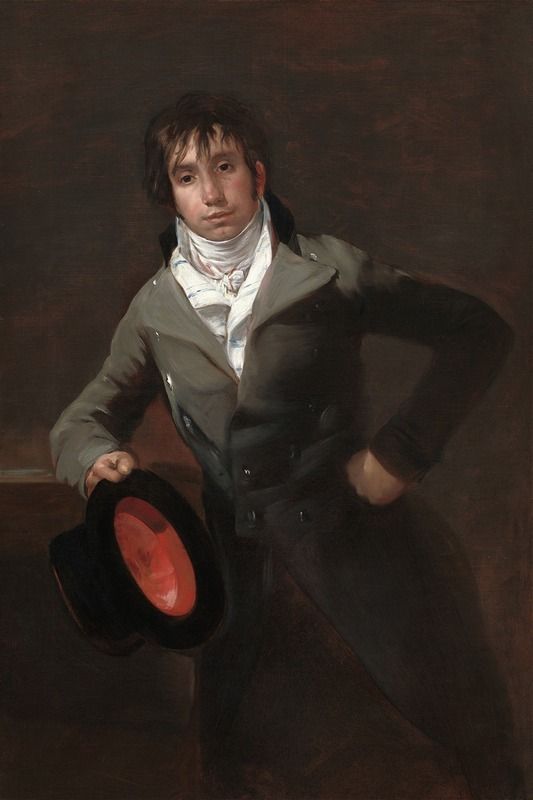
Bartolomé Sureda y Miserol
Francisco de Goya
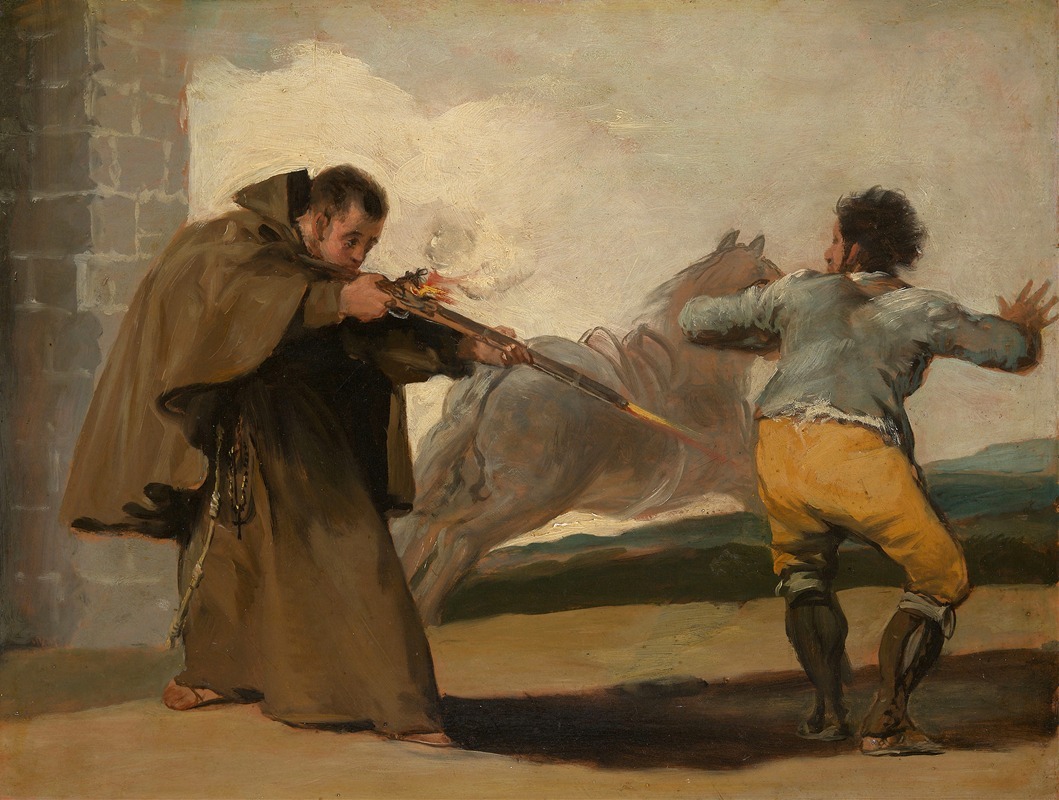
Friar Pedro Shoots El Maragato as His Horse Runs Off
Francisco de Goya
More Portrait Art
Browse all →
Las meninas
Diego Velázquez

Self-portrait with a Bandaged Ear and Pipe
Unidentified artist

Girl with a Pearl Earring
Johannes Vermeer

The Sampling Officials of the Amsterdam Drapers’ Guild, Known as ‘The Syndics’
Rembrandt van Rijn

The Hundred Guilder Print: the man seen on the back in the lower left corner
Rembrandt van Rijn

Portrait of Dr Gachet
Vincent van Gogh