
Portrait of Herman Boerhaave (1688-1738) — History & Facts
What draws the eye first is the sitter’s open gesture, hands slightly raised as if caught mid-conversation, inviting us into the quiet drama of the moment. The warm, earthy palette—rich ochres and deep browns—envelops the figure in a gentle glow, while the broad, soft brushwork gives a sense of immediacy and presence. The face, softly modeled with light, suggests a man of thought and experience, his gaze direct yet approachable.
The draped garment, trimmed with a subtle border, hints at scholarly or professional status, but the lack of ostentation keeps the focus on character rather than rank. Every detail, from the relaxed posture to the play of shadow across the sitter’s brow, works to create an atmosphere of thoughtful intimacy. Painted in 1722, this portrait belongs to a world where the Dutch tradition of depicting learned men and civic leaders was still very much alive. Such works were often commissioned to honor individuals whose intellect or service shaped their communities, and they were prized both as private keepsakes and public affirmations of status.
Aert de Gelder, working in the shadow of the great Rembrandt, brought a personal warmth and humanity to his portraits that set them apart from the cooler formality of earlier decades. Now in the Mauritshuis collection, this painting stands as a quiet testament to an era that valued both knowledge and the gentle dignity of those who pursued it. The longer you look, the more the sitter’s quiet confidence seems to reach across the centuries.
More Artworks by Aert de Gelder

Portrait of a Young Woman
Aert de Gelder

Hermanus Boerhaave (1668-1738), Professor of Medicine at the University of Leiden, with his Wife Maria Drolenvaux (1686-1746) and their Daughter Johanna Maria (1712-91)
Aert de Gelder
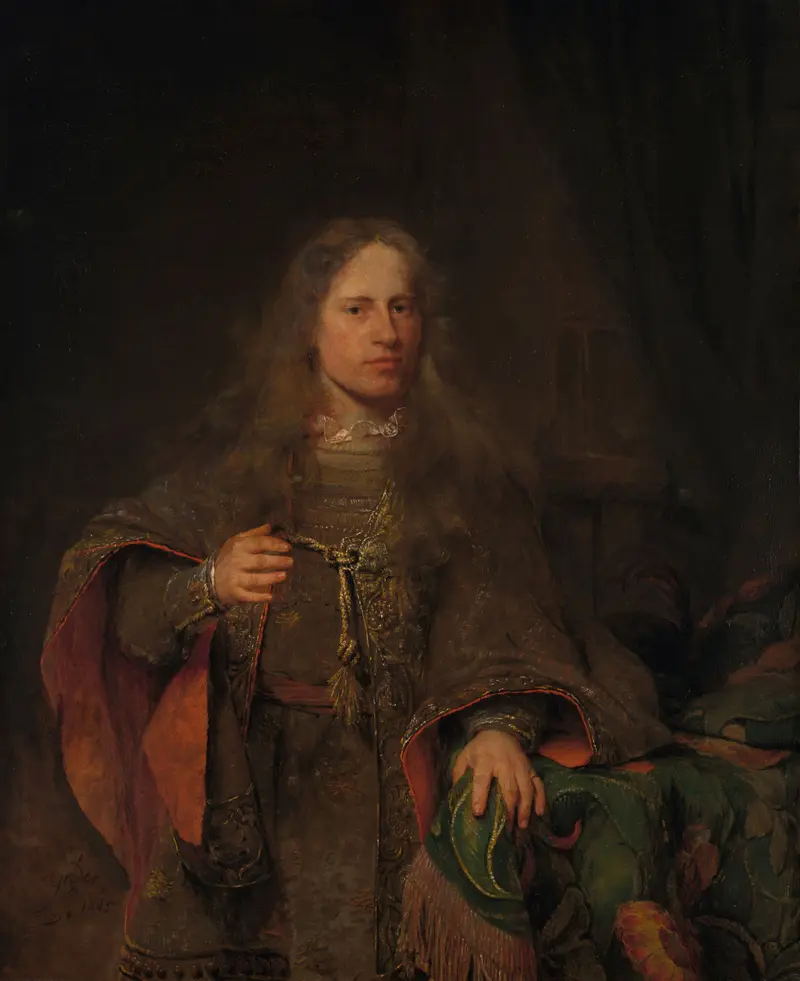
Portrait of Ernest de Beveren, Lord of West-IJsselmonde and De Lindt
Aert de Gelder
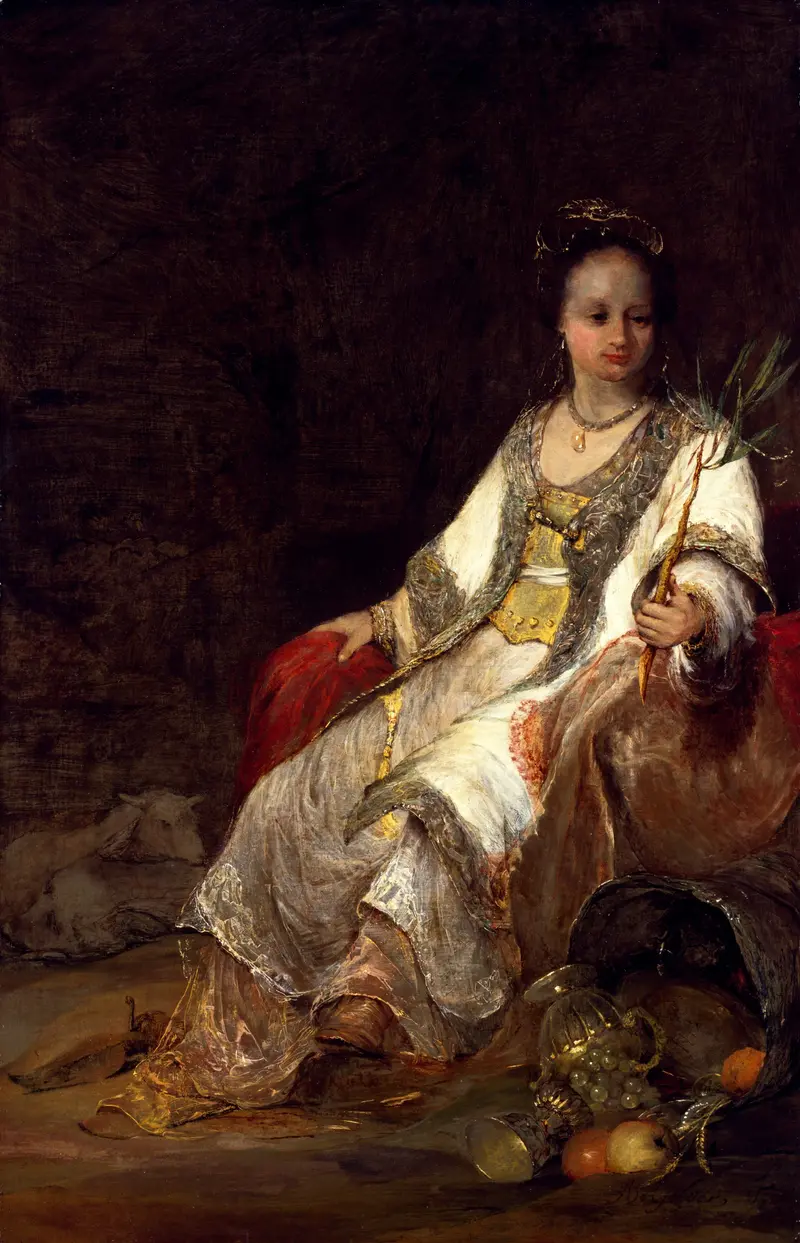
Allegory on Peace
Aert de Gelder
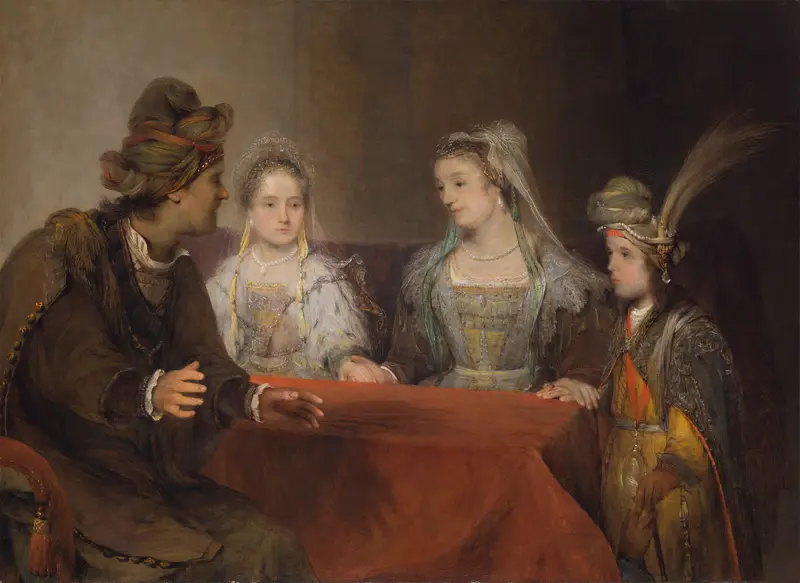
Edna Entrusting Tobias with Sarah
Aert de Gelder
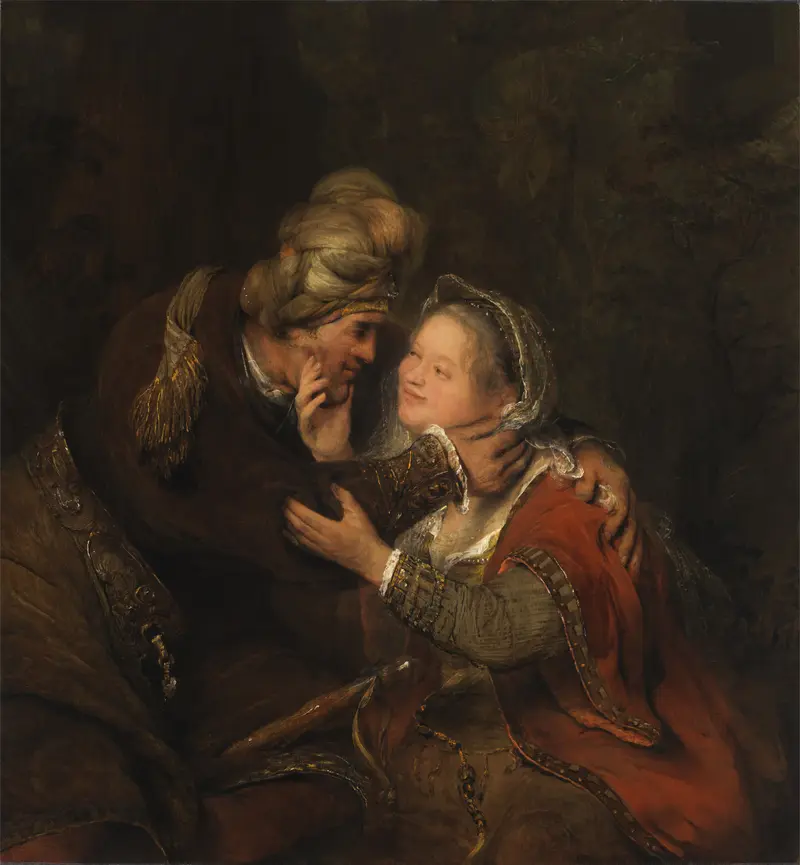
Judah and Tamar
Aert de Gelder
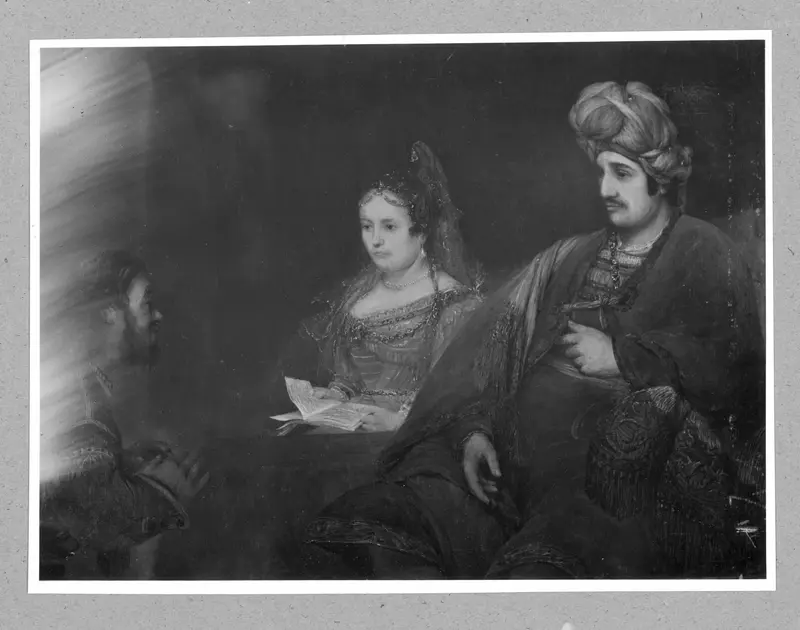
Hamas before Ahasver
Aert de Gelder
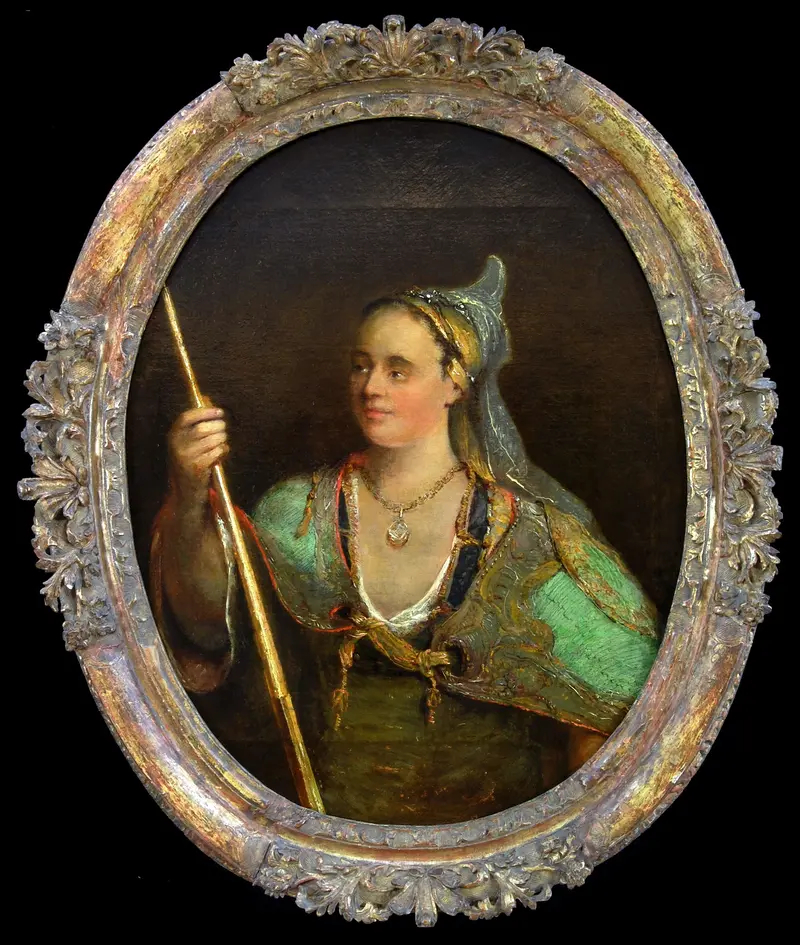
A female allegorical figure
Aert de Gelder
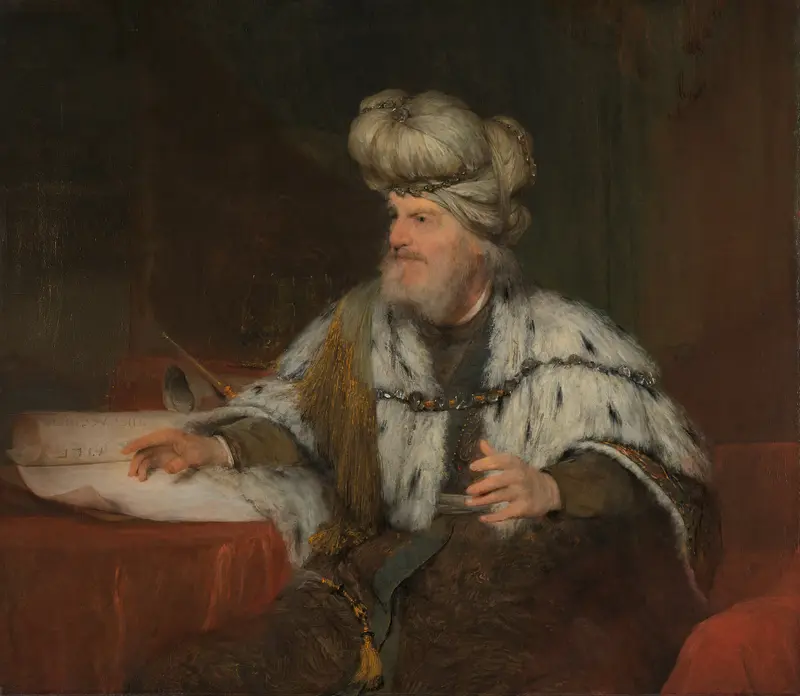
King David
Aert de Gelder
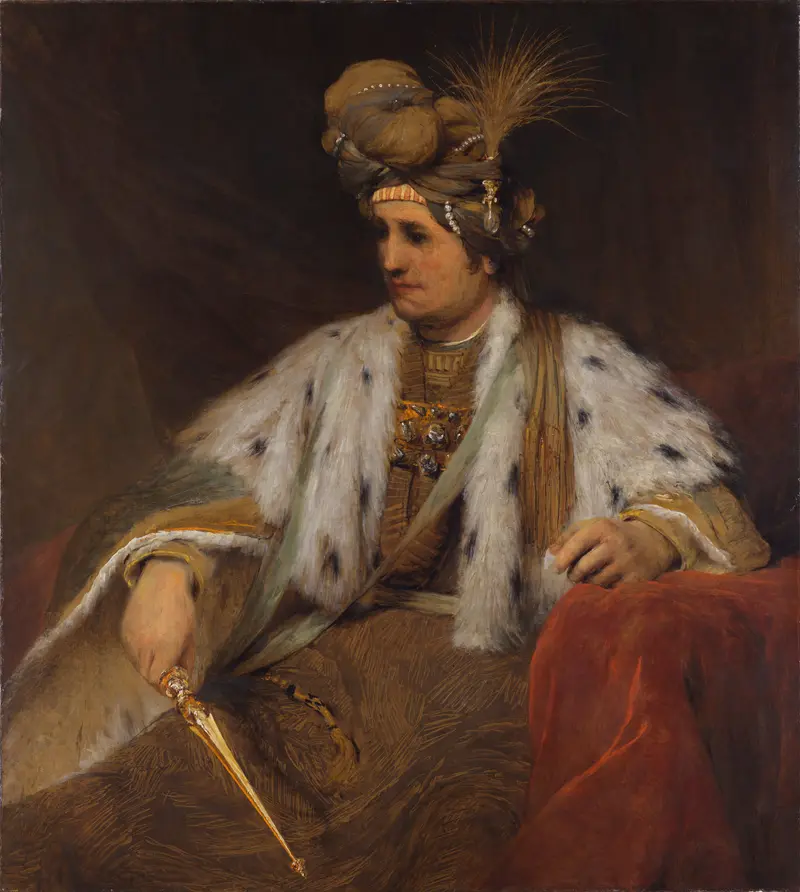
Old Testament Figure, Probably King Solomon
Aert de Gelder





