
Portrait of Herman Langelius — History & Facts
In the bustling city of Haarlem in the 1660s, Frans Hals was renowned for his swift brushwork and the uncanny vitality of his portraits. What sets Portrait of Herman Langelius apart is its subject’s own role in the city: Langelius was a respected preacher at the Grote Kerk, and this painting is one of the last known works Hals completed before his death in 1666. The commission itself speaks to Langelius’s status among Haarlem’s elite, as only the most prominent citizens could afford to sit for the aging master.
The portrait’s date, 1660, places it in the twilight of Hals’s career, when his style had grown looser and more introspective. Langelius sits turned slightly towards the viewer, his right hand resting gently on a closed book—likely a Bible, signaling his vocation. His gaze is direct, but softened by age and perhaps by the wisdom of his calling. The black robe and plain white collar mark him as a man of the Reformed Church, while the subdued palette and flickering highlights on his face and hands draw attention to his humanity rather than his office.
Hals’s brushwork here is freer than in his earlier, more formal portraits, the paint almost sketch-like in places, as if the artist were racing time itself. Compared to Rembrandt’s more psychological studies, Hals’s approach feels immediate, catching the fleeting presence of Langelius rather than delving into introspection. The original patron was almost certainly Langelius or his congregation, but the painting’s early history is not well documented. Like many of Hals’s late works, it fell out of favor in the 18th century, only to be rediscovered by collectors and scholars in the 19th and 20th centuries.
Attribution was never seriously in doubt, thanks to the unmistakable handling and the sitter’s identity, which is confirmed by period records. Today, Portrait of Herman Langelius stands as a testament to Hals’s late style and his enduring ability to capture the character of Haarlem’s citizens, even as his own fortunes waned. The painting remains a touchstone for understanding the evolution of Dutch portraiture in the final years of the Golden Age.
More Artworks by Frans Hals

Banquet of the Officers of the St George Civic Guard
Frans Hals

Portrait of Jacob Pietersz Olycan (1596-1638)
Frans Hals
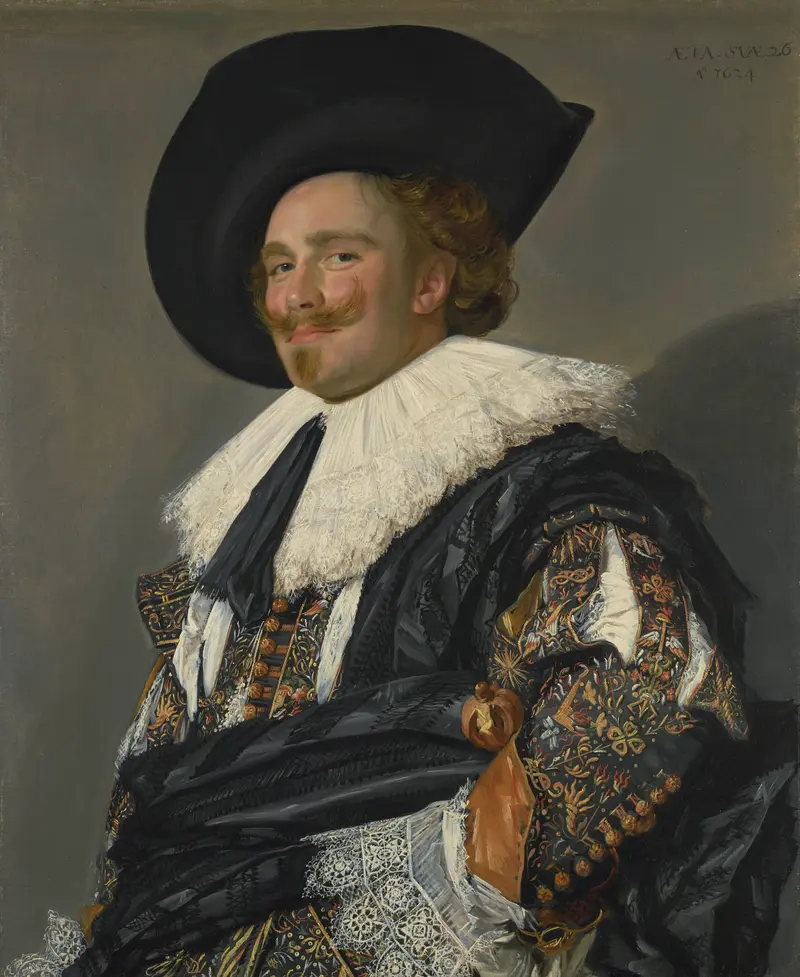
Laughing Cavalier
Frans Hals

Militia Company of District XI under the Command of Captain Reynier Reael, Known as ‘The Meagre Company’
Frans Hals
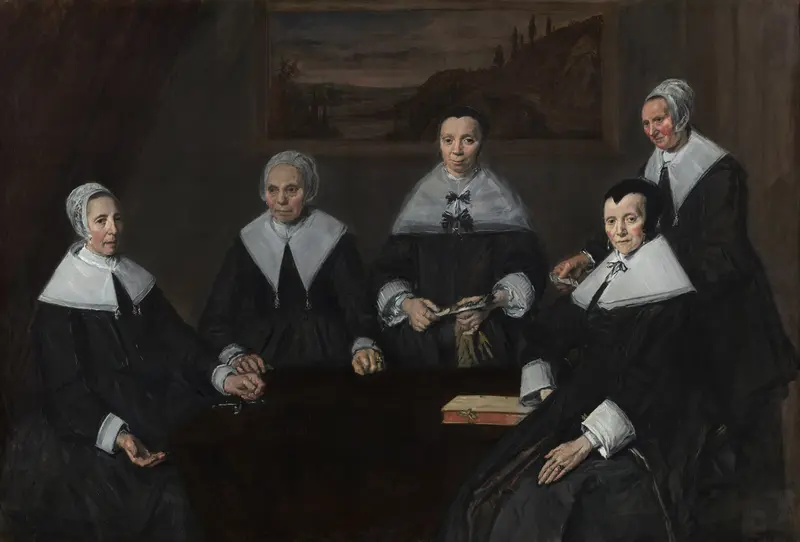
Regentesses of the Old Men's Alms House
Frans Hals
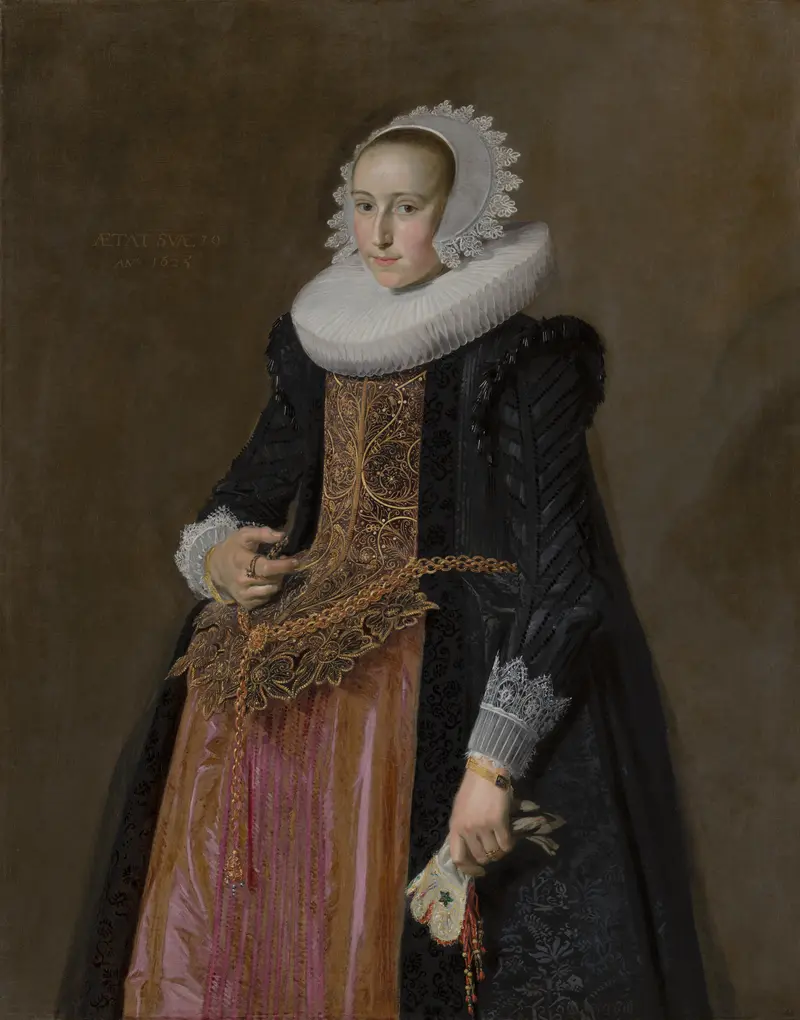
Portrait of Aletta Hanemans (1606–1653)
Frans Hals
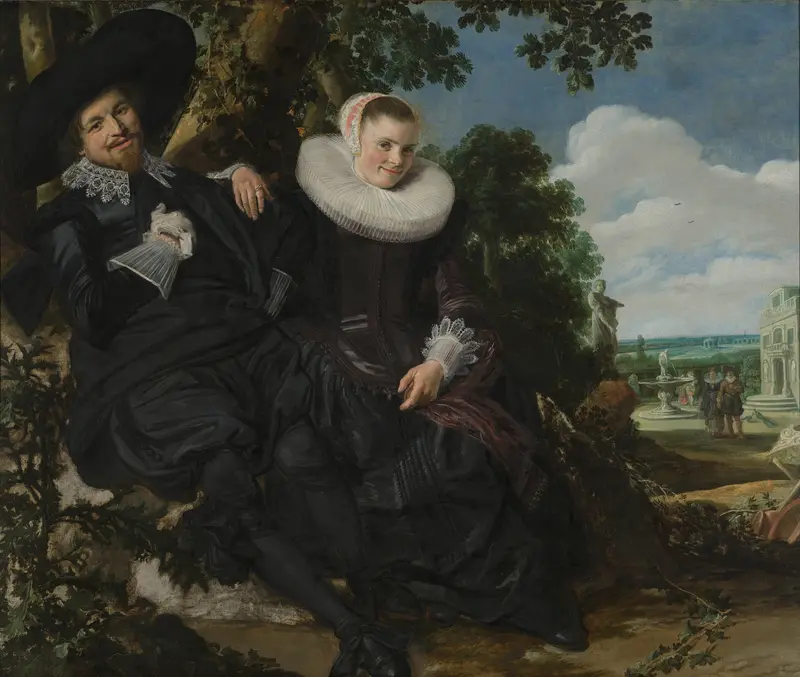
Portrait of a Married Couple, Likely Isaac Abrahamsz Massa and Beatrix van der Laen
Frans Hals
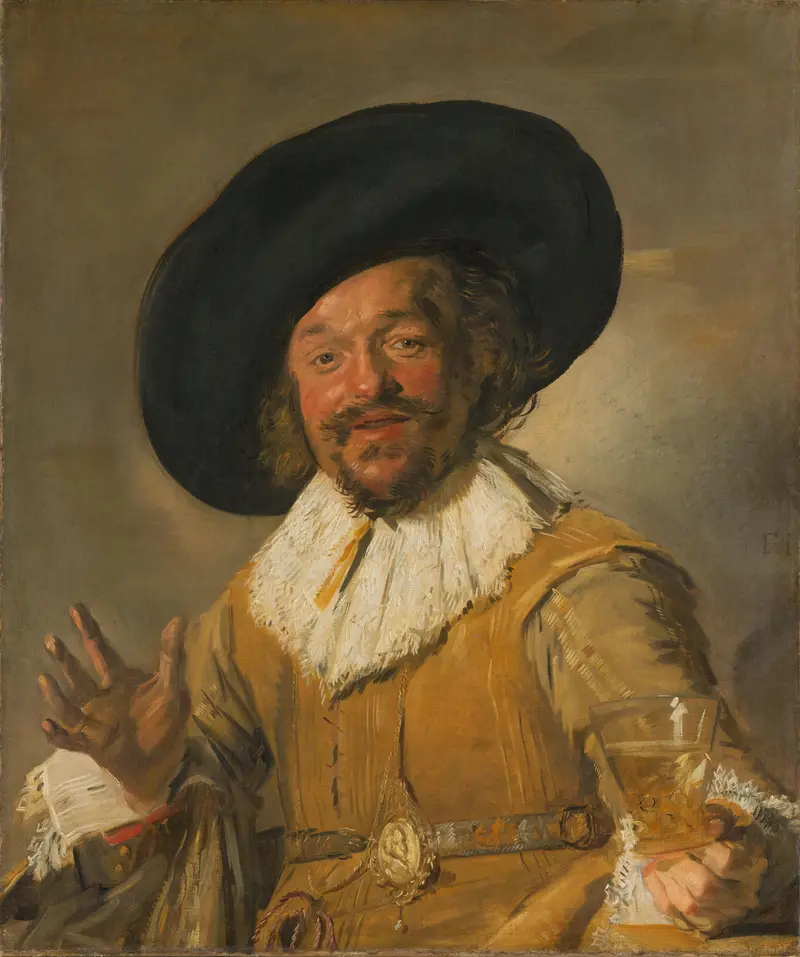
The Merry Drinker
Frans Hals
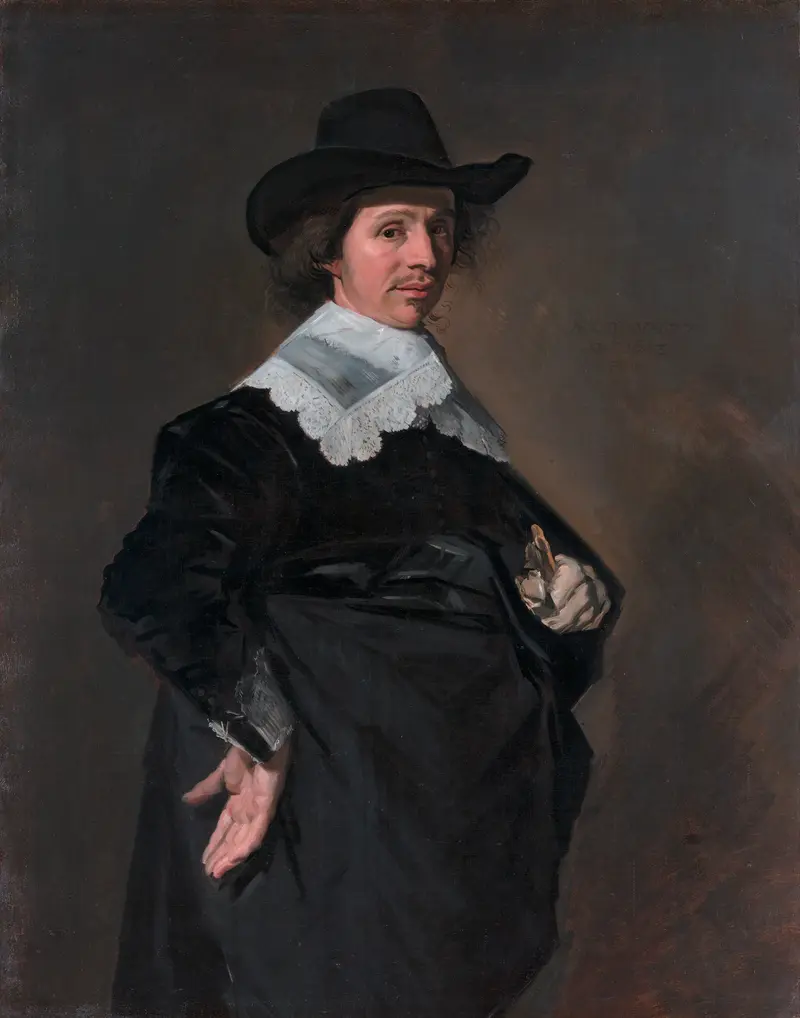
Portrait of Paulus Verschuur
Frans Hals
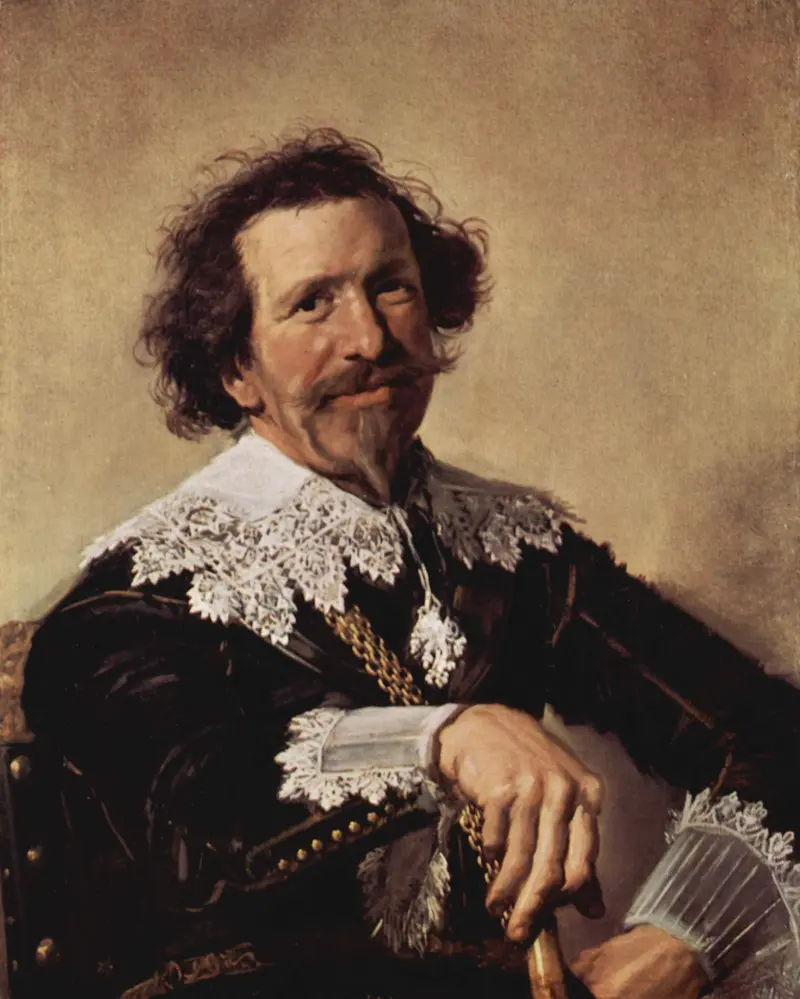
Portrait of Pieter van den Broecke
Frans Hals





