
Portrait of Jacob Bas Claesz (1536-89), mayor of Amsterdam — History & Facts
The first thing to catch the eye is the crisp, almost sculptural ruff that frames the sitter’s face—a marvel of painted linen, each fold casting a subtle shadow, drawing attention to the thoughtful, steady gaze of a man in his prime. The sitter’s eyes do not confront the viewer directly; instead, they seem to weigh something just out of sight, as if the responsibilities of office linger even in this moment of stillness. The family crest in the upper left corner quietly asserts lineage and status, while the dark, almost velvety background gives the face and collar a luminous presence.
The fur lining at the edge of his garment adds a note of restrained luxury, signaling both wealth and the sober dignity expected of a mayor of Amsterdam. This portrait, painted in 1586 by Adriaen Thomasz. Key, belongs to a world where the city’s leaders commissioned likenesses not only to record their features, but to embody civic virtues and family pride. In late sixteenth-century Amsterdam, such portraits were both personal and public—displayed in homes or town halls, they spoke of service, reputation, and the growing power of the urban elite.
The sober palette and meticulous detail reflect the values of the Dutch Renaissance: clarity, order, and a quiet assertion of identity. Though history has kept few traces of Jacob Bas Claesz beyond his office and his image, the painting invites us to meet his gaze and imagine the world he helped shape.
More Artworks by Adriaen Thomasz. Key
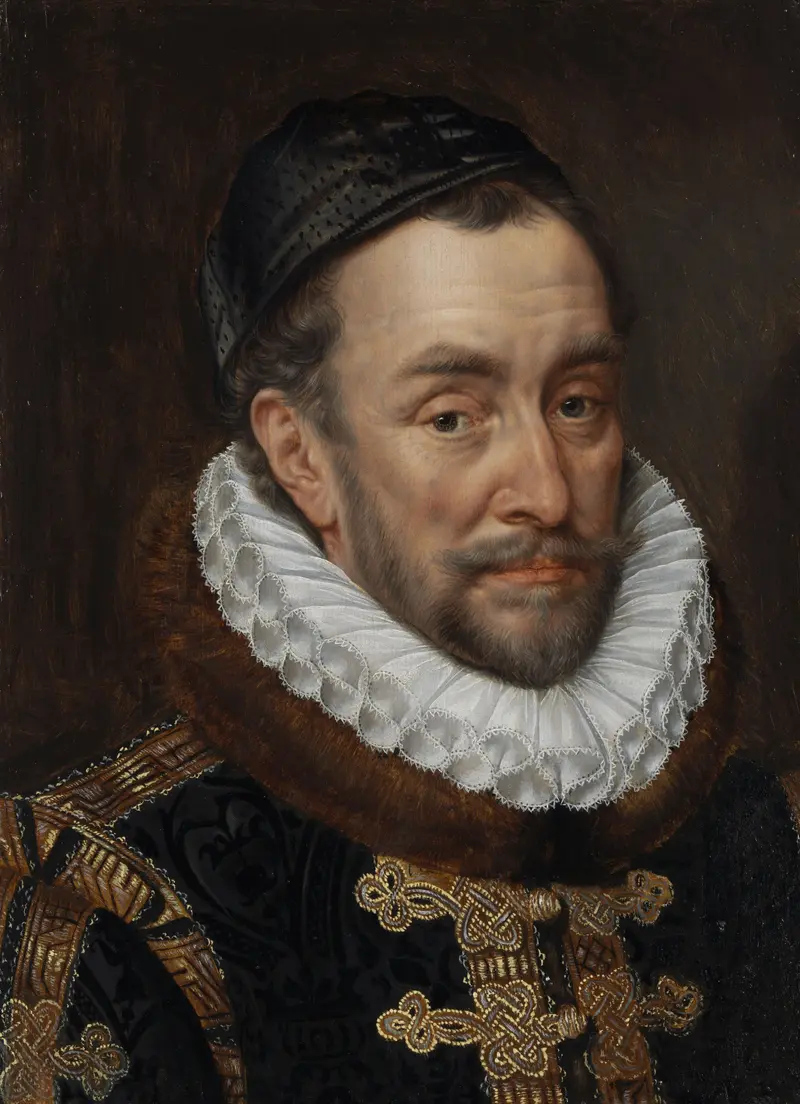
Portrait of William I, Prince of Orange
Adriaen Thomasz. Key
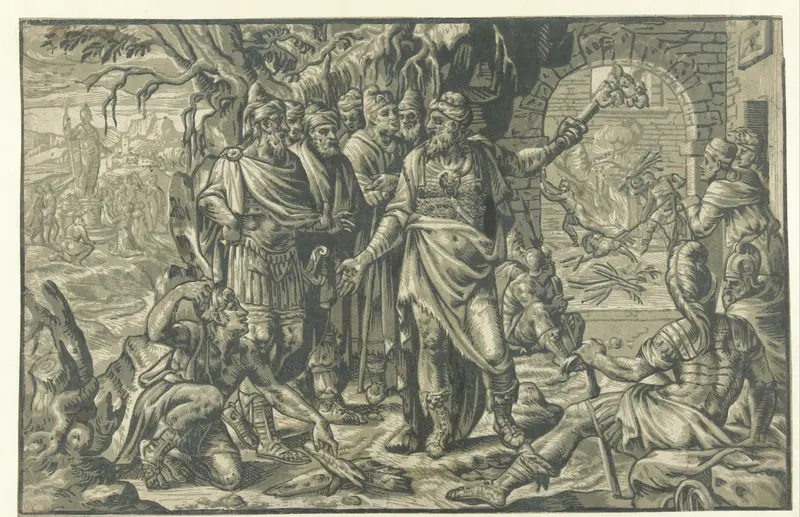
Nebukadnezar werpt de drie jongelingen in de vurige oven
Adriaen Thomasz. Key
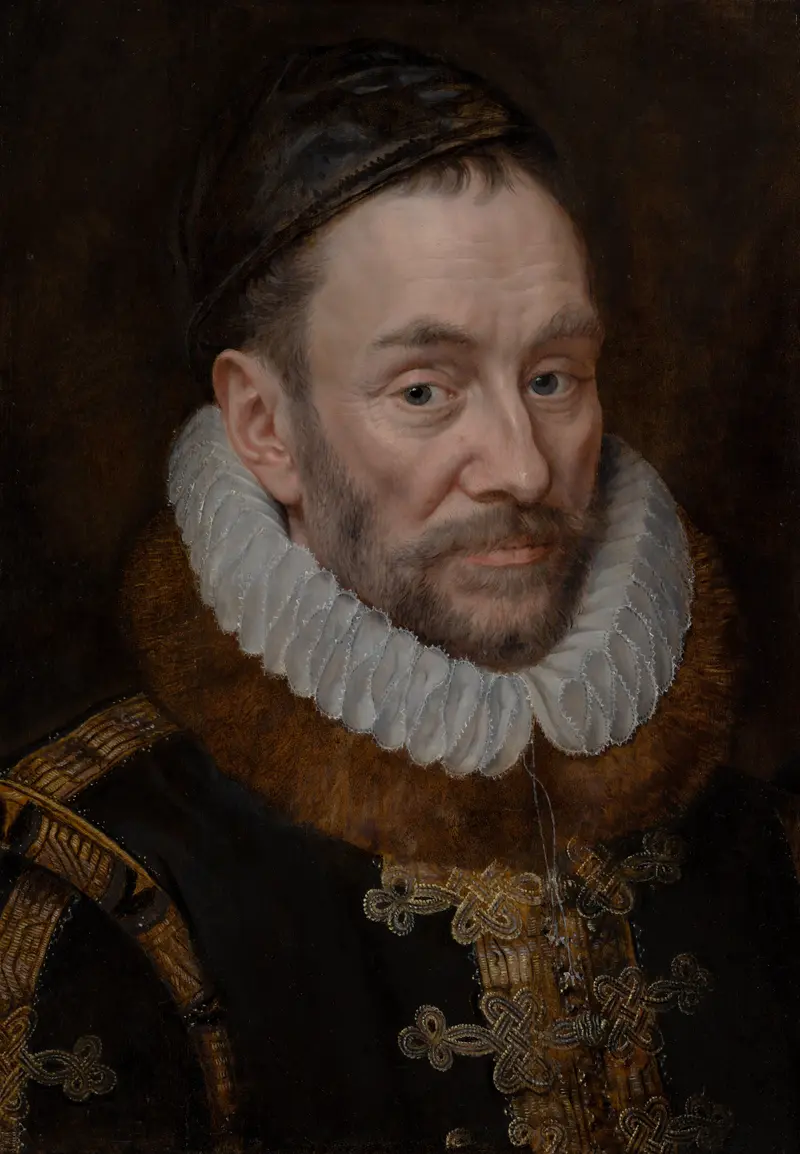
Portrait of William I (1533-1584), Prince of Orange
Adriaen Thomasz. Key
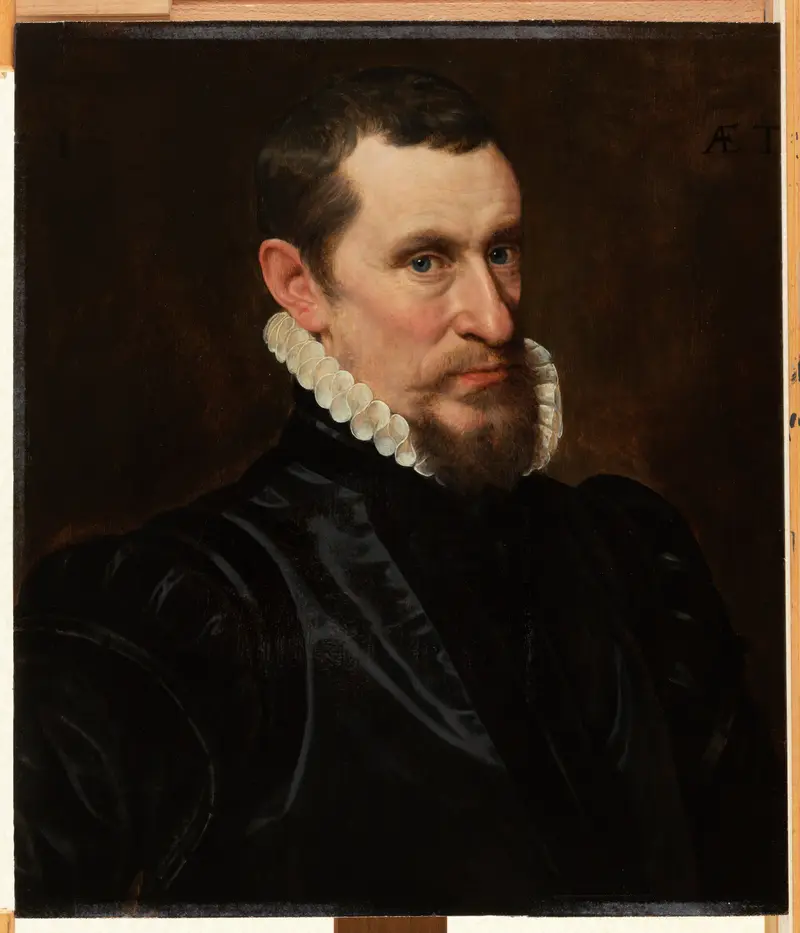
Portrait of Gillis Beys
Adriaen Thomasz. Key
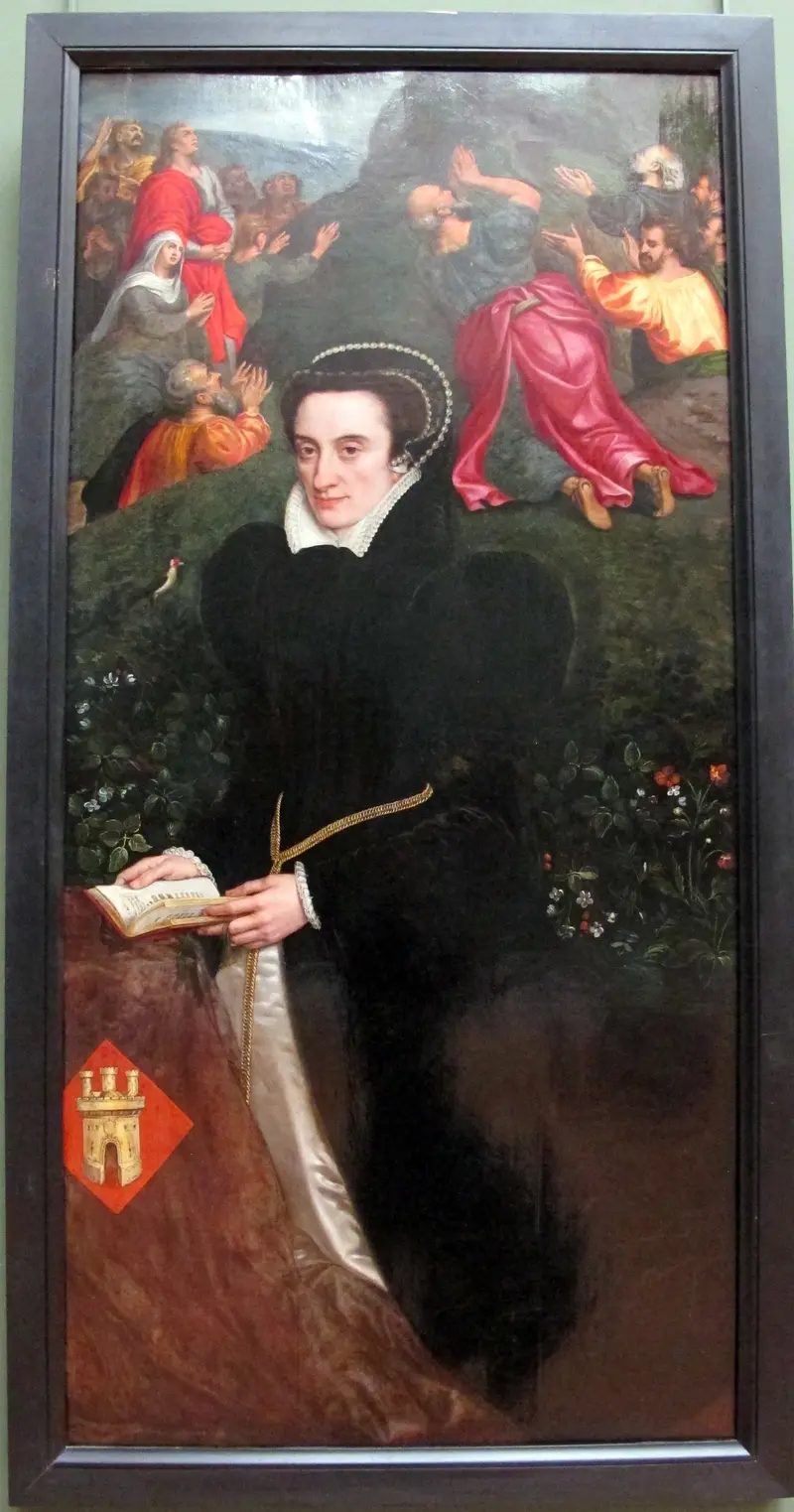
Leonor Lopez de Villanueva, Wife of Antonio del Rio
Adriaen Thomasz. Key
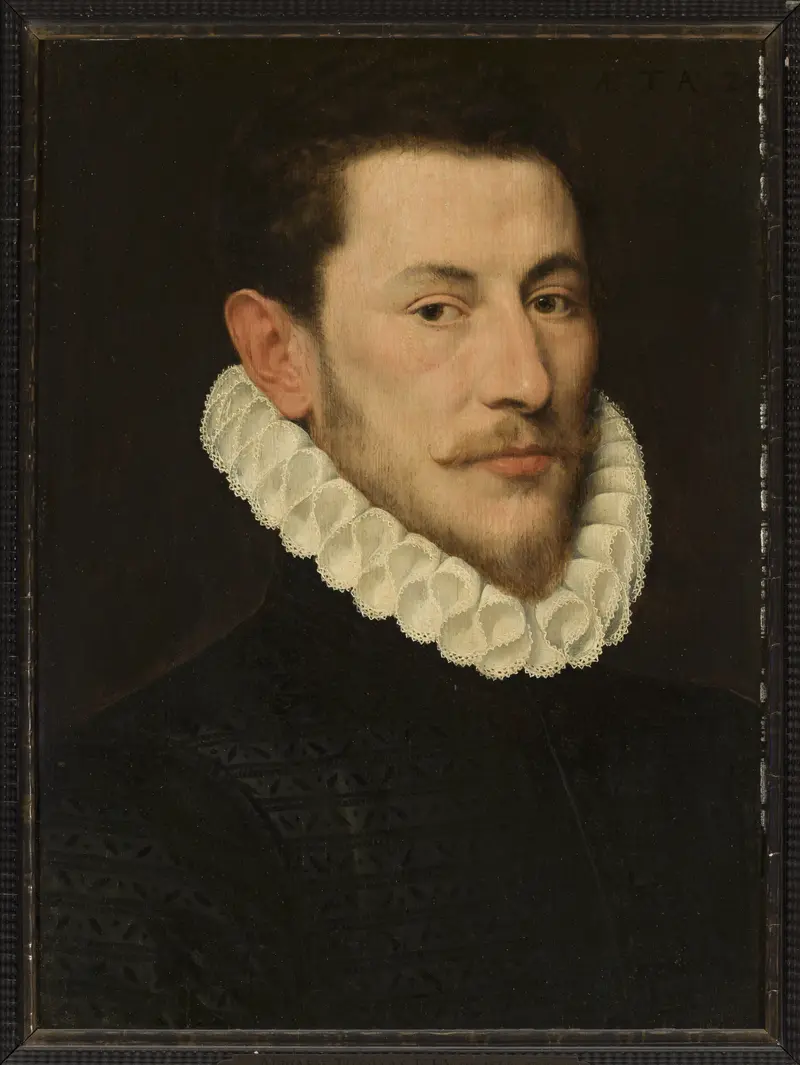
Portrait of a young man
Adriaen Thomasz. Key
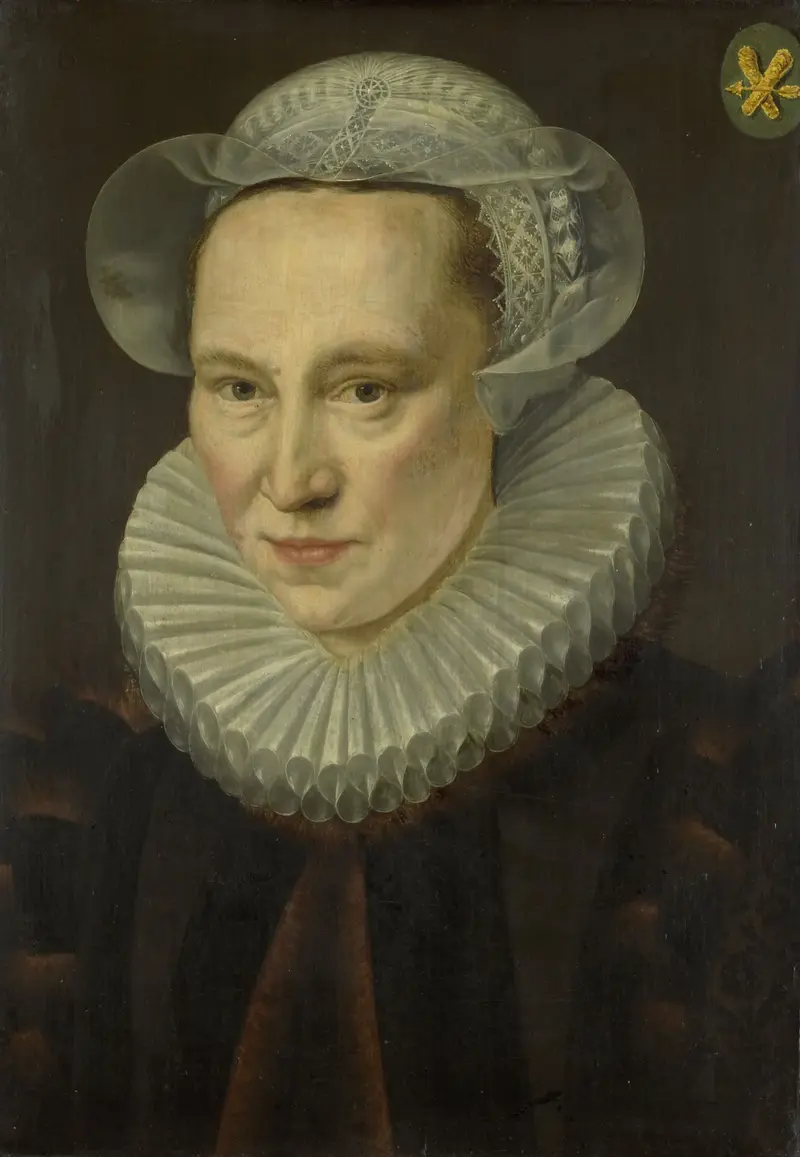
Portrait of Grietje Pietersdr Codde (d. 1607), wife of Jacob Bas
Adriaen Thomasz. Key
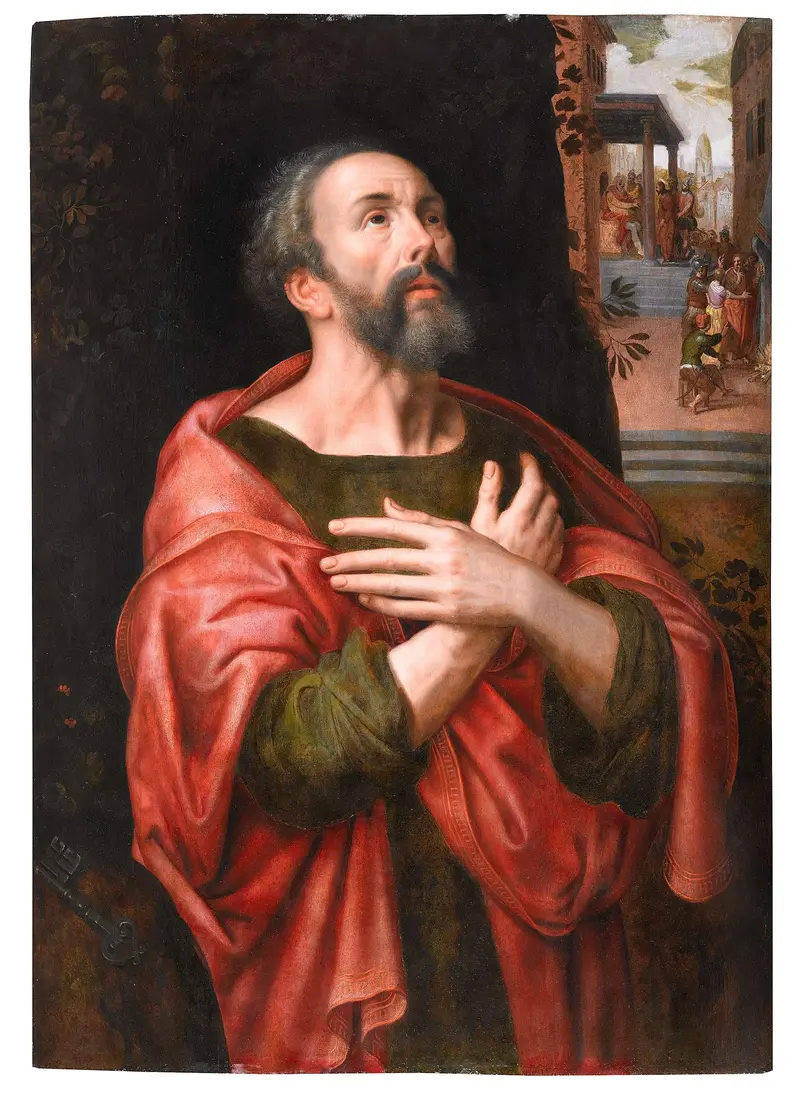
St. Peter Penitent
Adriaen Thomasz. Key
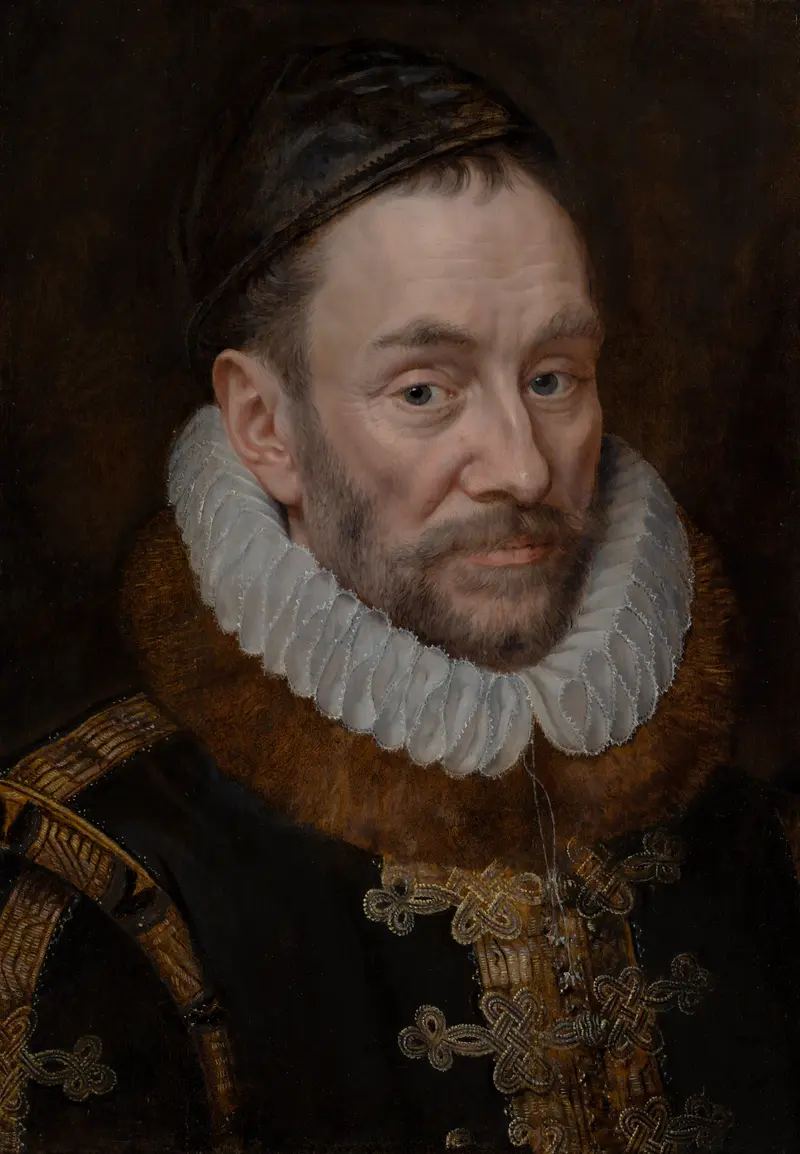
William I, Prince of Orange, known as William the Silent
Adriaen Thomasz. Key
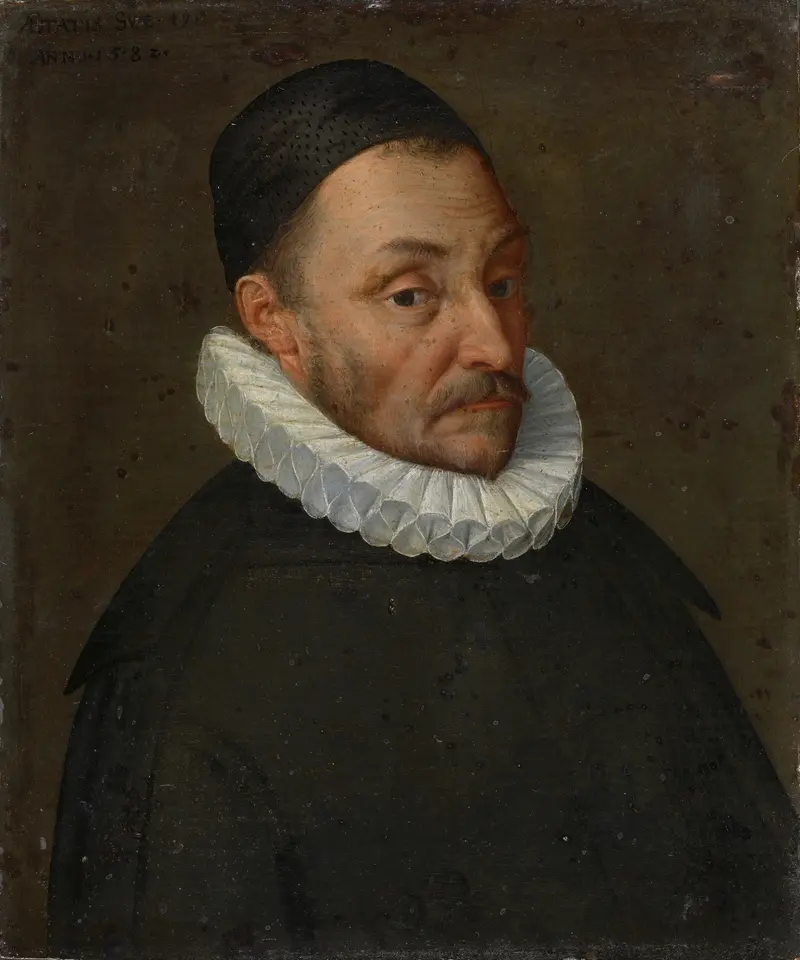
Willem of Orange (1533-1584), leader of the Dutch revolt against Spain
Adriaen Thomasz. Key





