
Portrait of Jean de la Chambre — History & Facts
When Frans Hals painted Portrait of Jean de la Chambre in 1638, he captured not just the likeness but the spirit of one of Haarlem’s most respected schoolmasters. Jean de la Chambre was a prominent figure in the city’s French-speaking community, and his portrait was likely commissioned to mark his ascent as rector of the local French school—a post of considerable prestige. The painting stands out for its lively immediacy, a hallmark of Hals’s work, and for centuries it was admired as a model of how to portray intellect and character without resorting to stiff formality.
Remarkably, several versions and copies of this portrait exist, attesting to its popularity and the sitter’s local renown. At the heart of the painting, de la Chambre gazes out with a composed yet alert expression, his lips parted as if about to speak. He is dressed in sober black, the white of his ruff and cuffs crisply illuminated, signaling both his profession and his moral standing. His right hand, delicately poised, holds a quill—an emblem of his vocation as a teacher and writer—while his left rests on a book, perhaps a nod to the humanist values he championed.
The loose, confident brushwork animates the sitter’s features, a technique that sets Hals apart from contemporaries like Rembrandt, whose portraits often dwell on introspection and shadow. Here, the light falls broadly, inviting the viewer into a moment of intellectual engagement. The painting’s early history is not fully documented, but it is believed to have remained in Haarlem for generations, cherished by the de la Chambre family and their descendants. Over time, it passed through the hands of Dutch collectors before entering public collections in the 19th century, as appreciation for Hals’s lively style grew.
Today, Portrait of Jean de la Chambre is recognized as a key example of Hals’s mature period, when his portraits became more animated and psychologically nuanced. It now hangs in the Musée du Louvre, a testament to both the enduring appeal of Hals’s vision and the intellectual legacy of his sitter.
More Artworks by Frans Hals

Banquet of the Officers of the St George Civic Guard
Frans Hals

Portrait of Jacob Pietersz Olycan (1596-1638)
Frans Hals

Laughing Cavalier
Frans Hals

Militia Company of District XI under the Command of Captain Reynier Reael, Known as ‘The Meagre Company’
Frans Hals

Regentesses of the Old Men's Alms House
Frans Hals
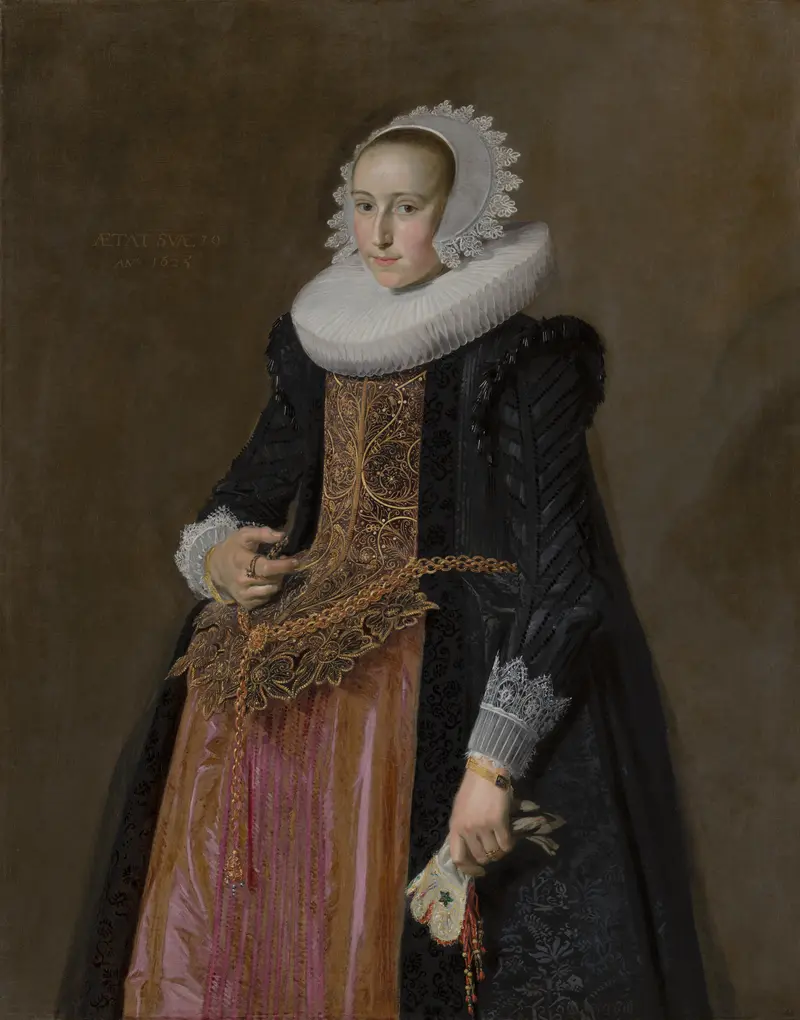
Portrait of Aletta Hanemans (1606–1653)
Frans Hals

Portrait of a Married Couple, Likely Isaac Abrahamsz Massa and Beatrix van der Laen
Frans Hals
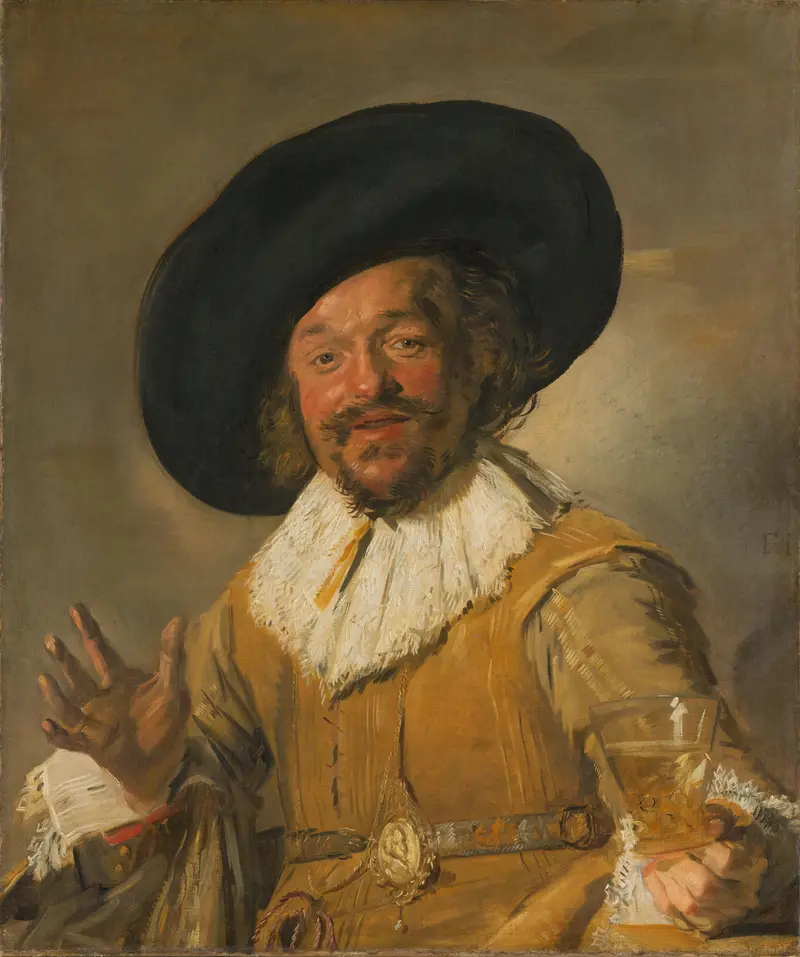
The Merry Drinker
Frans Hals

Portrait of Paulus Verschuur
Frans Hals

Portrait of Pieter van den Broecke
Frans Hals





