
Portrait of Johan de Mauregnault (1540-1587) — History & Facts
What first seizes the eye in Portrait of Johan de Mauregnault (1540-1587) is the extraordinary clarity with which presence is conjured: the sitter’s gaze, direct and cool, meets the viewer just above the shoulder, while every polished rivet in the armor catches the light like a badge of hard-won authority. The painter, Adriaen Thomasz. Key, has chosen a moment of poised readiness—one hand resting on the hilt of a sword, the other planted with confidence on the hip.
The ruff at his neck, crisp as parchment, frames a face that seems both wary and proud, the beard meticulously trimmed, the eyes alive with calculation. Above him, a coat of arms floats in the darkness, its Latin motto unfurled like a challenge. This is the language of power as spoken in sixteenth-century Antwerp. Portraits like this were not mere likenesses, but declarations: the armor is ceremonial, its etched designs and gleaming surface meant to signal both martial prowess and social rank.
The sitter’s posture—upright, but not stiff—suggests a man accustomed to command, while the painter’s careful rendering of textures, from metal to lace, draws the viewer into a world where status was displayed on the body itself. Unlike the more introspective faces seen in the work of Hans Holbein, Key’s subject is all outward assertion, his presence magnified by the deep, shadowed background that isolates him from any distraction. The effect is to make the sitter’s identity inseparable from his public role: a man defined by the armor he wears and the crest he claims. Painted sometime between 1500 and 1599, this work belongs to the collection of DAMS Antwerpen, a reminder of the city’s role as a crossroads of commerce, culture, and ambition during the Renaissance.
Portraits of this type were often commissioned by wealthy families or civic leaders eager to secure their place in the memory of their peers—and of posterity. While history has kept few traces of Johan de Mauregnault himself, the painting stands as a testament to the era’s fascination with lineage, reputation, and the careful staging of self. Stand before it, and you are invited not just to see a face, but to read a whole code of ambition and belonging written in steel, silk, and paint.
More Artworks by Adriaen Thomasz. Key
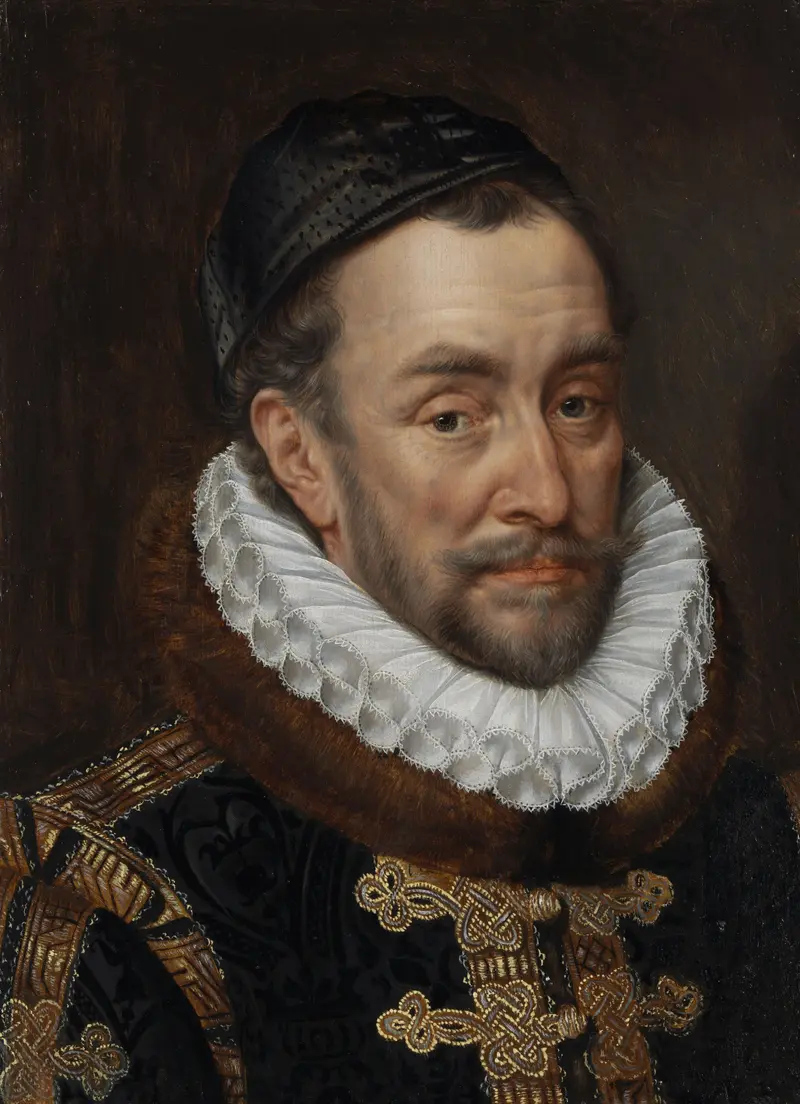
Portrait of William I, Prince of Orange
Adriaen Thomasz. Key
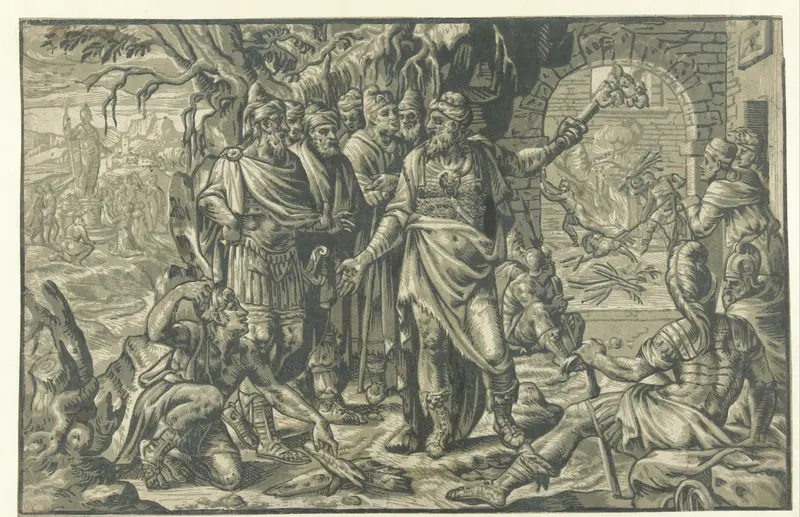
Nebukadnezar werpt de drie jongelingen in de vurige oven
Adriaen Thomasz. Key
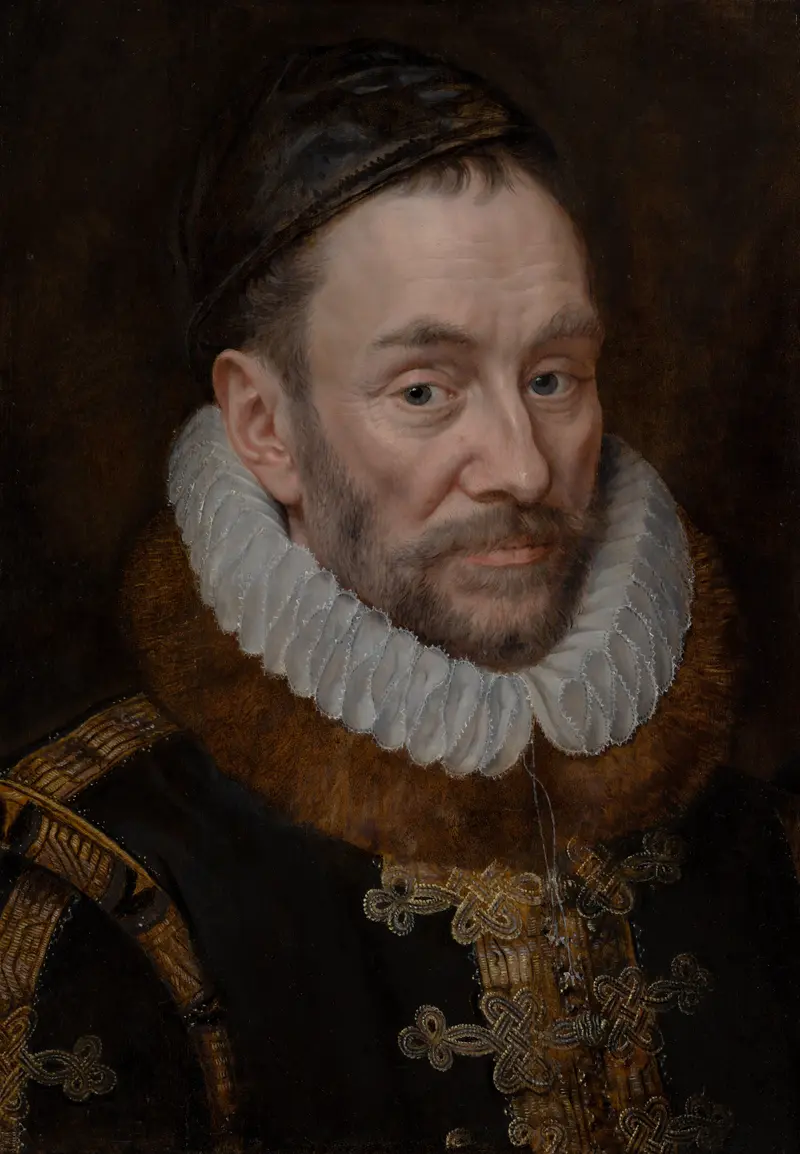
Portrait of William I (1533-1584), Prince of Orange
Adriaen Thomasz. Key
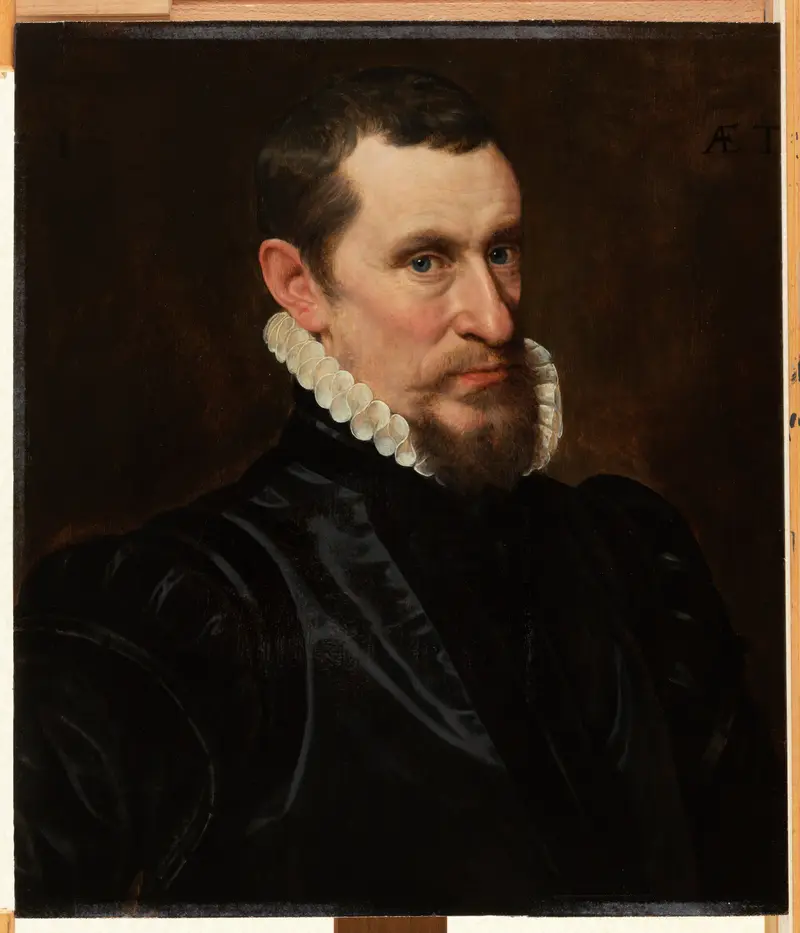
Portrait of Gillis Beys
Adriaen Thomasz. Key
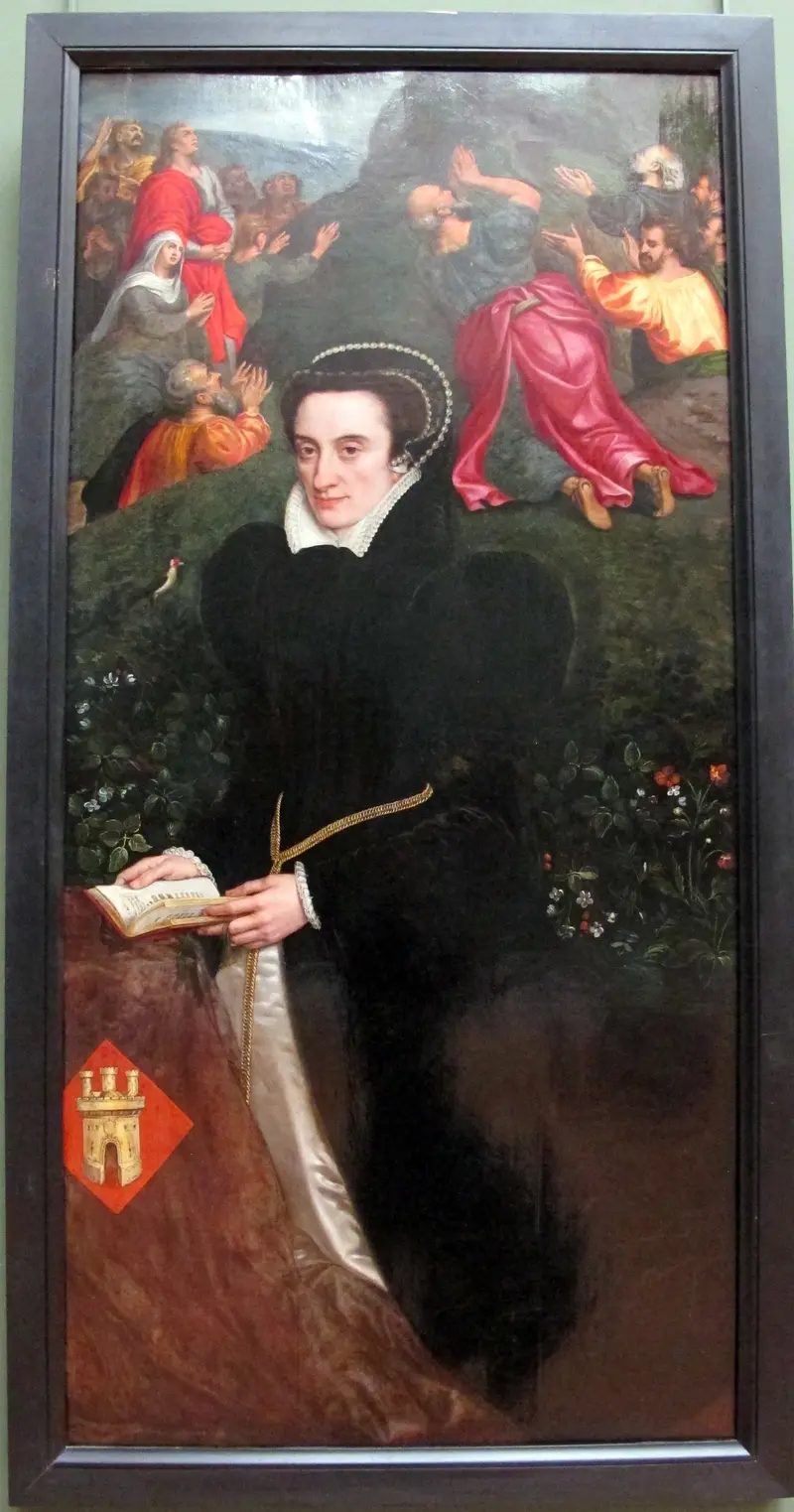
Leonor Lopez de Villanueva, Wife of Antonio del Rio
Adriaen Thomasz. Key
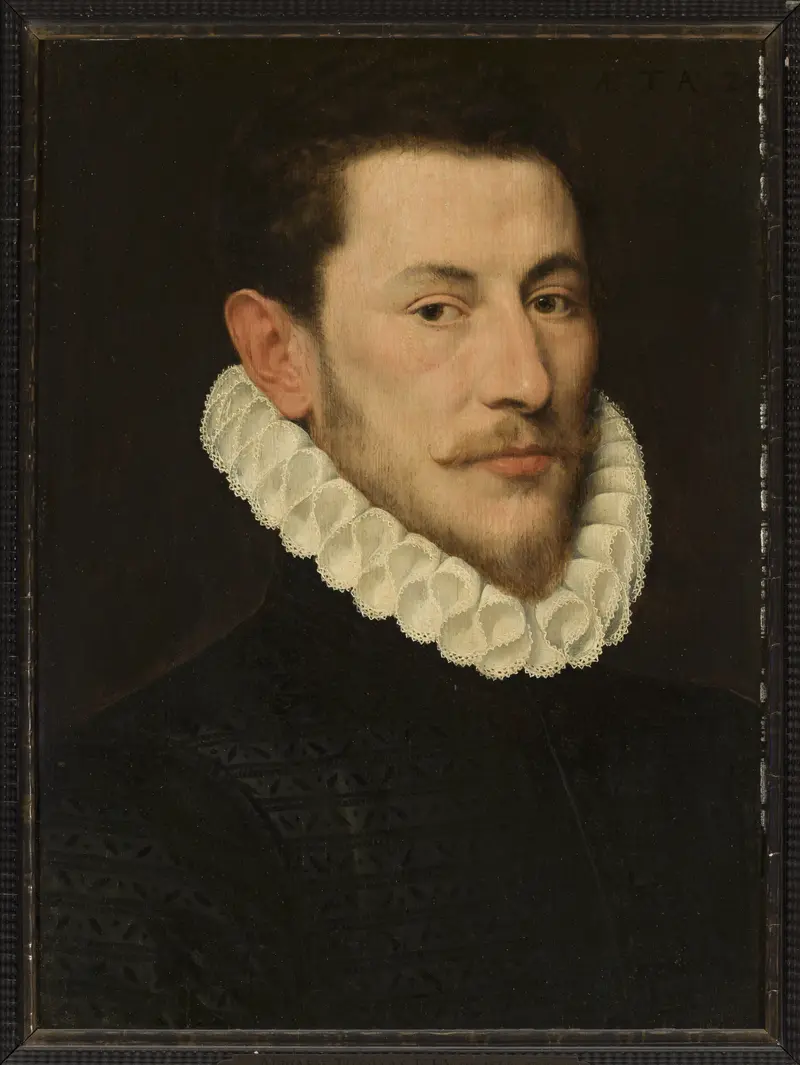
Portrait of a young man
Adriaen Thomasz. Key
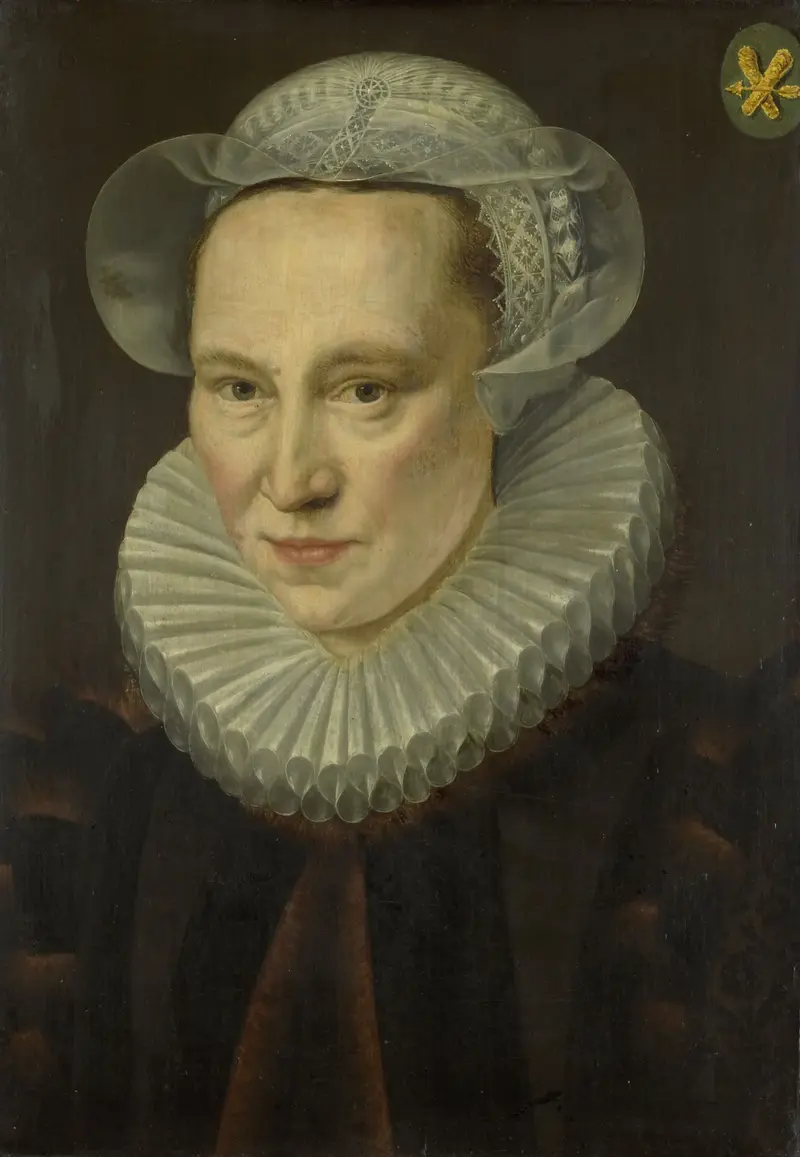
Portrait of Grietje Pietersdr Codde (d. 1607), wife of Jacob Bas
Adriaen Thomasz. Key
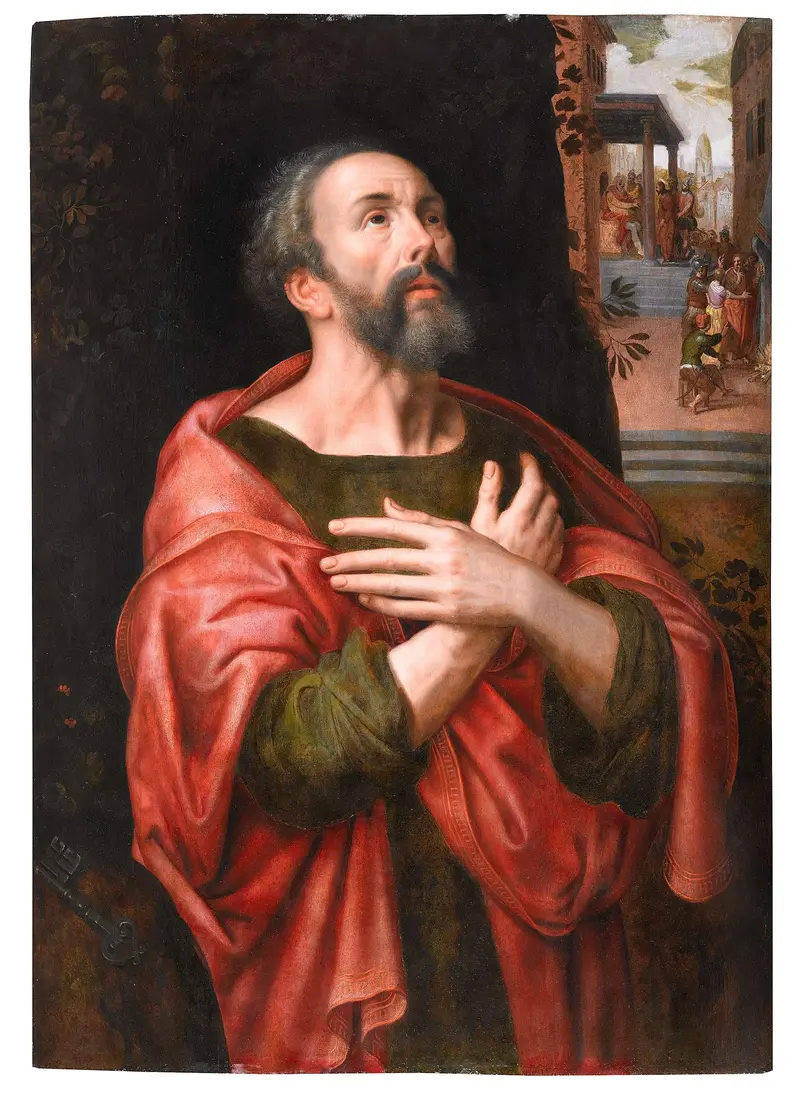
St. Peter Penitent
Adriaen Thomasz. Key
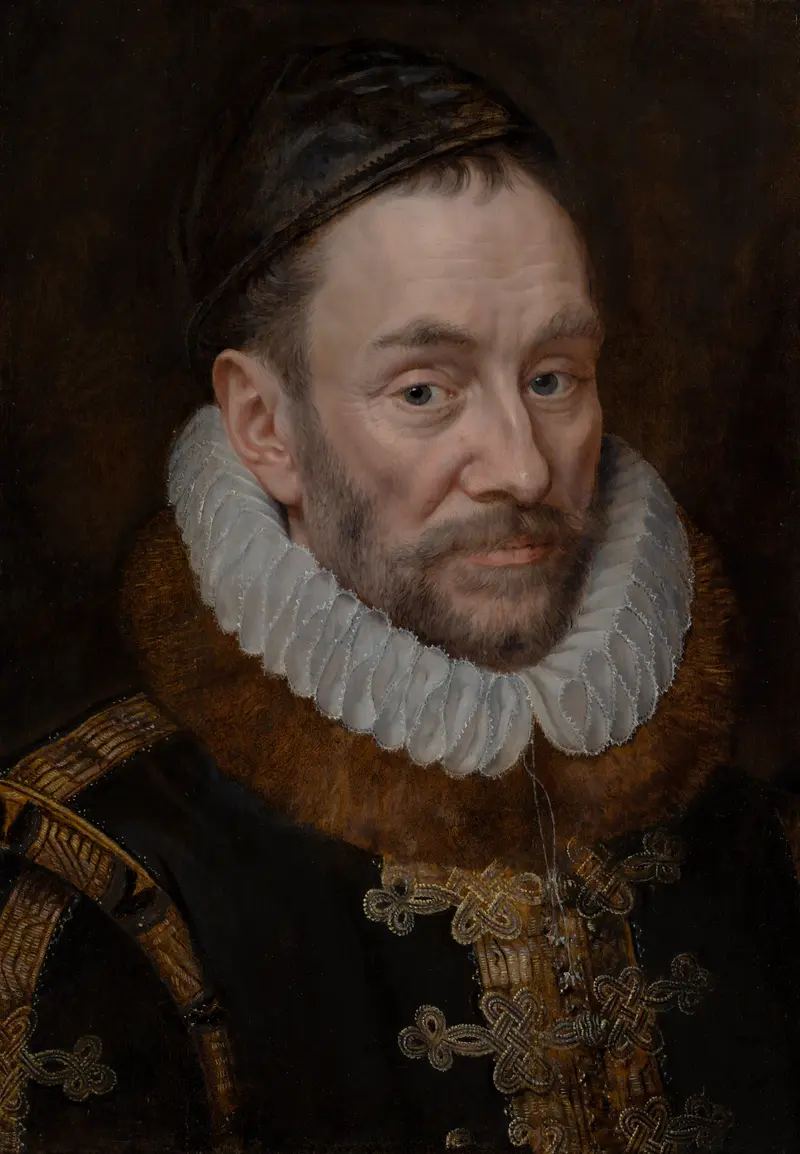
William I, Prince of Orange, known as William the Silent
Adriaen Thomasz. Key
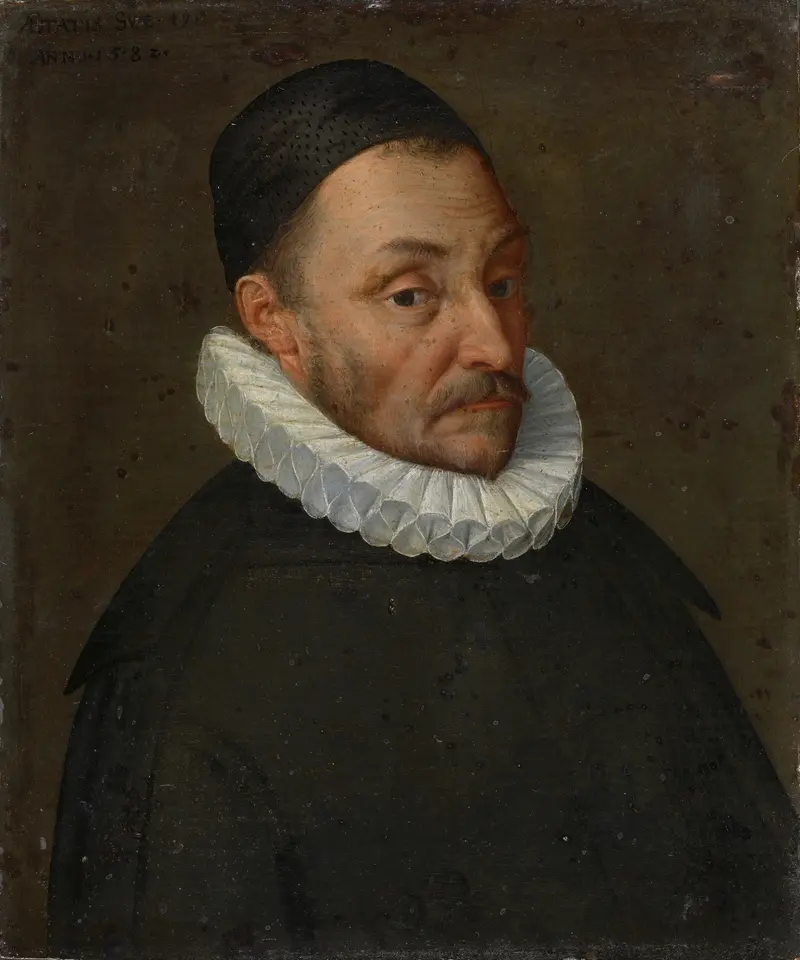
Willem of Orange (1533-1584), leader of the Dutch revolt against Spain
Adriaen Thomasz. Key





