
Portrait of Joseph Steffens from Altenahr — History & Facts
What holds the eye in Portrait of Joseph Steffens from Altenahr is the tension between the sitter’s rugged exterior and the quiet, searching intelligence in his gaze. The painter, Adolph Tidemand, builds the entire composition around the man’s face: weathered skin, tousled hair, and a red scarf knotted at the neck, all rendered with a tactile immediacy that makes the subject feel present. The background is nothing but a warm, earthy haze, pushing the figure forward and focusing every attention on the sitter’s furrowed brow and distant, thoughtful eyes.
The light falls from the left, catching the planes of his cheek and the bridge of his nose, but leaving the eyes in a subtle half-shadow—suggesting a life lived outdoors, and a mind turned inward. This portrait, painted in 1846 and now in the National Museum of Art, Architecture and Design, belongs to a moment in mid-19th-century Europe when artists sought out “real people” rather than the idealized types of earlier academic tradition. Painters like Tidemand traveled through rural regions, capturing the individuality and dignity of their sitters—often local figures whose names and stories are now half-lost to history. Such works were prized by collectors and national museums as records of regional character and social change, at a time when industrialization was rapidly altering the old ways of life.
The specifics of Joseph Steffens’ story may be obscure, but Tidemand’s brushwork preserves a sense of lived experience, inviting us to look again and wonder about the world behind those steady eyes.
More Artworks by Adolph Tidemand

Bridal Procession on the Hardangerfjord
Adolph Tidemand
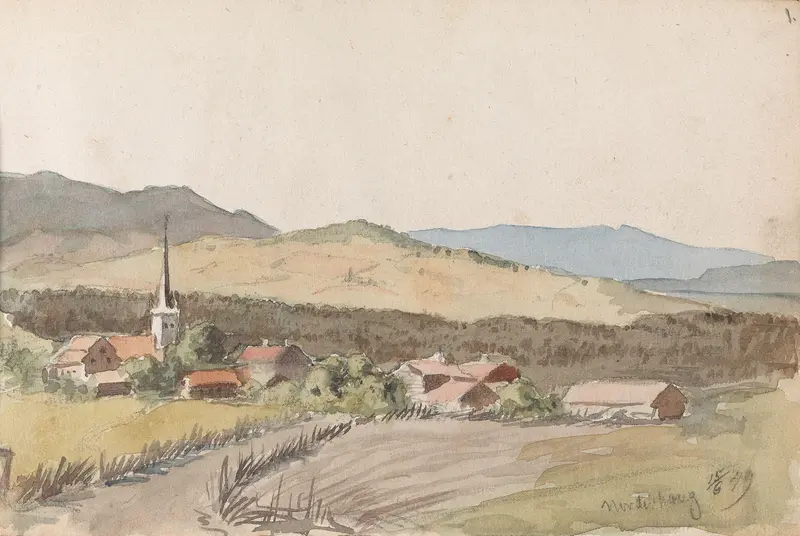
Fra Haugsbygd
Adolph Tidemand
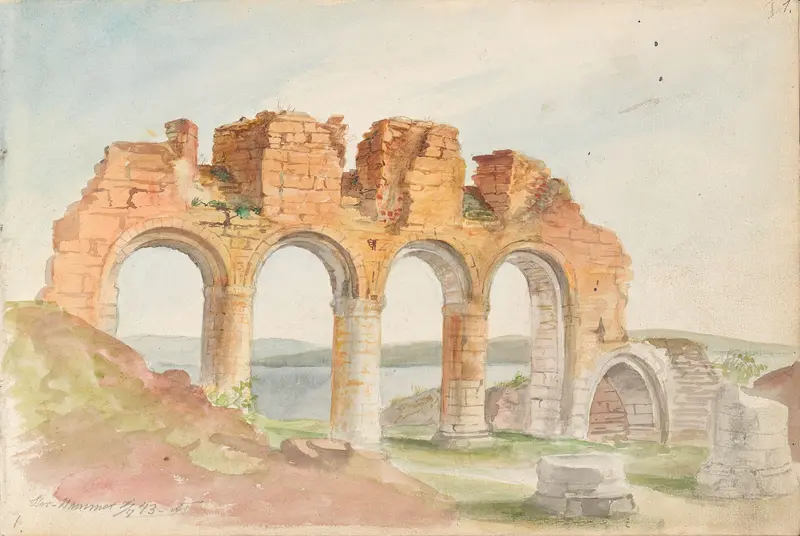
Domkirkeruinen, Hamar
Adolph Tidemand
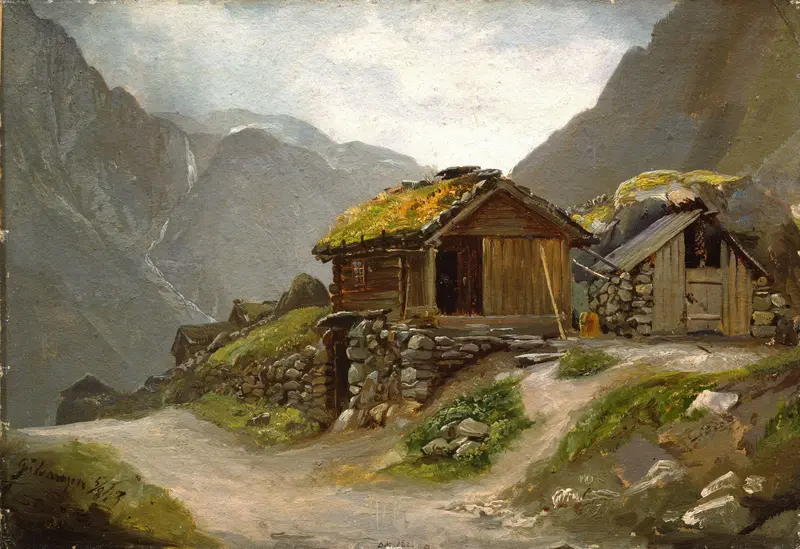
View from Gudvangen
Adolph Tidemand
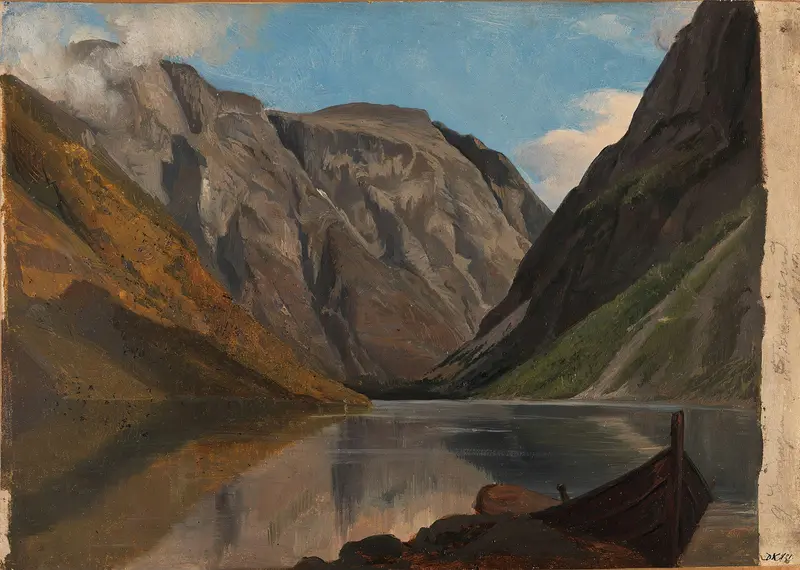
View of Gudvangen
Adolph Tidemand
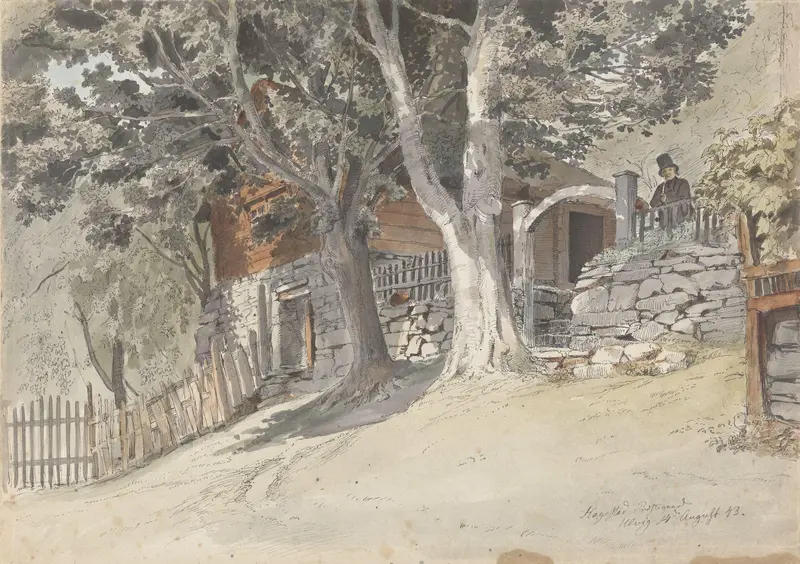
Hagestad prestegård, Ulvik i Hardanger
Adolph Tidemand
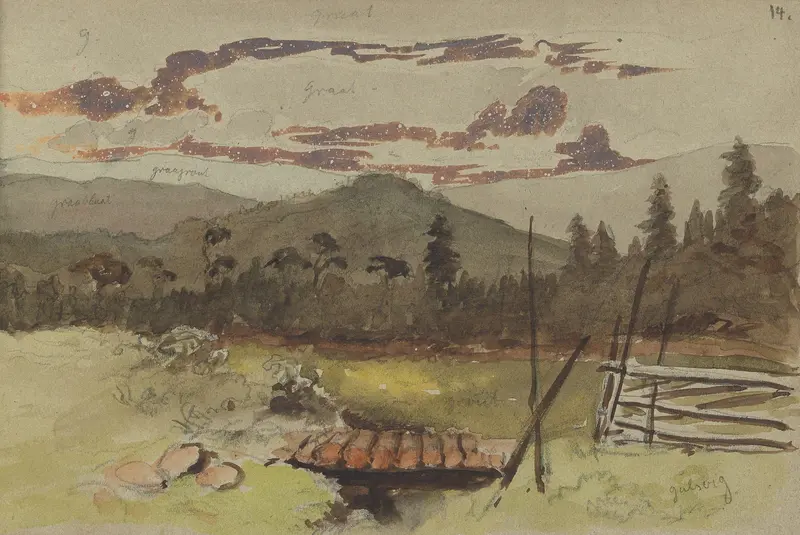
Fra Gulsvik
Adolph Tidemand
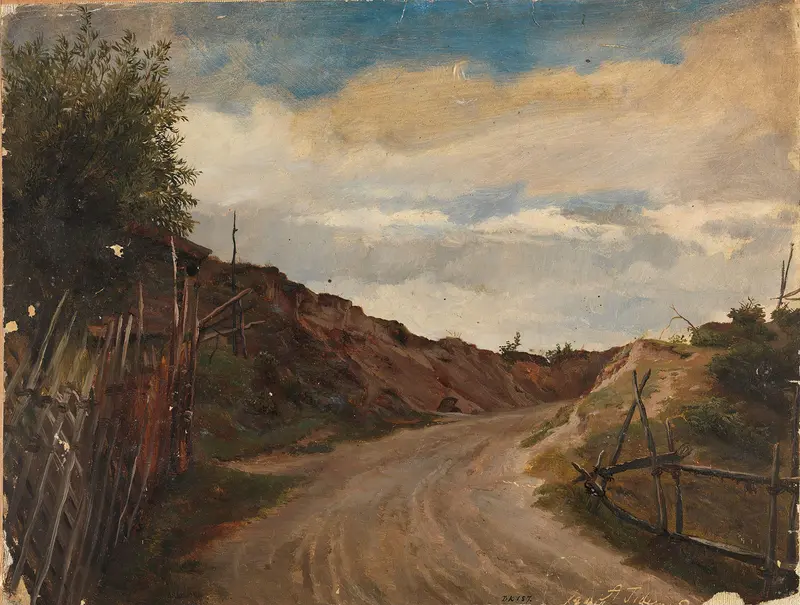
Country Road
Adolph Tidemand
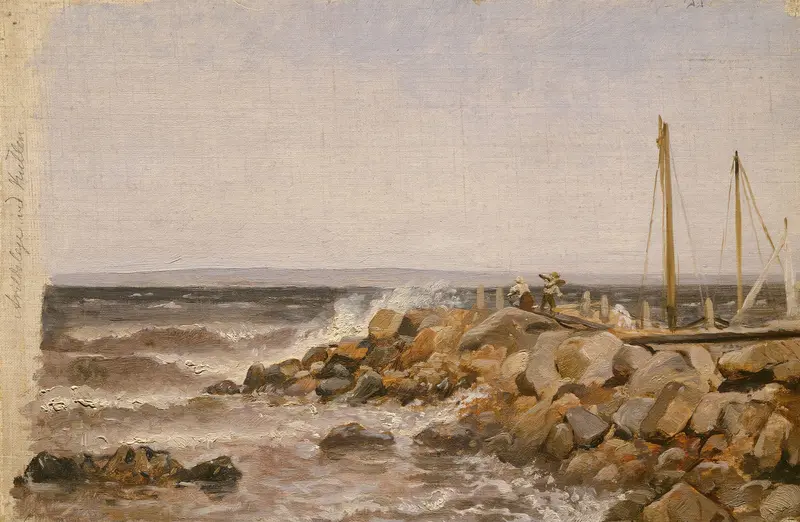
From Kullen in Sweden
Adolph Tidemand
Untitled
Adolph Tidemand





