
Portrait of Kazimierz Alchimowicz, painter — History & Facts
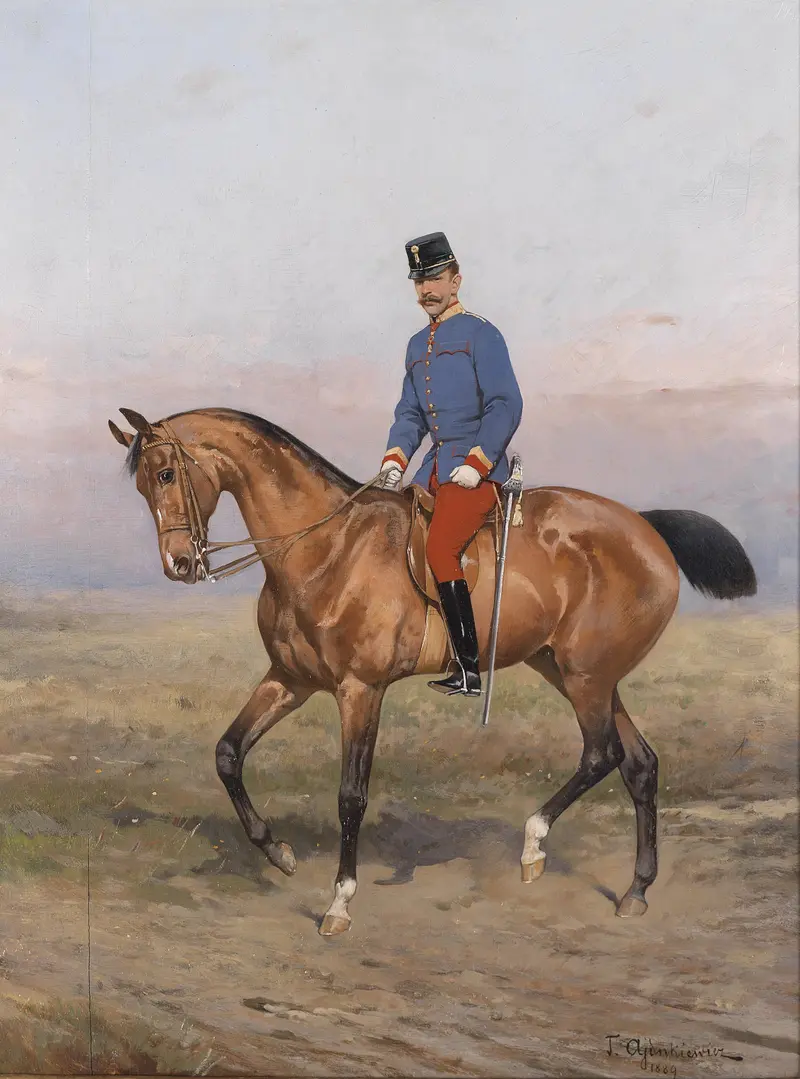
Few portraits so directly capture the camaraderie and rivalry of the Polish art world as Portrait of Kazimierz Alchimowicz, painter by Tadeusz Ajdukiewicz. The sitter, Kazimierz Alchimowicz, was not only a fellow artist but also a contemporary whose own work explored Polish folklore and national identity at a time when Poland was partitioned and its culture under threat. The painting stands as a rare visual dialogue between two painters navigating both personal ambition and collective purpose, reflecting the spirit of late 19th-century Polish artistic circles.
The exact date and circumstances of the commission remain uncertain, adding a layer of intrigue to the portrait’s origins. Ajdukiewicz chooses a moment of poised introspection, capturing Alchimowicz with a direct gaze that bridges viewer and sitter. The artist’s hand may rest on a palette or brush, subtle signals of his vocation, while the background is likely subdued, focusing all attention on the face and bearing of the subject. The lighting, gentle but clear, picks out the textures of clothing and the thoughtful expression, suggesting both the dignity and the burdens of an artist’s life.
Unlike the more formal, idealized portraits of the era, such as those by Jan Matejko, Ajdukiewicz’s approach feels immediate and personal, emphasizing psychological presence over grandeur. The physical history of Portrait of Kazimierz Alchimowicz, painter is not well documented, a fate shared by many privately commissioned likenesses of the period. It is likely that the work remained in the possession of Alchimowicz or his descendants for some time, before entering a public or institutional collection. Within Ajdukiewicz’s varied career—marked by travels across Europe and commissions from aristocrats and military figures—this portrait stands out for its intimacy and its focus on a peer rather than a patron.
Today, it offers viewers a glimpse not only into the likeness of Alchimowicz but into the artistic networks that shaped Polish painting at the turn of the century.
More Artworks by Tadeusz Ajdukiewicz
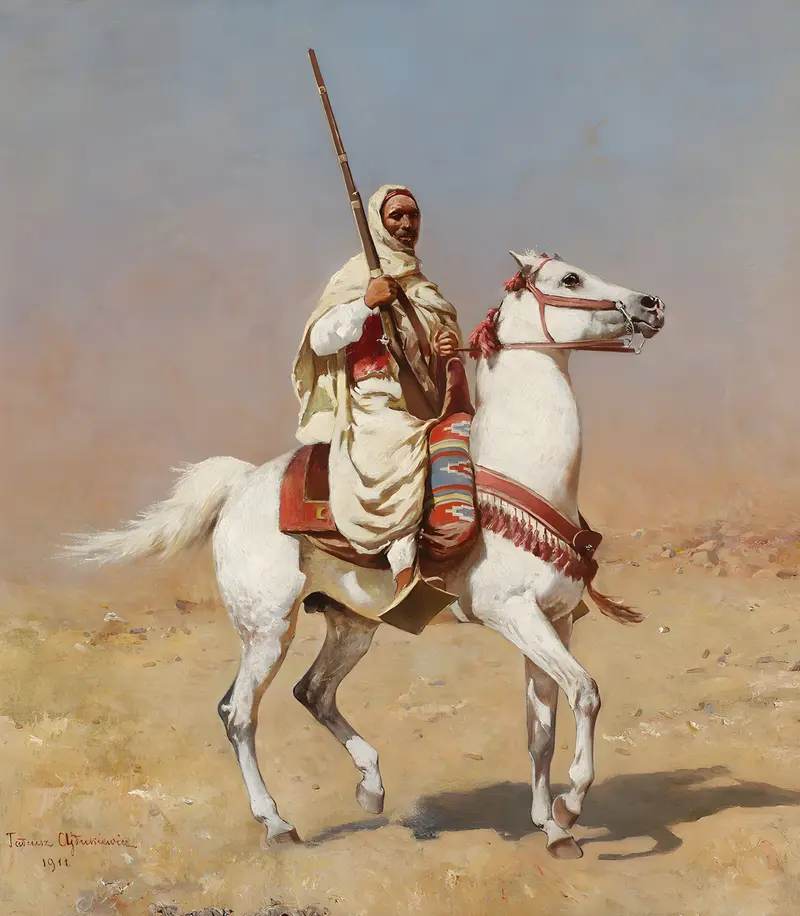
Arab on a grey horse
Tadeusz Ajdukiewicz
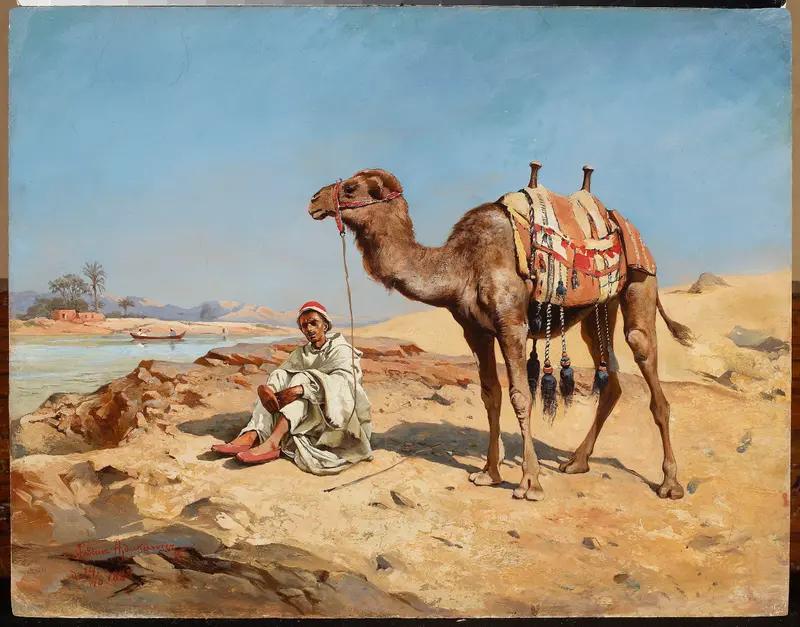
Arab in the desert
Tadeusz Ajdukiewicz
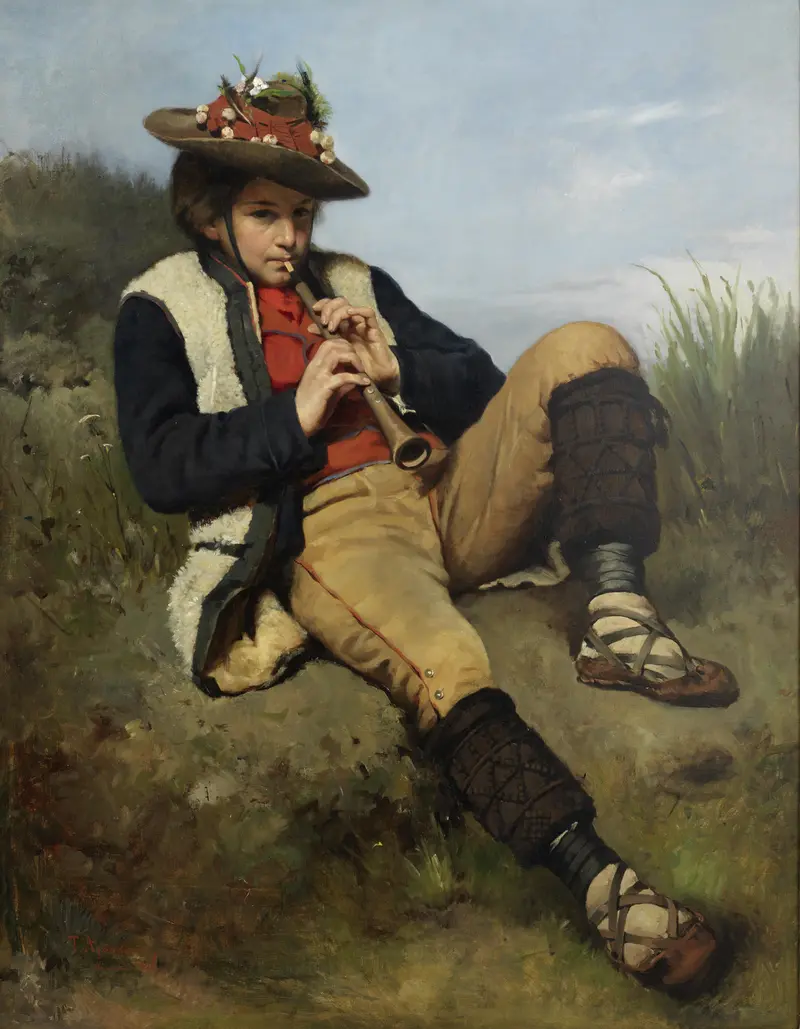
The shepherd boy
Tadeusz Ajdukiewicz

A Parforce Rider in the Forest
Tadeusz Ajdukiewicz
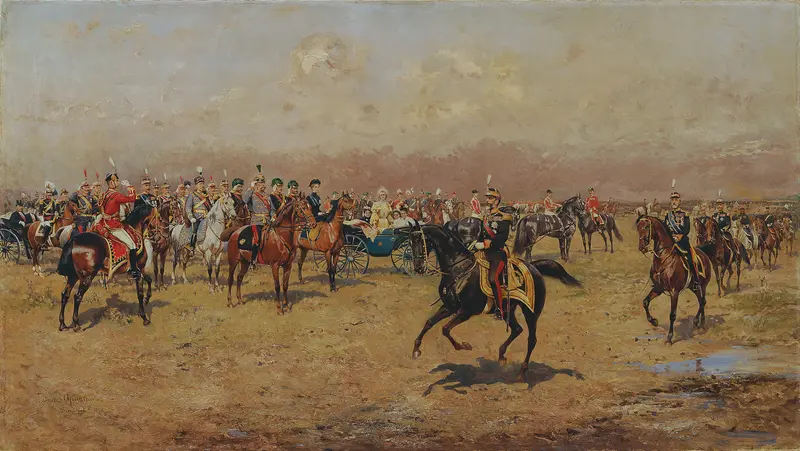
Militärparade vor Kaiser Franz Joseph I.
Tadeusz Ajdukiewicz
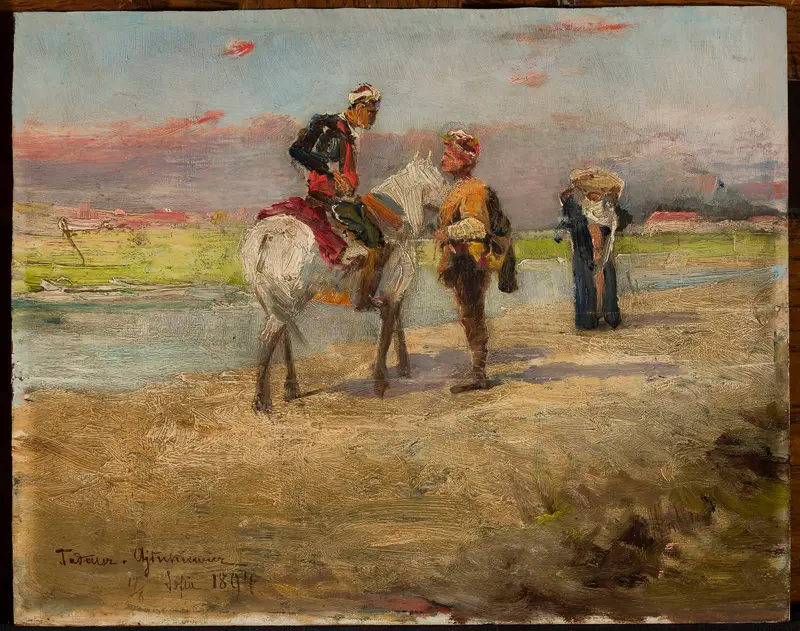
Eastern scene against a landscape
Tadeusz Ajdukiewicz
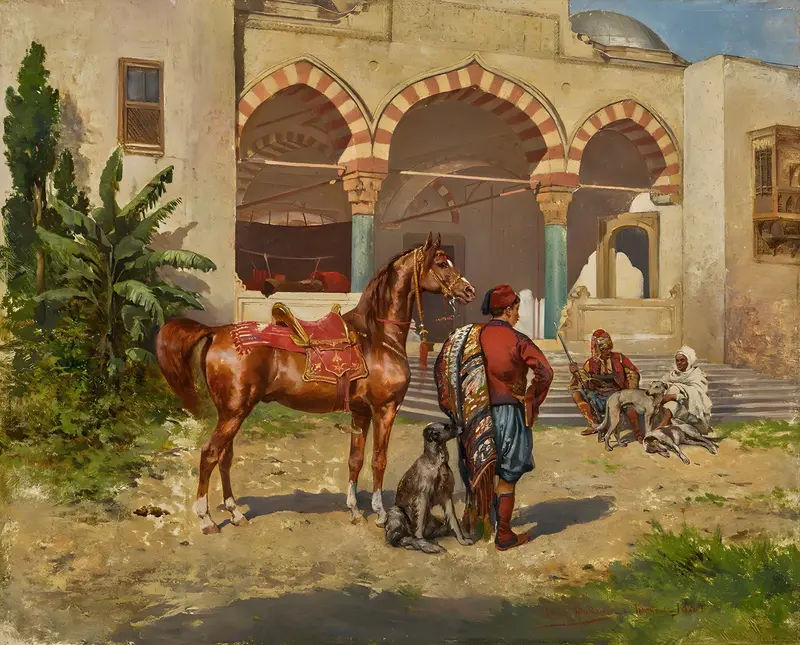
A turkish courtyard
Tadeusz Ajdukiewicz
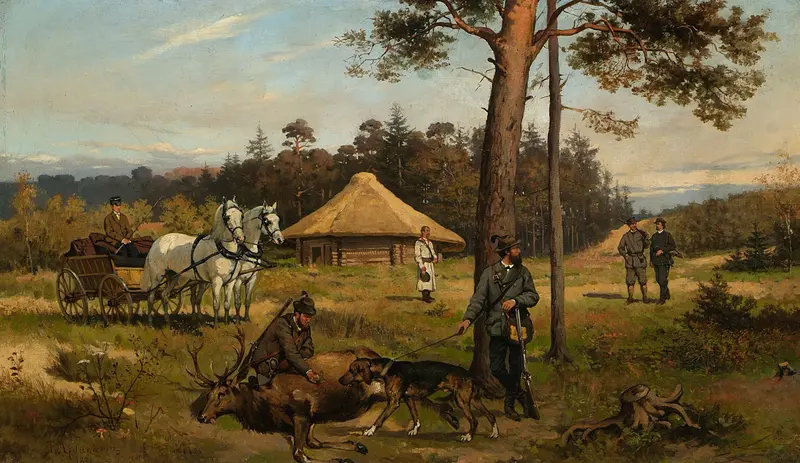
After hunting for a deer
Tadeusz Ajdukiewicz
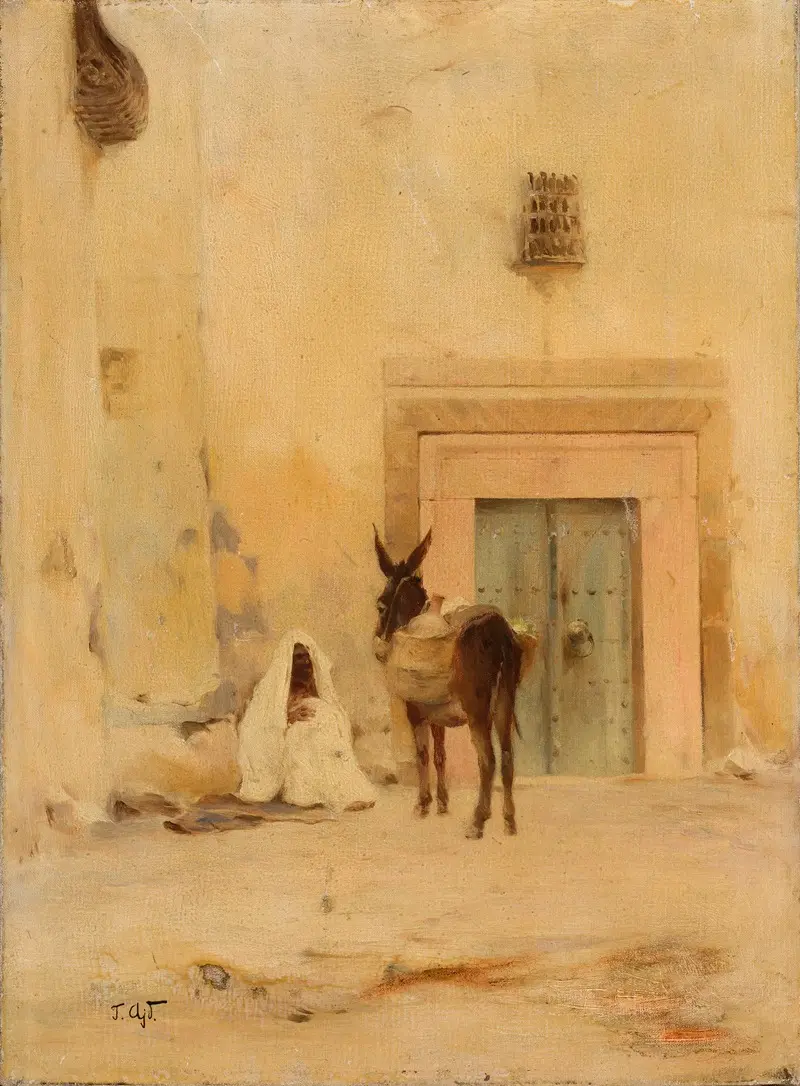
Arab and a donkey at the wall of a house
Tadeusz Ajdukiewicz
Kronprinz Rudolf zu Pferd
Tadeusz Ajdukiewicz





