
Portrait of Lorenzo de' Lorenzi — History & Facts
When Sandro Botticelli painted Portrait of Lorenzo de' Lorenzi in 1492, Florence was in a state of anxious transition: Lorenzo de’ Medici, the city’s great patron and political force, had just died, and the city’s elite were left to navigate a new and uncertain era. Lorenzo de’ Lorenzi, a respected Florentine official and jurist, was among those who would help shape the city’s future. The portrait’s date places it at the very end of Botticelli’s most productive decade, a moment when his brush captured not only individuals but also the shifting mood of a republic at a crossroads.
The painting stands as a rare window into the faces of Florence’s civic class, rather than its more famous Medici rulers. Botticelli chooses a moment of composed introspection: Lorenzo de’ Lorenzi sits upright, his gaze steady but reserved, hands folded with a document partially visible—perhaps a reference to his legal profession. The sitter’s dark robe and cap, rendered with precise, almost linear clarity, signal his status and sobriety, while the pale background isolates him, focusing all attention on the face. The slight furrow in the brow and the careful modeling of the lips suggest a man accustomed to judgment and responsibility.
Unlike the idealized, almost otherworldly faces in Botticelli’s mythological works, here the artist offers a direct, unvarnished likeness, closer in spirit to the psychological realism of Domenico Ghirlandaio’s Florentine portraits. The early provenance of Portrait of Lorenzo de' Lorenzi remains uncertain, as is often the case with Florentine portraits of this era; it was likely commissioned privately by the Lorenzi family or their associates. Over the centuries, the painting’s attribution has occasionally been questioned, but stylistic details—such as the crisp contouring of the features and the subtle play of light—have confirmed Botticelli’s hand to most scholars. Today, the work is recognized as an important example of the artist’s late portraiture, offering a counterpoint to his better-known allegorical paintings.
It provides a rare glimpse into the civic culture of Renaissance Florence and stands as a testament to Botticelli’s ability to capture both the likeness and the inner life of his sitters.
More Artworks by Sandro Botticelli
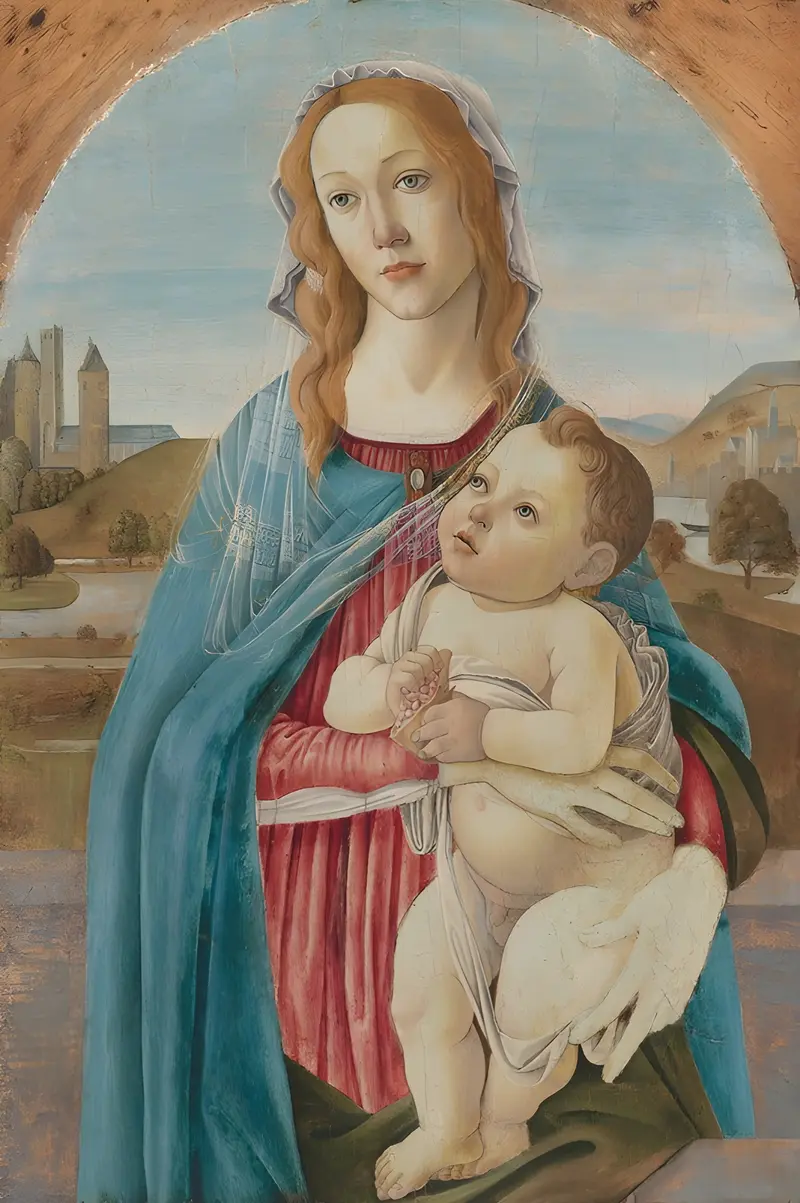
Virgin and Child
Sandro Botticelli
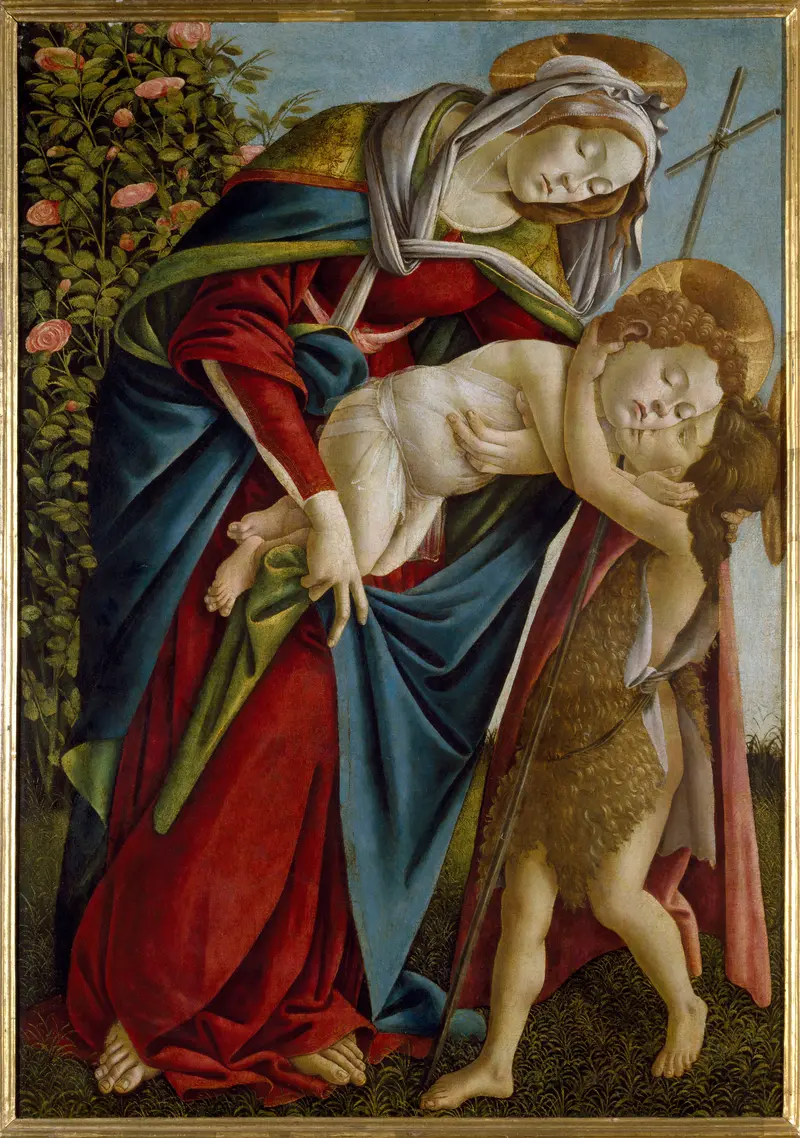
Madonna and Child and the Young St John the Baptist
Sandro Botticelli
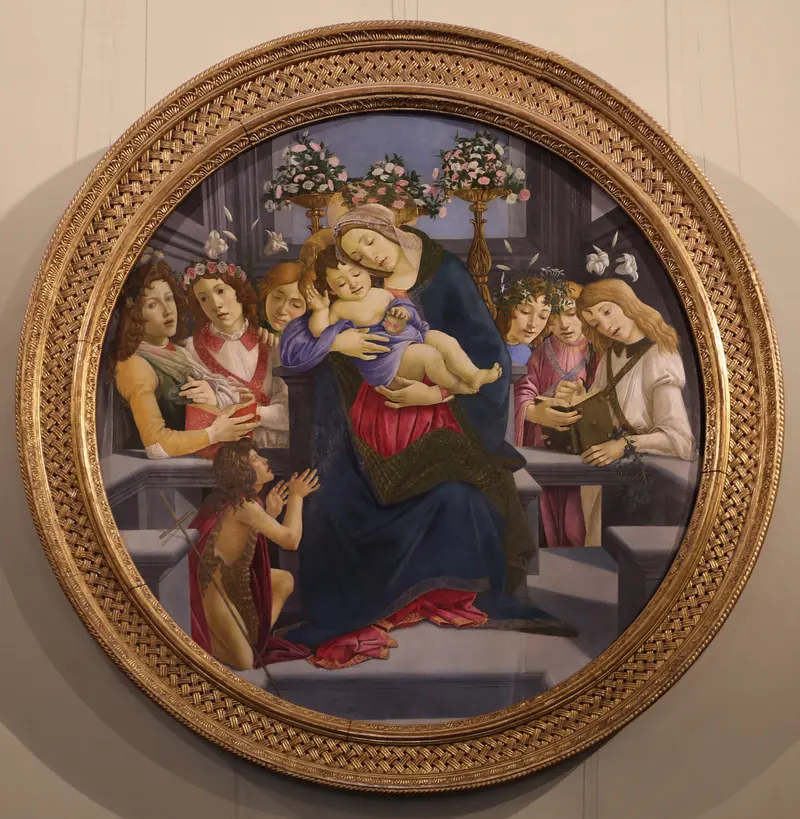
Madonna and Child with six angels and Saint John the Baptist as Child
Sandro Botticelli
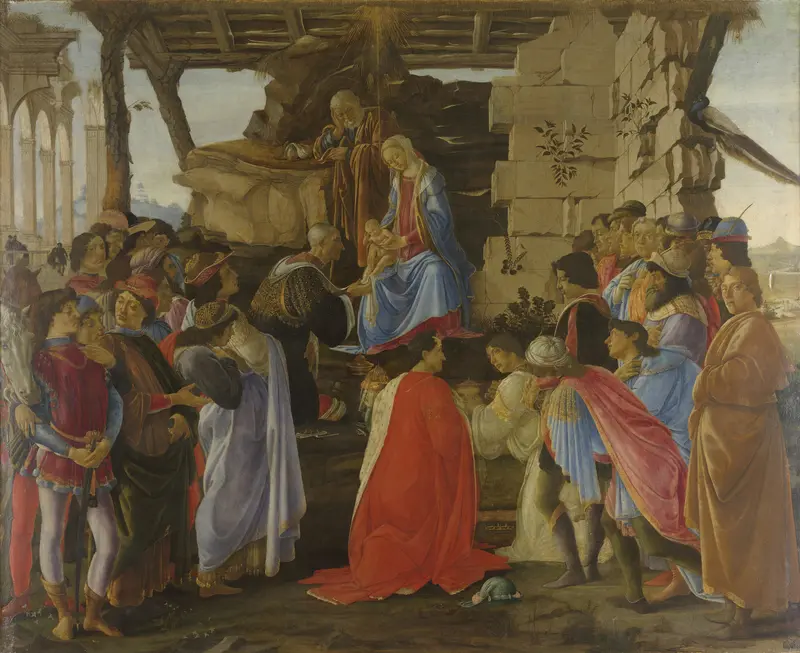
Adoration of the Magi
Sandro Botticelli

Virgin and Child with the Young Saint John the Baptist
Sandro Botticelli
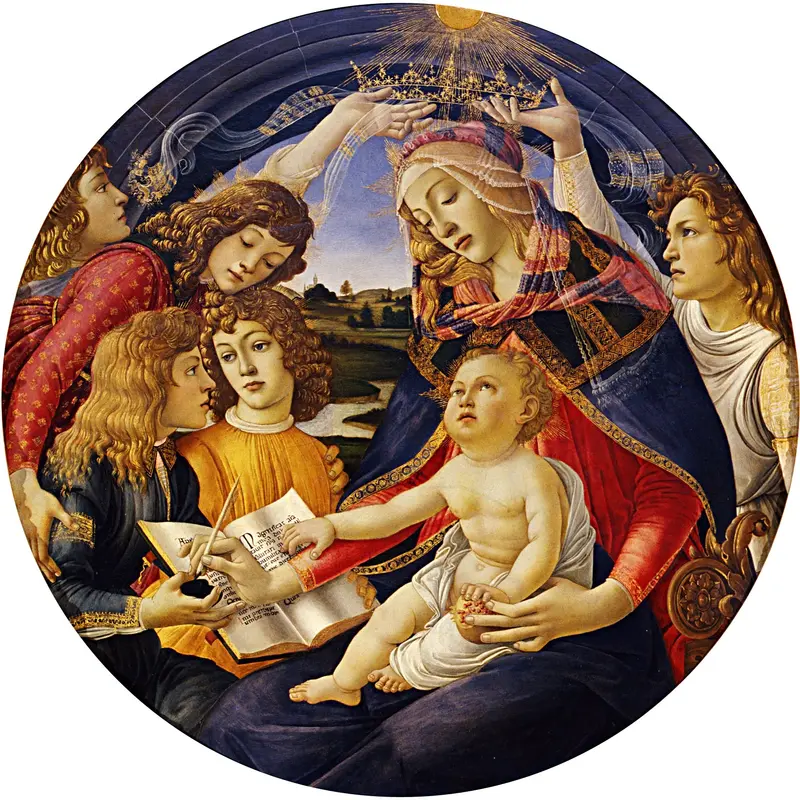
Madonna of the Magnificat
Sandro Botticelli
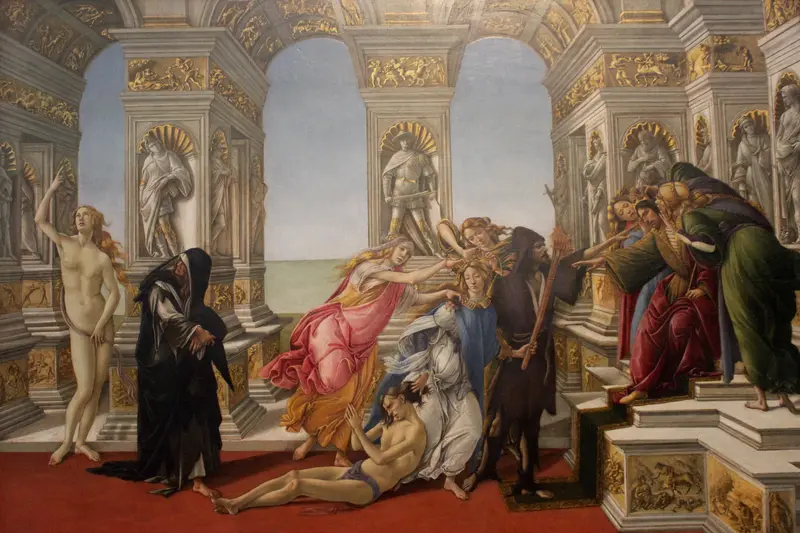
Calumny of Apelles
Sandro Botticelli
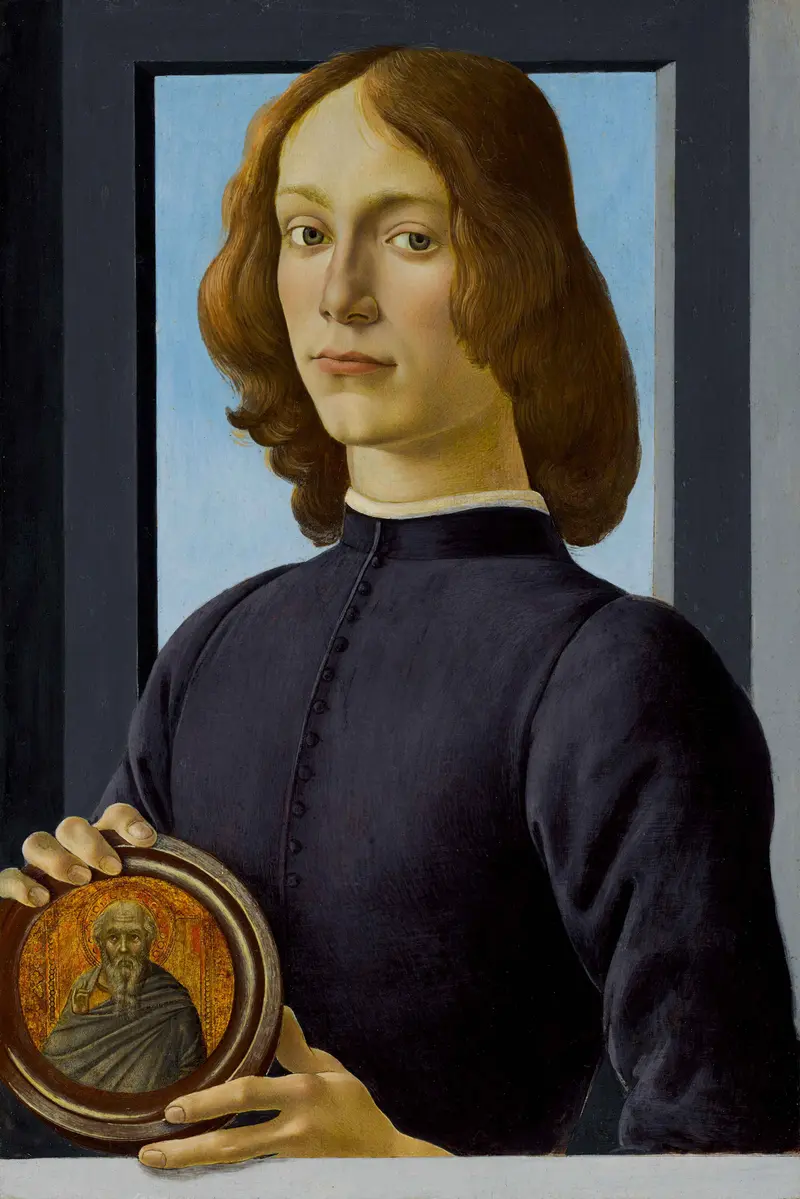
Portrait of a young man holding a roundel
Sandro Botticelli

The Trinity with Saint Mary Magdalene and Saint John the Baptist, the Archangel Raphael and Tobias
Sandro Botticelli
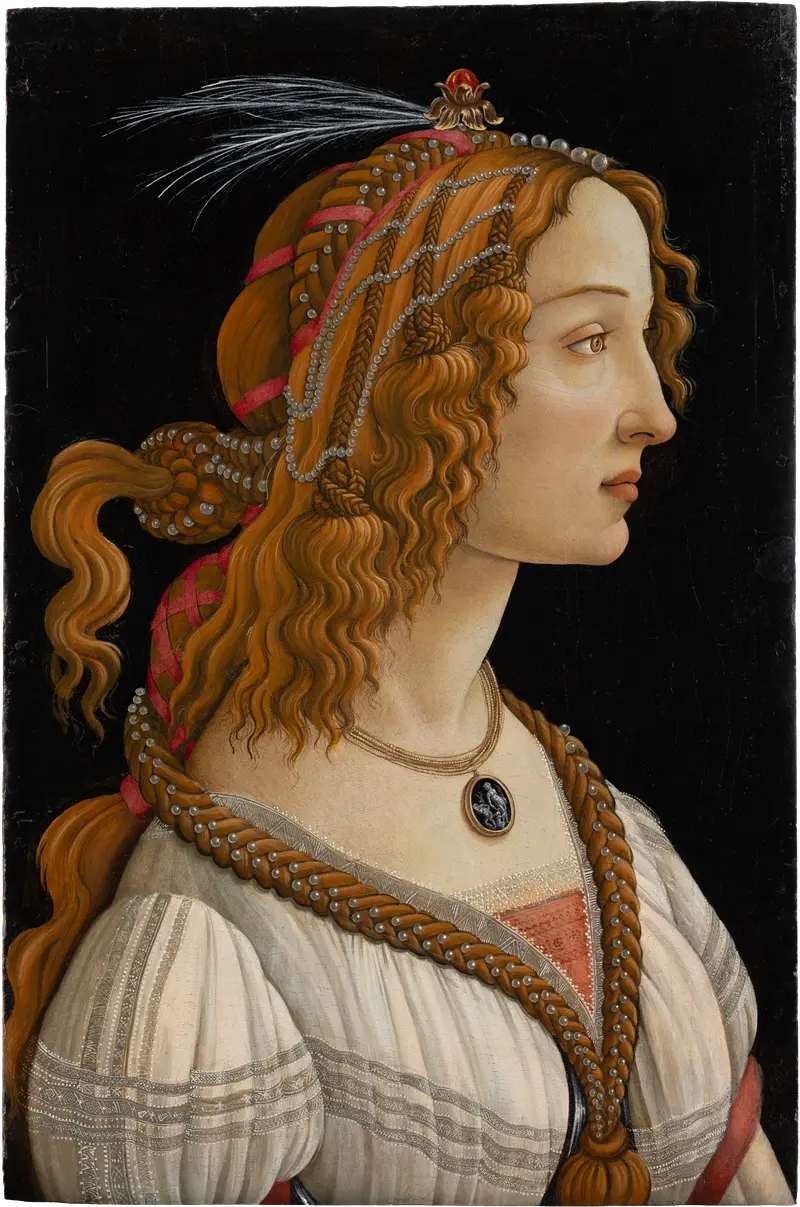
Idealized Portrait of a Lady (Portrait of Simonetta Vespucci as Nymph)
Sandro Botticelli





