
Portrait of Marco Pasqualigo — History & Facts
In the late 1580s, the Venetian patrician Marco Pasqualigo sought to secure his legacy not just through politics, but through paint. He turned to Tintoretto, the restless innovator of the Venetian Renaissance, whose speed and boldness in portraiture were already legendary. The resulting Portrait of Marco Pasqualigo is one of the few surviving likenesses of this prominent figure, capturing a man whose family had long served the Republic.
The commission speaks to both Pasqualigo’s ambition and Tintoretto’s reputation as the portraitist of choice for Venice’s elite at the twilight of the sixteenth century. Pasqualigo faces the viewer directly, his gaze steady and searching, as if weighing the observer with the same acuity he brought to state affairs. His dark attire, trimmed with a delicate white ruff, signals both wealth and sobriety, while the subtle play of light across his face and hands draws attention to his alert intelligence. The sitter’s right hand, resting on a table or ledge, suggests readiness for action—a motif Tintoretto often used to convey the inner life of his subjects.
Compared to the more formal, idealized portraits of Titian, Tintoretto’s approach here is intimate and psychological, emphasizing the individuality of Pasqualigo over the trappings of office. The exact journey of this portrait through the centuries remains partly obscured, as is often the case with Venetian private commissions. It is likely that the painting remained in the Pasqualigo family or their circle for generations before entering public collections. Scholars have debated the attribution in the past, but consensus now places it firmly among Tintoretto’s late works, when his brushwork became looser and his interest in character more pronounced.
Today, Portrait of Marco Pasqualigo stands as a testament to both the sitter’s status and the artist’s enduring fascination with the complexities of the human face.
More Artworks by Tintoretto
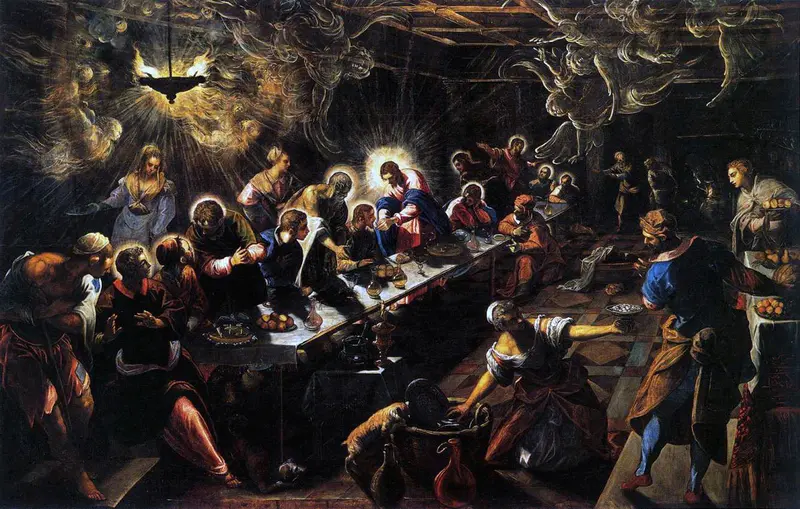
The Last Supper
Tintoretto
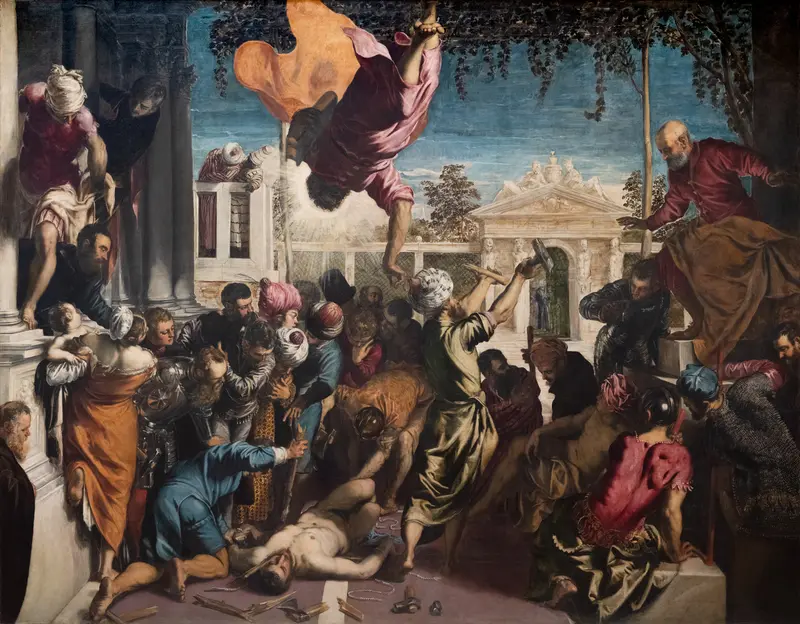
The Miracle of the Slave
Tintoretto
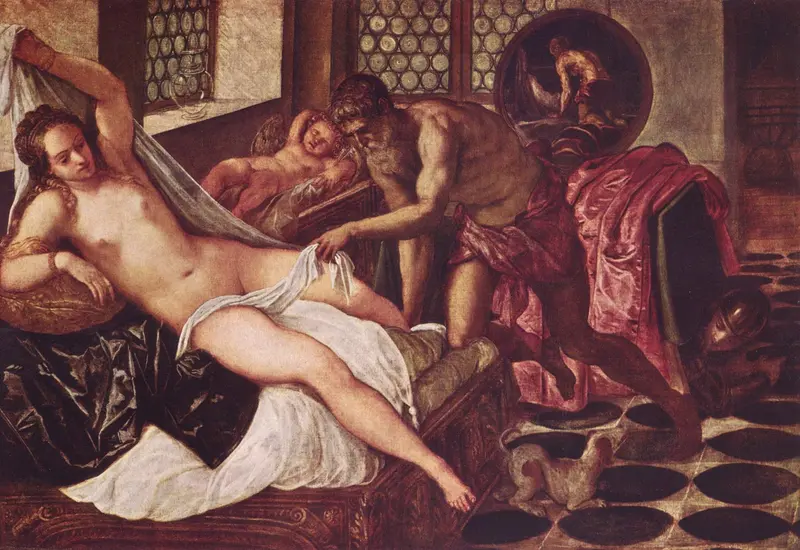
Venus and Mars Surprised by Vulcan
Tintoretto

Adoration of the Shepherds
Tintoretto
Adoration of the Magi
Tintoretto
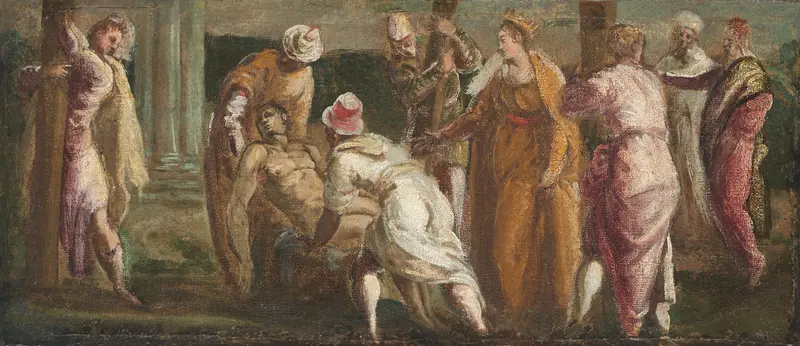
Saint Helen Testing the True Cross
Tintoretto
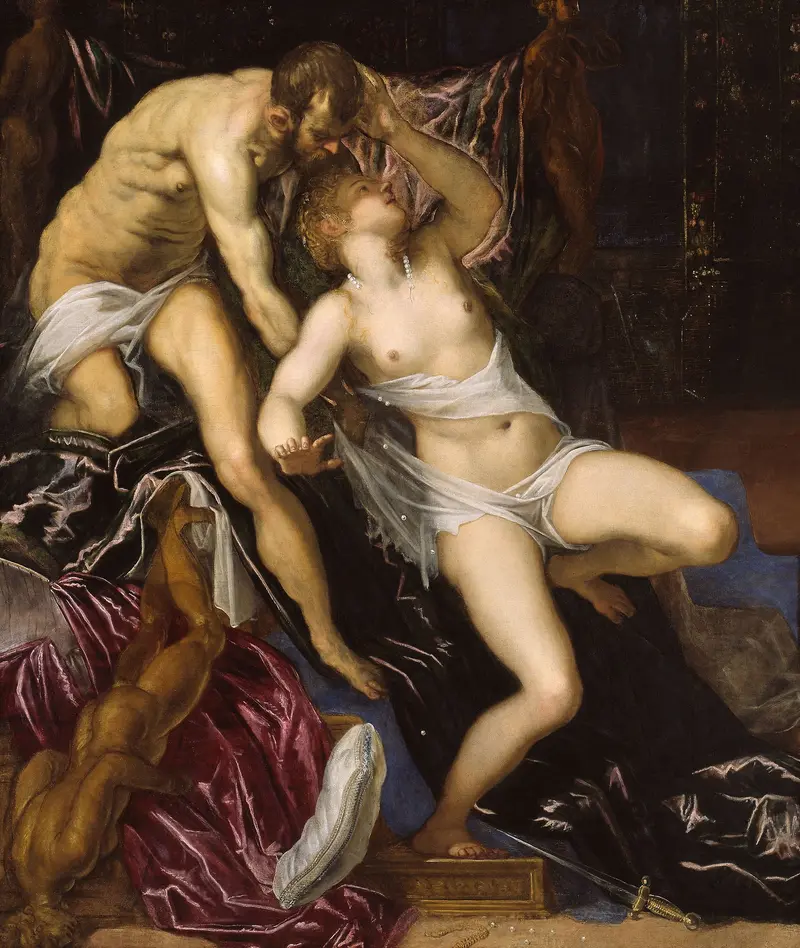
Tarquin and Lucretia
Tintoretto
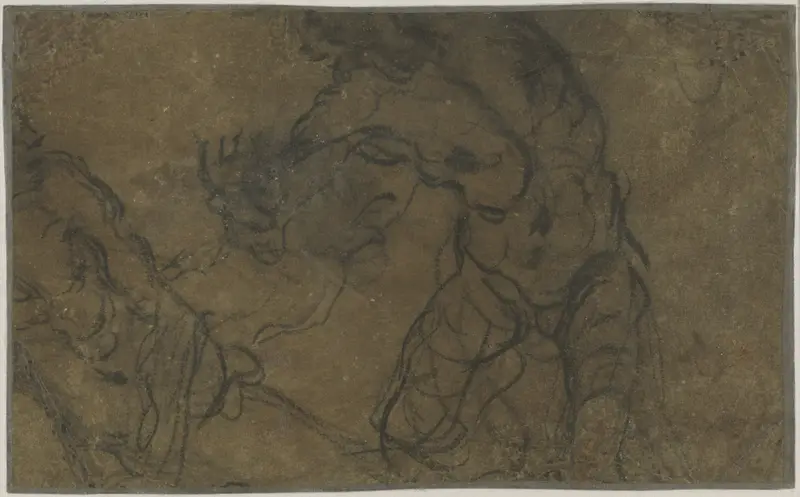
Two Male Figures in Motion (verso)
Tintoretto
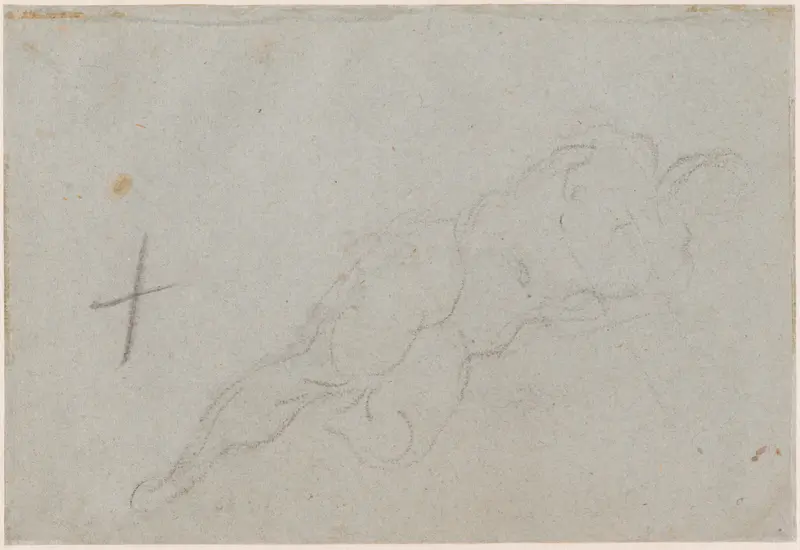
A Female Nude [verso]
Tintoretto
Veduta Kopra
Tintoretto





