
Portrait of Marguerite le Prince — History & Facts
It is the quiet force of presence that first draws the viewer in: a woman, poised against a deep, unyielding darkness, meets our gaze with a subtle, knowing half-smile. Her ruff, crisp and white, frames her face like a halo, while her hands—one gently clasped over the other—display rings that hint at status and story. The black velvet of her gown absorbs the light, but look closer: intricate patterns in the fabric, almost hidden, reveal themselves as the eye adjusts, and the lace at her cuffs softens the severity of her attire.
Above her shoulder, a heraldic emblem floats, its red and gold geometry a silent declaration of lineage and pride. The painter’s attention to texture—skin, cloth, metal—invites the viewer to linger over every surface, searching for the meaning behind each detail. This portrait, created by Adriaen Thomasz. Key sometime between 1500 and 1599, belongs to a world where likeness was both a personal record and a public statement.
In the prosperous cities of the Low Countries, such images were often commissioned by wealthy burghers or members of the patrician class, eager to assert their place in a rapidly changing society. The sober palette and restrained elegance reflect the values of the Northern Renaissance: dignity, restraint, and the subtle assertion of individuality within the bounds of tradition. Now held in the DAMS Antwerpen collection, this painting stands as a testament to a period when portraiture became both mirror and monument—inviting us, centuries later, to read the stories written in ruff, ring, and gaze.
More Artworks by Adriaen Thomasz. Key
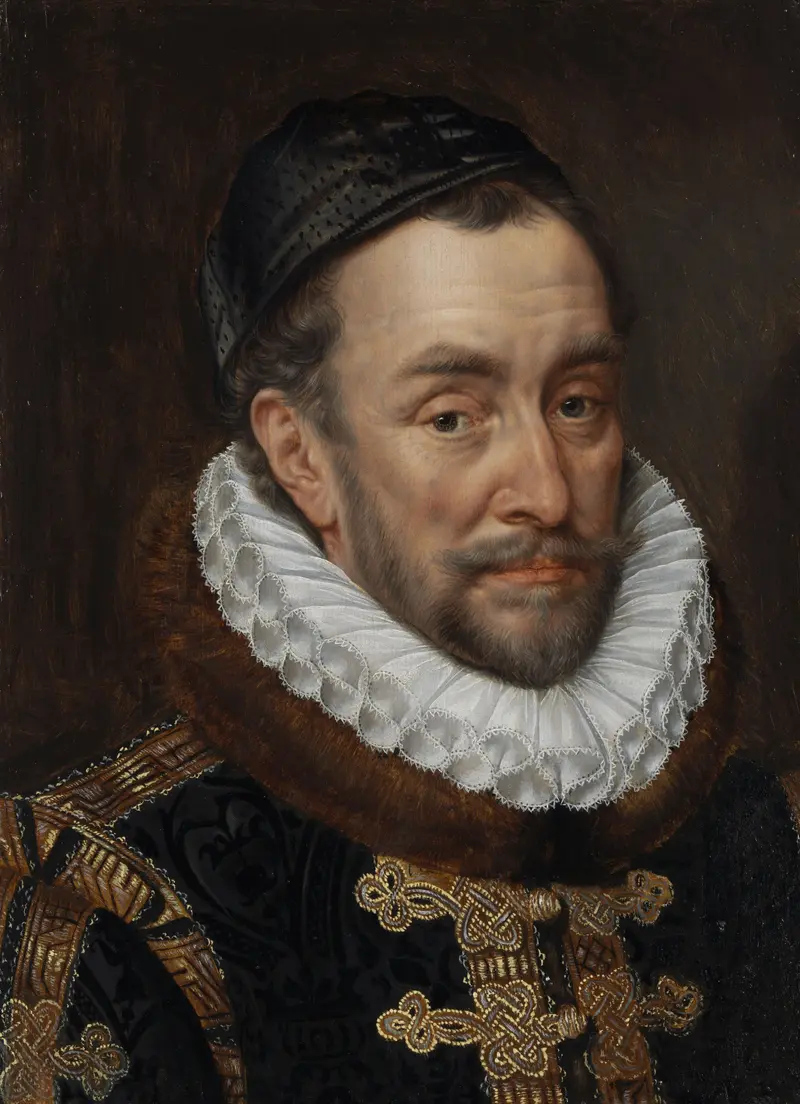
Portrait of William I, Prince of Orange
Adriaen Thomasz. Key
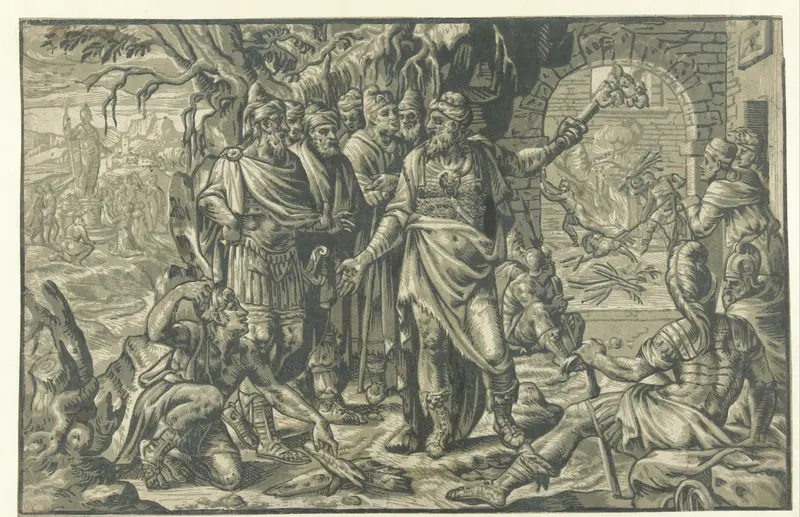
Nebukadnezar werpt de drie jongelingen in de vurige oven
Adriaen Thomasz. Key
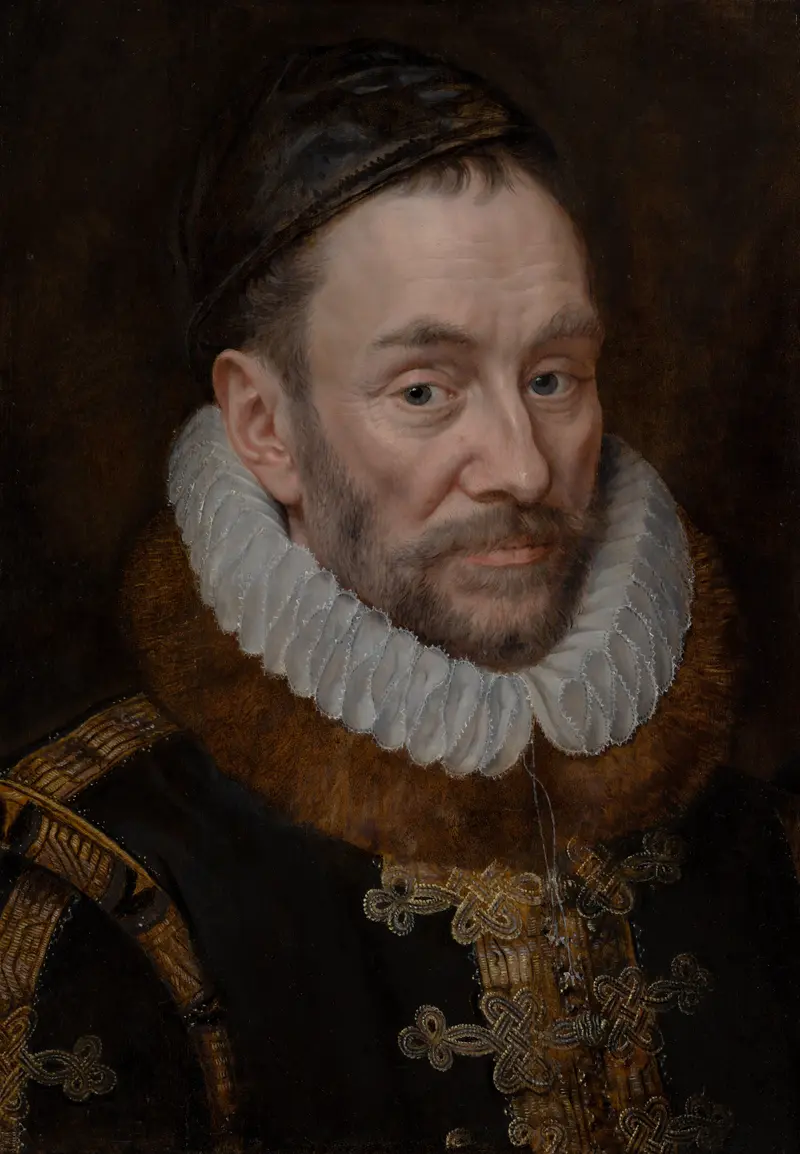
Portrait of William I (1533-1584), Prince of Orange
Adriaen Thomasz. Key
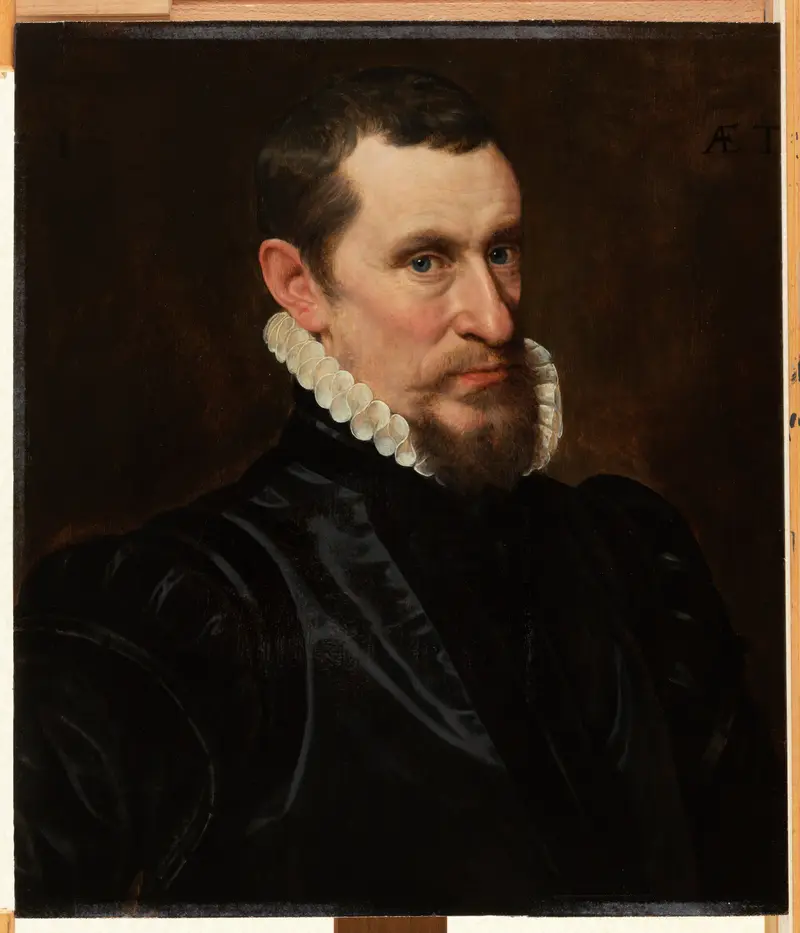
Portrait of Gillis Beys
Adriaen Thomasz. Key
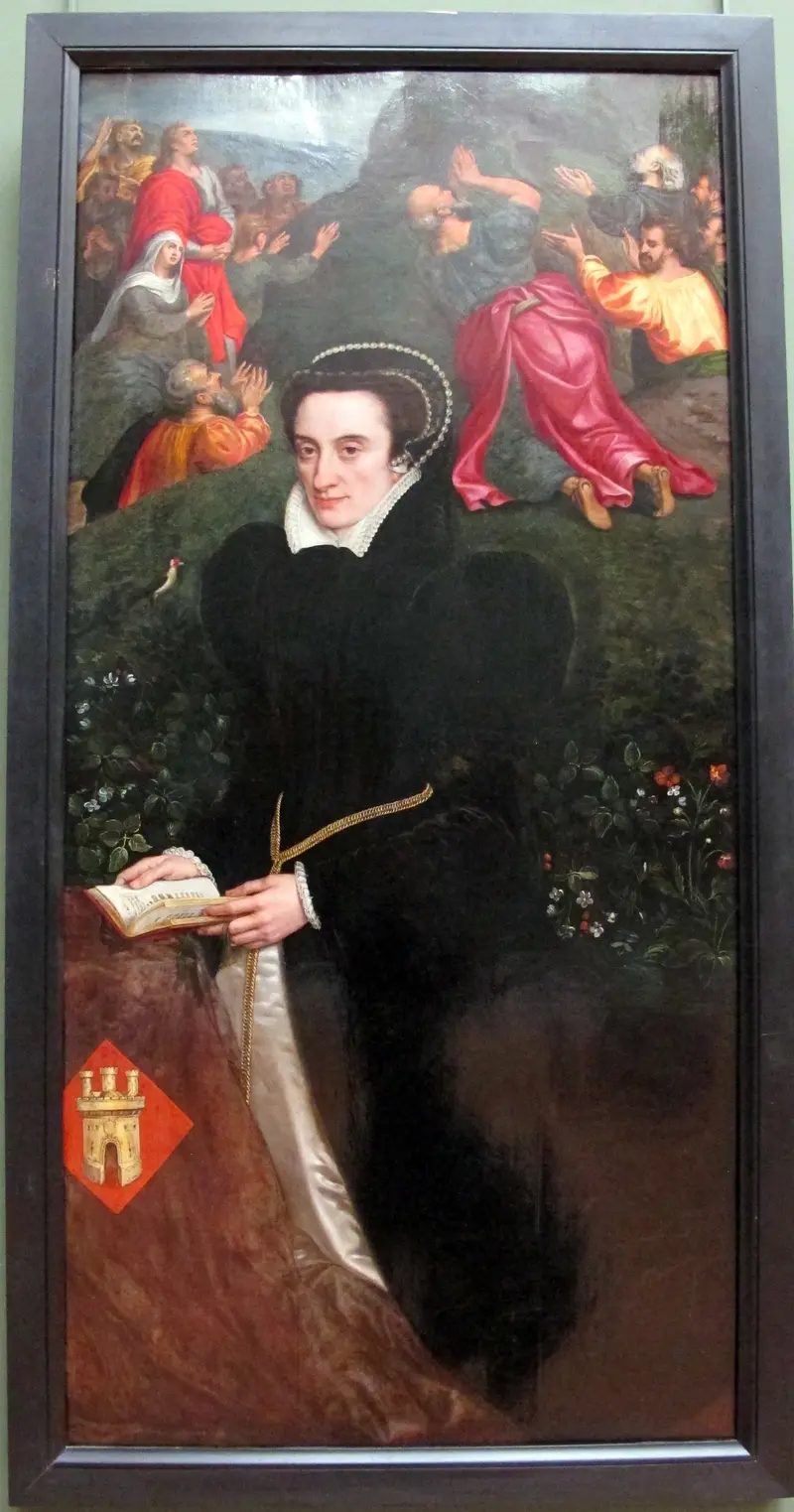
Leonor Lopez de Villanueva, Wife of Antonio del Rio
Adriaen Thomasz. Key
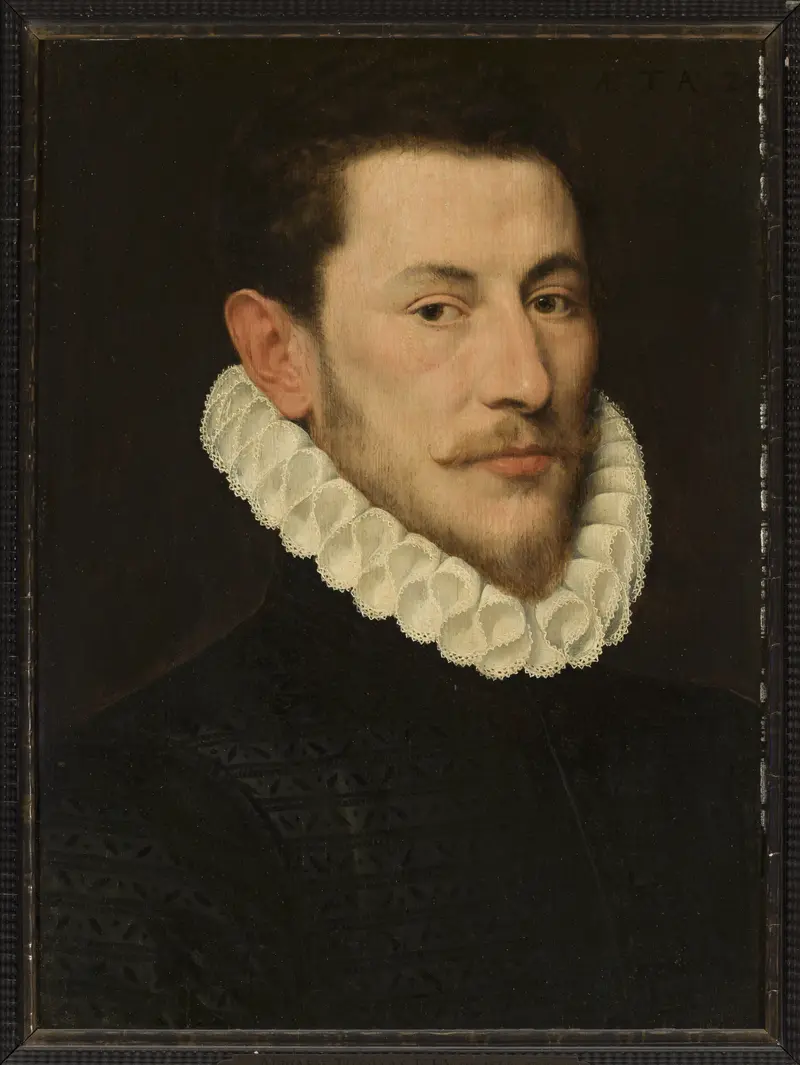
Portrait of a young man
Adriaen Thomasz. Key
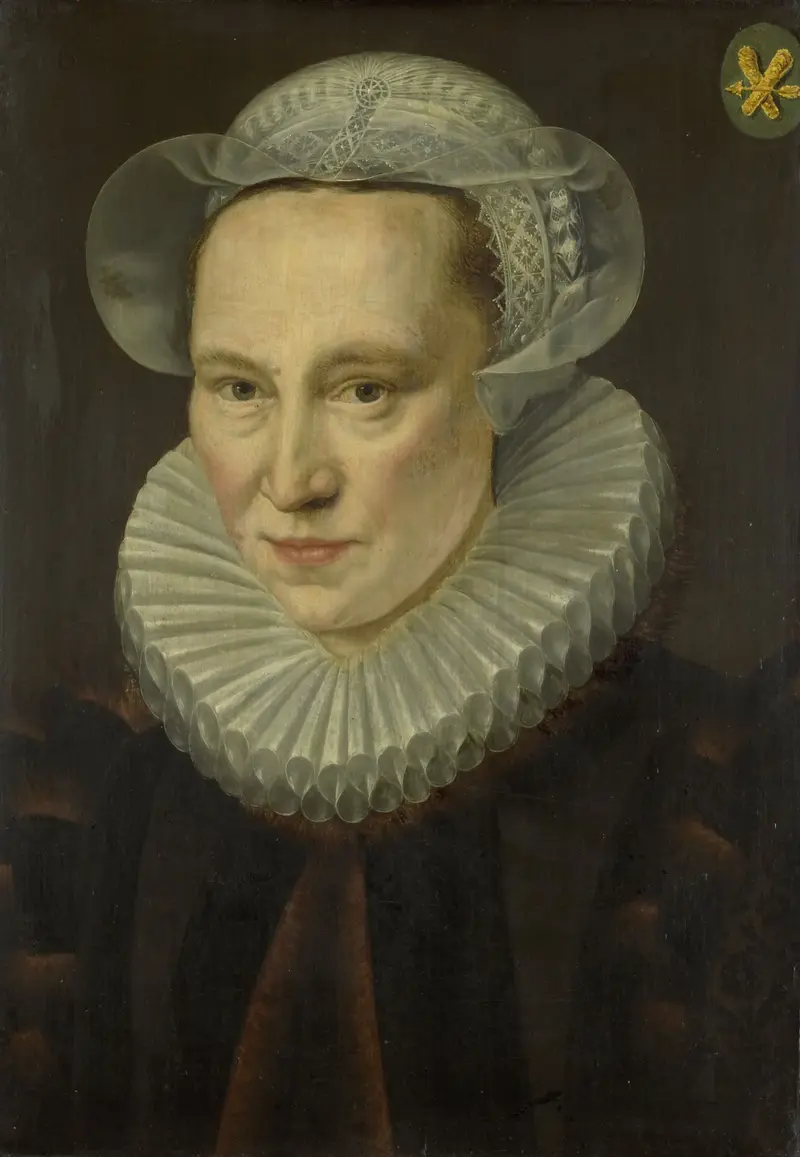
Portrait of Grietje Pietersdr Codde (d. 1607), wife of Jacob Bas
Adriaen Thomasz. Key
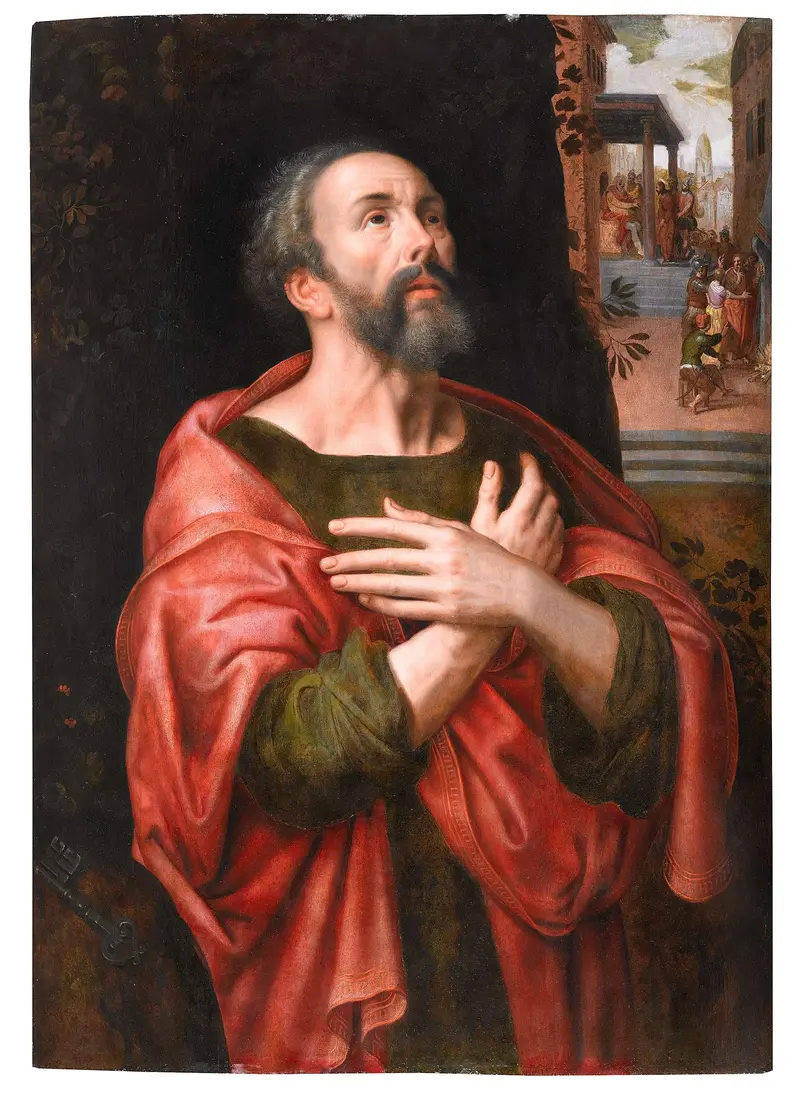
St. Peter Penitent
Adriaen Thomasz. Key
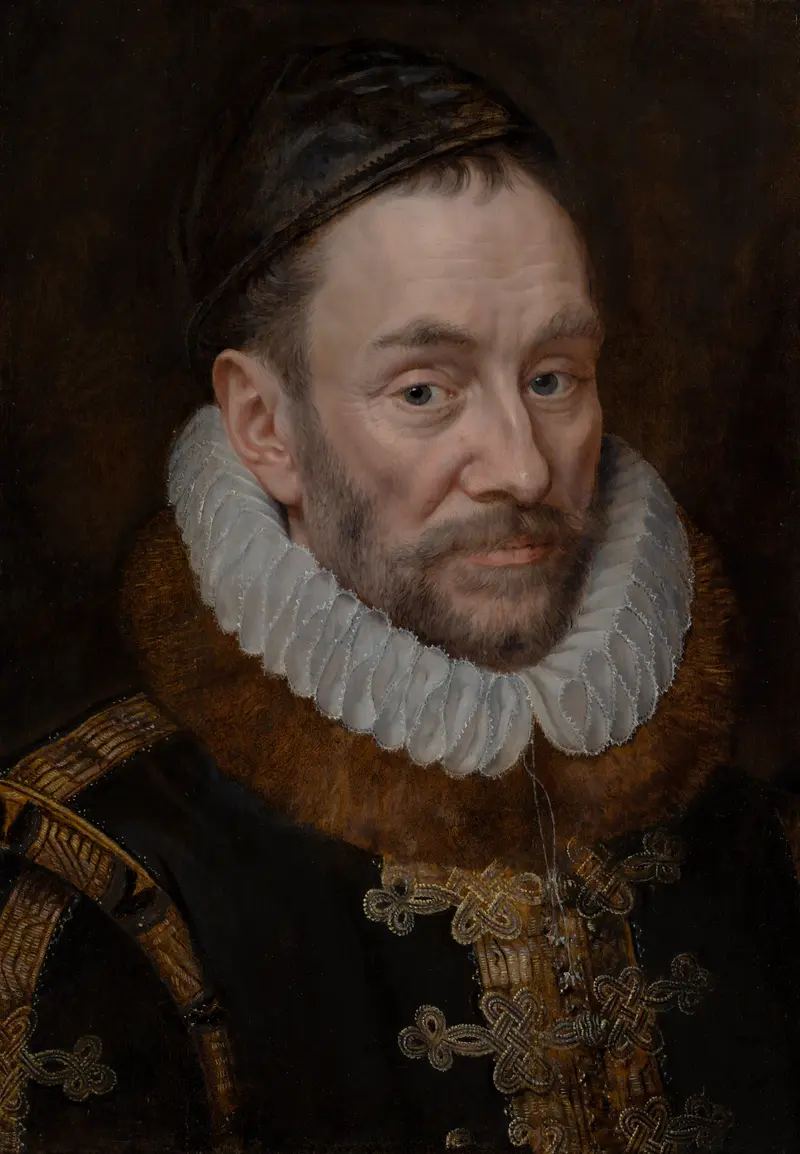
William I, Prince of Orange, known as William the Silent
Adriaen Thomasz. Key
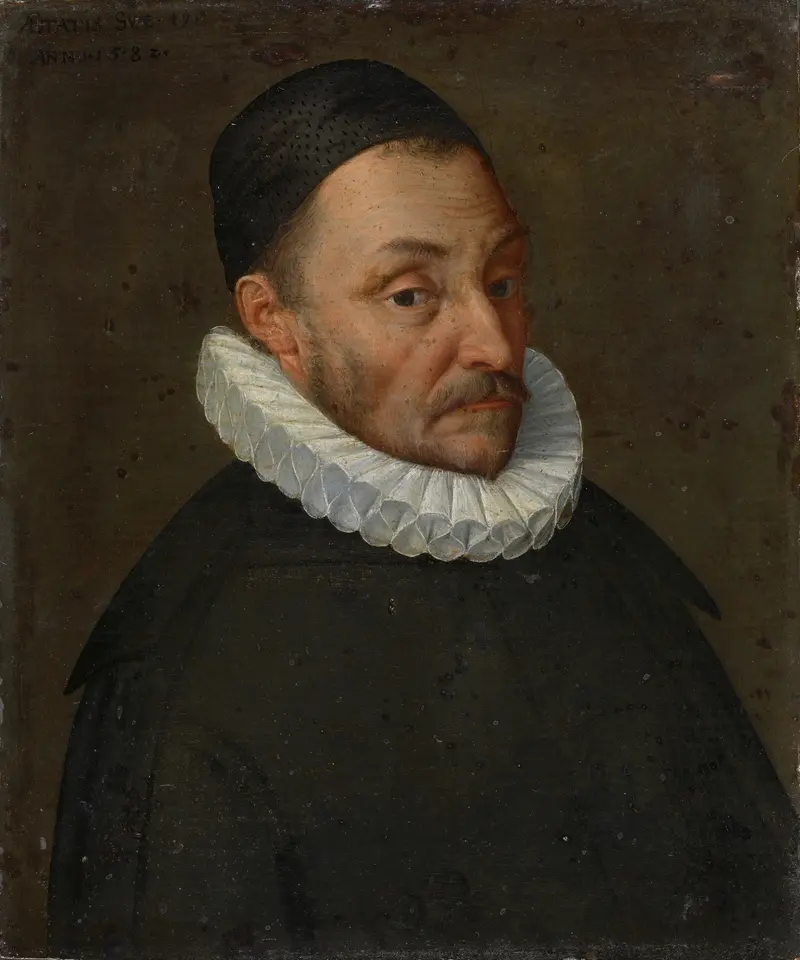
Willem of Orange (1533-1584), leader of the Dutch revolt against Spain
Adriaen Thomasz. Key





