
Portrait of Maria Pusłowska (1845-1926) — History & Facts
When Jan Matejko painted Portrait of Maria Pusłowska (1845-1926) in 1871, he was at the height of his fame, yet he rarely turned his brush to society portraiture. This painting is one of the few surviving likenesses of Maria Pusłowska, a member of a prominent Polish noble family and a figure who would later become known for her support of the arts and charity work in Kraków. The commission came at a time when Matejko was celebrated for his grand historical canvases, making this intimate portrait a notable departure from his usual subjects. Maria is captured at a moment of poised introspection, her gaze directed just beyond the viewer, suggesting both reserve and quiet strength.
The artist’s attention to the delicate lace at her collar and the subtle sheen of her jewelry speaks to her social status, while the subdued palette draws the eye to her thoughtful expression. Unlike the flamboyant, theatrical portraits of the era—such as those by Franz Xaver Winterhalter—Matejko opts for restraint, focusing on psychological presence rather than outward glamour. The soft play of light across Maria’s face and hands hints at her inner life, making the viewer a silent confidant to her private world. The painting’s precise early history remains somewhat unclear, though it likely remained in the Pusłowski family for decades, cherished as a record of lineage and affection.
Today, Portrait of Maria Pusłowska (1845-1926) is recognized as a rare example of Matejko’s portraiture, offering insight into his approach outside the grand narratives of Polish history. Its survival adds a personal dimension to the artist’s oeuvre and provides a glimpse into the circles of Kraków’s 19th-century elite. The work is now preserved in a Polish museum, continuing to bear witness to both the sitter’s legacy and the artist’s versatility.
More Artworks by Jan Matejko
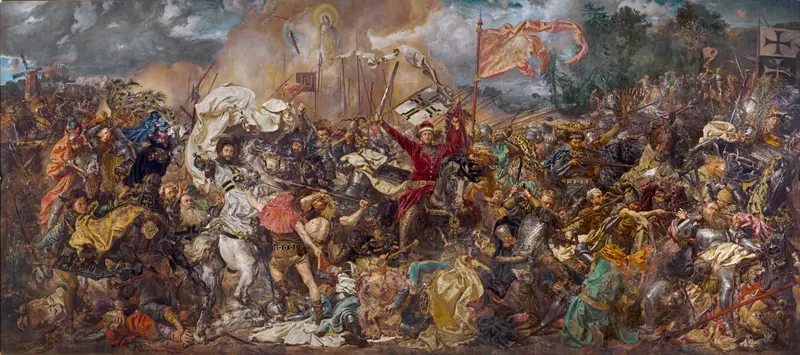
Battle of Grunwald
Jan Matejko

Stańczyk
Jan Matejko

Battle of Raclawice
Jan Matejko
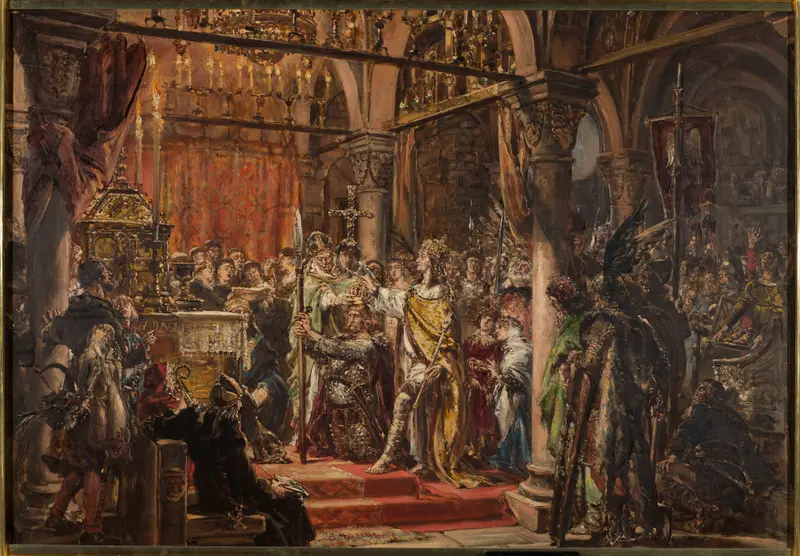
Coronation of the First King, 1001 AD, from the series “History of Civilization in Poland”
Jan Matejko
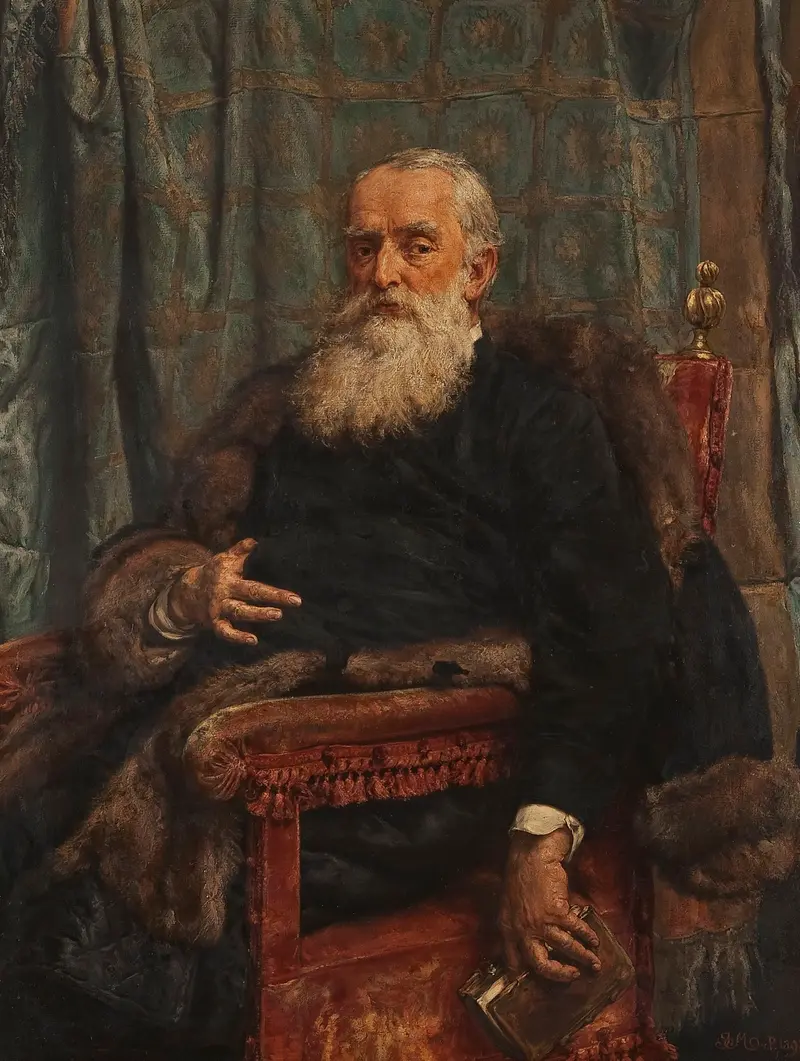
Portrait of Henryk Krajewski
Jan Matejko
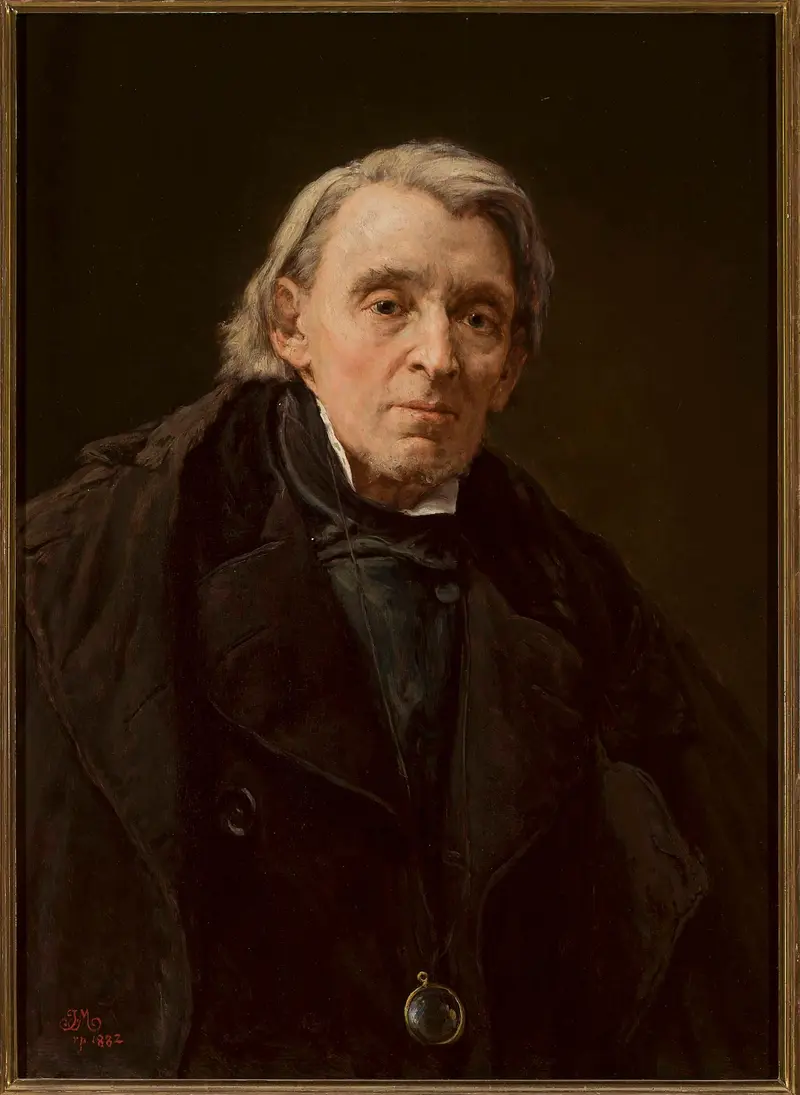
Portrait of Karol Podlewski
Jan Matejko
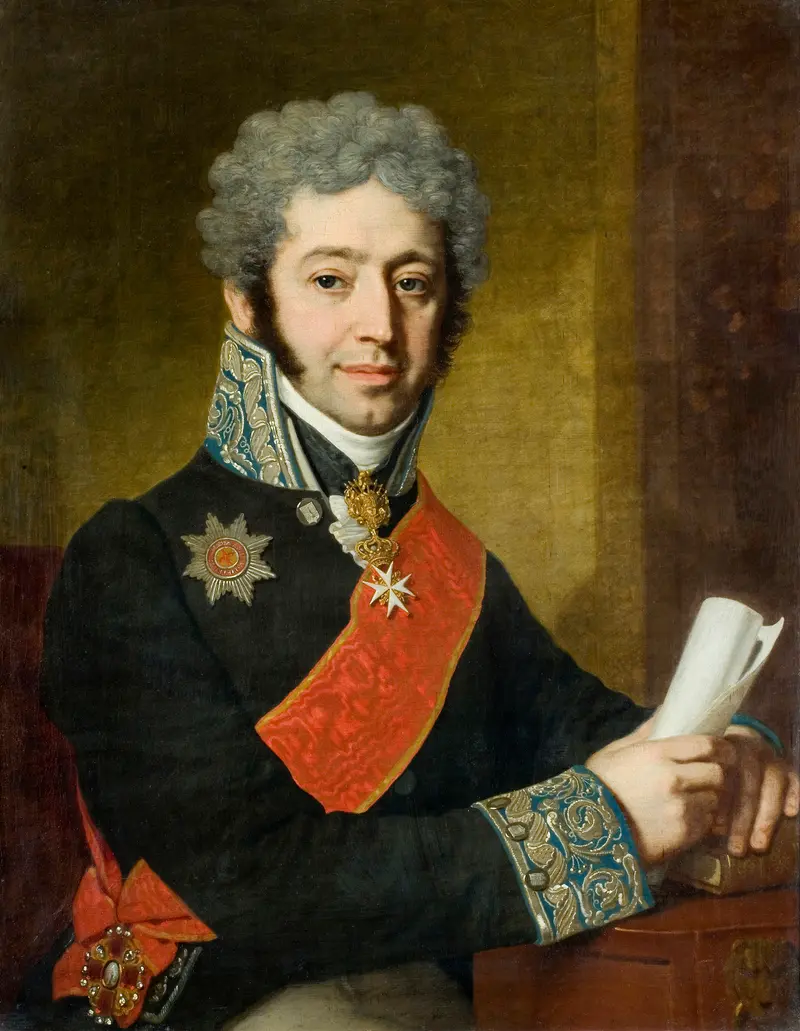
Portrait of Potocki and Poninski
Jan Matejko
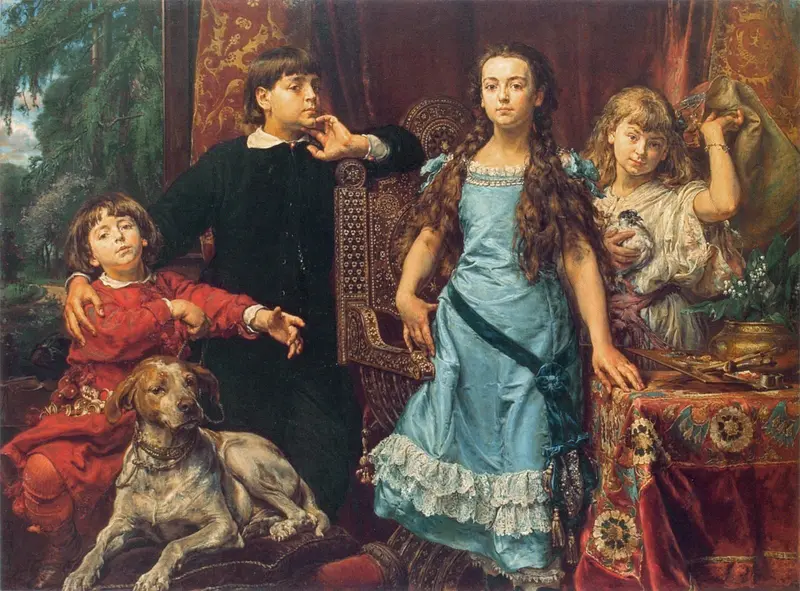
Portrait of the artist's four children
Jan Matejko
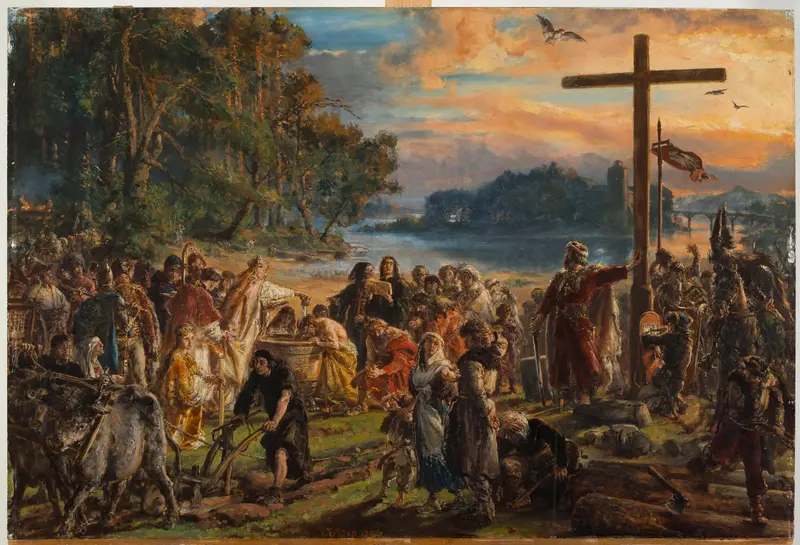
Introduction of Christianity in Poland
Jan Matejko
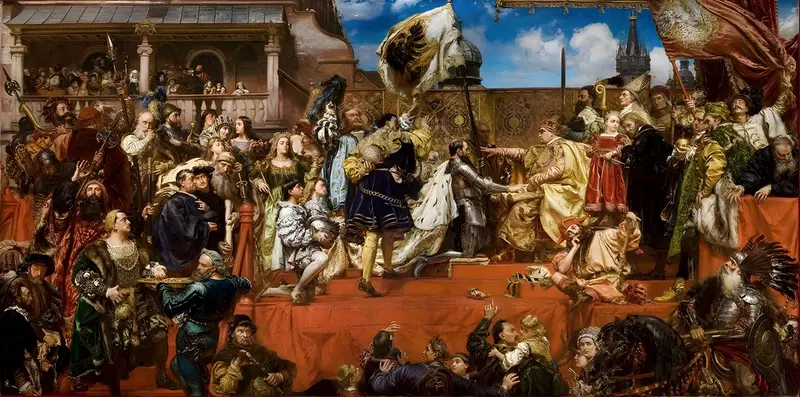
Prussian Homage
Jan Matejko





