
Portrait of Monsieur Bertin — History & Facts
A broad-shouldered man sits in a wooden armchair, his body turned slightly to the left while his head faces forward, meeting the viewer with a direct and steady gaze. His right hand grips the arm of the chair, fingers splayed and rendered with remarkable detail, while his left hand rests on his knee, both hands large and expressive, their veins and knuckles carefully modeled. Light falls strongly from the right, illuminating his face, hands, and the polished surface of the chair, which reflects a subtle gleam.
The background is a plain, warm brown wall, with a meander pattern running along the lower edge, and the artist’s signature and date inscribed in the upper left corner. The overall palette is restrained, dominated by dark clothing and the neutral wall, but the careful modulation of tones gives the scene a sense of depth and presence. The brushwork is smooth and precise, typical of the Neoclassical movement, with a polished finish that emphasizes clarity of form and surface.
There are no secondary figures or objects present in the composition; the sitter appears alone. The corners of the canvas are filled by the warm brown of the wall, uninterrupted except for the meander pattern and inscriptions. The light creates a distinct highlight on the sitter’s forehead and nose, casting subtle shadows beneath his brows and chin.
The hair is painted with fine, wispy strokes, showing individual strands and soft transitions between gray and white. The sitter’s coat and waistcoat are rendered in deep, nearly black tones, with crisp edges and folds that catch the light along the lapels and sleeves. The wood grain of the chair’s curved arm is visible, with reddish-brown hues and a glossy surface that reflects the light source. Portrait of Monsieur Bertin was painted by Jean-Auguste-Dominique Ingres in 1832, depicting the French journalist Louis-François Bertin.
The result is a portrait that conveys both the sitter’s physical weight and his inner resolve, with details such as the furrowed skin and thinning hair emphasizing an unvarnished realism. Portrait of Monsieur Bertin is recognized as a key example of Neoclassicism, with its clarity of form, meticulous technique, and psychological insight.
Sources: Wikidata Q2985455 · Wikipedia: Portrait of Monsieur Bertin · Image source (Wikimedia Commons)
More Artworks by Jean Auguste Dominique Ingres
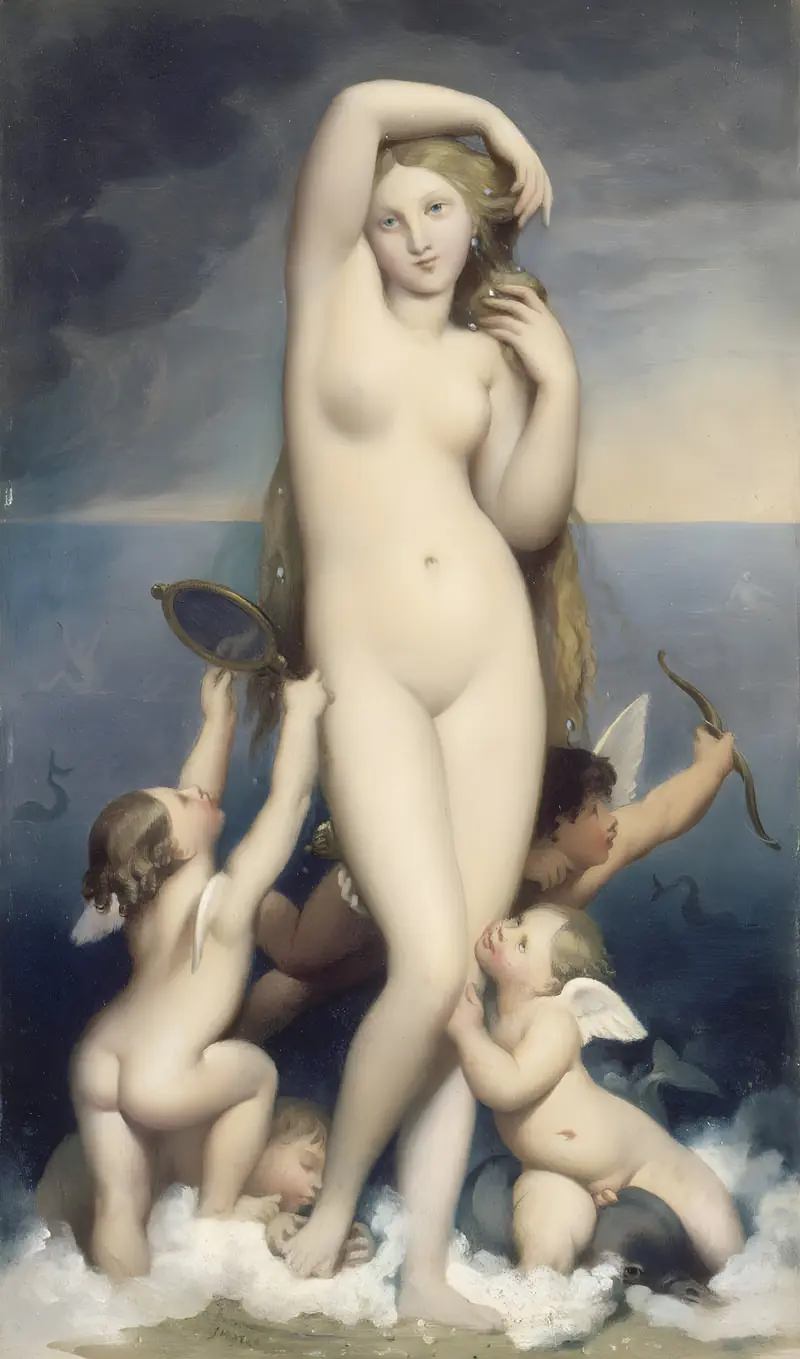
Vénus anadyomène
Jean Auguste Dominique Ingres
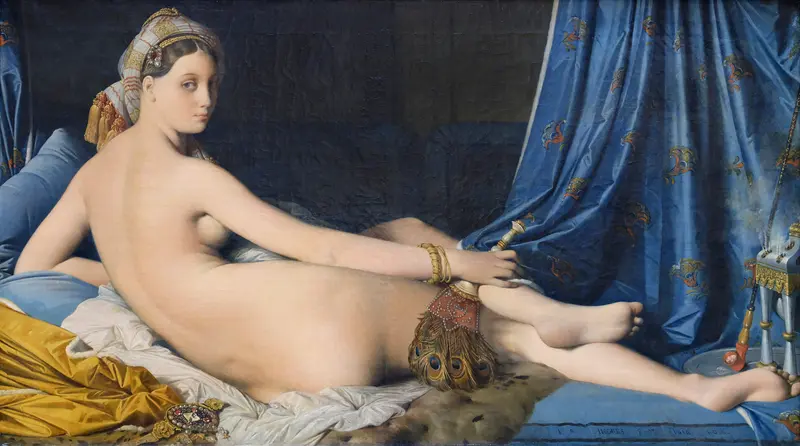
Grande Odalisque
Jean Auguste Dominique Ingres
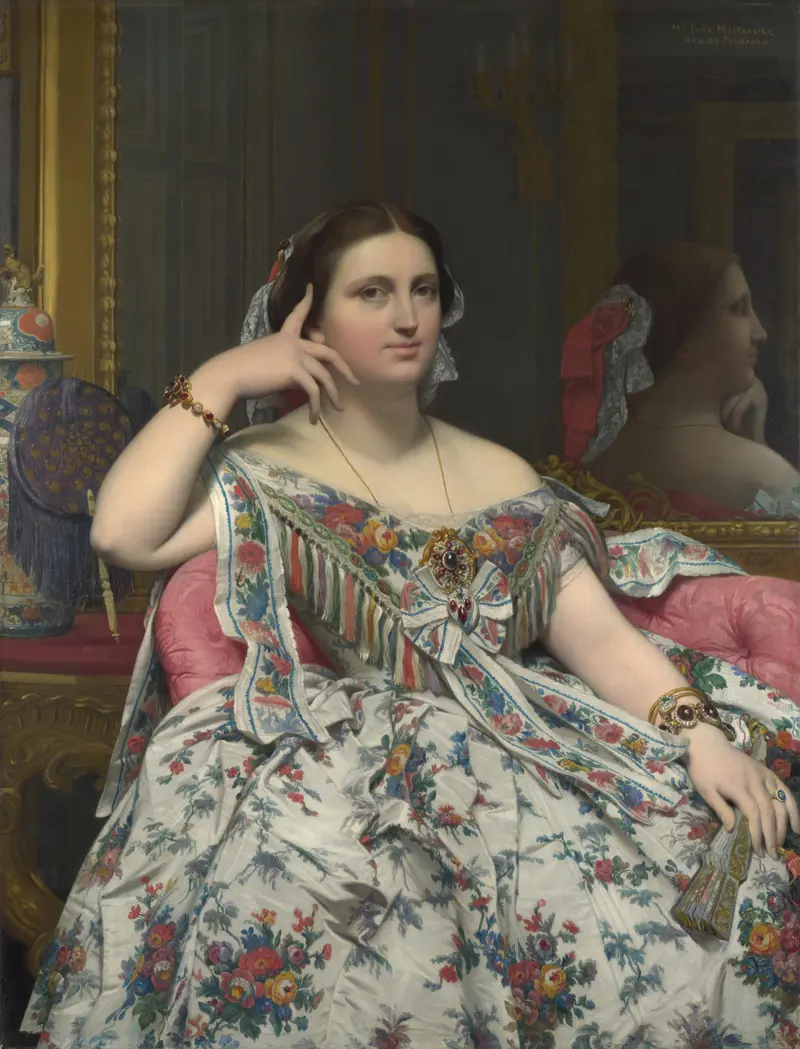
Madame Moitessier (seated)
Jean Auguste Dominique Ingres
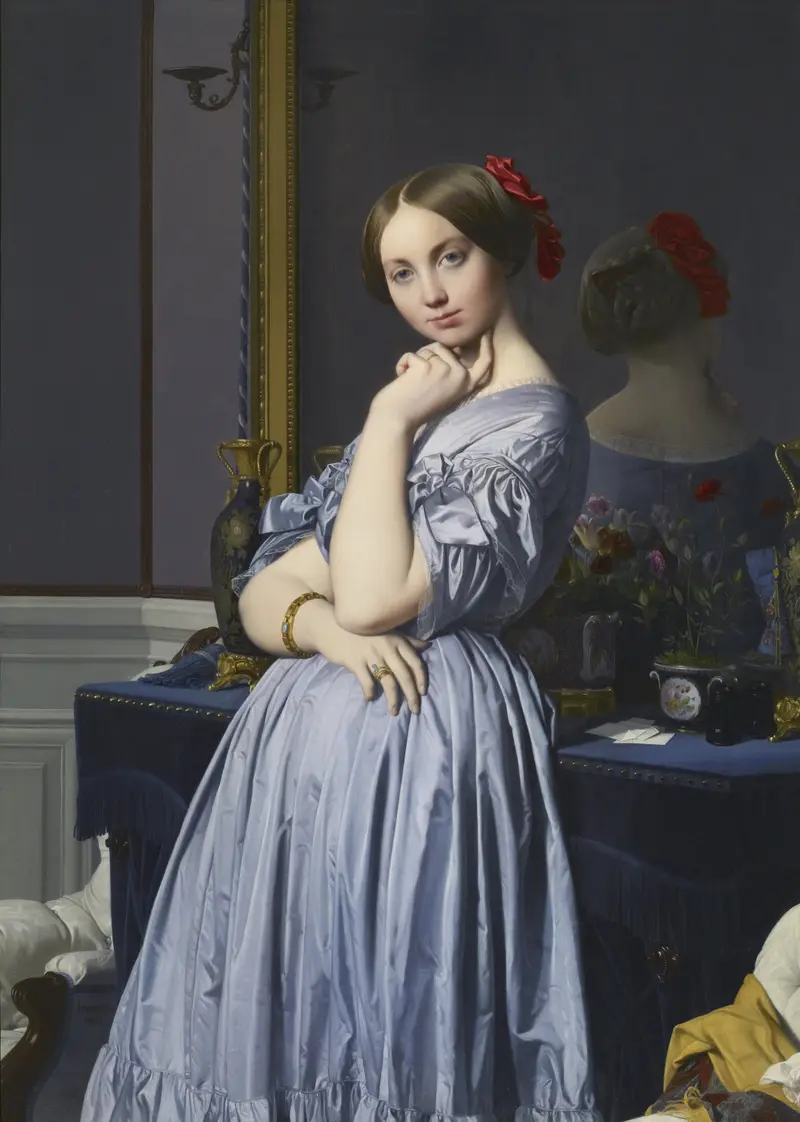
Portrait of Comtesse d’Haussonville
Jean Auguste Dominique Ingres
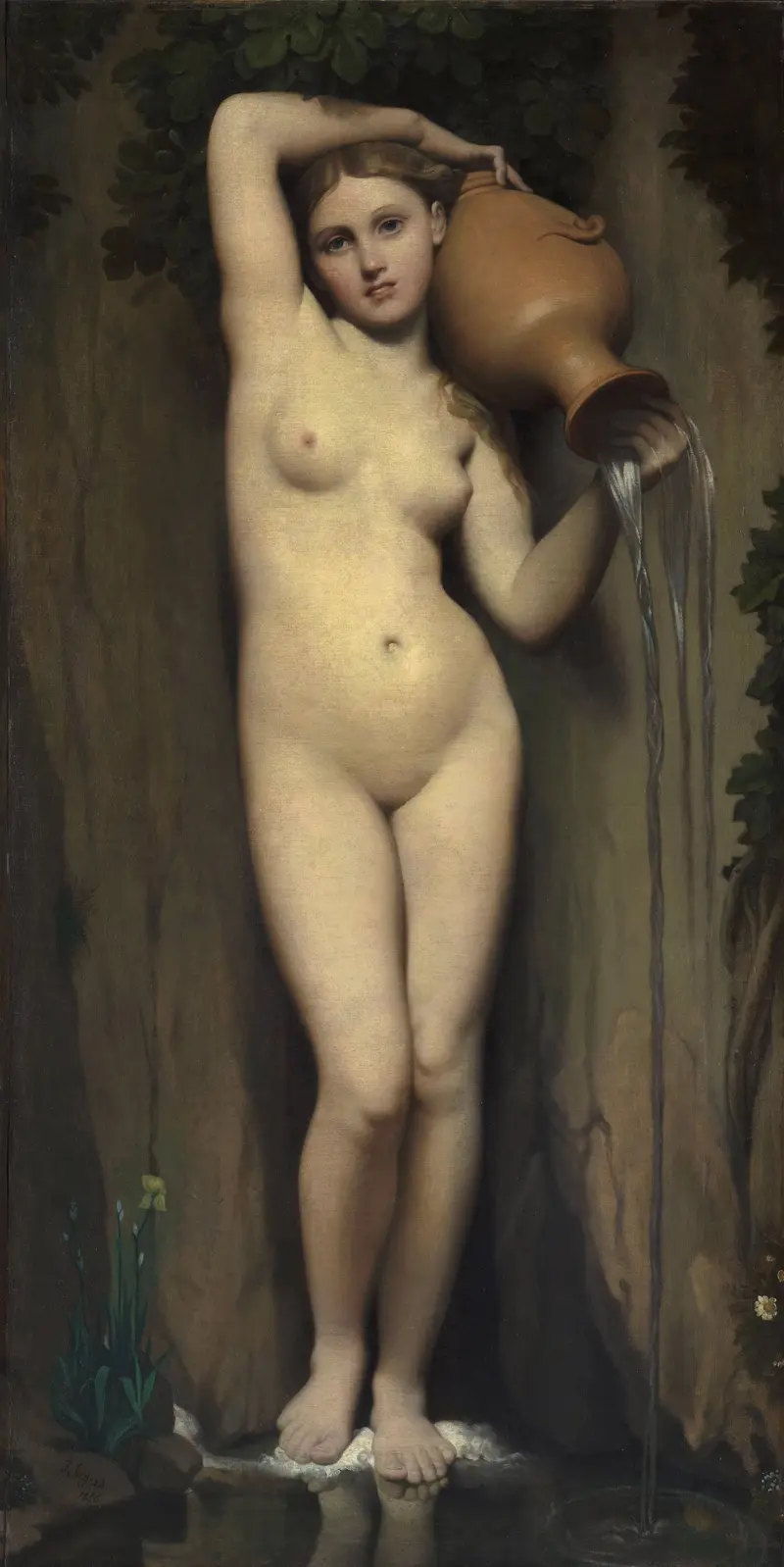
The Source
Jean Auguste Dominique Ingres
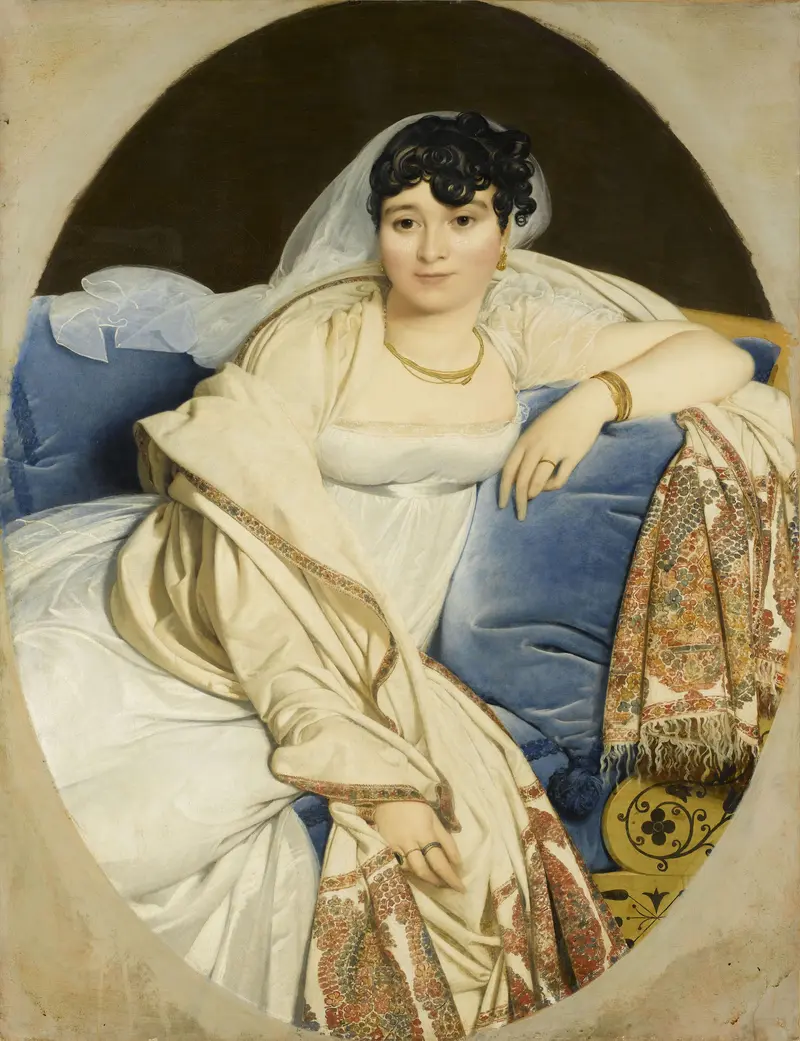
Madame Rivière
Jean Auguste Dominique Ingres

Madame Jean-Auguste-Dominique Ingres, née Madeleine Chapelle
Jean Auguste Dominique Ingres

Portrait of a Lady
Jean Auguste Dominique Ingres
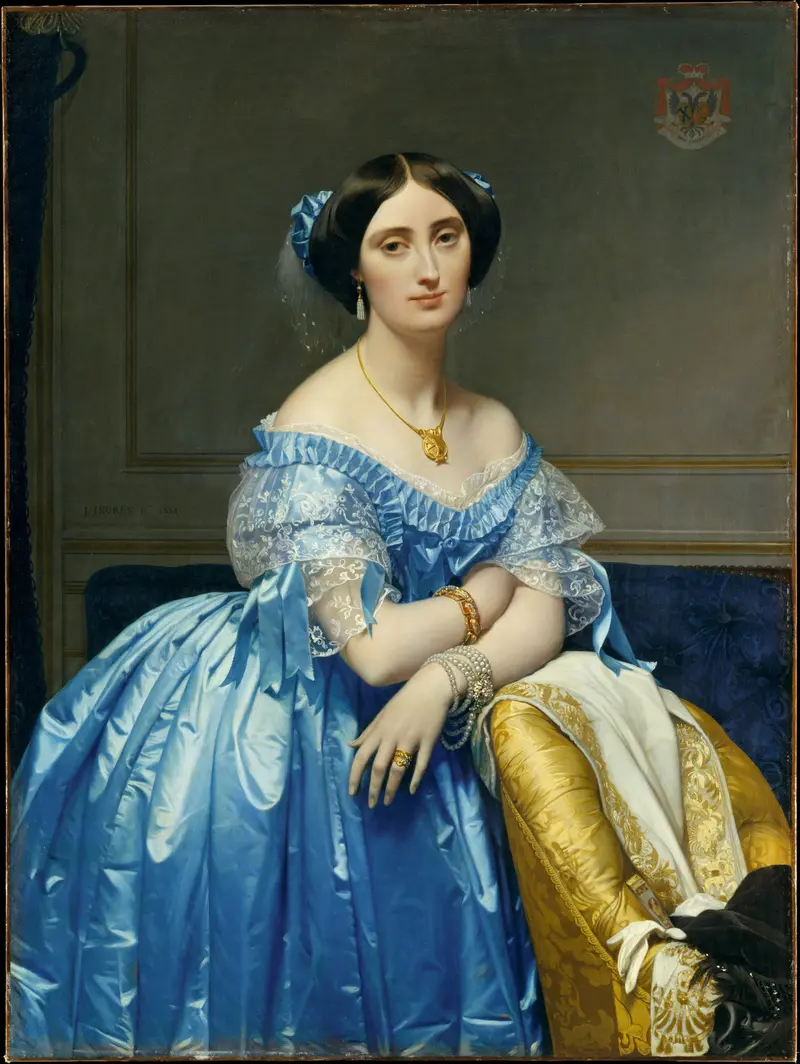
Joséphine-Éléonore-Marie-Pauline de Galard de Brassac de Béarn (1825–1860), Princesse de Broglie
Jean Auguste Dominique Ingres
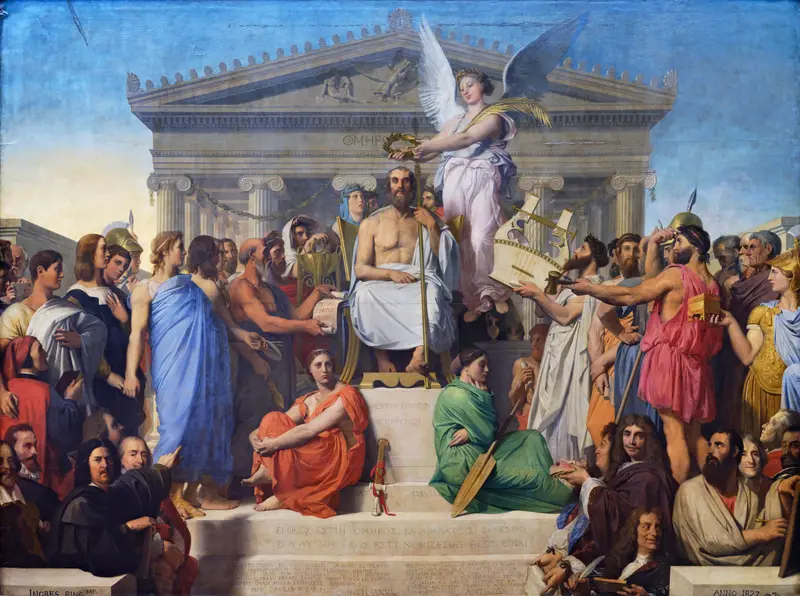
The Apotheosis of Homer
Jean Auguste Dominique Ingres





