Portrait of my Daughter — History & Facts
What first draws the eye in Portrait of my Daughter is the quiet gravity of the sitter’s gaze, meeting us directly yet holding something back. The girl, turned three-quarters to the right, emerges from a darkness so deep that her form seems to materialize out of shadow. Her face is softly illuminated, the brushwork capturing the gentle roundness of youth, but her expression is thoughtful, almost reserved.
The fur collar framing her neck is rendered with a richness that signals both warmth and a sense of care, while the muted palette and velvety blacks give the scene a hushed intimacy. Every highlight on her skin and glint in her eye draws us closer, inviting us to wonder what she is thinking, or whom she is waiting for. Created around 1875, this work belongs to a period when portraiture was undergoing a quiet transformation in France. Artists like Augustin Théodule Ribot—working far from the grand salons—brought a new psychological depth to familiar domestic subjects, often painting family members with a candor rarely seen in official commissions.
The Musée des Beaux-Arts in Reims now houses this painting, a reminder of how many such portraits were intended not for public display, but for private remembrance. History has kept few traces of the sitter’s life or the circumstances of the portrait’s making, but the painting’s presence endures, asking us to search the shadows for the story behind her steady, searching eyes.
More Artworks by Augustin Théodule Ribot

The Scullion
Augustin Théodule Ribot

The Artist's Daughter
Augustin Théodule Ribot
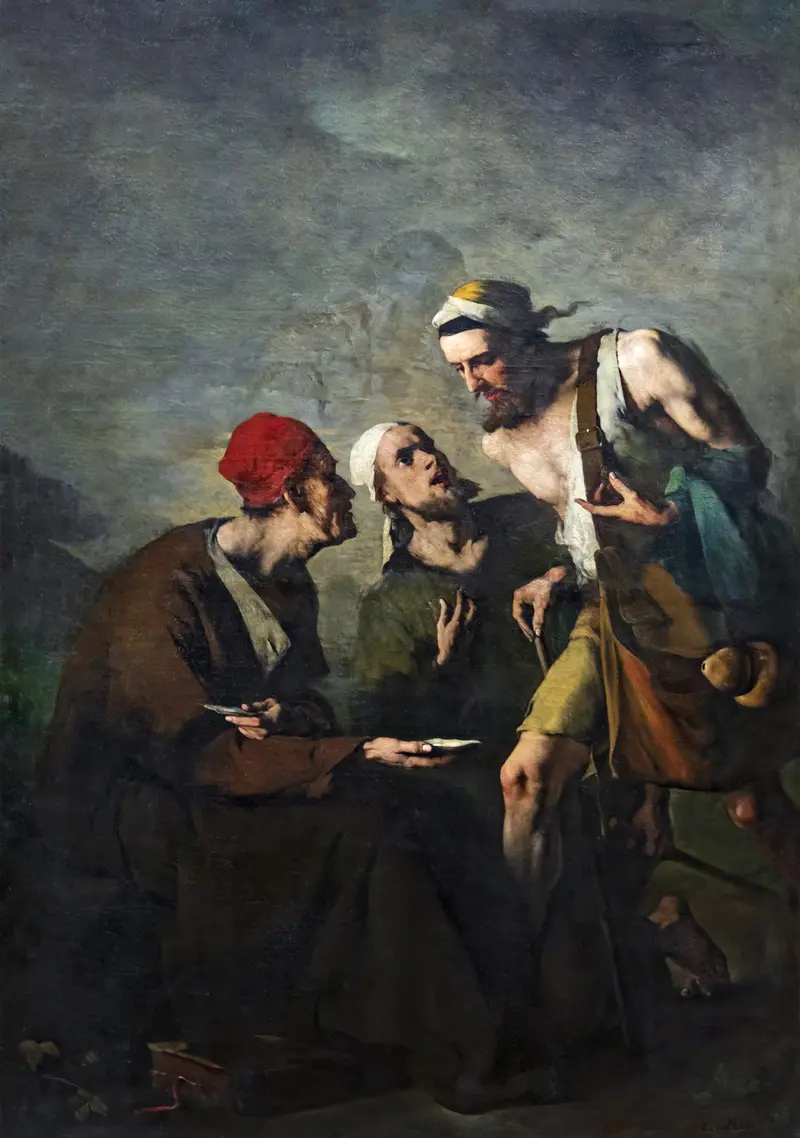
The oyster and the Litigant's
Augustin Théodule Ribot

The philosophers
Augustin Théodule Ribot

Singers
Augustin Théodule Ribot

Oyster and timbale
Augustin Théodule Ribot
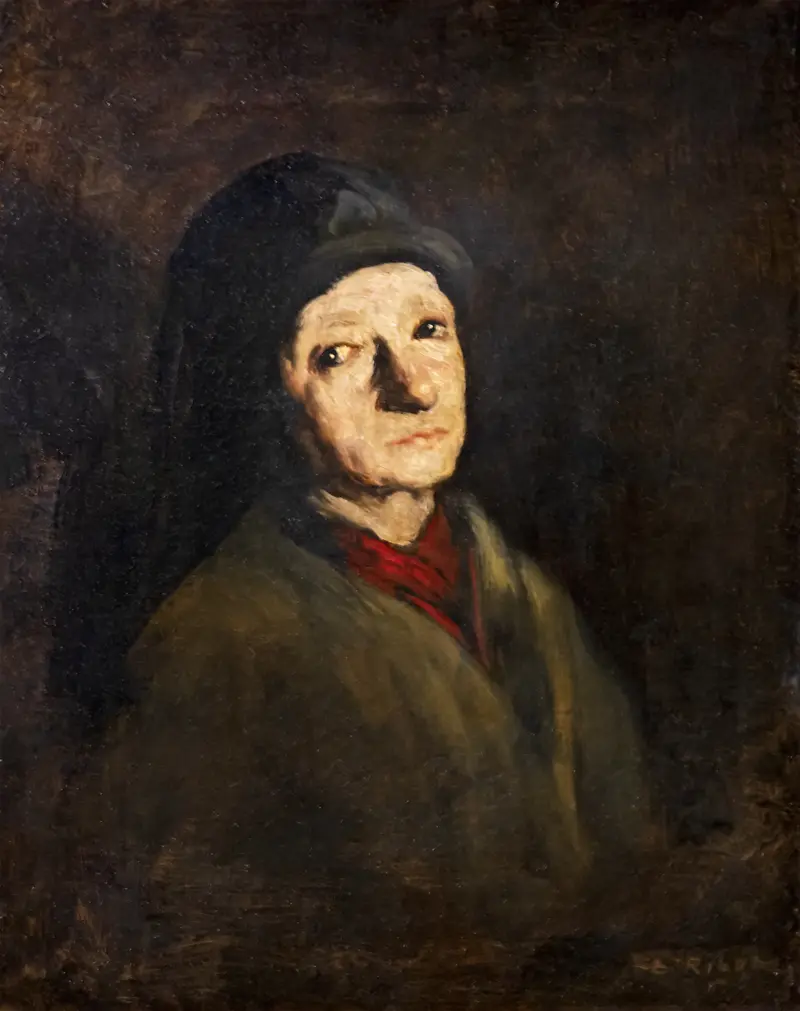
Portrait of the artist's mother
Augustin Théodule Ribot

Three old jews
Augustin Théodule Ribot

' Landscape ', known as ' La Maison de Corot in Ville-d'Avray '
Augustin Théodule Ribot
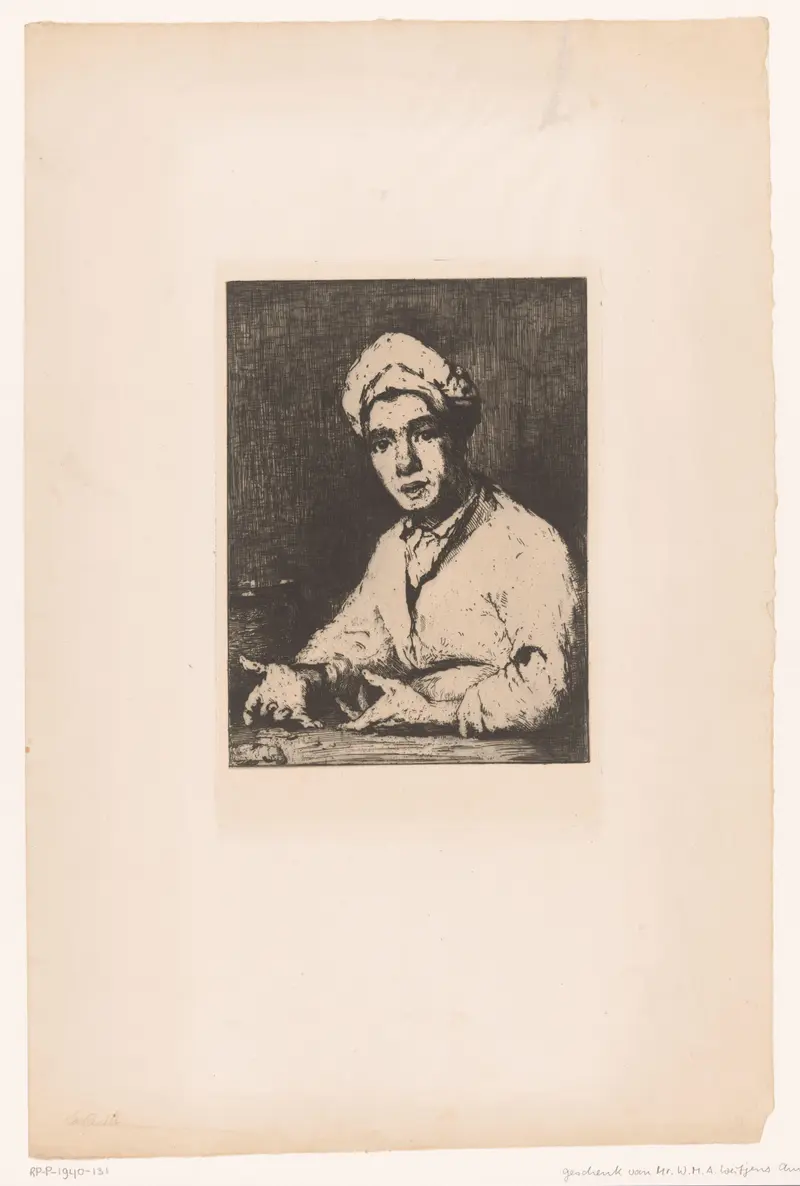
La recette du cuisinier
Augustin Théodule Ribot