
Portrait of Nicolaas Stenius — History & Facts
When Frans Hals painted Portrait of Nicolaas Stenius in 1650, he captured not just a sitter but a man whose own writings would help shape the intellectual life of Haarlem. Stenius, a Catholic priest and theologian, was a prominent figure in a city where Catholics lived under the shadow of the Protestant Reformation. The portrait’s commission is notable: it was created during a period when Catholic patrons often had to be discreet, and yet Stenius’s likeness was rendered by the city’s most celebrated portraitist.
This collaboration between sitter and artist is a rare glimpse into the private networks of faith and learning that persisted in the Dutch Republic. Stenius is caught in a moment of composed reflection, his black robe and white collar crisp against the muted background. His direct gaze, steady and open, suggests both dignity and approachability—a balance that Hals achieves with his famously loose, lively brushwork. The sitter’s hand rests gently on a book, likely a nod to his scholarly pursuits and his role as a translator of theological texts.
The light falls softly on his face, highlighting the lines of thought and age, while the lack of ostentation in dress and setting points to the humility valued by his faith. Compared to the more formal, idealized portraits by Anthony van Dyck, Hals’s approach here feels immediate and human, drawing the viewer into a quiet conversation with the sitter. Little is known about the early journey of Portrait of Nicolaas Stenius, and the details of its commission remain elusive. The painting has long been recognized as an authentic work by Frans Hals, and it stands as a testament to his ability to capture the individuality of his sitters.
Today, the portrait is housed in the Frans Hals Museum in Haarlem, where it forms part of a remarkable collection of the artist’s works. It offers a window into the religious and intellectual undercurrents of seventeenth-century Haarlem, as well as into the later period of Hals’s career, when his brush grew freer and his portraits more psychologically acute.
More Artworks by Frans Hals

Banquet of the Officers of the St George Civic Guard
Frans Hals

Portrait of Jacob Pietersz Olycan (1596-1638)
Frans Hals
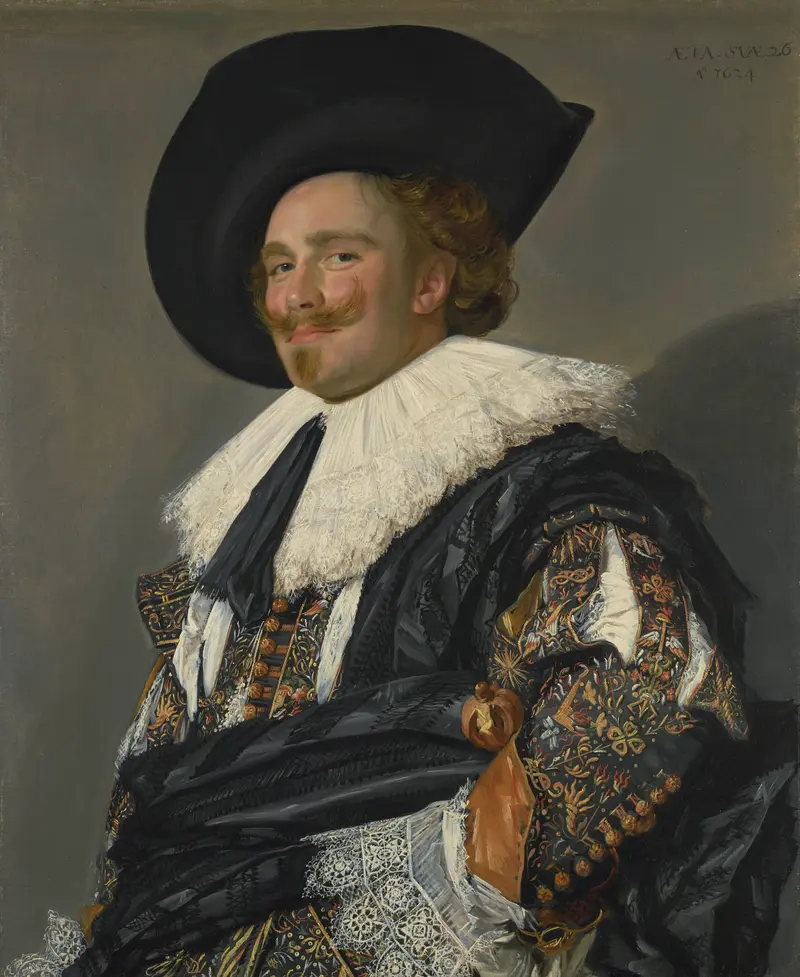
Laughing Cavalier
Frans Hals

Militia Company of District XI under the Command of Captain Reynier Reael, Known as ‘The Meagre Company’
Frans Hals
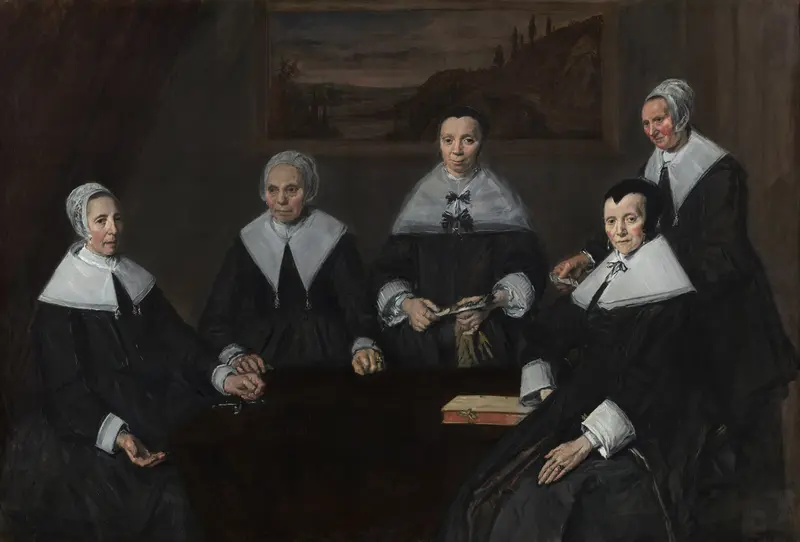
Regentesses of the Old Men's Alms House
Frans Hals
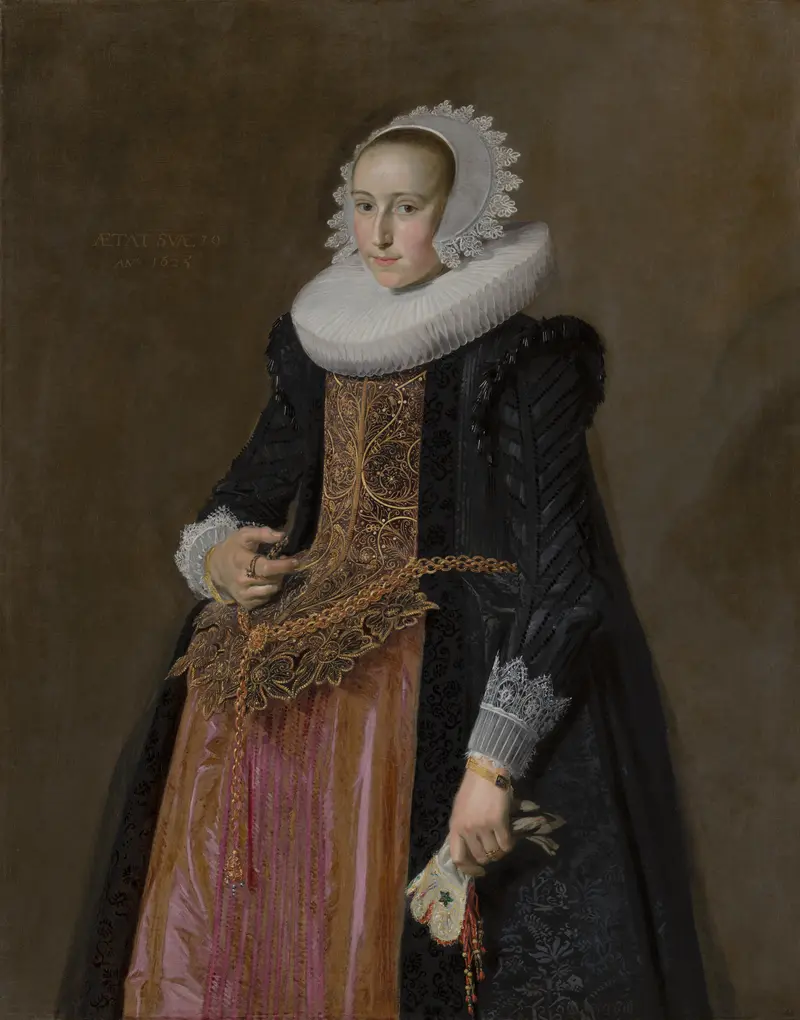
Portrait of Aletta Hanemans (1606–1653)
Frans Hals
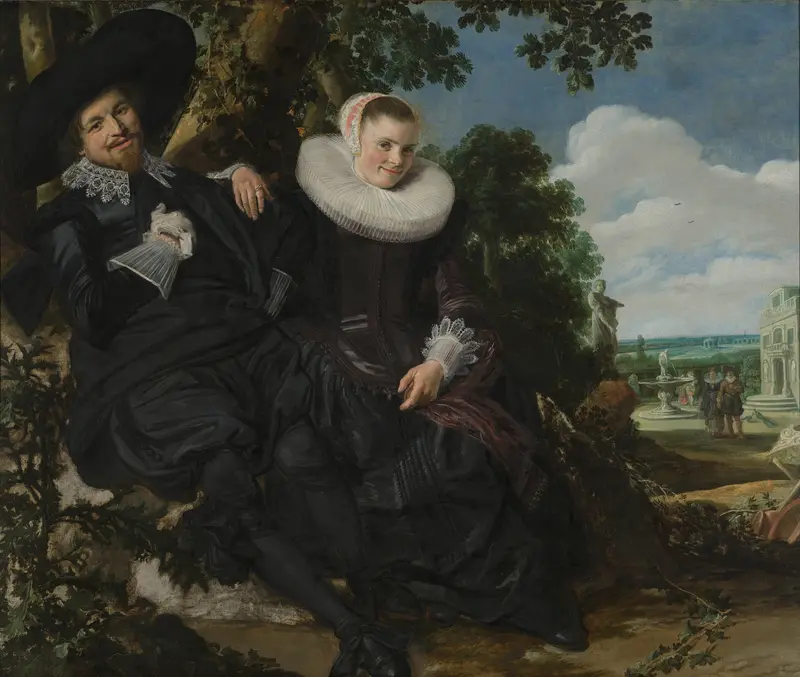
Portrait of a Married Couple, Likely Isaac Abrahamsz Massa and Beatrix van der Laen
Frans Hals
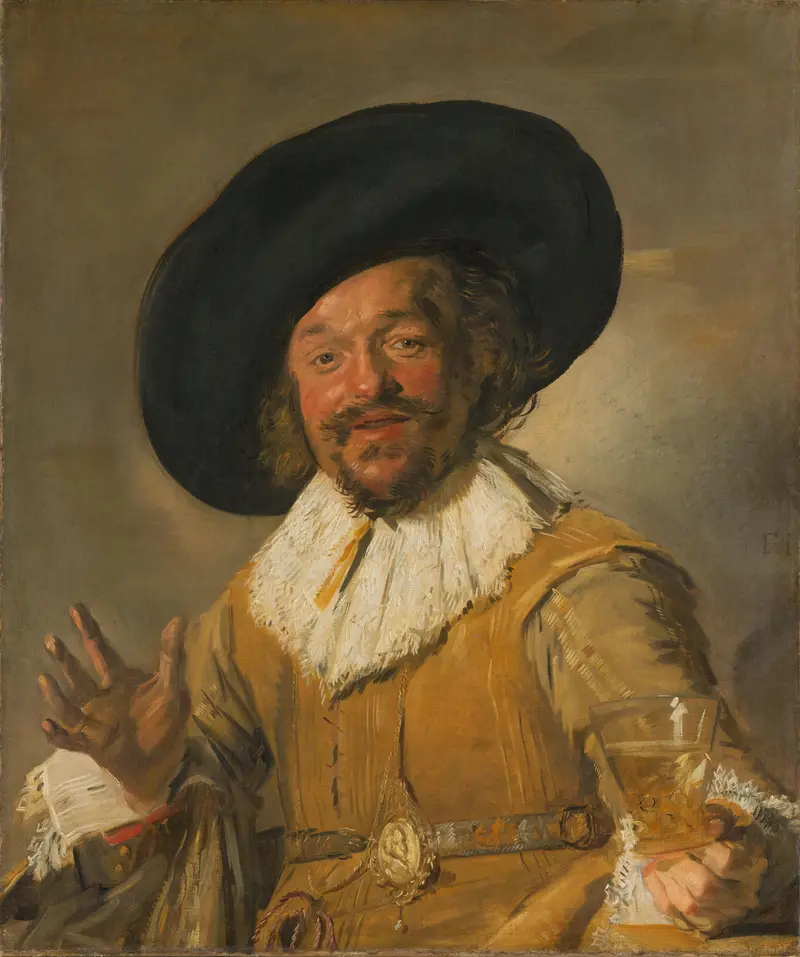
The Merry Drinker
Frans Hals
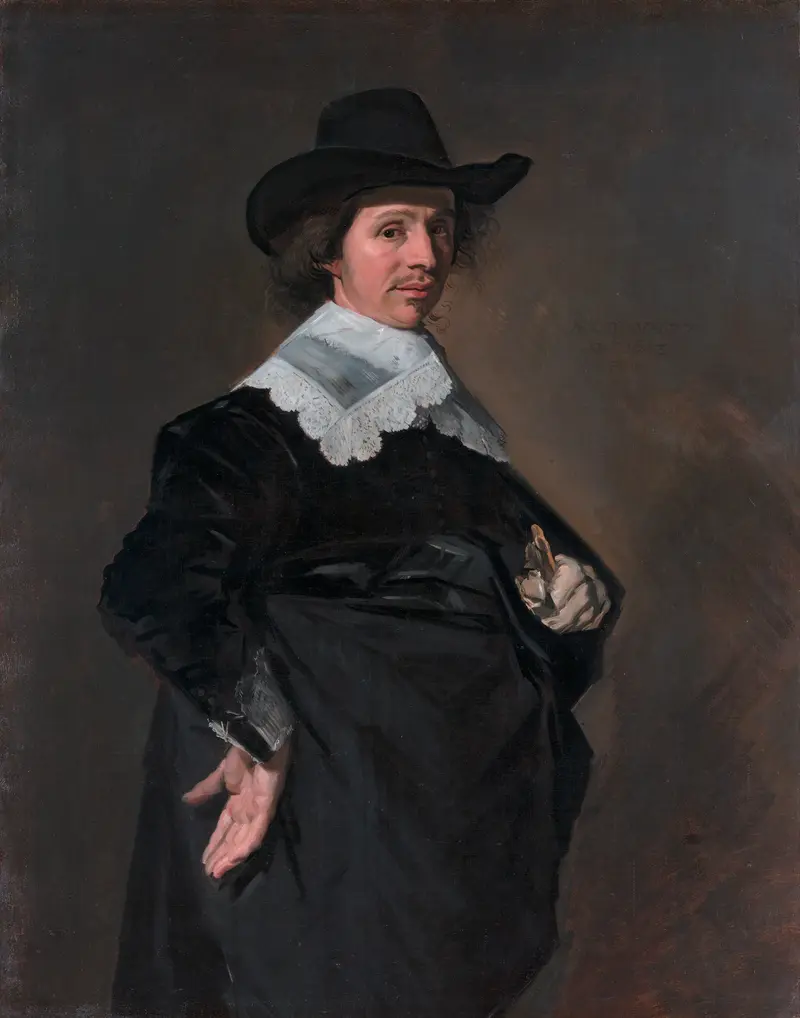
Portrait of Paulus Verschuur
Frans Hals
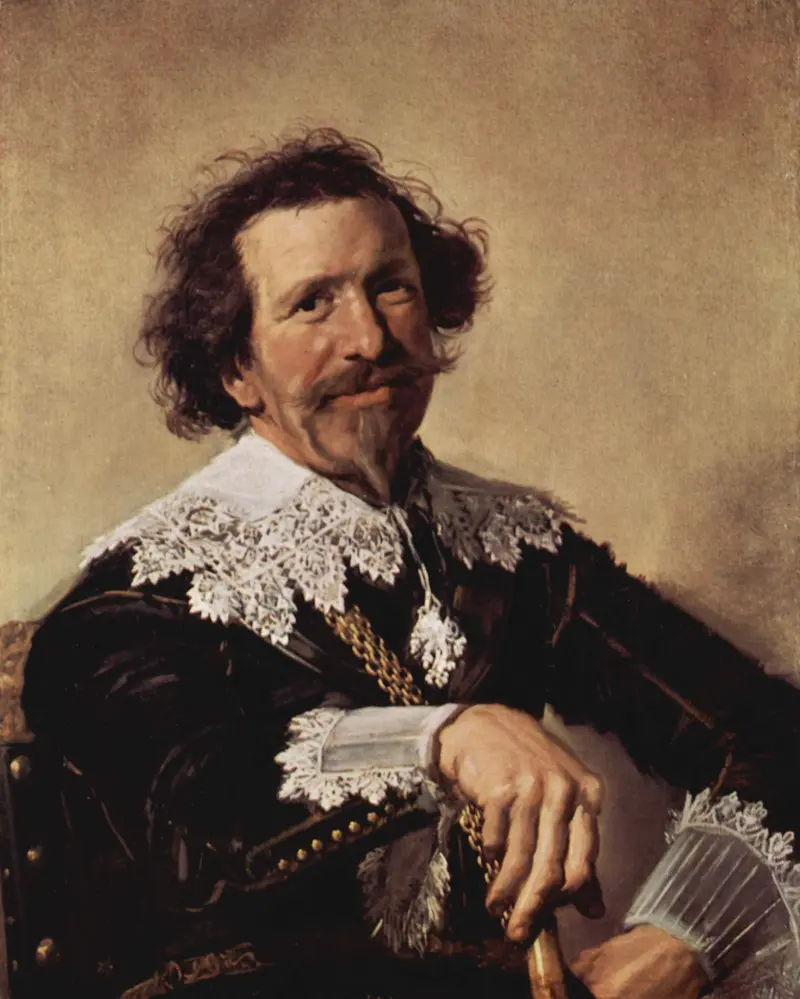
Portrait of Pieter van den Broecke
Frans Hals





