
Portrait of Paul Lemoyne — History & Facts
When Jean Auguste Dominique Ingres painted Portrait of Paul Lemoyne in 1810, he was capturing not just a friend, but a fellow artist at a pivotal moment in both their lives. Lemoyne, a sculptor and close companion from their days at the French Academy in Rome, sat for Ingres while both were still young men, brimming with ambition and uncertainty. The resulting portrait is one of the earliest surviving likenesses by Ingres of someone from his intimate circle, and it offers a rare glimpse into the network of artists who would shape French art in the nineteenth century.
The painting stands as a testament to the camaraderie and rivalry that defined the Academy’s Roman years. Ingres chooses to depict Lemoyne with a direct, searching gaze, his features rendered with a clarity that borders on severity. The sitter’s dark coat and simple background focus all attention on his face, where the light falls softly across the brow and cheek, highlighting the sculptor’s thoughtful expression. The absence of props or overt symbols is itself a statement: Lemoyne is presented not as an allegory or a type, but as an individual, his character emerging through the precision of Ingres’s line.
This psychological intensity recalls the portraits of David, Ingres’s teacher, but with a new intimacy and restraint. Unlike the grand, official portraits of the period, this work invites the viewer into a private world of friendship and artistic exchange. Little is known about the early history of Portrait of Paul Lemoyne, and its medium remains uncertain, though it is likely oil on canvas, as was typical for Ingres’s portraits of the time. The painting did not enter public collections until much later, and its whereabouts were obscure for much of the nineteenth century.
Today, it is valued not only as an early example of Ingres’s portraiture but also as a document of the artist’s formative years in Rome. The portrait marks a turning point in Ingres’s career, foreshadowing the psychological depth and technical precision that would define his later masterpieces. Its quiet intensity continues to speak of a friendship and an era when art was both a personal and collective pursuit.
More Artworks by Jean Auguste Dominique Ingres
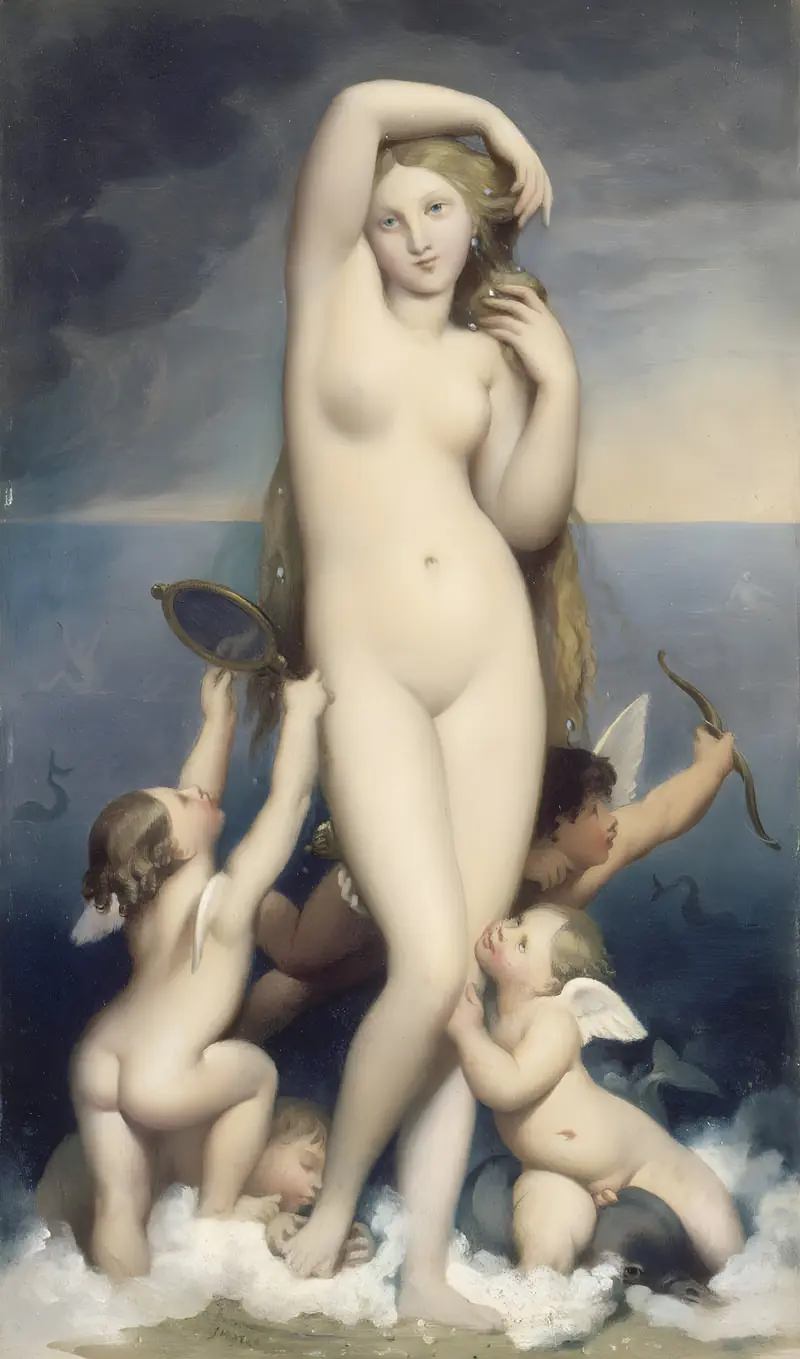
Vénus anadyomène
Jean Auguste Dominique Ingres
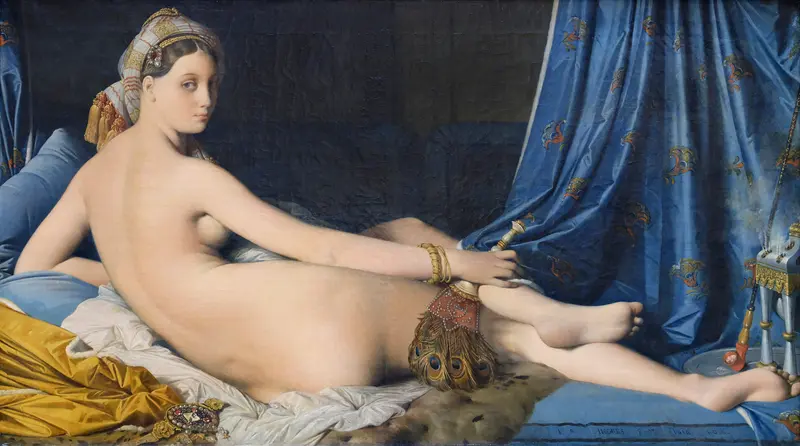
Grande Odalisque
Jean Auguste Dominique Ingres
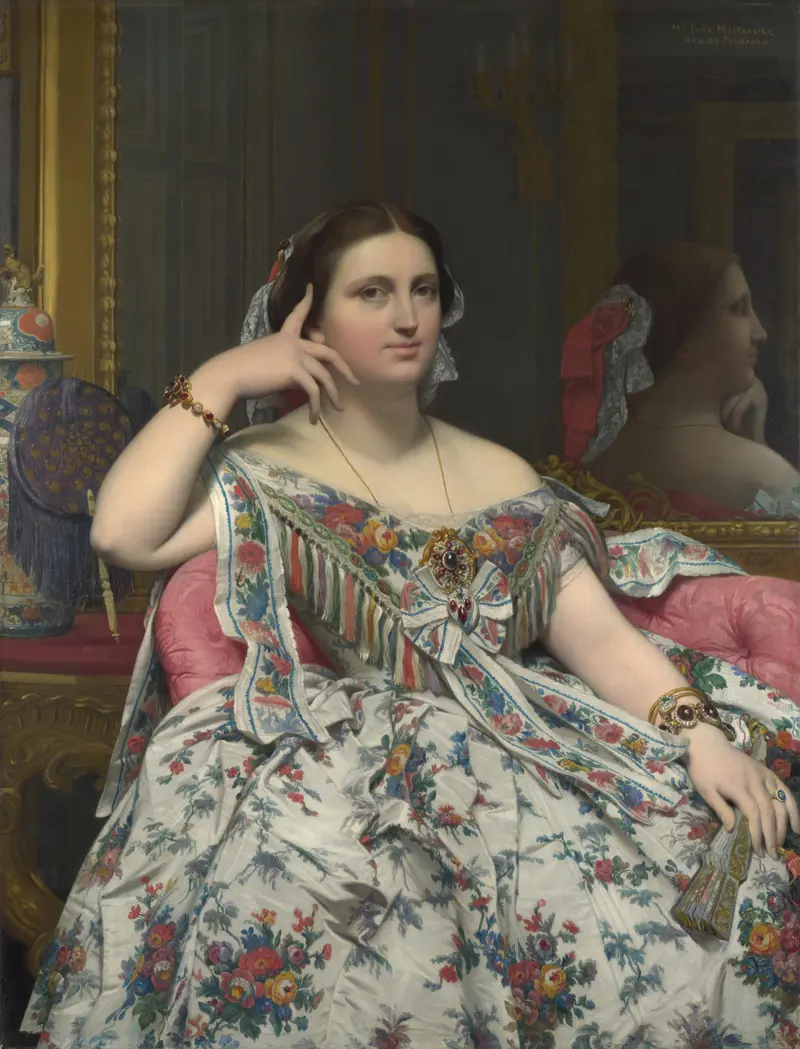
Madame Moitessier (seated)
Jean Auguste Dominique Ingres
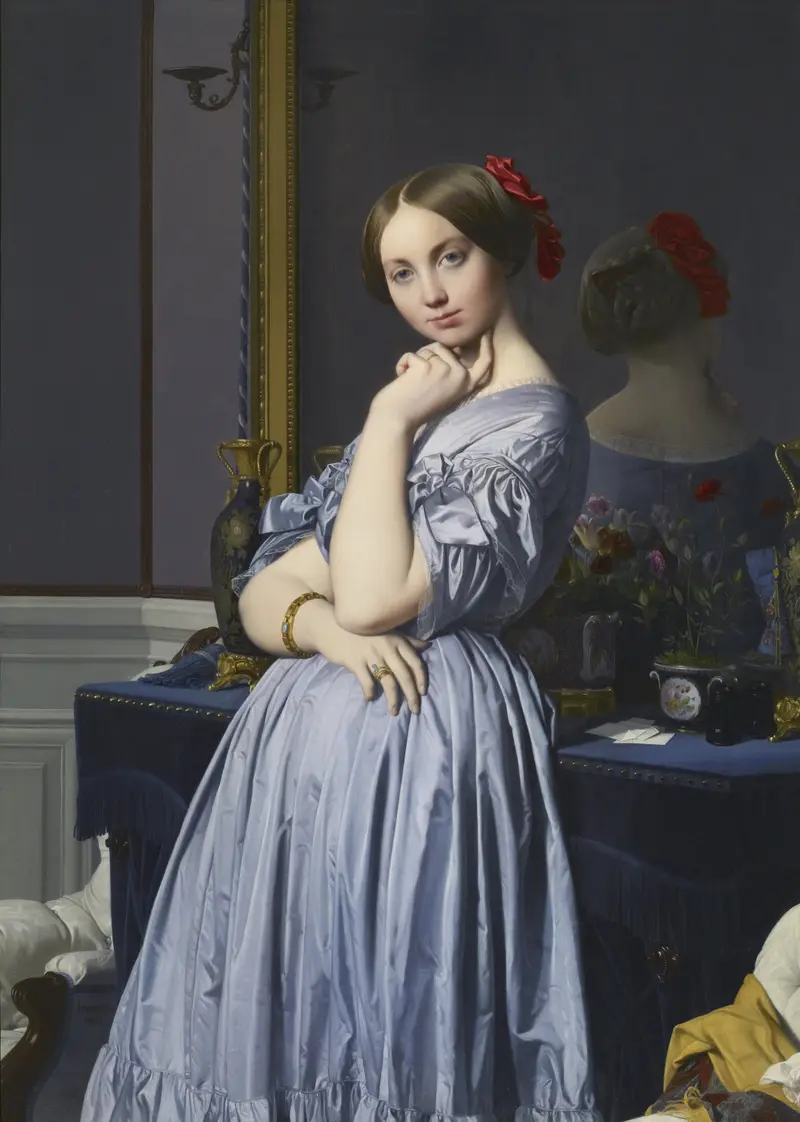
Portrait of Comtesse d’Haussonville
Jean Auguste Dominique Ingres
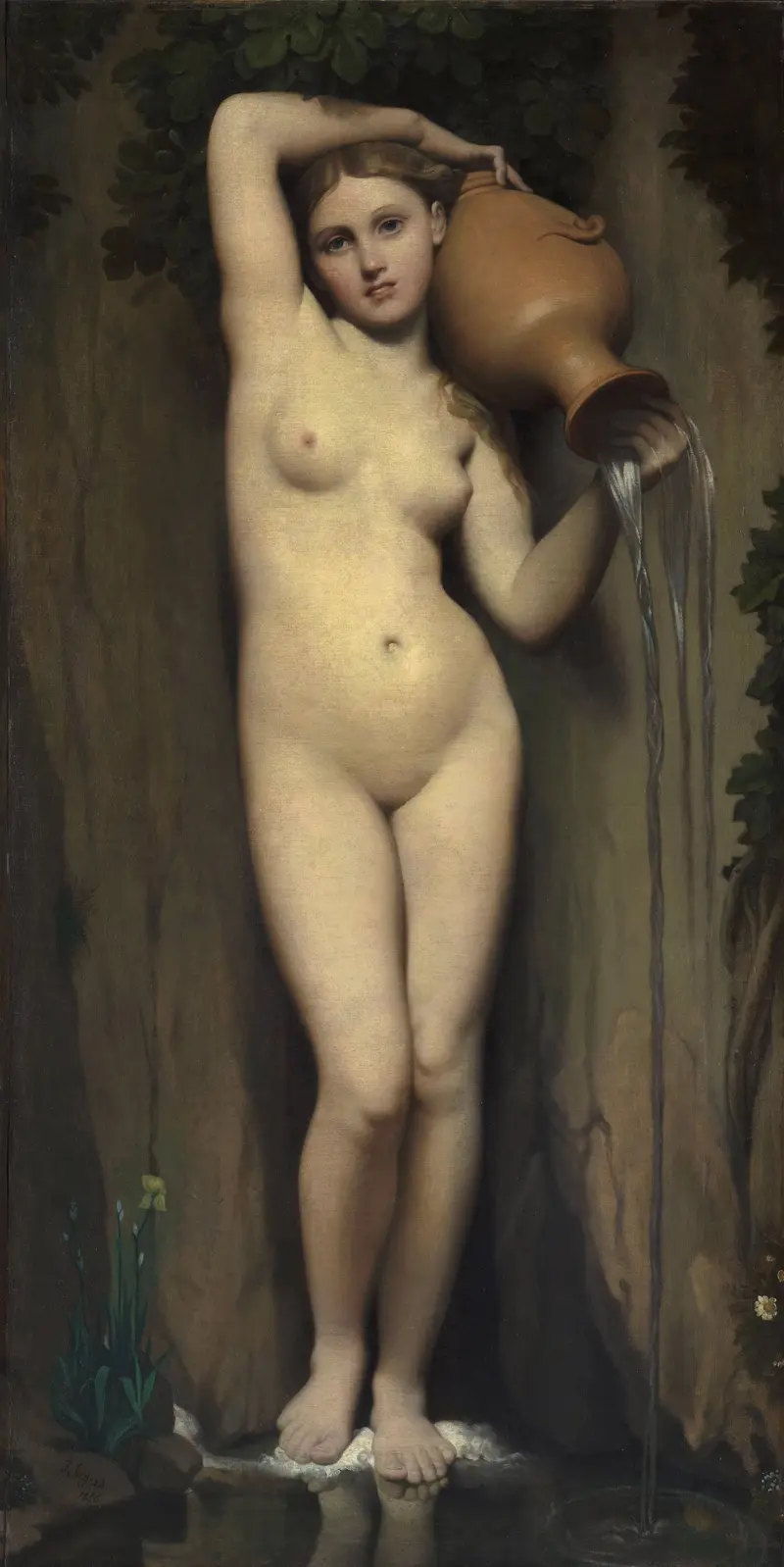
The Source
Jean Auguste Dominique Ingres
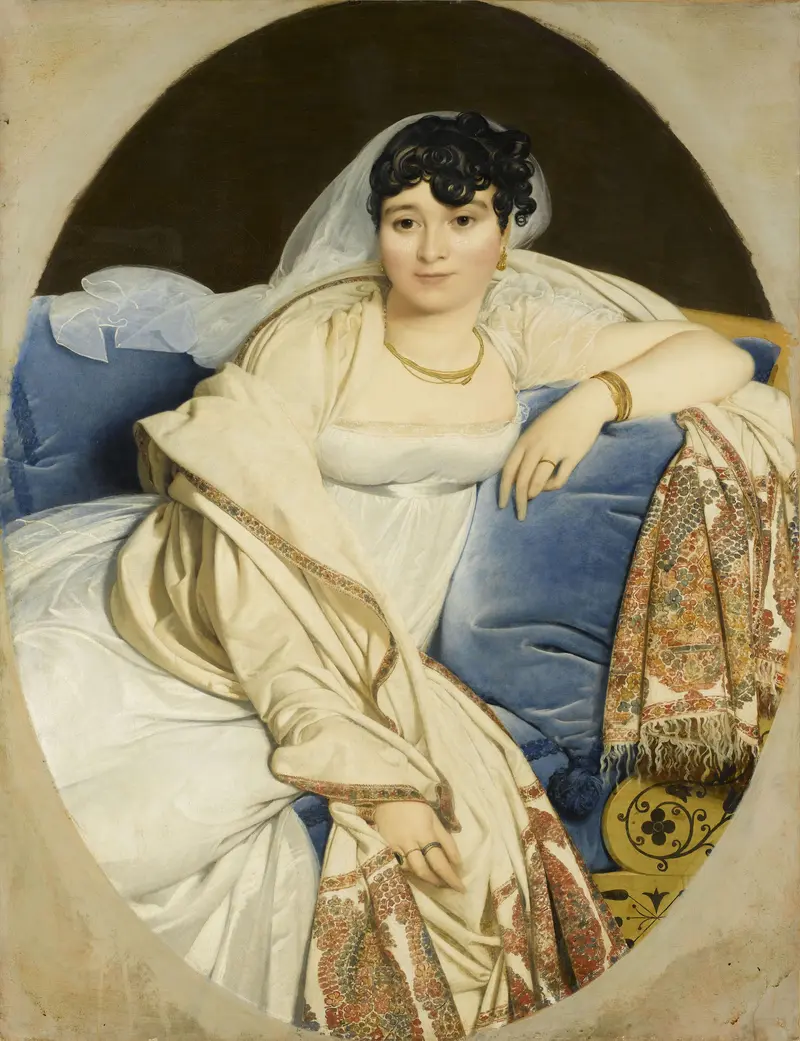
Madame Rivière
Jean Auguste Dominique Ingres

Madame Jean-Auguste-Dominique Ingres, née Madeleine Chapelle
Jean Auguste Dominique Ingres

Portrait of a Lady
Jean Auguste Dominique Ingres
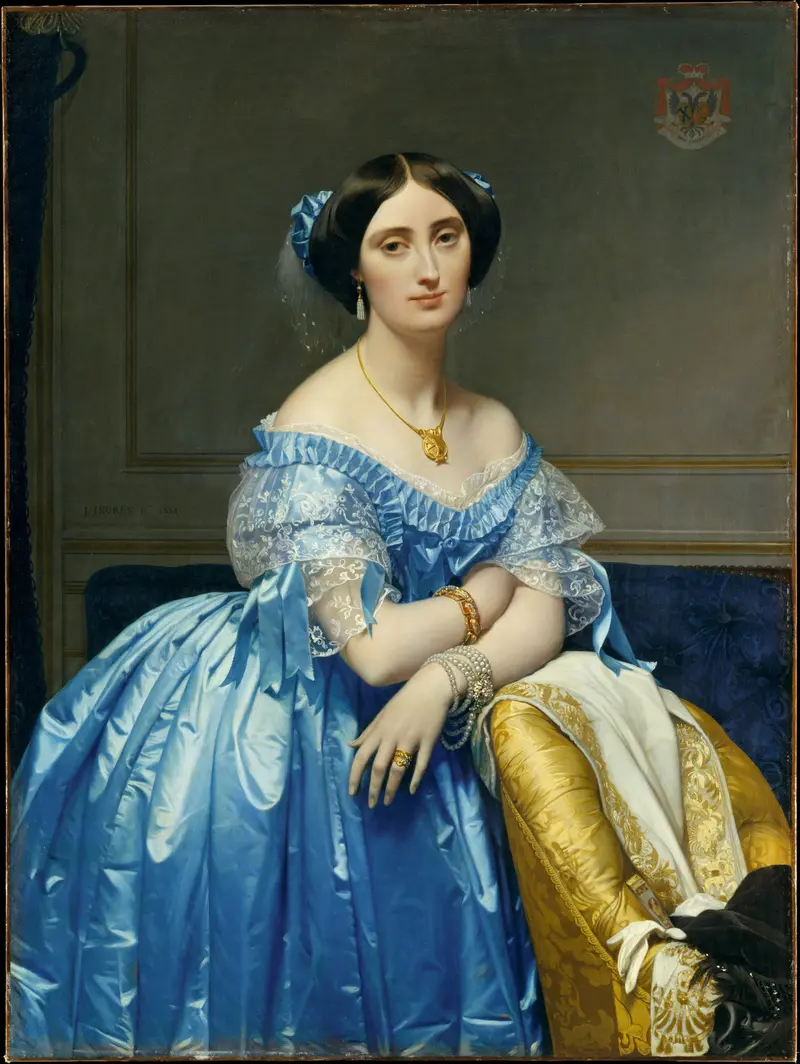
Joséphine-Éléonore-Marie-Pauline de Galard de Brassac de Béarn (1825–1860), Princesse de Broglie
Jean Auguste Dominique Ingres
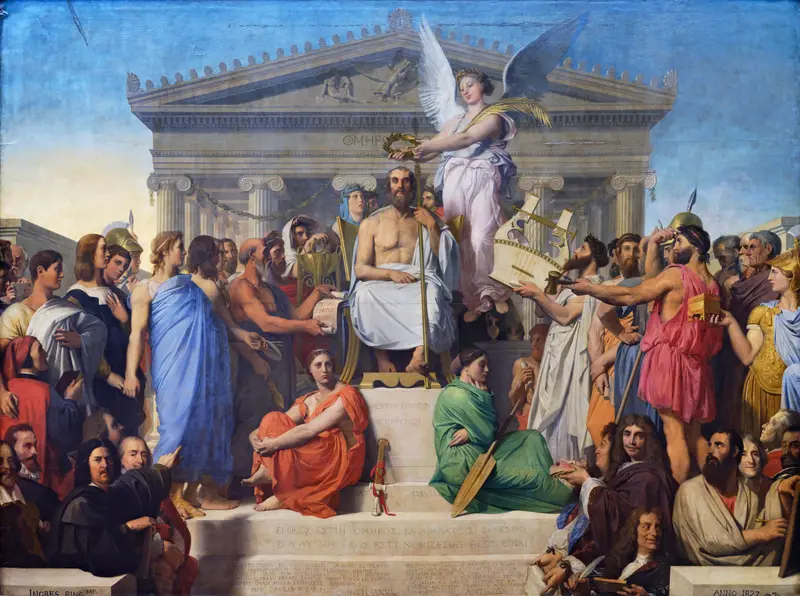
The Apotheosis of Homer
Jean Auguste Dominique Ingres





