
Portrait of Peter I of Russia — History & Facts
When Peter the Great traveled incognito through Europe on his Grand Embassy of 1697–98, he shocked and fascinated the courts of the West. During his stay in the Dutch Republic, the Russian tsar sat for Godfried Schalcken, a celebrated portraitist whose candlelit scenes were prized by the elite. The resulting Portrait of Peter I of Russia is one of the rare images of the tsar painted from life during this formative journey, capturing a young monarch on the cusp of transforming his nation.
The painting stands as a unique witness to the collision of Russian ambition and Dutch artistry at the dawn of the 18th century. Schalcken chose to depict Peter not in the trappings of Russian autocracy, but as a European gentleman, dressed in sober, Western-style attire. The tsar’s direct gaze and upright posture signal both curiosity and resolve, while his hand rests on the hilt of a sword—a subtle nod to his military aspirations and the reforms he would soon impose on Russia. The soft, glowing light, a hallmark of Schalcken’s technique, bathes Peter’s features in warmth, humanizing a figure often cast in legend.
Unlike the later, more formal portraits by Russian artists such as Ivan Nikitin, Schalcken’s image is intimate and unguarded, reflecting the tsar’s fascination with Western ways during his transformative visit. The painting’s early history is not fully documented, but it likely remained in Dutch or Russian collections before entering the wider European art market. Schalcken, who enjoyed the patronage of both Dutch and English nobility, was at the height of his career when he painted Peter, and this portrait stands out among his works for its historical resonance. Today, the painting is recognized as a rare intersection of two worlds: the Dutch Golden Age and the Russian imperial project.
Its survival offers a glimpse into a moment when a young tsar sought to remake his country—and himself—through the eyes of Europe.
More Artworks by Godfried Schalcken

Young Man and Woman Studying a Statue of Venus, by Lamplight
Godfried Schalcken

Portrait of an Artist in His Studio
Godfried Schalcken
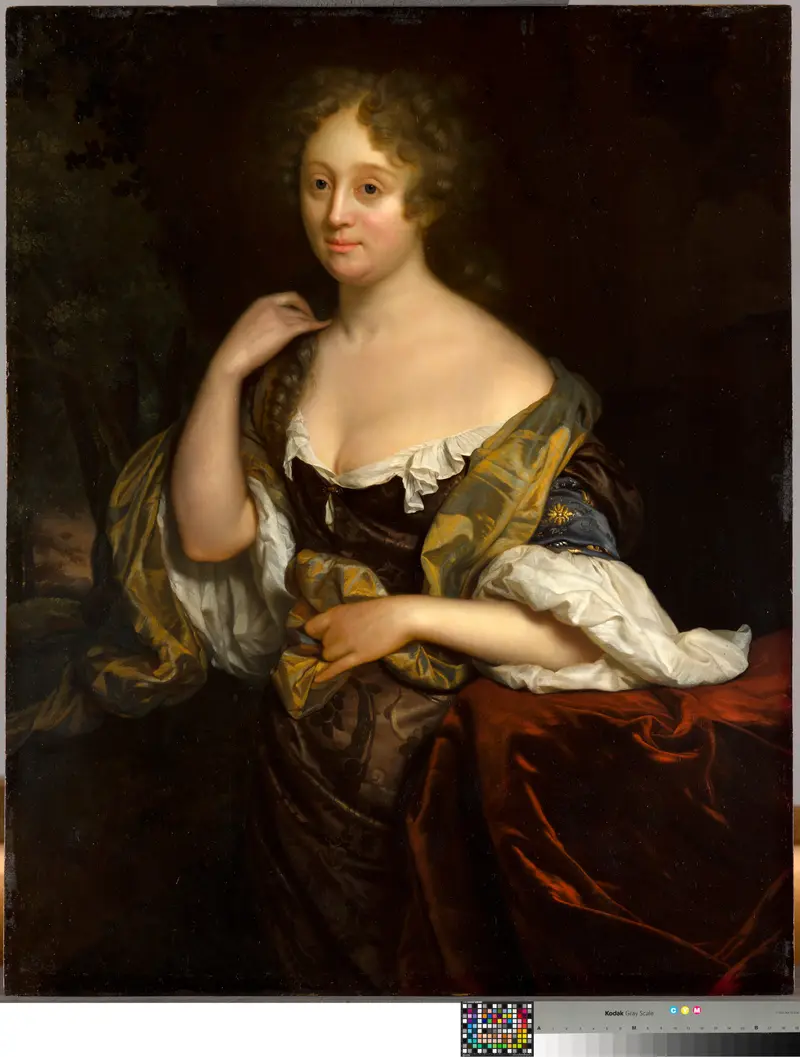
Portrait of Isabella Agneta Deutz
Godfried Schalcken
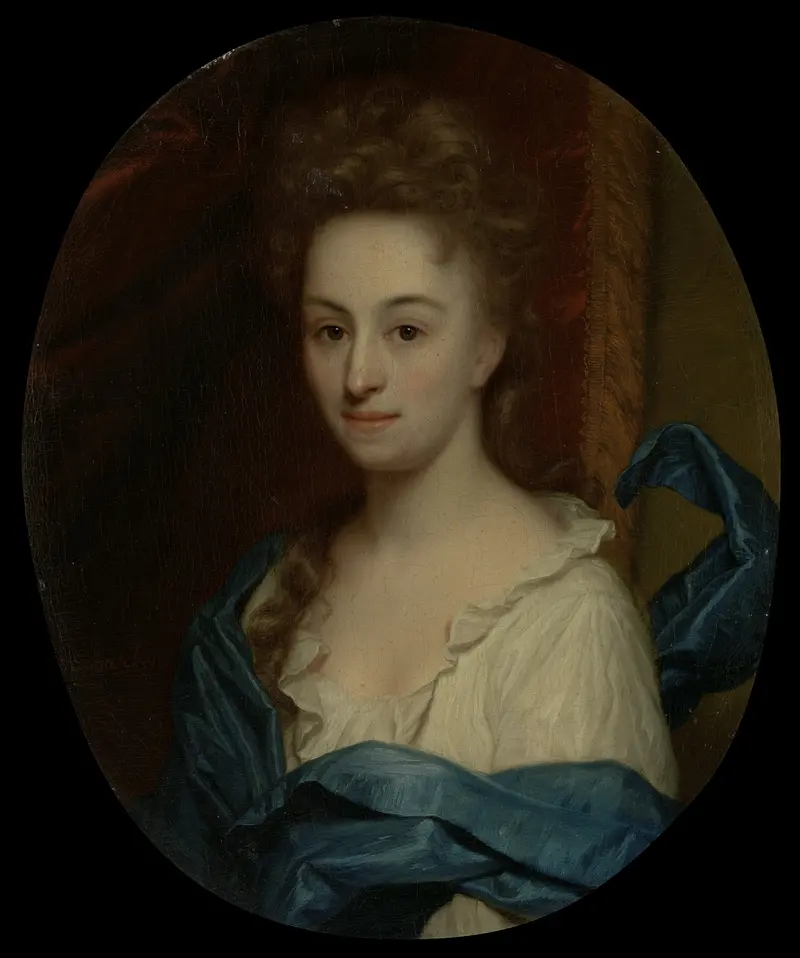
Portrait of Josina Clara van Citters (1671-1753), daughter of Josina Parduyn
Godfried Schalcken
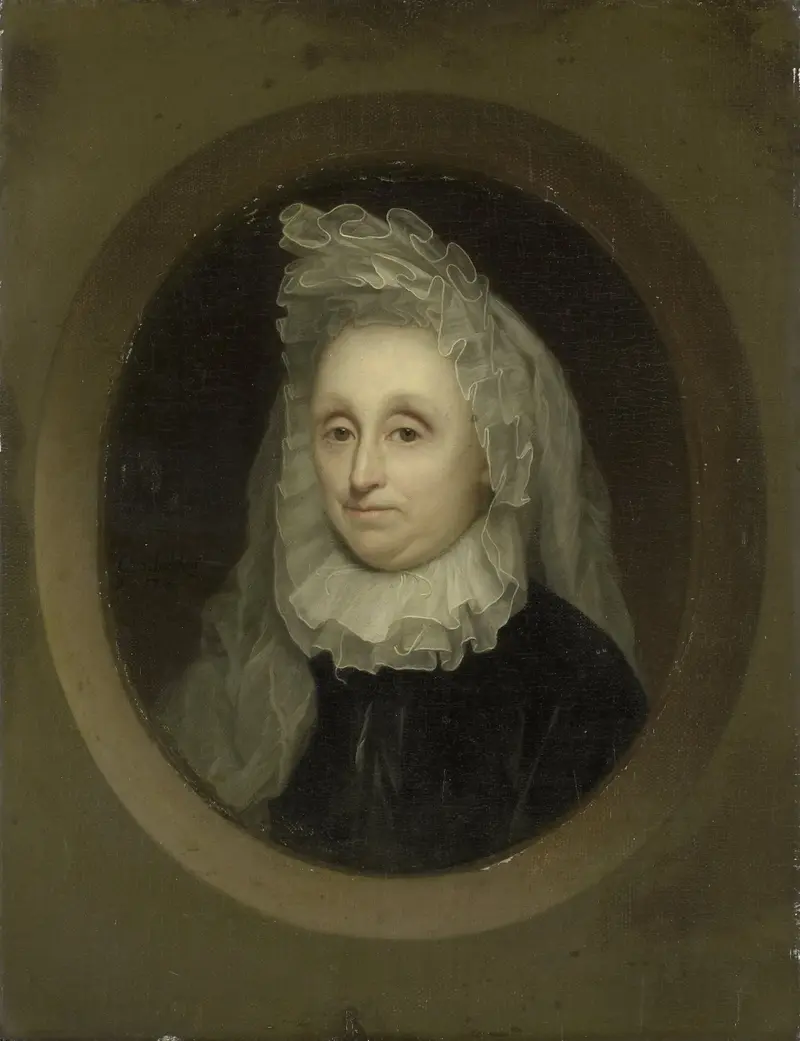
Portrait of Josnia Parduyn (1642-1718), second wife of Aernout van Citters
Godfried Schalcken
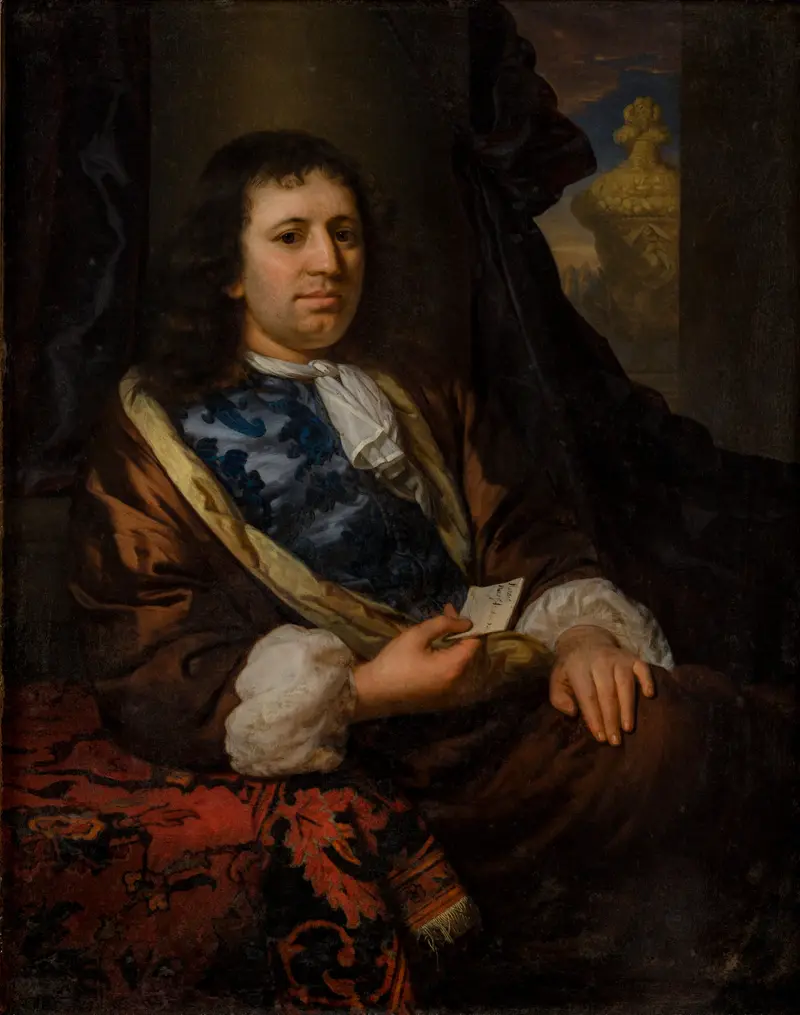
Portret van Johan de Bruin (1678-
Godfried Schalcken
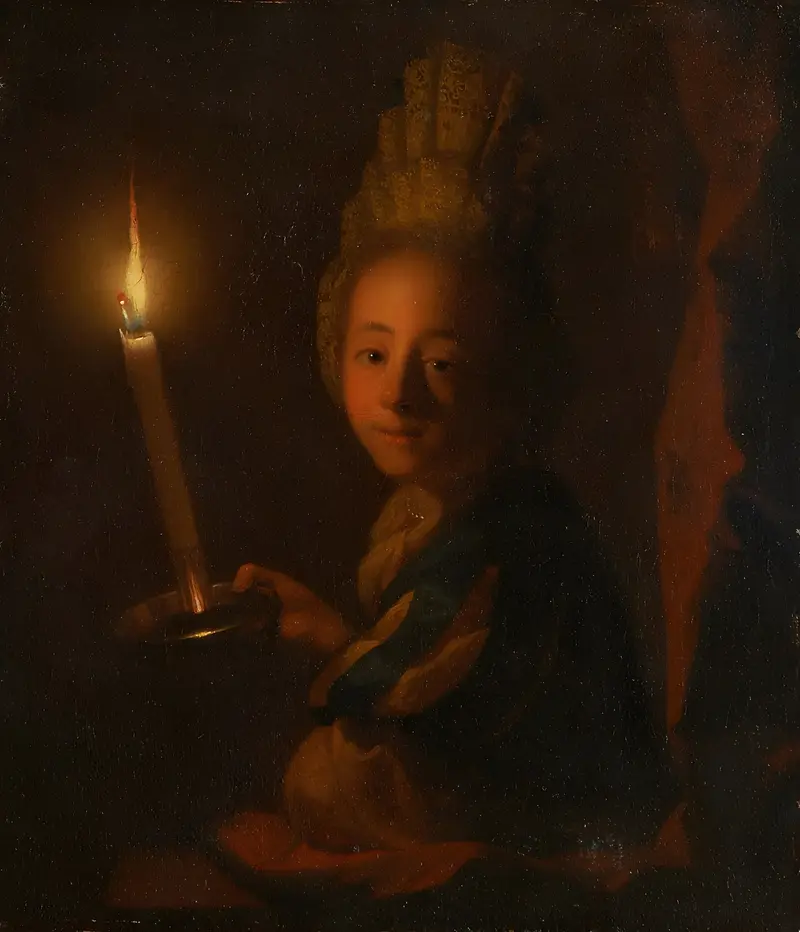
Girl with Burning Candle
Godfried Schalcken
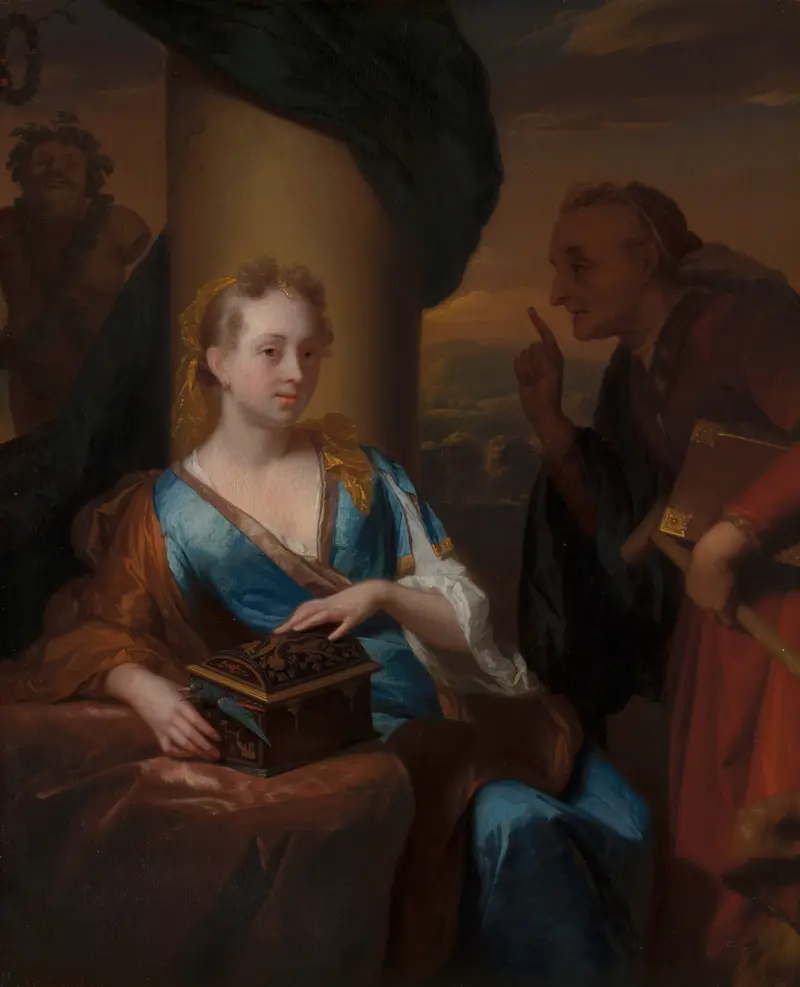
A Useless Moral Lesson
Godfried Schalcken
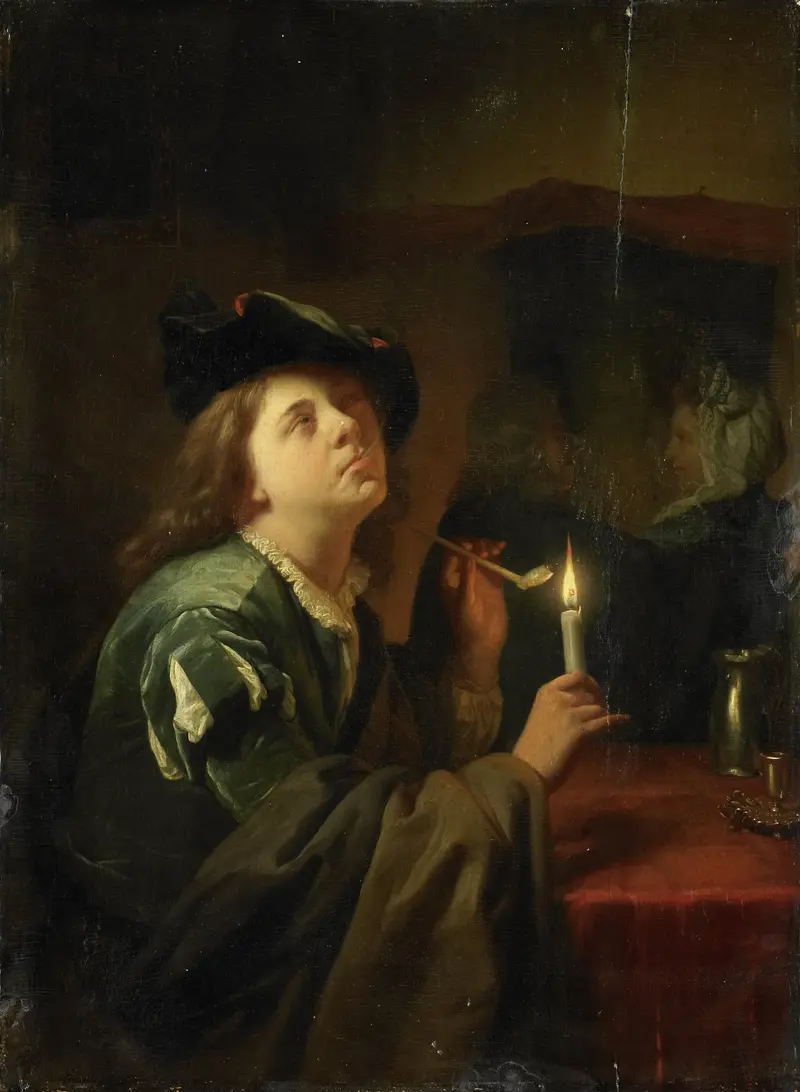
‘Differing tastes’
Godfried Schalcken
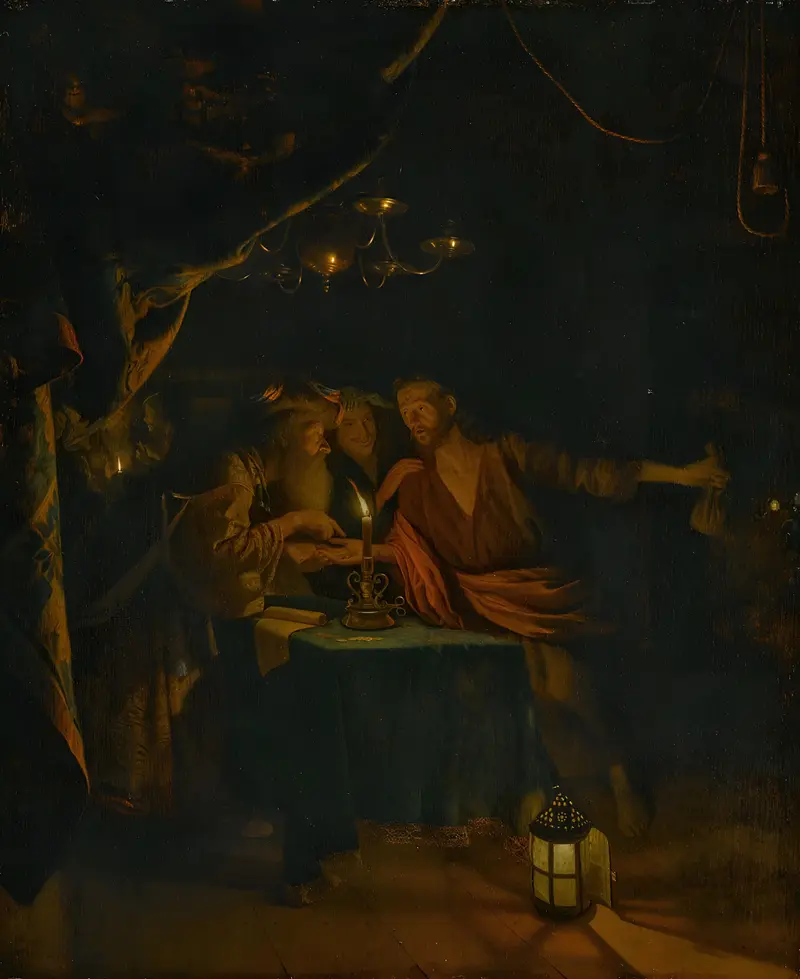
The betrayal of Judas
Godfried Schalcken





