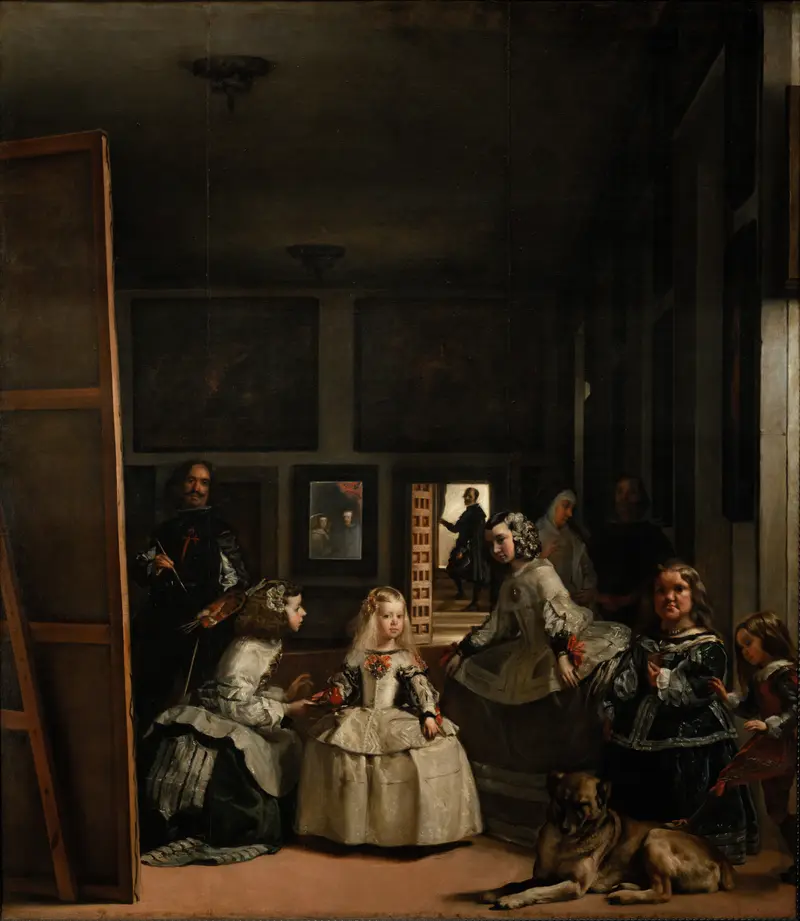
Portrait of Petronella Buys — History & Facts
What first draws the eye in Portrait of Petronella Buys is the astonishing precision with which Rembrandt van Rijn renders the lace and pearls of her ruff—a feat of brushwork that seems almost impossible in oil on panel. The sitter’s gaze is steady, her lips parted as if she is about to speak, yet her expression is reserved, hinting at a world of private thought behind the formal pose. The oval format frames her head and shoulders like a spotlight, pushing the luminous face forward from the shadowy background.
Light glances off her brow and cheekbones, then settles on the delicate frills of her collar, each fold and shadow painted with forensic attention. The gold chains draped across her black gown are not just ornaments, but signals of status and wealth, their weight contrasting with the airy lace above. Painted in 1635, this portrait belongs to a world where such images were both declarations and documents—commissioned by prosperous families to mark marriages, alliances, or rising fortunes. In the Dutch Republic of the seventeenth century, portraits like this were tokens of civic pride and personal achievement, crafted to endure beyond the sitter’s lifetime.
Rembrandt was already famed for his ability to animate faces with psychological depth, yet here he also pays tribute to the textures and fashions that defined his era. The work’s survival in a modern collection, as documented by its presence at Christie’s, is a reminder that history has kept few traces of Petronella Buys herself, but the painter’s hand still brings her moment into the present. Look again at the softness of her gaze—the portrait holds its secrets, waiting for the viewer to ask.
More Artworks by Rembrandt van Rijn
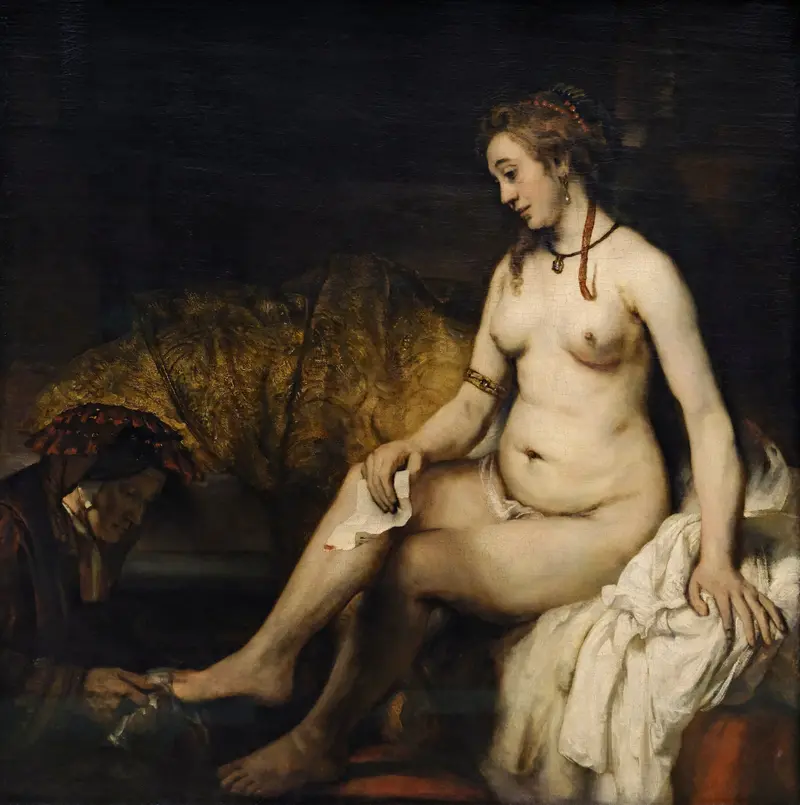
Bathsheba at Her Bath
Rembrandt van Rijn
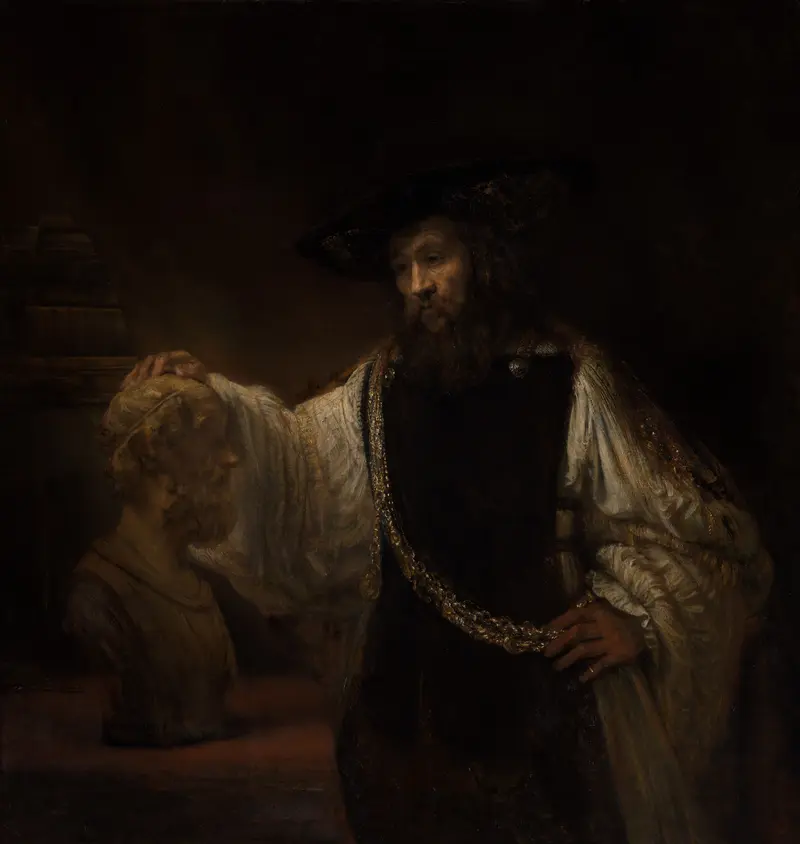
Aristotle with a Bust of Homer
Rembrandt van Rijn
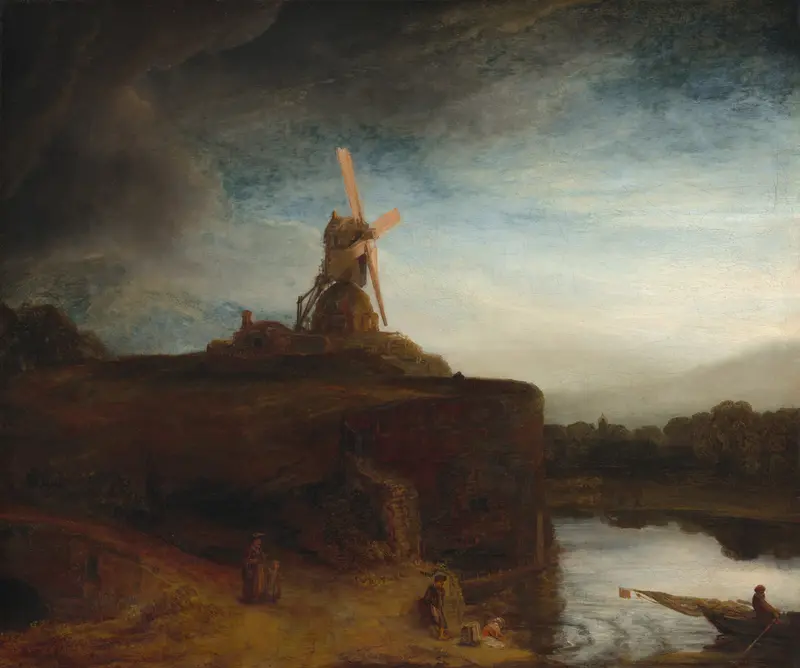
The Mill
Rembrandt van Rijn
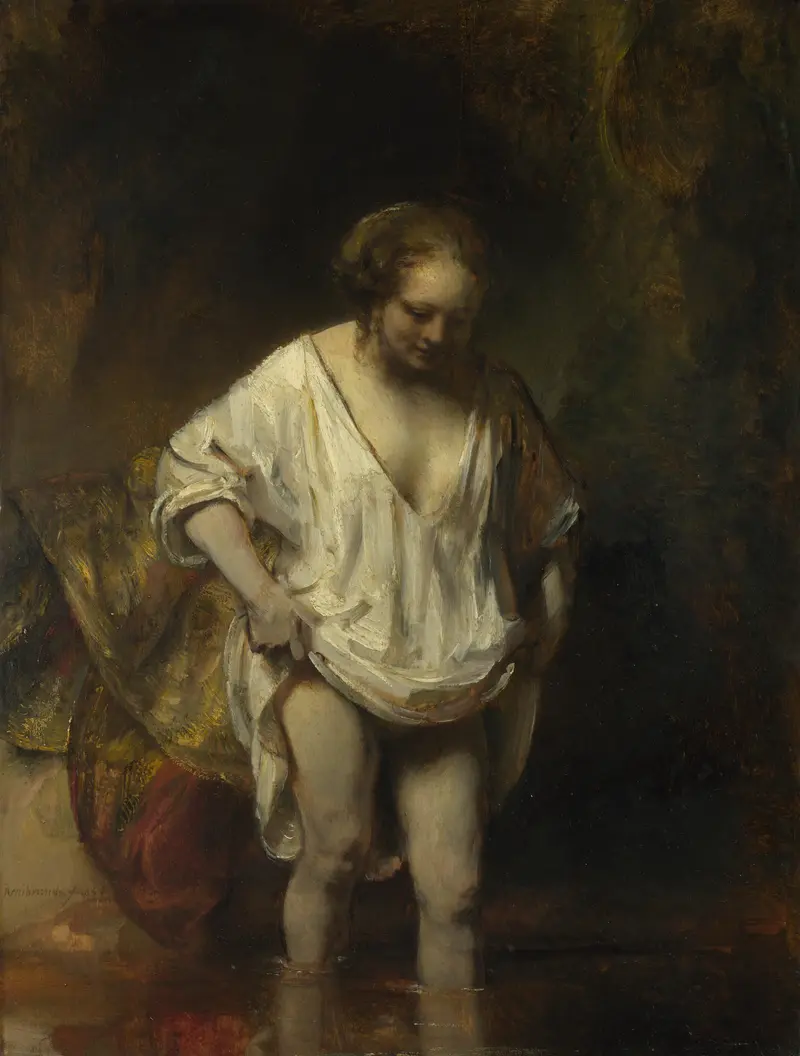
A Woman Bathing in a Stream
Rembrandt van Rijn
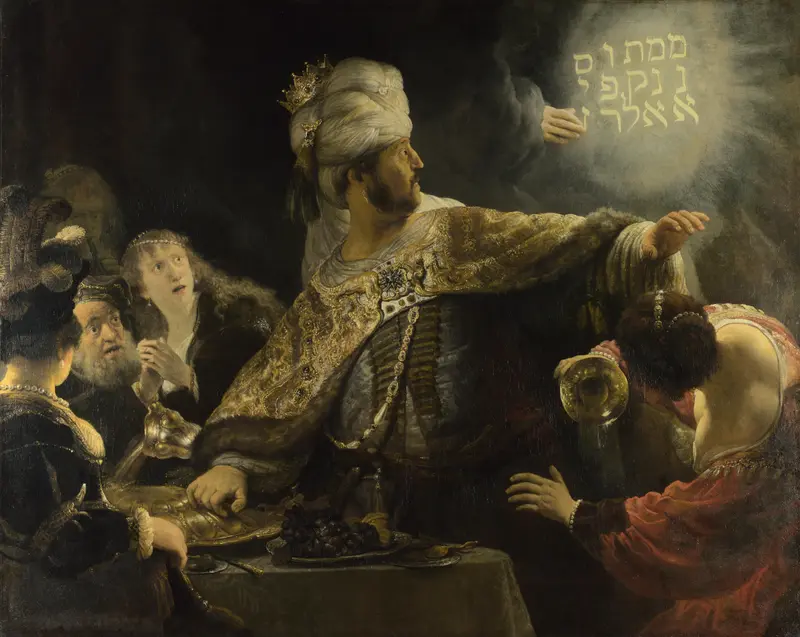
Belshazzar’s Feast
Rembrandt van Rijn
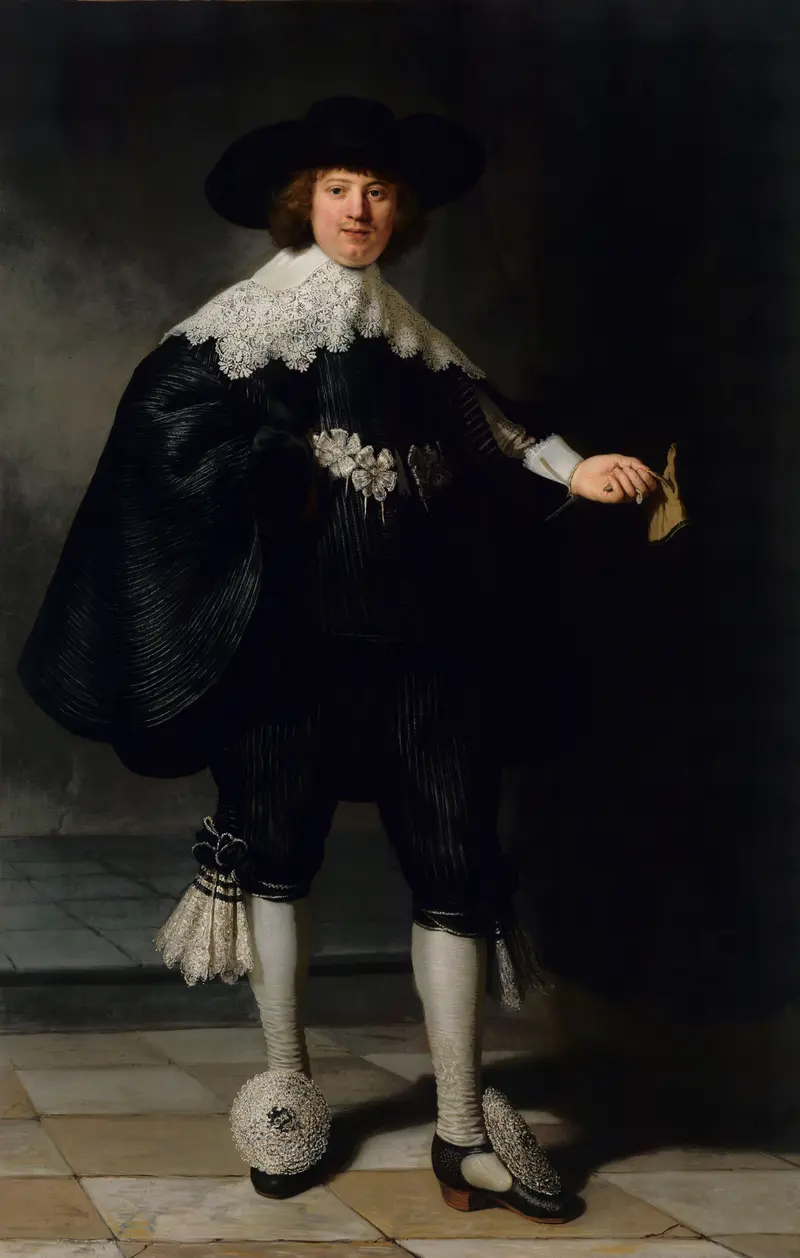
Portrait of Marten Soolmans
Rembrandt van Rijn
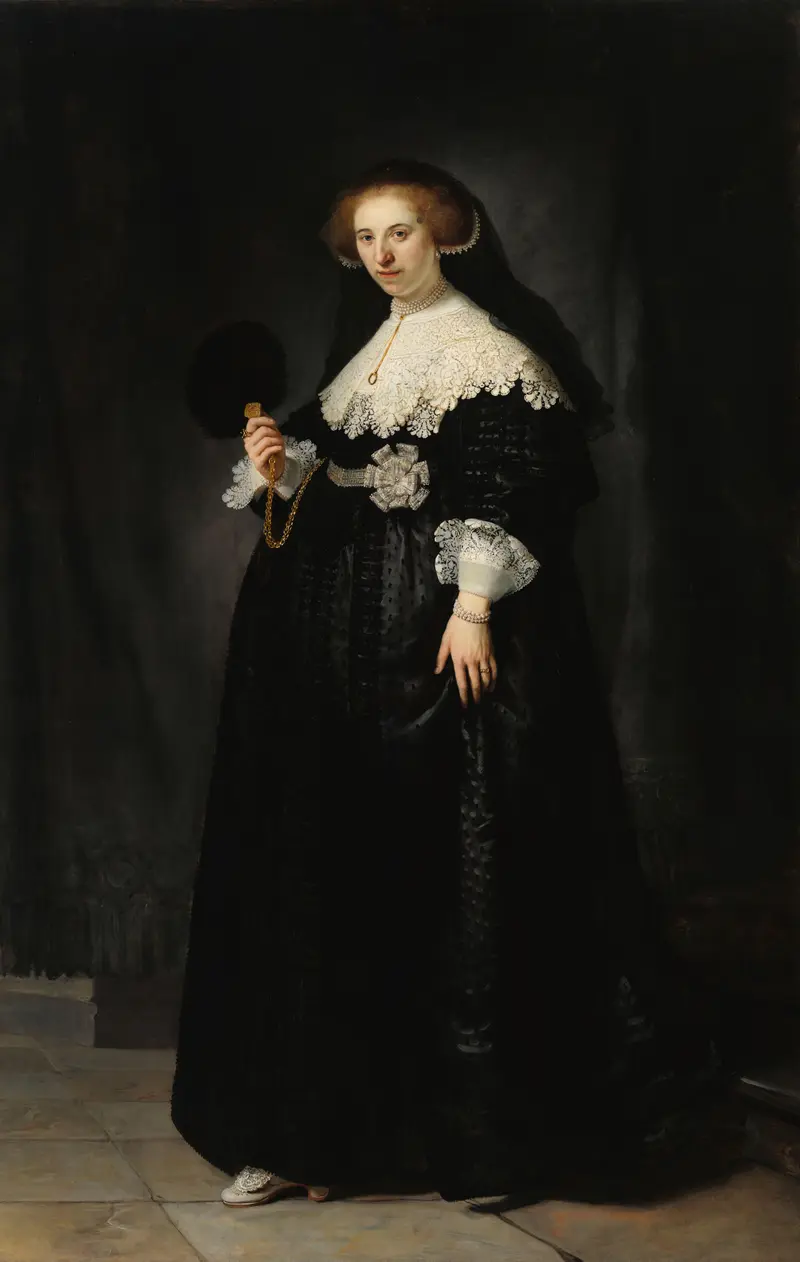
Portrait of Oopjen Coppit
Rembrandt van Rijn

The Prodigal Son in the Tavern
Rembrandt van Rijn
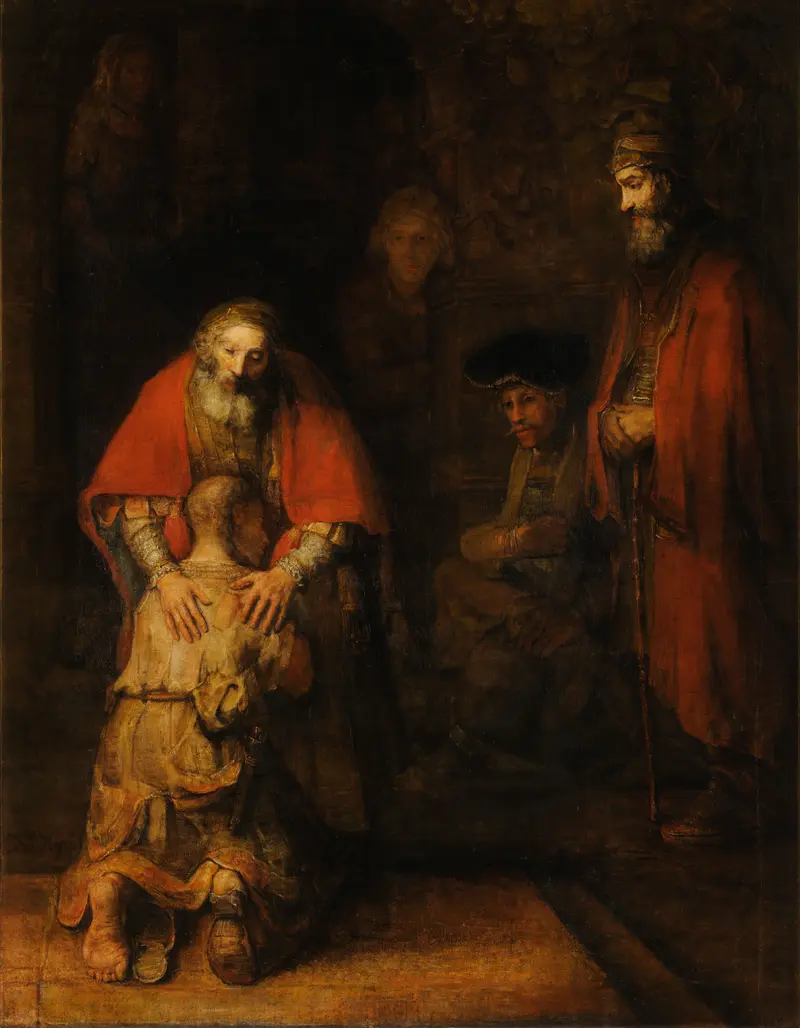
The Return of the Prodigal Son
Rembrandt van Rijn
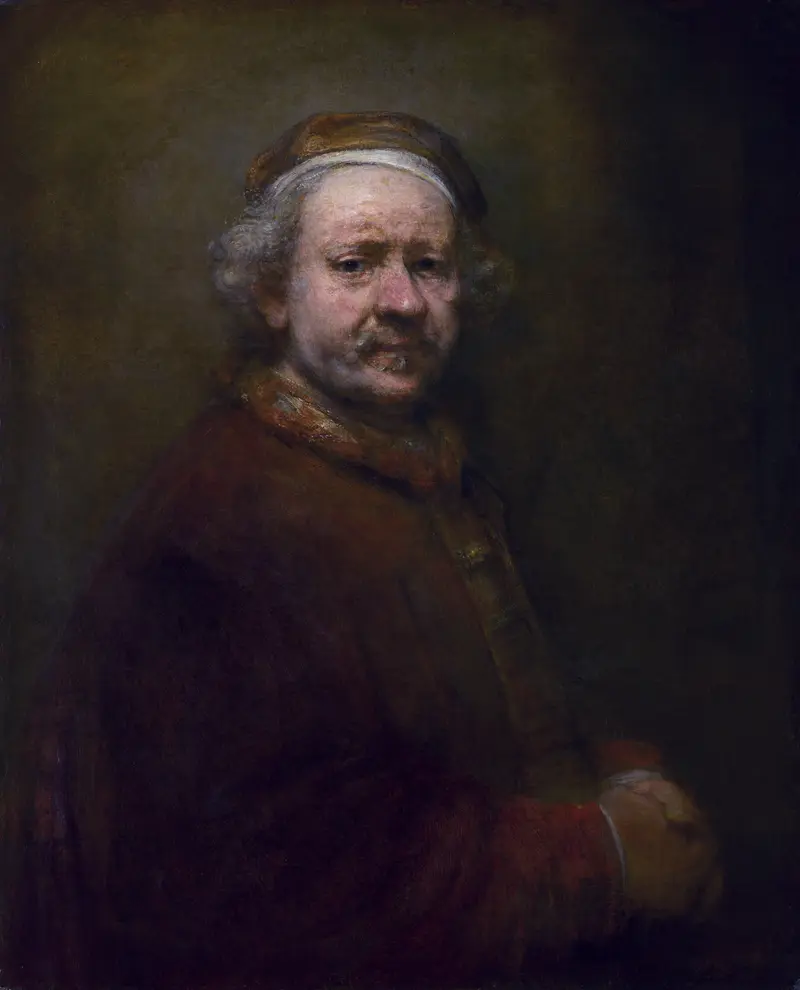
Self-Portrait at the Age of 63
Rembrandt van Rijn