
Portrait of Pieter Jacobsz Olycan — History & Facts
When Frans Hals painted Portrait of Pieter Jacobsz Olycan in 1639, he was capturing not just a man, but one of Haarlem’s most influential brewers and civic leaders. Olycan, a wealthy merchant and later mayor, was a key figure in the city’s Golden Age prosperity, and his likeness was sought after for both family pride and public record. The portrait was likely commissioned to mark Olycan’s status at the height of his career, a common practice among the Dutch elite eager to secure their legacy.
Hals, renowned for his lively brushwork and psychological insight, was the portraitist of choice for Haarlem’s upper class. The painting stands as a testament to the intertwined worlds of commerce, politics, and art in seventeenth-century Holland. In the painting, Olycan sits turned slightly toward the viewer, his gaze direct and assured, one hand resting on the arm of his chair, the other perhaps holding a glove—a symbol of social standing and respectability. The dark, sober clothing trimmed with fine lace, along with the ruff and gold chain, signal his wealth and civic role.
Hals’s loose, energetic brushstrokes animate the textures of fabric and flesh, creating a sense of immediacy and presence. The light falls across Olycan’s face, highlighting his ruddy complexion and lively eyes, suggesting a man both approachable and commanding. Compared to the more formal, static portraits by Rembrandt, Hals’s approach here is notably informal and lively, capturing a fleeting moment rather than a fixed pose. The painting’s early history is not fully documented, but it remained with the Olycan family for generations, a prized heirloom of a prominent Haarlem dynasty.
Over time, as interest in Frans Hals revived in the nineteenth century, the work changed hands through private collections before entering the public sphere. Today, it is recognized as a prime example of Hals’s mature portraiture, hanging in the Museo del Prado as part of its distinguished collection of Dutch art. The portrait not only preserves the likeness of a leading citizen but also embodies the spirit of an era when individual achievement and civic pride were immortalized on canvas.
More Artworks by Frans Hals

Banquet of the Officers of the St George Civic Guard
Frans Hals

Portrait of Jacob Pietersz Olycan (1596-1638)
Frans Hals
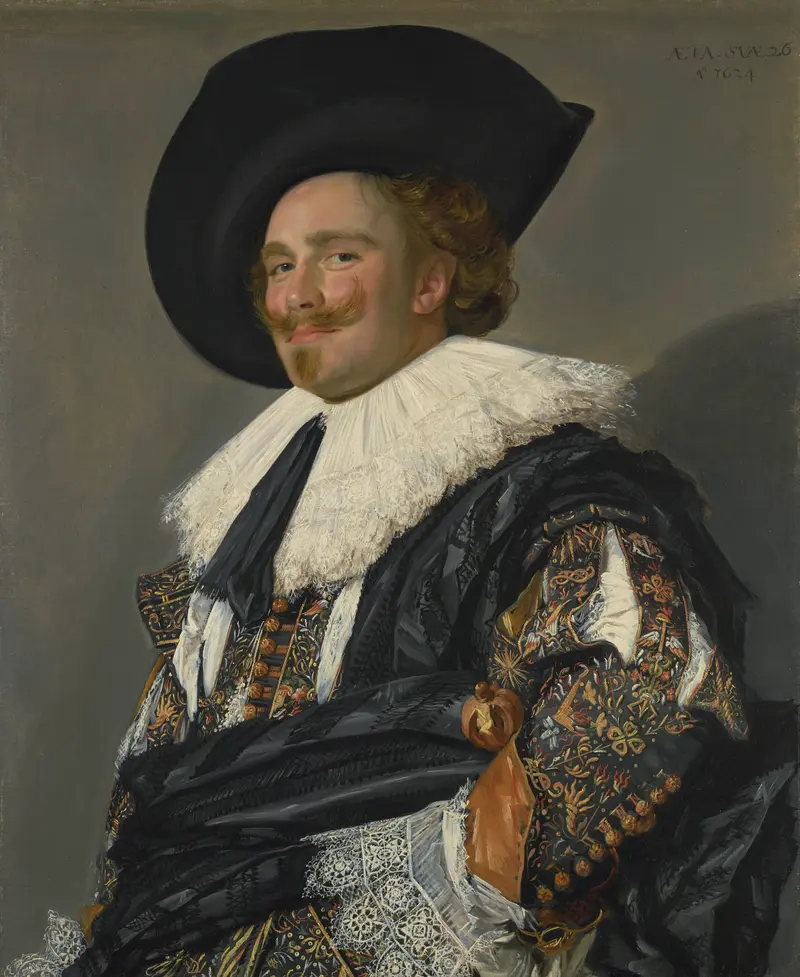
Laughing Cavalier
Frans Hals

Militia Company of District XI under the Command of Captain Reynier Reael, Known as ‘The Meagre Company’
Frans Hals
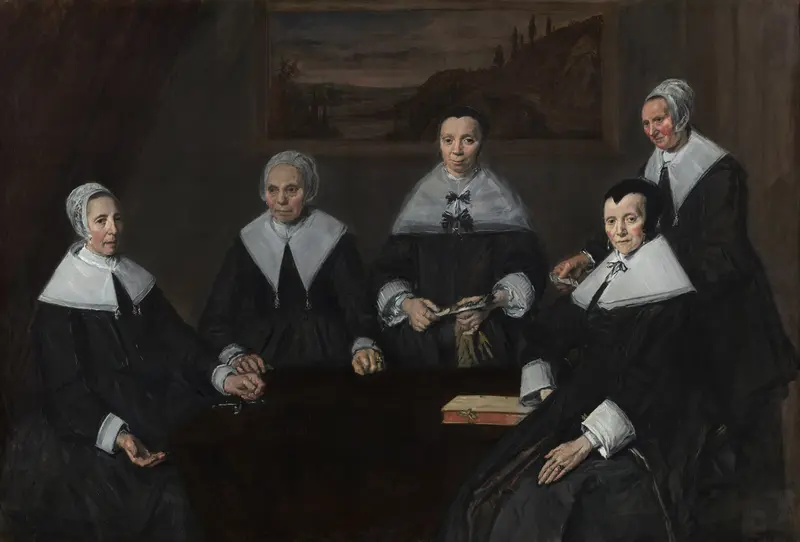
Regentesses of the Old Men's Alms House
Frans Hals
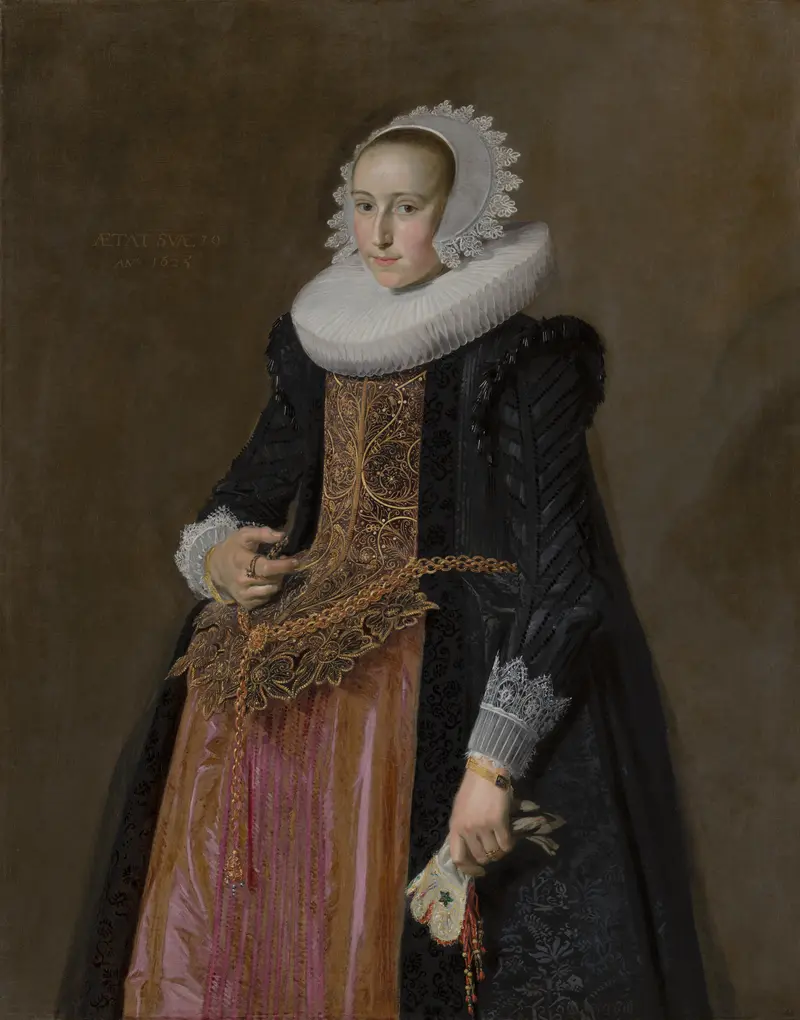
Portrait of Aletta Hanemans (1606–1653)
Frans Hals
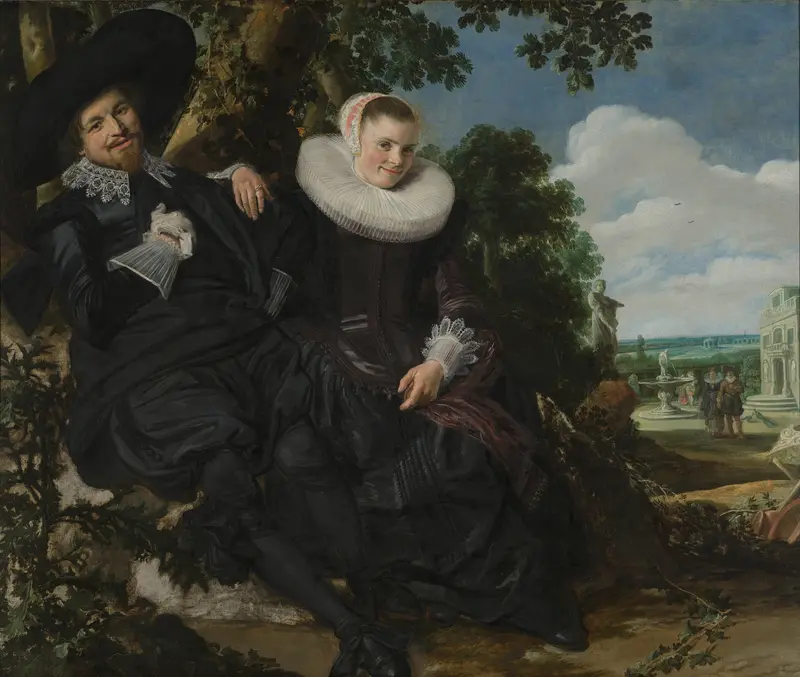
Portrait of a Married Couple, Likely Isaac Abrahamsz Massa and Beatrix van der Laen
Frans Hals
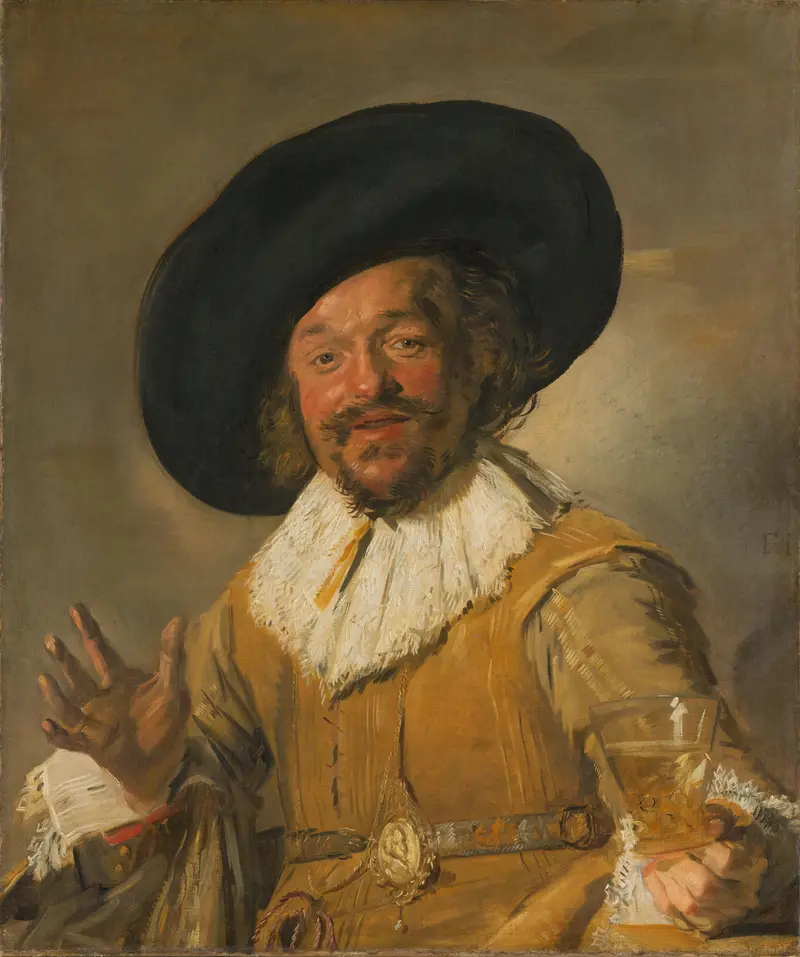
The Merry Drinker
Frans Hals
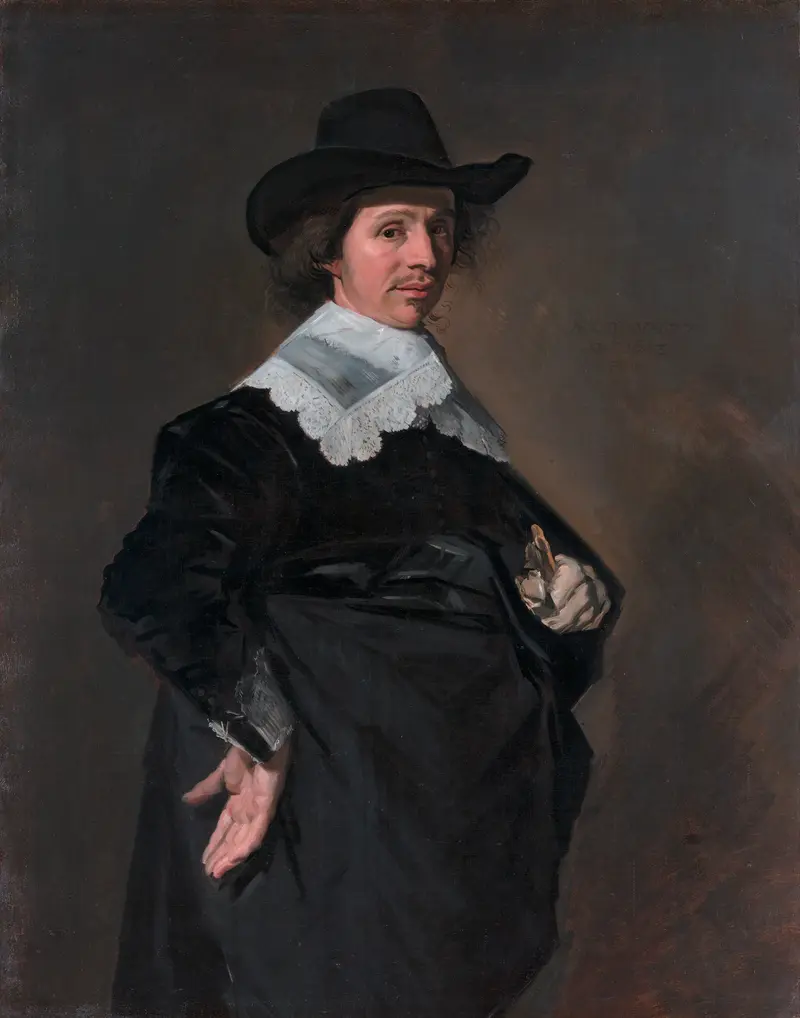
Portrait of Paulus Verschuur
Frans Hals
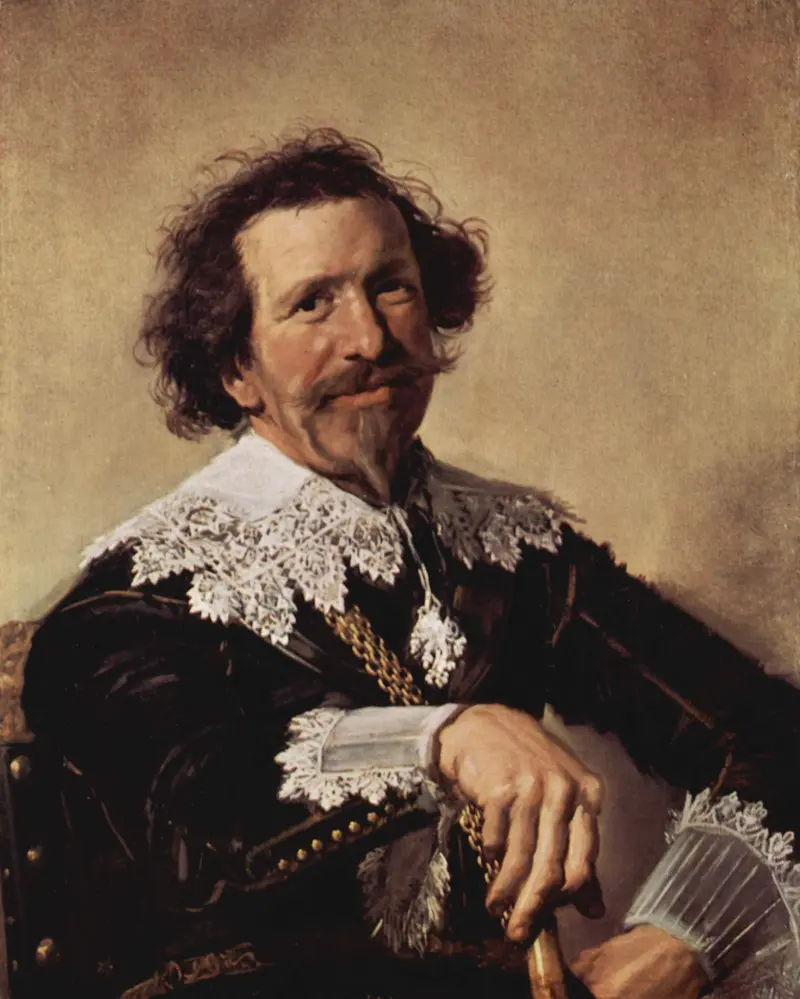
Portrait of Pieter van den Broecke
Frans Hals





