
Portrait of Pieter Tjarck — History & Facts
When Portrait of Pieter Tjarck was first displayed alongside its companion, the Portrait of Maria Larp, viewers in Haarlem were struck by the intimacy and freshness of the likenesses. Painted by Frans Hals in 1638, these works form a rare pair of marriage portraits that have remained together for centuries—an unusual fate, as such pairs were often separated by inheritance or sale. The identity of Pieter Tjarck, a prosperous merchant, is confirmed by contemporary records, and the portraits were likely commissioned to commemorate his marriage to Maria Larp, a common practice among the Dutch elite of the Golden Age. Hals captures Pieter Tjarck at the height of his confidence and prosperity.
The sitter turns slightly, his right hand gesturing outward, as if caught mid-conversation. His black attire, set off by a crisp white lace collar and cuffs, signals both wealth and sobriety; the rose in his hand is a traditional symbol of love, underlining the painting’s connection to his marriage. The loose, energetic brushwork—especially in the rendering of fabrics and flesh—marks a departure from the more polished style of Anthony van Dyck, whose portraits of the era are more restrained.
The light falls softly across Tjarck’s face, animating his direct, engaging gaze and lending the scene a sense of immediacy. The painting’s provenance is unusually well documented: after remaining in the Tjarck family for generations, it entered several prominent European collections before being acquired by the Museo del Prado in the 19th century. Throughout its journey, the portrait has been celebrated for its vivid realism and the psychological presence of its sitter—a hallmark of Frans Hals’s mature period. Today, Portrait of Pieter Tjarck hangs in Madrid, a testament to the enduring appeal of Dutch portraiture and to Hals’s unique ability to capture the spirit of his sitters with a few bold strokes.
More Artworks by Frans Hals

Banquet of the Officers of the St George Civic Guard
Frans Hals

Portrait of Jacob Pietersz Olycan (1596-1638)
Frans Hals

Laughing Cavalier
Frans Hals

Militia Company of District XI under the Command of Captain Reynier Reael, Known as ‘The Meagre Company’
Frans Hals

Regentesses of the Old Men's Alms House
Frans Hals
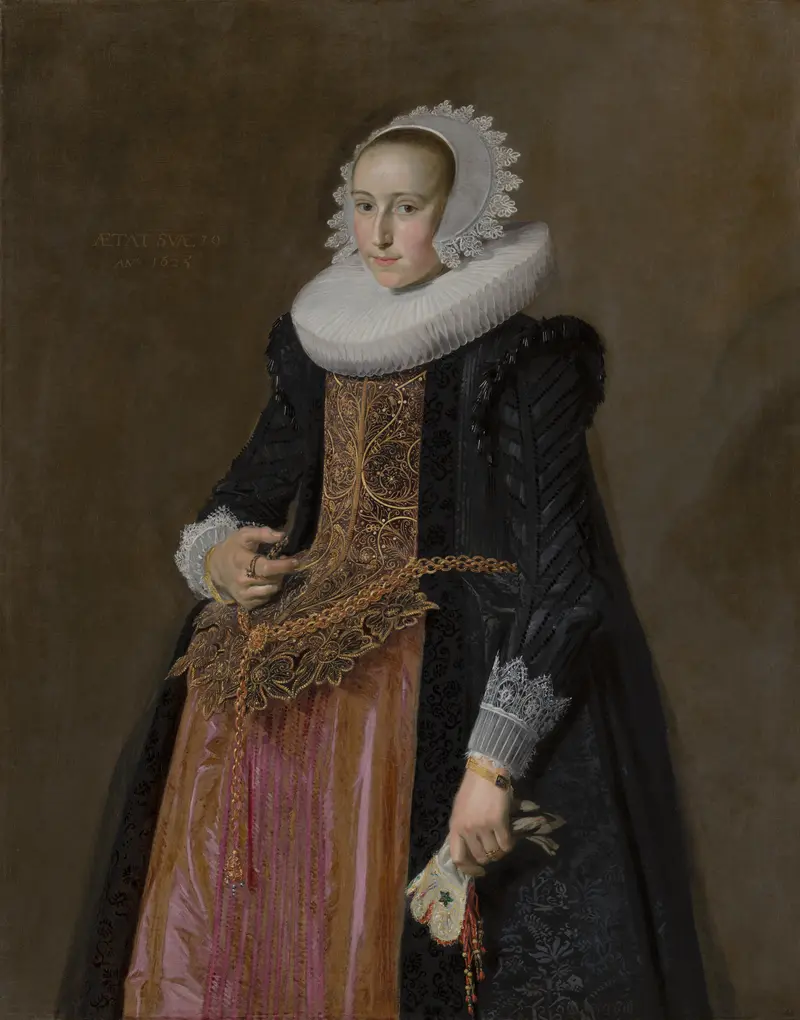
Portrait of Aletta Hanemans (1606–1653)
Frans Hals

Portrait of a Married Couple, Likely Isaac Abrahamsz Massa and Beatrix van der Laen
Frans Hals
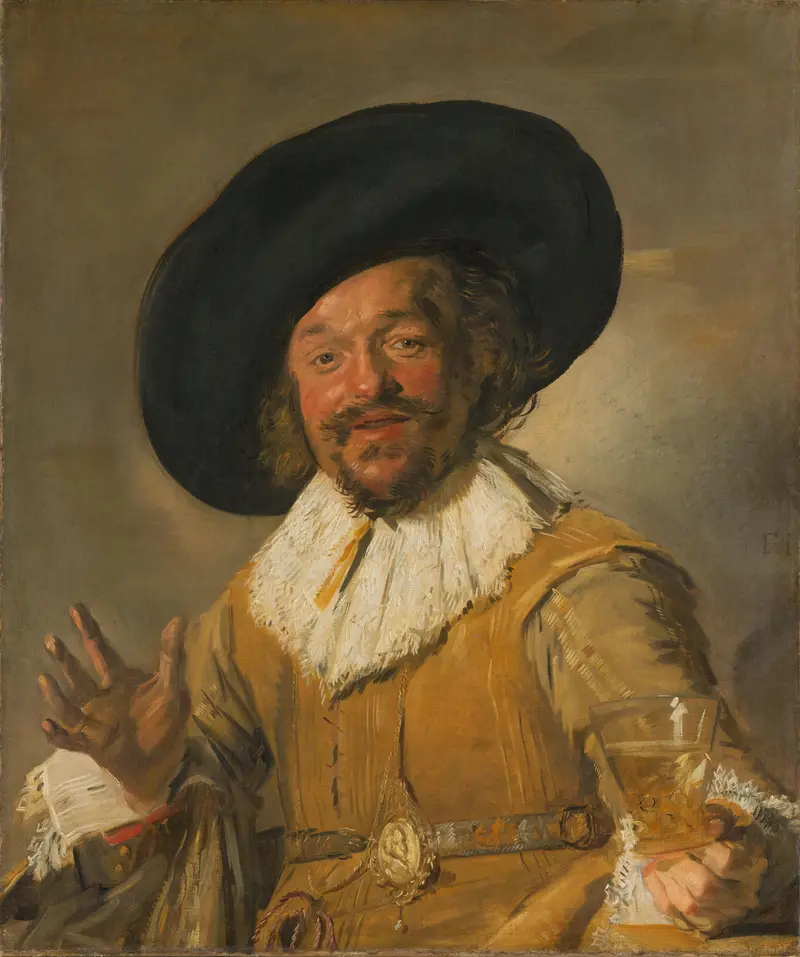
The Merry Drinker
Frans Hals

Portrait of Paulus Verschuur
Frans Hals

Portrait of Pieter van den Broecke
Frans Hals





