
Portrait of René Descartes — History & Facts
When Frans Hals painted Portrait of René Descartes in 1649, the French philosopher was at the height of his fame—and controversy. Just a year before, Descartes had published his Passions of the Soul, and his radical ideas were stirring debate across Europe. The portrait’s creation is remarkable because Descartes, a man of reason and method, rarely sat for artists; this is one of the few likenesses made from life.
The meeting of these two figures—one the Dutch virtuoso of lively brushwork, the other the father of modern philosophy—remains a singular event in the history of portraiture. Hals captures Descartes not as a remote thinker, but as a living presence. The philosopher’s dark, thoughtful eyes meet the viewer’s with a mixture of skepticism and curiosity, while his slightly parted lips suggest a mind in motion. The loose, energetic brushstrokes typical of Hals animate the black cloak and white collar, giving the sitter an air of immediacy.
Unlike the more formal, static portraits by Philippe de Champaigne, who also painted Descartes, Hals’s version pulses with life, suggesting a man whose intellect is inseparable from his humanity. The soft light falls across Descartes’s face, highlighting his brow and lending a sense of introspection to the scene. The precise provenance of the painting is uncertain, as is often the case with works from this period, but it is generally accepted as an authentic work by Frans Hals. Over the centuries, the portrait has been attributed, doubted, and re-attributed, reflecting the ongoing fascination with both sitter and artist.
Today, the painting is held in the Statens Museum for Kunst in Copenhagen, where it stands as a rare intersection of Dutch portraiture and French philosophy. For Hals, this portrait came late in his career, a period marked by fewer commissions but greater psychological depth in his work. The painting remains a testament to a fleeting encounter between two of the seventeenth century’s most original minds.
More Artworks by Frans Hals

Banquet of the Officers of the St George Civic Guard
Frans Hals

Portrait of Jacob Pietersz Olycan (1596-1638)
Frans Hals
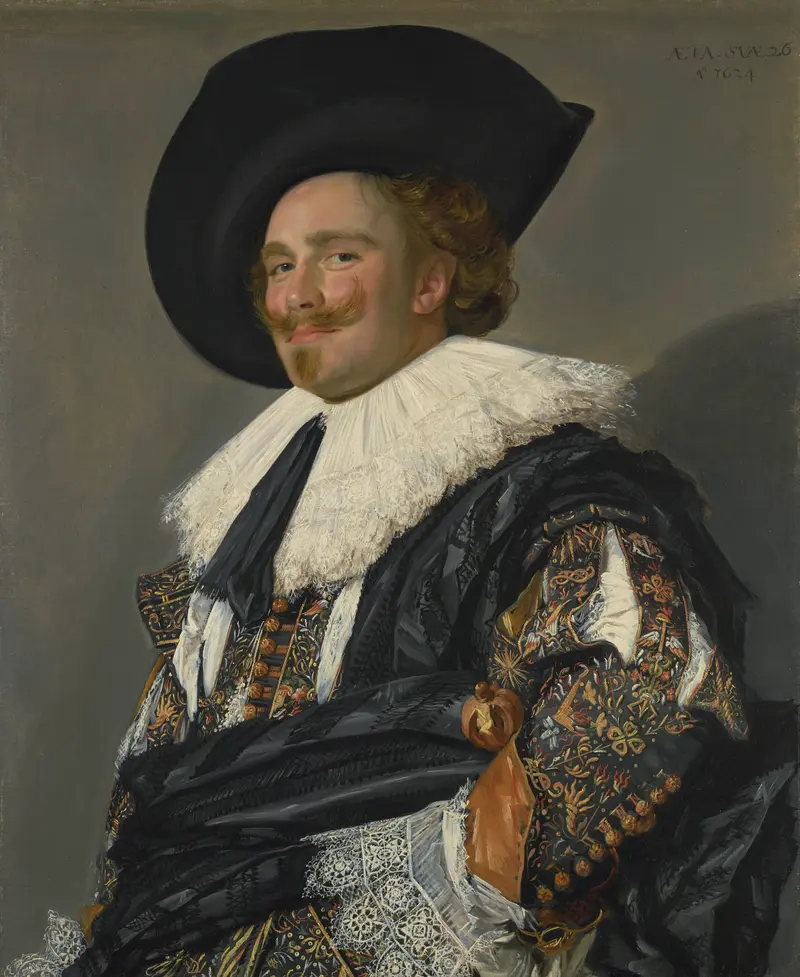
Laughing Cavalier
Frans Hals

Militia Company of District XI under the Command of Captain Reynier Reael, Known as ‘The Meagre Company’
Frans Hals
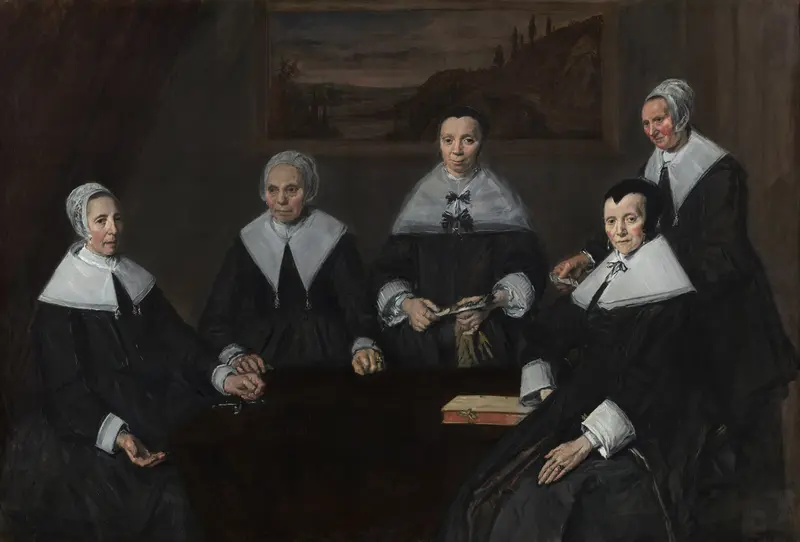
Regentesses of the Old Men's Alms House
Frans Hals
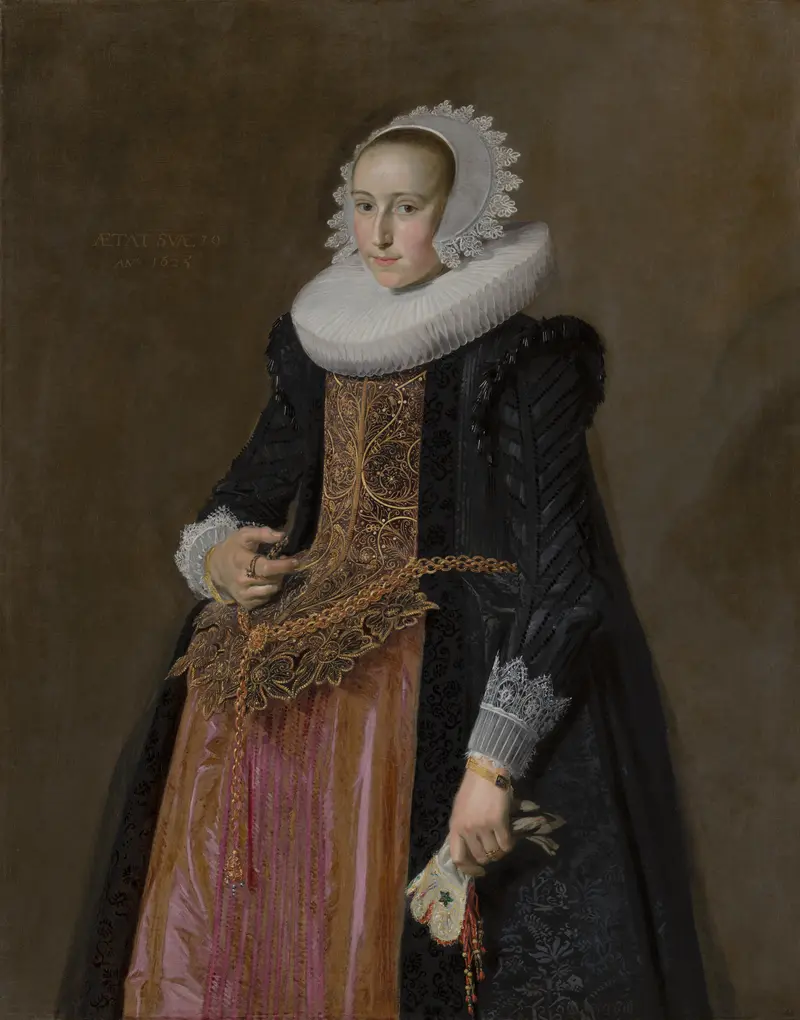
Portrait of Aletta Hanemans (1606–1653)
Frans Hals
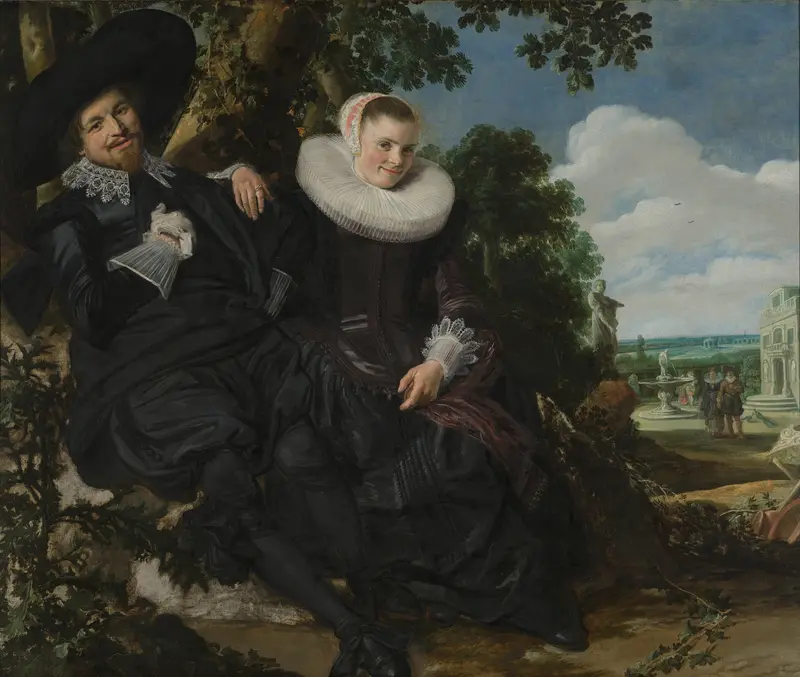
Portrait of a Married Couple, Likely Isaac Abrahamsz Massa and Beatrix van der Laen
Frans Hals
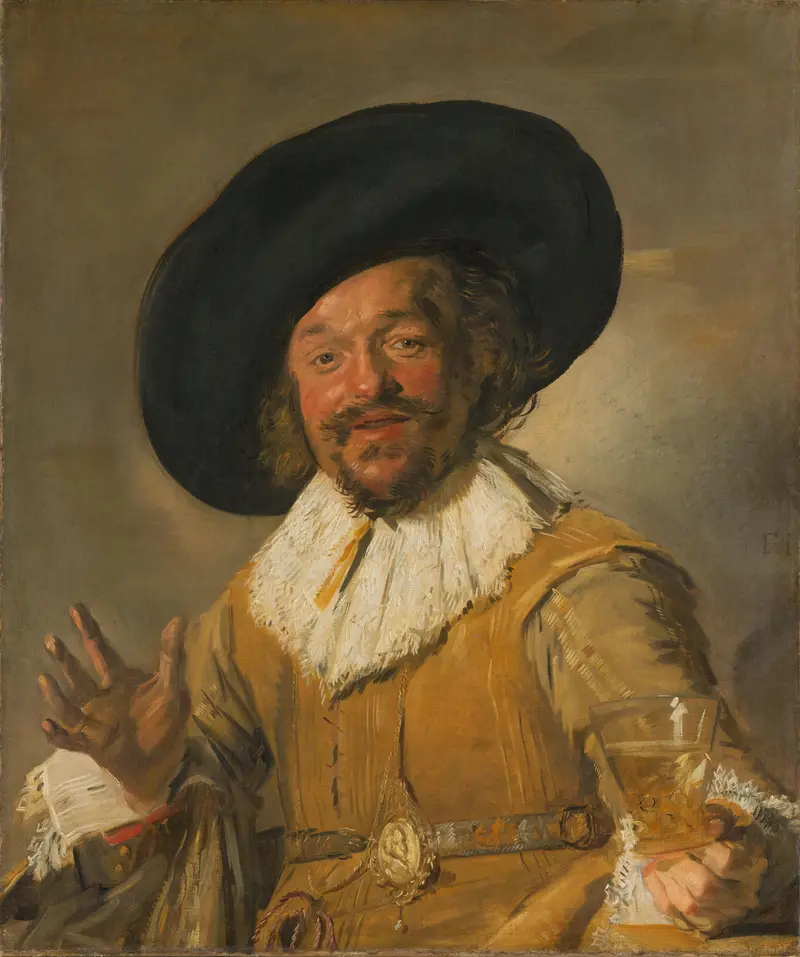
The Merry Drinker
Frans Hals
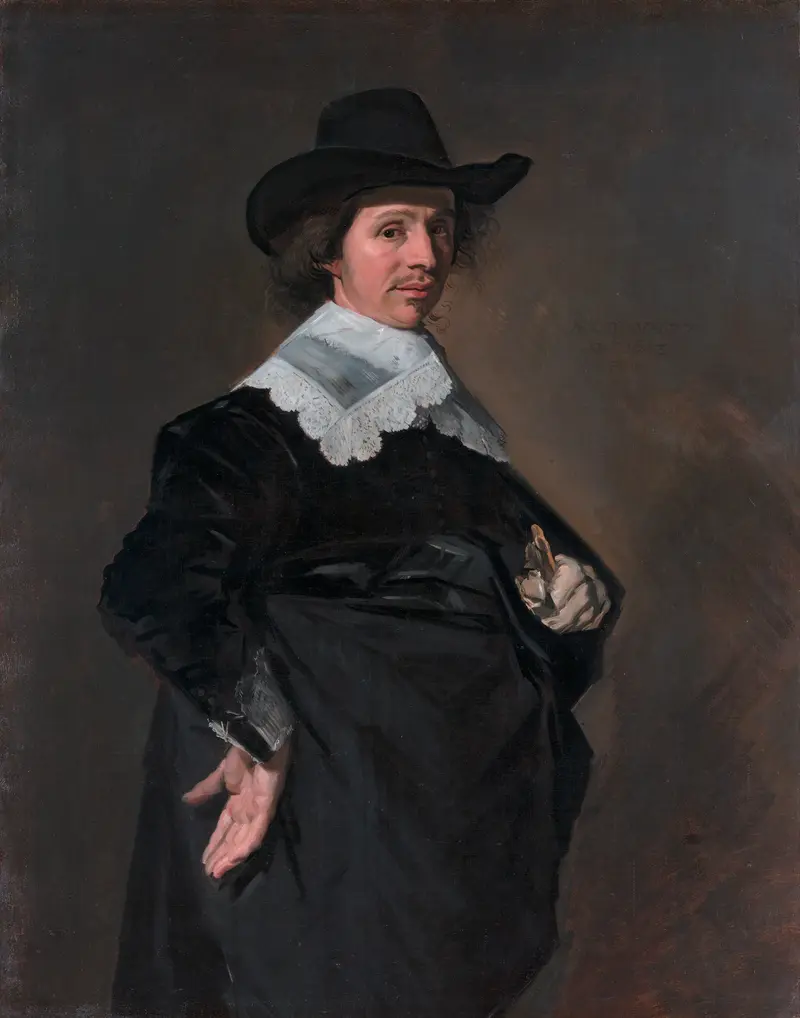
Portrait of Paulus Verschuur
Frans Hals
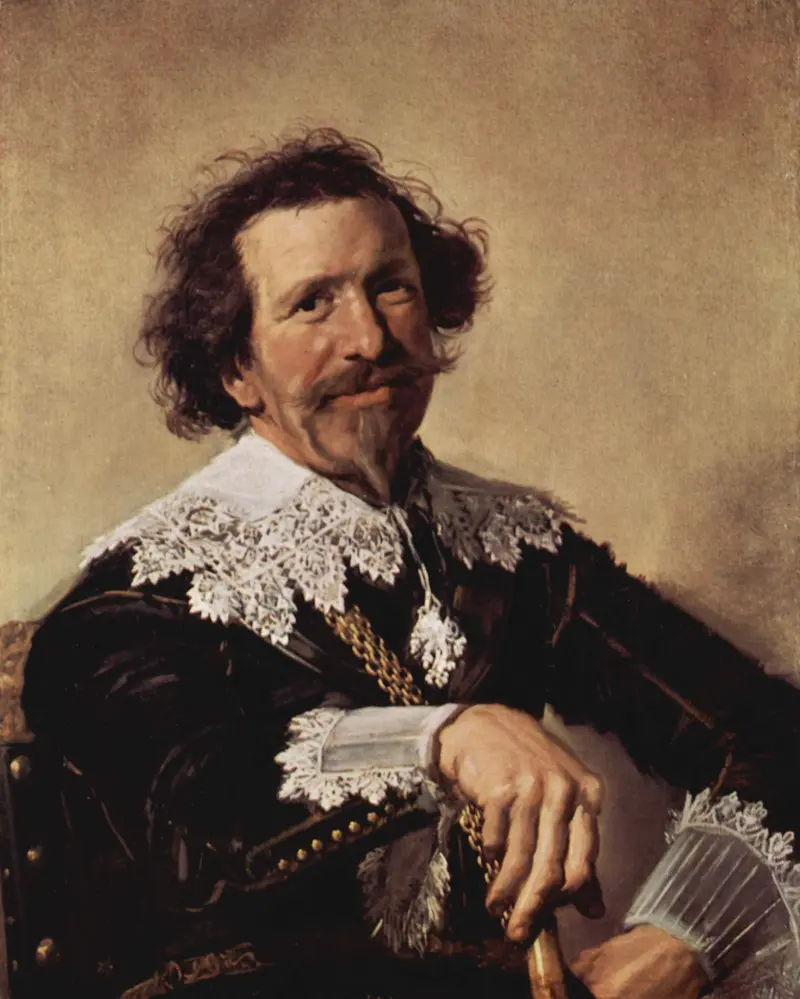
Portrait of Pieter van den Broecke
Frans Hals





