
Portrait of Sara Wolphaerts van Diemen — History & Facts
When Frans Hals painted Portrait of Sara Wolphaerts van Diemen in 1634, he was at the height of his fame in Haarlem, and the sitter belonged to one of the city’s most prominent Jewish families. The painting is especially notable because Jewish portrait sitters were rare in Dutch art of the period, and Sara’s marriage to the wealthy merchant Abraham Israel Mendez da Costa marked a significant social alliance. Scholars have long debated whether the portrait was commissioned as part of a marriage pair, as was common in the Dutch Golden Age, but no matching portrait of her husband has been securely identified.
The work stands as a rare window into the lives of Amsterdam’s Sephardic elite, who had only recently found a new home in the tolerant Dutch Republic. Sara faces the viewer with quiet assurance, her gaze direct but reserved. She is dressed in luxurious black silk, her white lace collar and cuffs crisply rendered in Hals’s signature lively brushwork, while a delicate gold chain and a small fan in her hand hint at her wealth and taste. The light falls gently across her face, illuminating her calm expression and the subtle textures of her attire.
Unlike the more exuberant portraits by Rembrandt of Jewish sitters, Hals captures a sense of understated dignity, focusing less on drama and more on the sitter’s presence. The absence of overt symbols or narrative elements invites the viewer to consider Sara as an individual rather than an allegory. The painting’s early history remains somewhat mysterious, as is often the case with private portraits from this period. It likely remained in the family’s possession for generations before entering the art market in the nineteenth century, when interest in Frans Hals surged anew.
Over time, Portrait of Sara Wolphaerts van Diemen has been exhibited in several major collections, though its attribution was once questioned due to later overpainting and restoration. Today, it is recognized as a fine example of Hals’s mature style, reflecting both his technical brilliance and the diverse society of seventeenth-century Holland. The work continues to offer insight into the artist’s circle of patrons and the changing face of Dutch portraiture.
More Artworks by Frans Hals

Banquet of the Officers of the St George Civic Guard
Frans Hals

Portrait of Jacob Pietersz Olycan (1596-1638)
Frans Hals
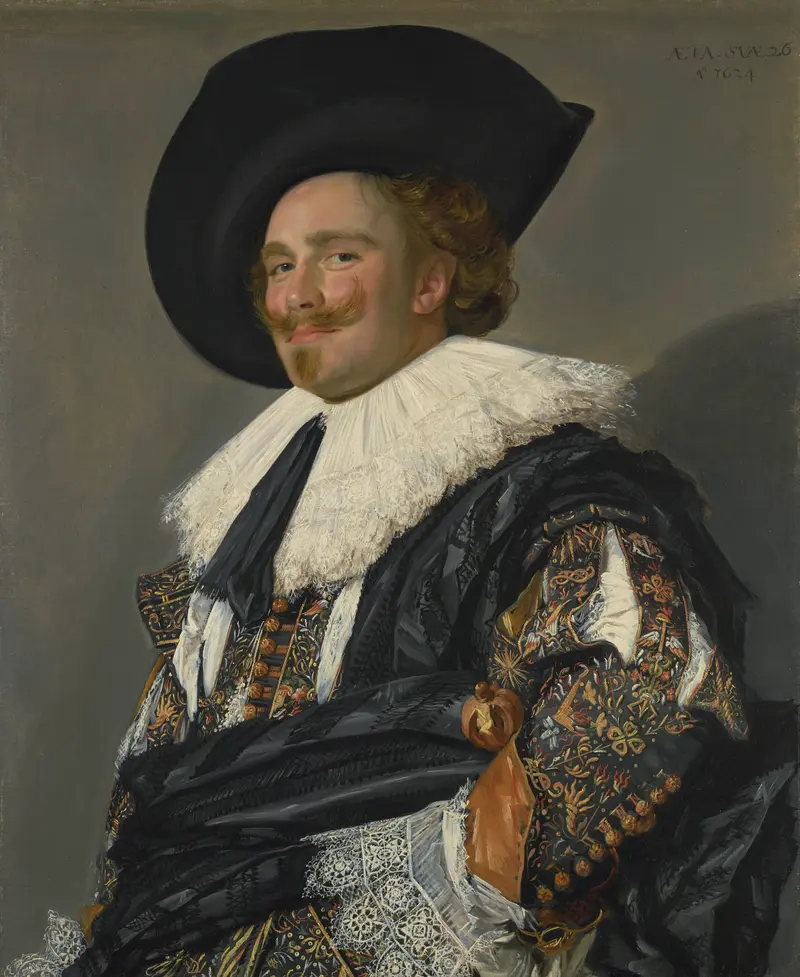
Laughing Cavalier
Frans Hals

Militia Company of District XI under the Command of Captain Reynier Reael, Known as ‘The Meagre Company’
Frans Hals
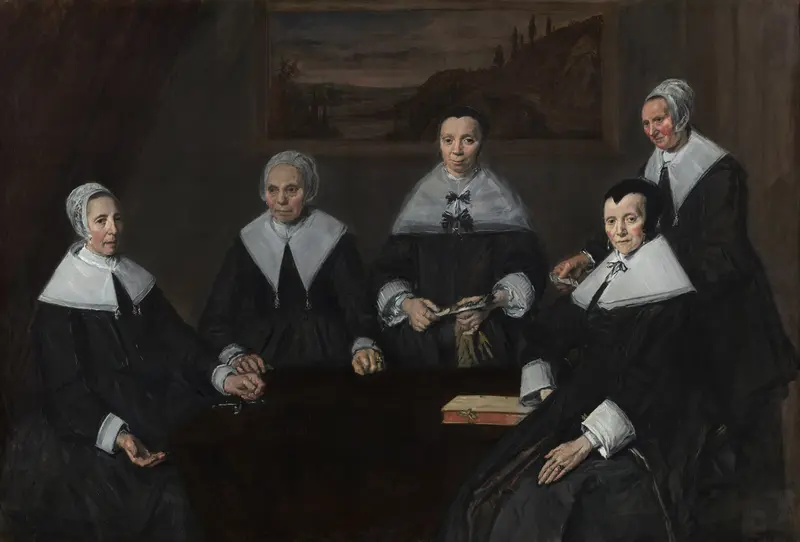
Regentesses of the Old Men's Alms House
Frans Hals
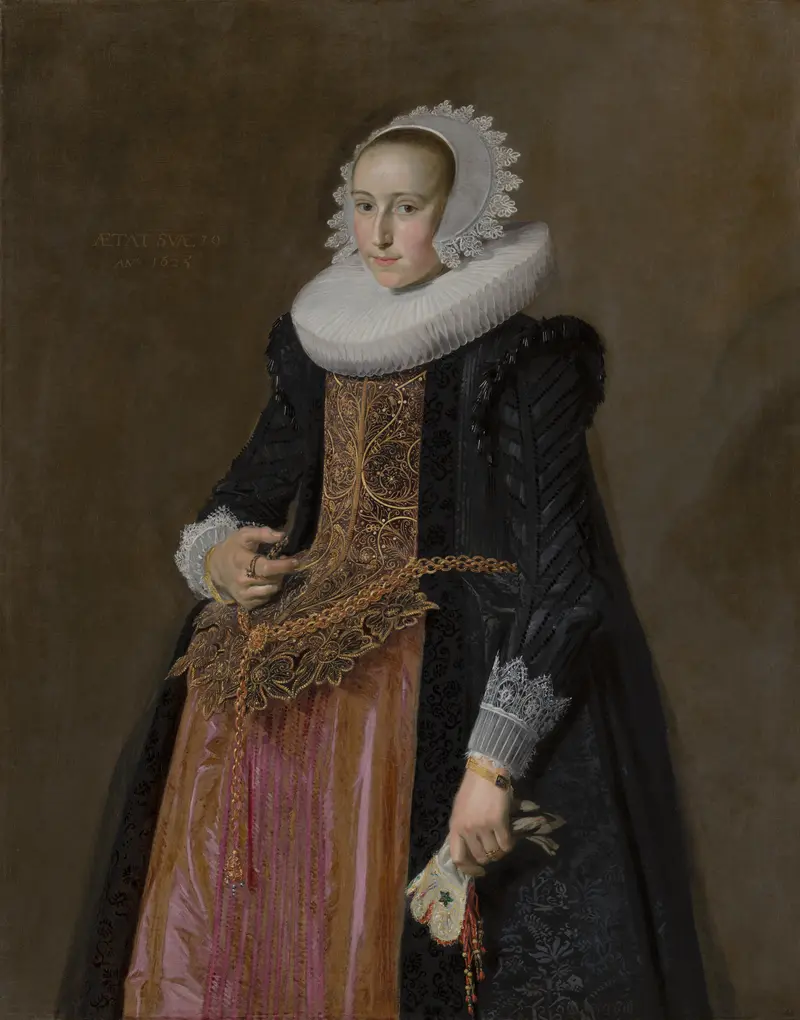
Portrait of Aletta Hanemans (1606–1653)
Frans Hals
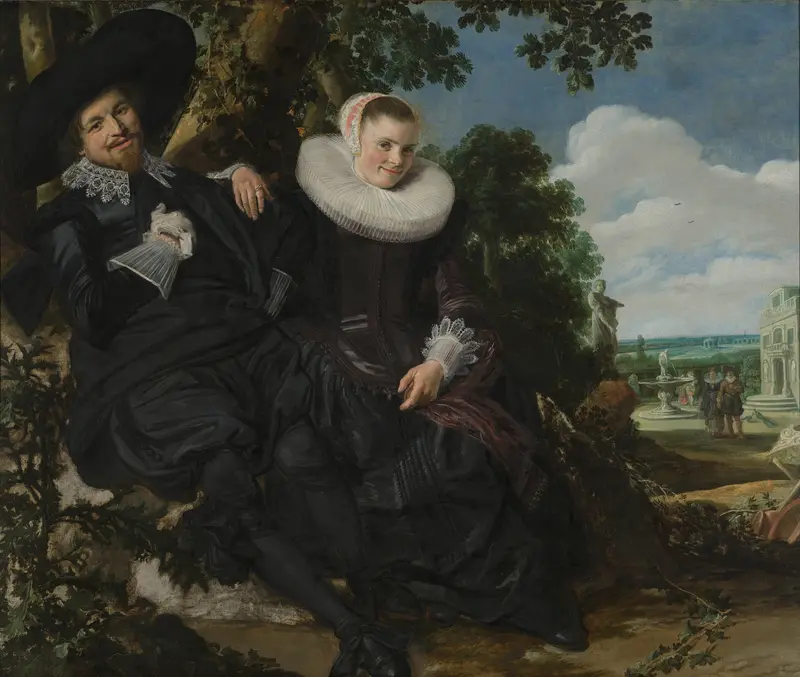
Portrait of a Married Couple, Likely Isaac Abrahamsz Massa and Beatrix van der Laen
Frans Hals
The Merry Drinker
Frans Hals
Portrait of Paulus Verschuur
Frans Hals
Portrait of Pieter van den Broecke
Frans Hals





