
Portrait of the Artist — History & Facts
No other known self-portrait by Frans Hals has survived, making Portrait of the Artist a rare and intriguing glimpse into how the Dutch master saw himself near the end of his life. Painted in 1649, when Hals was in his late sixties, this work has prompted centuries of speculation: did he intend it as a personal statement, a demonstration for pupils, or perhaps a response to the growing fashion for artist self-portraits in Haarlem? The uncertainty only adds to its fascination, as does the fact that the medium remains unconfirmed—unusual for a painting from this period. Hals presents himself not as a grand figure but as a craftsman at work, turning towards the viewer with a direct, almost challenging gaze. His loose, animated brushwork is especially evident in the rendering of his own hair and the subtle play of light across his face, capturing a moment of alertness and wit.
The artist’s hands, one holding a brush, the other resting on a palette, are painted with the same verve that characterizes his portraits of Haarlem’s burghers. Unlike the formal, introspective self-portraits of Rembrandt, Hals’s approach is informal, lively, and open, suggesting pride in his craft and a refusal to idealize his own image. The early history of Portrait of the Artist is not well documented, and it is not clear for whom, if anyone, it was painted. It likely remained in the artist’s studio or family for some years, as was common for self-portraits in the Dutch Golden Age.
Later, the painting passed through several private collections before entering the public domain in the nineteenth century, when Hals’s reputation was revived by collectors and critics. Today, it stands as a testament to Hals’s enduring skill and individuality, offering viewers a rare encounter with the painter behind so many of the Dutch Republic’s most vivid faces.
More Artworks by Frans Hals

Banquet of the Officers of the St George Civic Guard
Frans Hals

Portrait of Jacob Pietersz Olycan (1596-1638)
Frans Hals
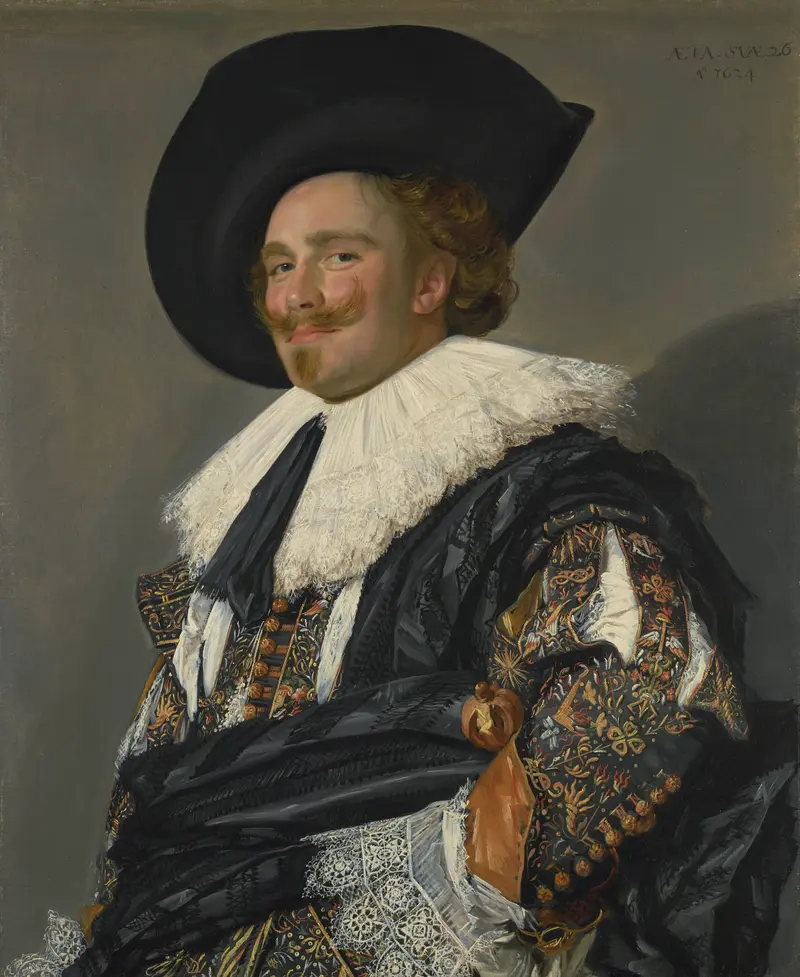
Laughing Cavalier
Frans Hals

Militia Company of District XI under the Command of Captain Reynier Reael, Known as ‘The Meagre Company’
Frans Hals
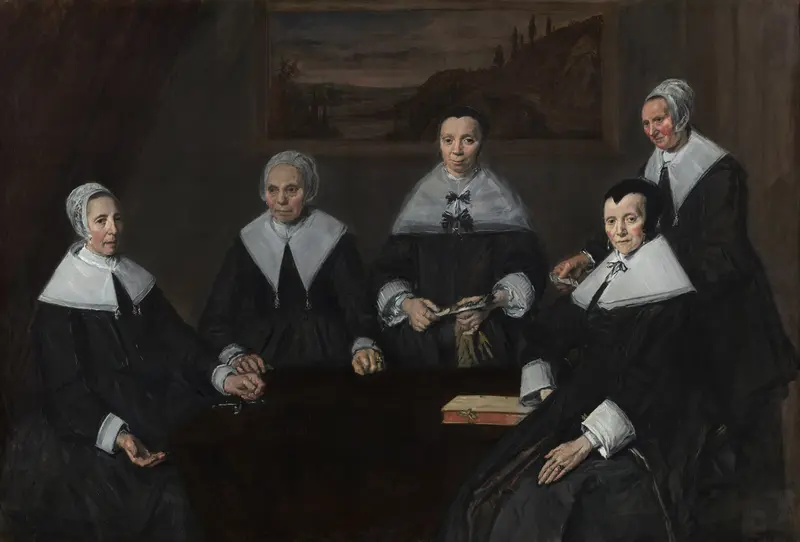
Regentesses of the Old Men's Alms House
Frans Hals
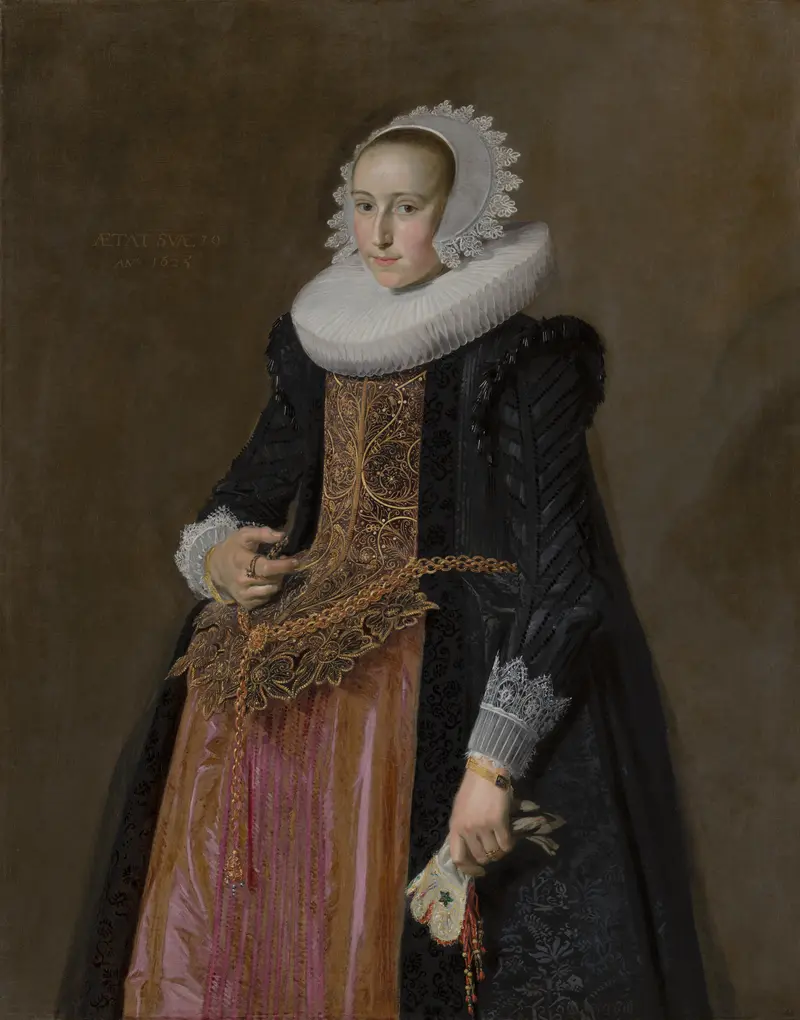
Portrait of Aletta Hanemans (1606–1653)
Frans Hals
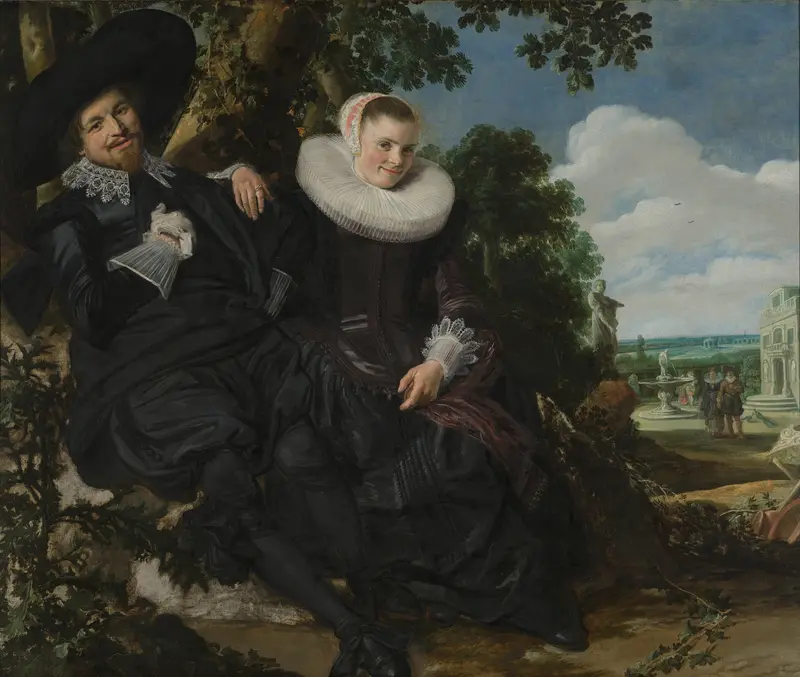
Portrait of a Married Couple, Likely Isaac Abrahamsz Massa and Beatrix van der Laen
Frans Hals
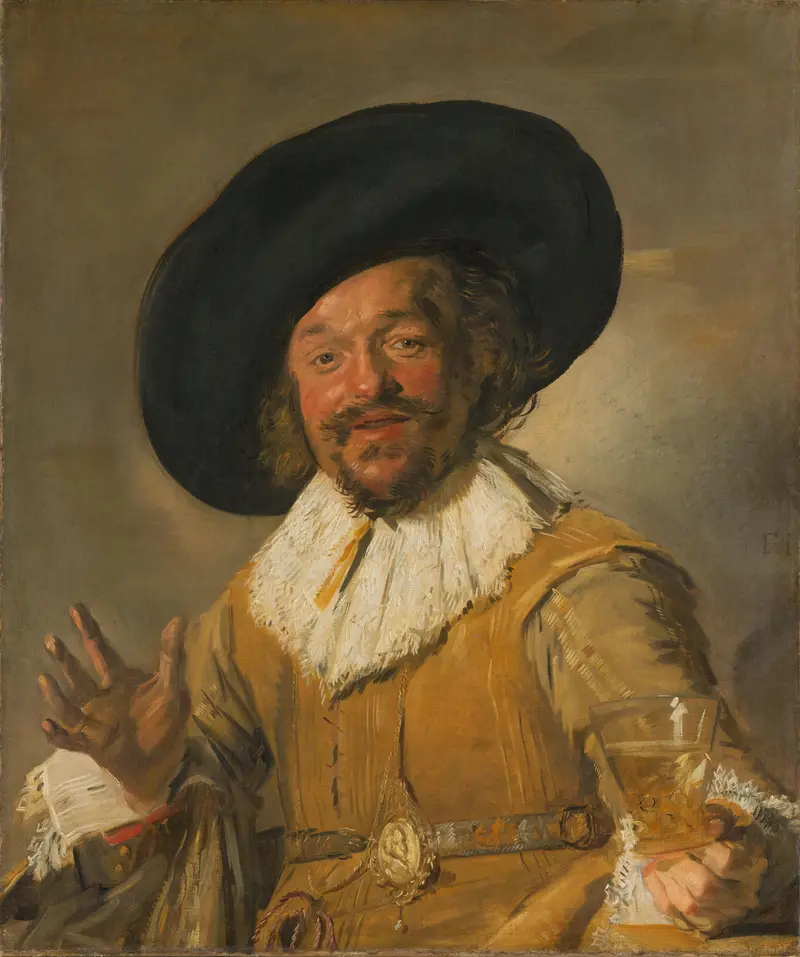
The Merry Drinker
Frans Hals
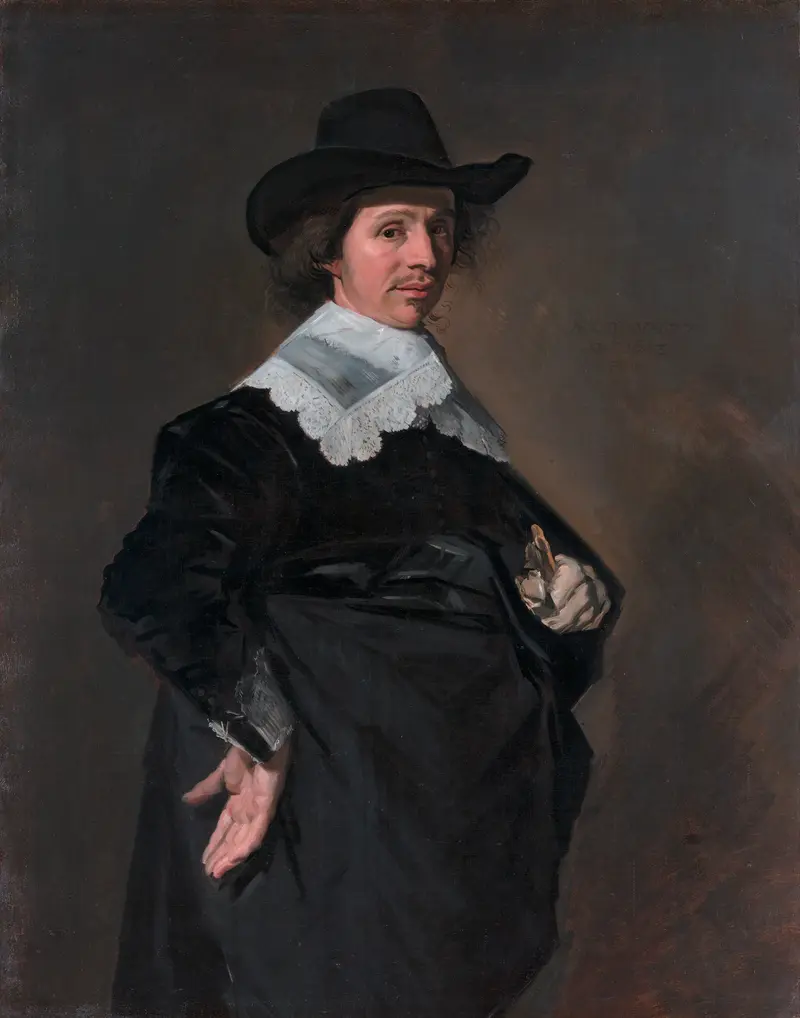
Portrait of Paulus Verschuur
Frans Hals
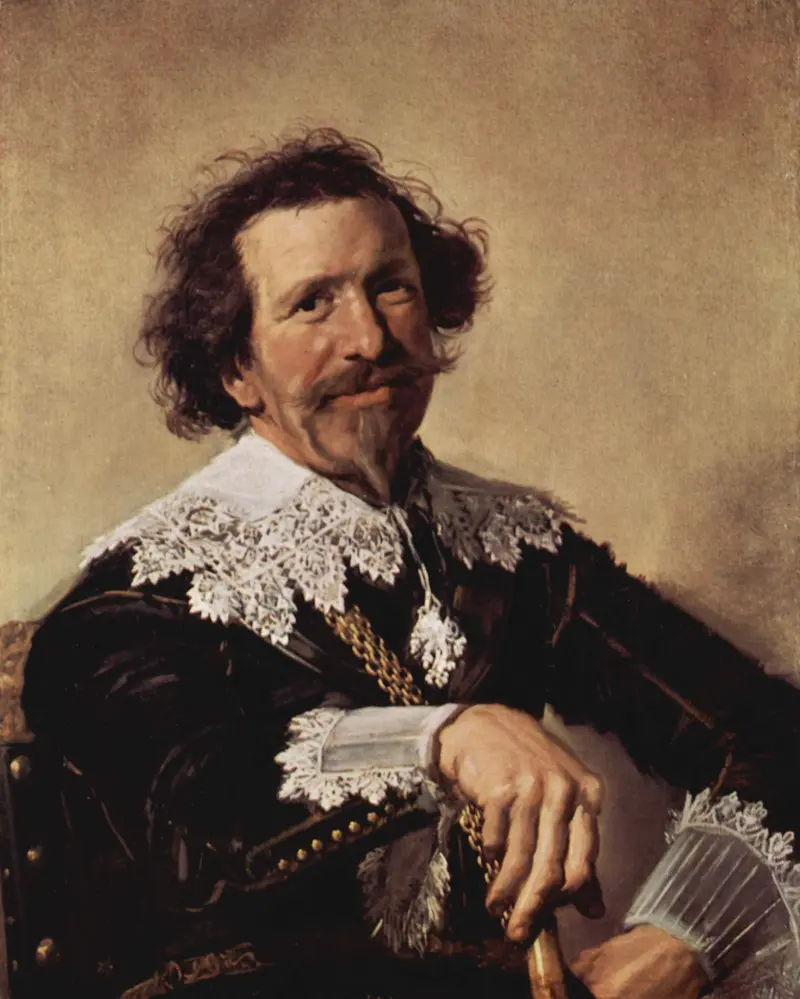
Portrait of Pieter van den Broecke
Frans Hals





