
Portrait of Theodorus Schrevelius — History & Facts
When Frans Hals painted Portrait of Theodorus Schrevelius in 1617, he was capturing not just a sitter, but a rising star of Dutch intellectual life. Schrevelius, a noted humanist and rector of the Latin School in Haarlem, would later become one of Hals’s earliest biographers, praising the painter’s "lively brushwork" in print. This portrait, then, is a rare instance of artist and subject shaping each other’s legacy, their reputations intertwined in the city’s flourishing Golden Age.
The painting stands as a document of mutual recognition between two men at the heart of Haarlem’s cultural ascent. Theodorus Schrevelius meets the viewer with a direct, intelligent gaze, his lips parted as if caught mid-conversation. Hals chooses to show him in sober black, the crisp white of his ruff and cuffs standing out against the dark background—a visual shorthand for scholarly virtue and Calvinist restraint. Schrevelius’s right hand, lightly resting on a closed book, signals both his profession and his learning, while the subtle turn of his body suggests animation, a mind in motion.
Unlike the stiff formality seen in Portrait of a Scholar by Rembrandt, Hals’s approach is looser, the brushwork quick and lively, echoing the intellectual energy of his sitter. The painting’s early history is not fully documented, but it was likely commissioned to commemorate Schrevelius’s appointment as rector in Haarlem. Over the centuries, the portrait remained in private hands before entering public collections, where it has become a touchstone for Hals’s early period. Scholars have sometimes debated the exact dating and the identity of the sitter, but consensus now firmly attributes it to Hals and identifies Schrevelius.
Today, Portrait of Theodorus Schrevelius is celebrated as an example of Hals’s ability to capture both likeness and spirit, marking a pivotal moment in the development of Dutch portraiture.
More Artworks by Frans Hals

Banquet of the Officers of the St George Civic Guard
Frans Hals

Portrait of Jacob Pietersz Olycan (1596-1638)
Frans Hals
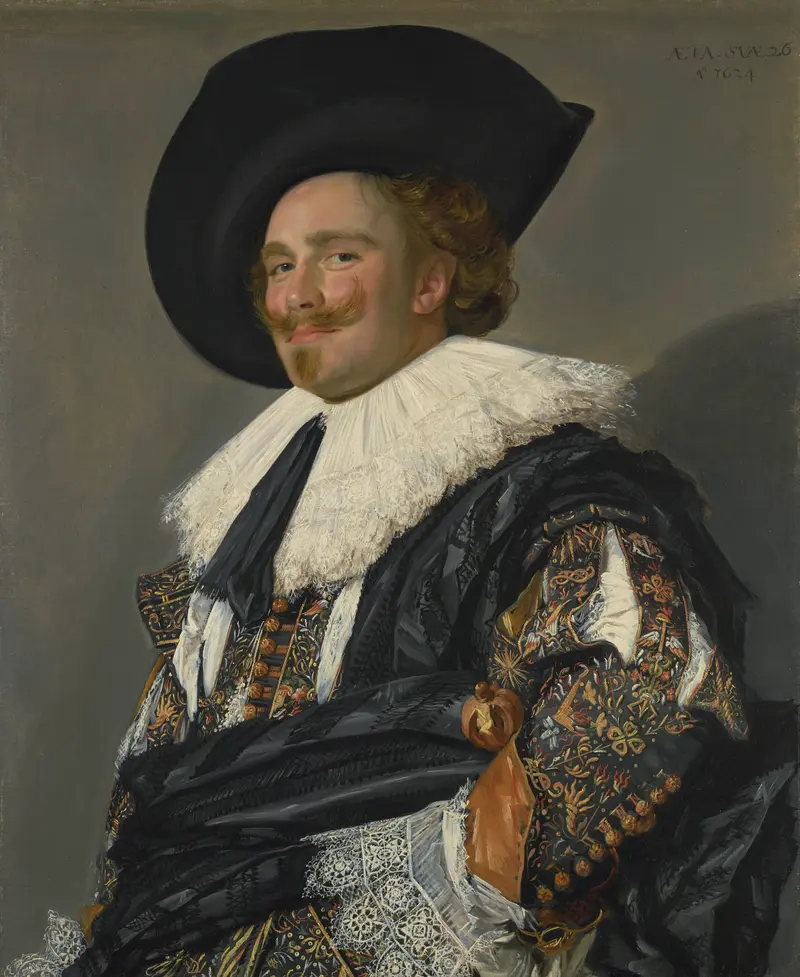
Laughing Cavalier
Frans Hals

Militia Company of District XI under the Command of Captain Reynier Reael, Known as ‘The Meagre Company’
Frans Hals
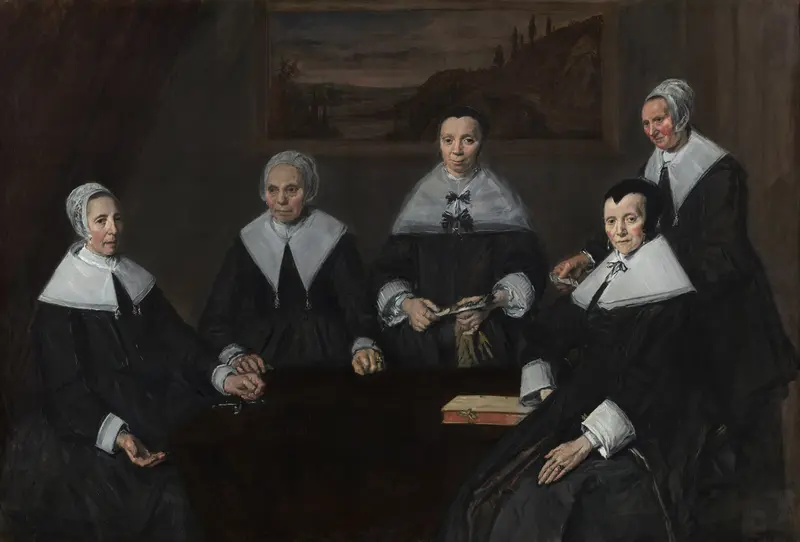
Regentesses of the Old Men's Alms House
Frans Hals
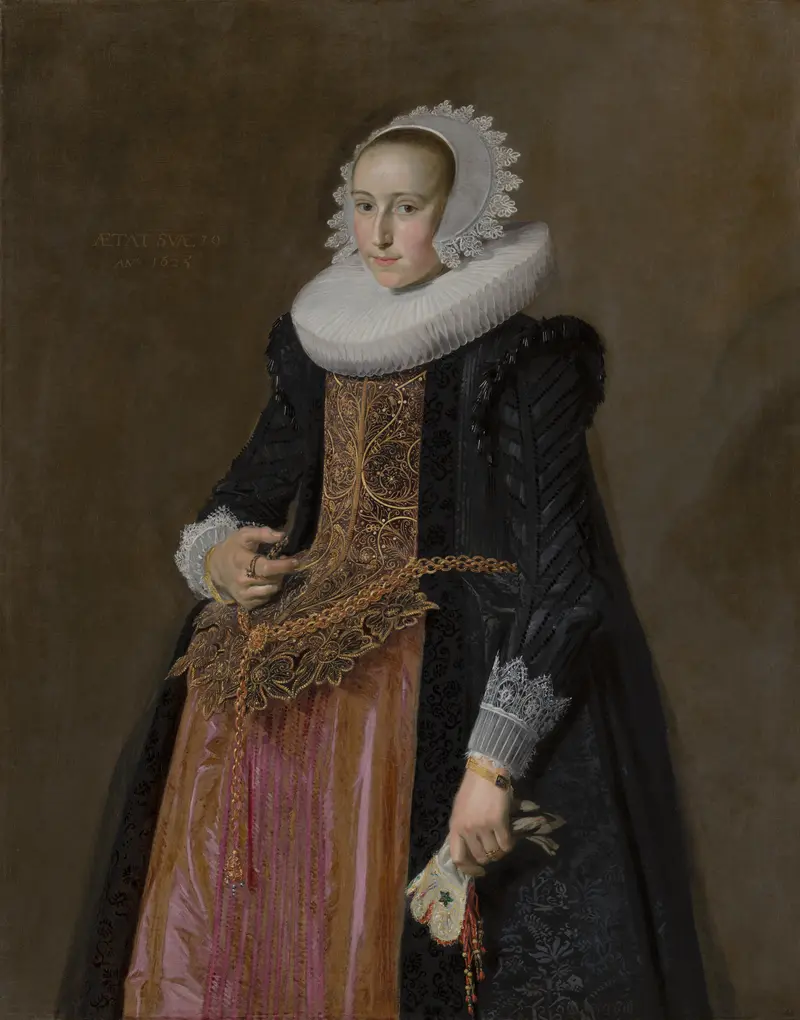
Portrait of Aletta Hanemans (1606–1653)
Frans Hals
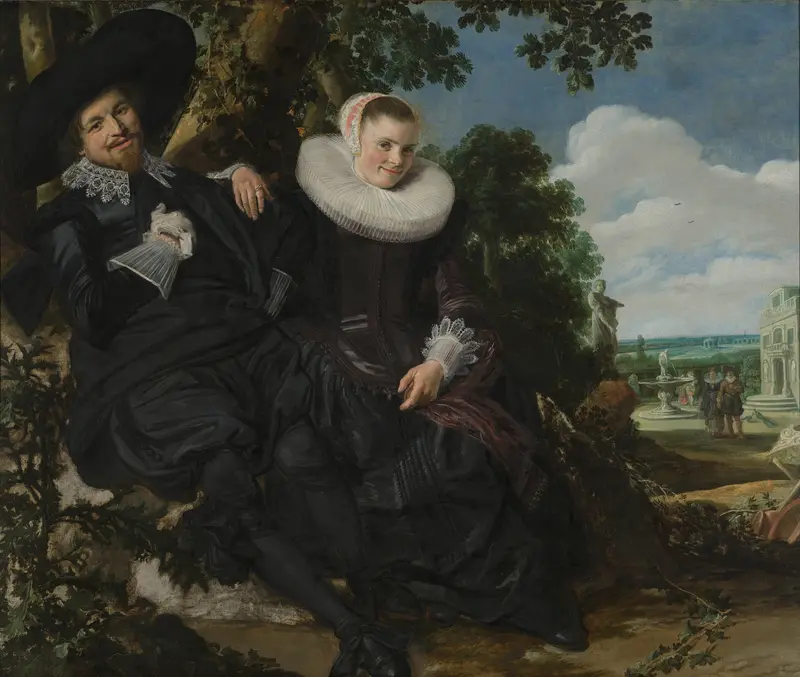
Portrait of a Married Couple, Likely Isaac Abrahamsz Massa and Beatrix van der Laen
Frans Hals
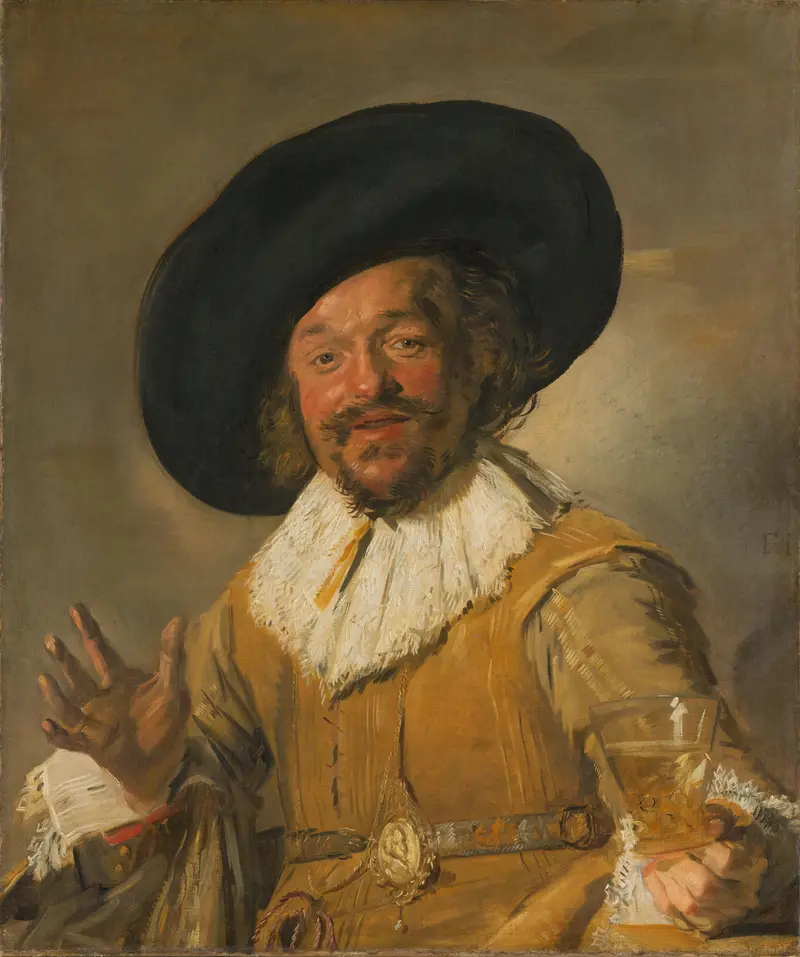
The Merry Drinker
Frans Hals
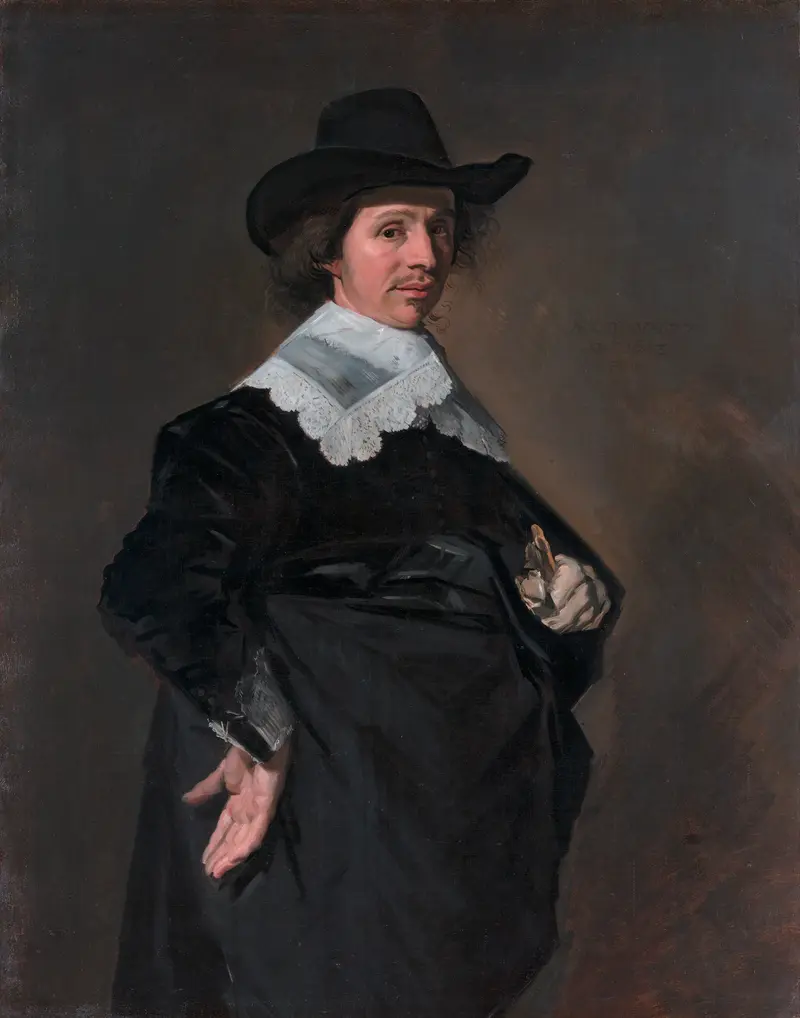
Portrait of Paulus Verschuur
Frans Hals
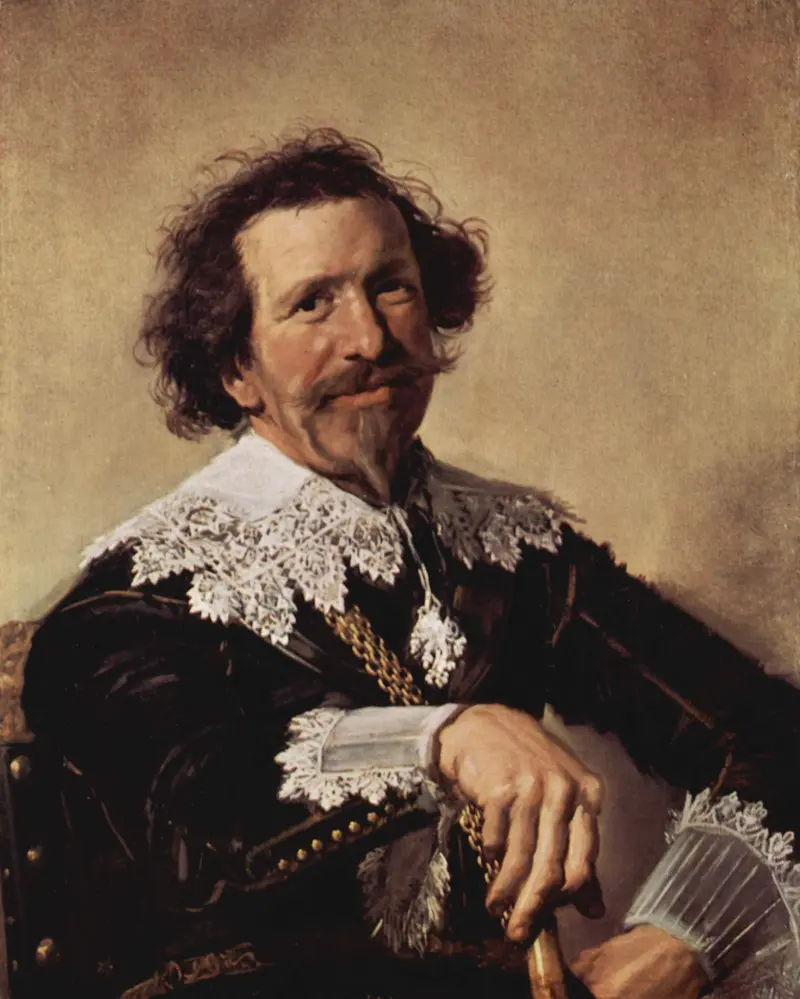
Portrait of Pieter van den Broecke
Frans Hals





