
Portrait of Willem Croes — History & Facts
When Frans Hals painted Portrait of Willem Croes in 1658, he captured not just a man but the rising status of Haarlem’s merchant class at the height of the Dutch Golden Age. The sitter, Willem Croes, was a prominent Haarlem official, and this portrait was likely commissioned to commemorate his appointment as treasurer—a role of considerable civic responsibility. In an era when portraiture was a declaration of both personal achievement and communal trust, Hals’s brush immortalized Croes at a moment of public recognition.
The painting stands as a record of the close-knit ties between artist and patron in a city where reputation was everything. Croes sits turned slightly to the viewer, his gaze direct yet approachable, hands clasped with a sense of calm assurance. The black attire, trimmed with delicate white lace, signals both sobriety and wealth—hallmarks of the Dutch burgher elite. Hals’s famously loose, energetic brushwork animates the sitter’s face and hands, lending a sense of immediacy and presence that sets him apart from the more polished, static portraits of Rembrandt or Anthony van Dyck.
The play of light across Croes’s features draws the eye to his thoughtful expression, suggesting a man both self-possessed and engaged in the world around him. The absence of overt symbols keeps the focus on character rather than status. The exact early history of Portrait of Willem Croes is not fully documented, but it is typical of Hals’s late period, when his sitters were often local dignitaries and wealthy townsmen. Over centuries, the painting has remained admired for its psychological depth and technical bravura, though its medium—whether oil on canvas or panel—remains a subject of scholarly debate.
Today, the work is recognized as a testament to Hals’s ability to capture individuality with brisk, lively strokes, a hallmark of his late style. Its journey from private commission to public collection mirrors the broader appreciation of Frans Hals as one of the great portraitists of the Baroque era, whose influence can still be seen in portraiture today.
More Artworks by Frans Hals

Banquet of the Officers of the St George Civic Guard
Frans Hals

Portrait of Jacob Pietersz Olycan (1596-1638)
Frans Hals
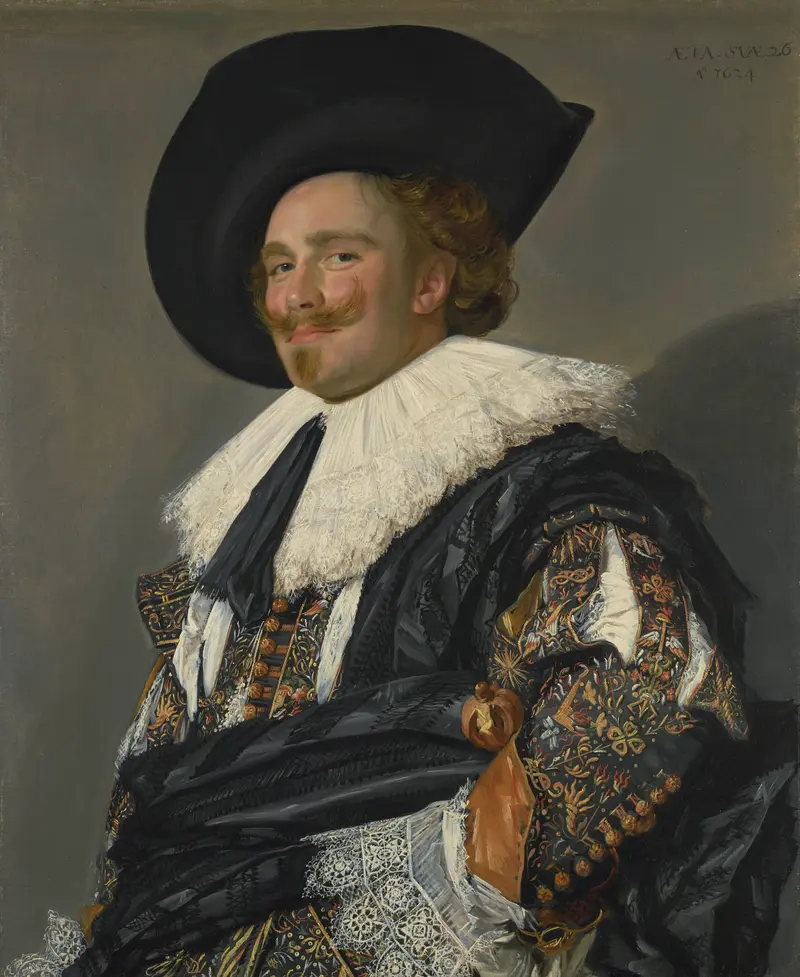
Laughing Cavalier
Frans Hals

Militia Company of District XI under the Command of Captain Reynier Reael, Known as ‘The Meagre Company’
Frans Hals
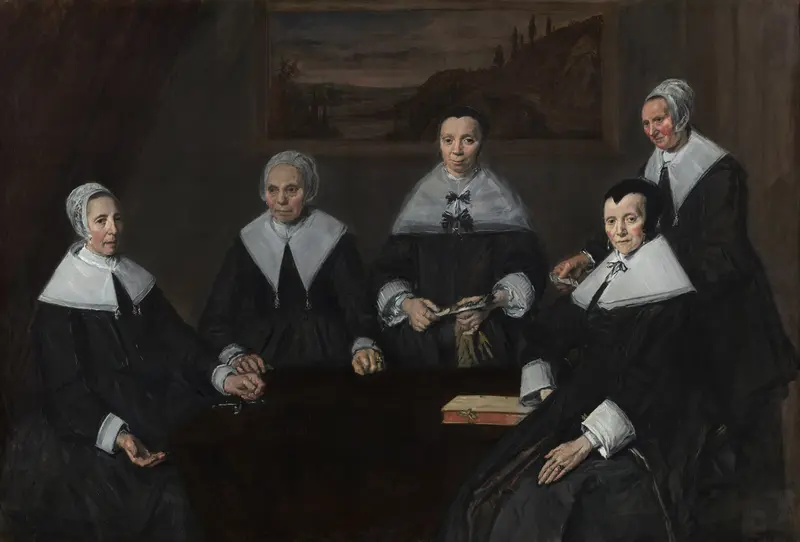
Regentesses of the Old Men's Alms House
Frans Hals
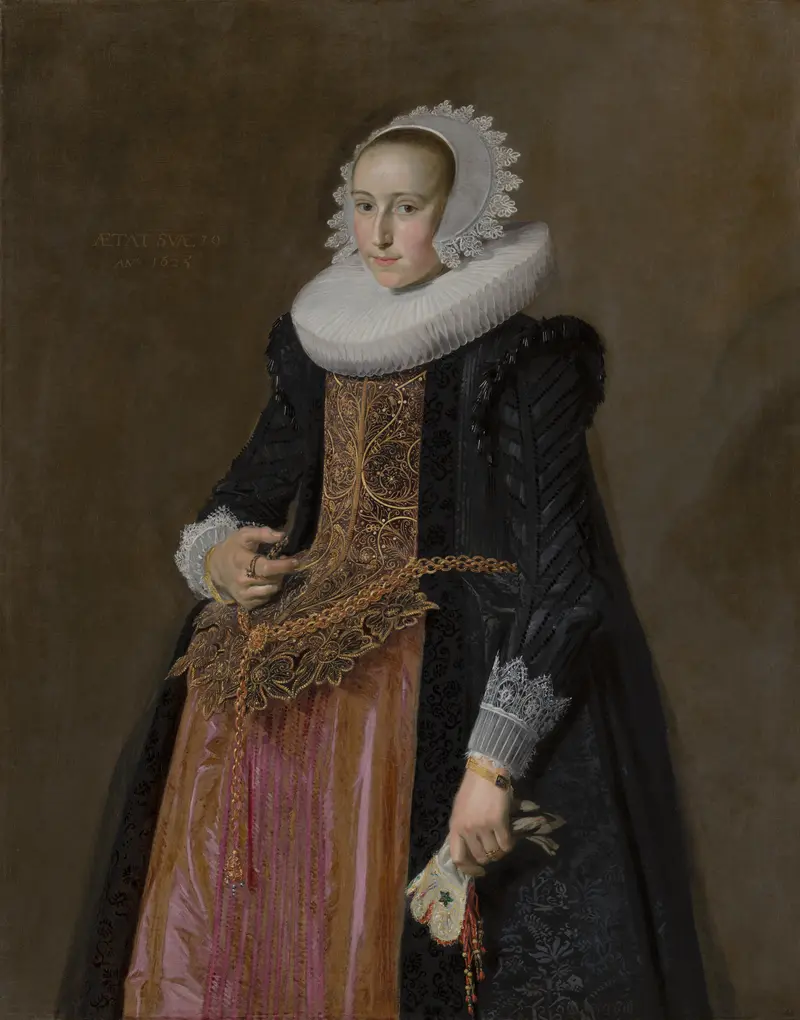
Portrait of Aletta Hanemans (1606–1653)
Frans Hals
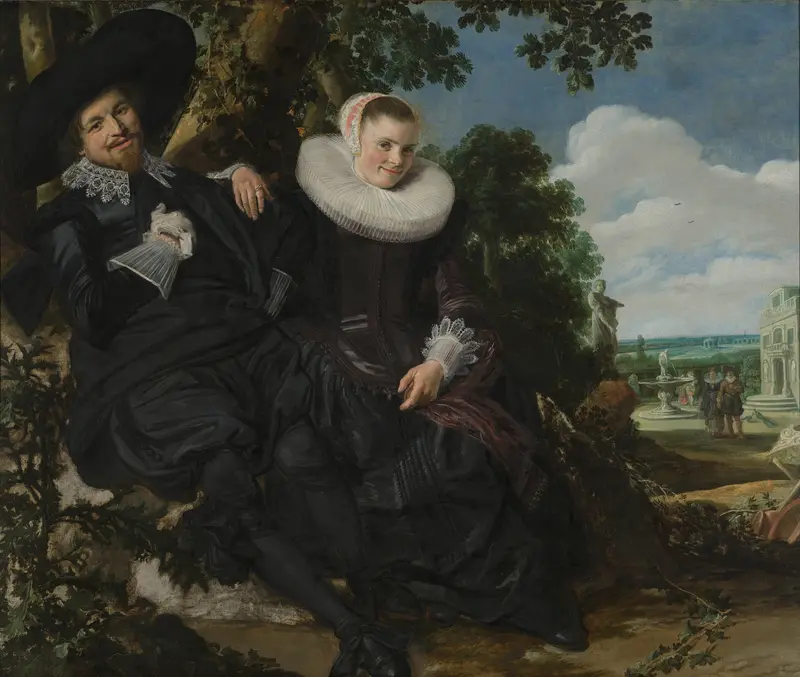
Portrait of a Married Couple, Likely Isaac Abrahamsz Massa and Beatrix van der Laen
Frans Hals
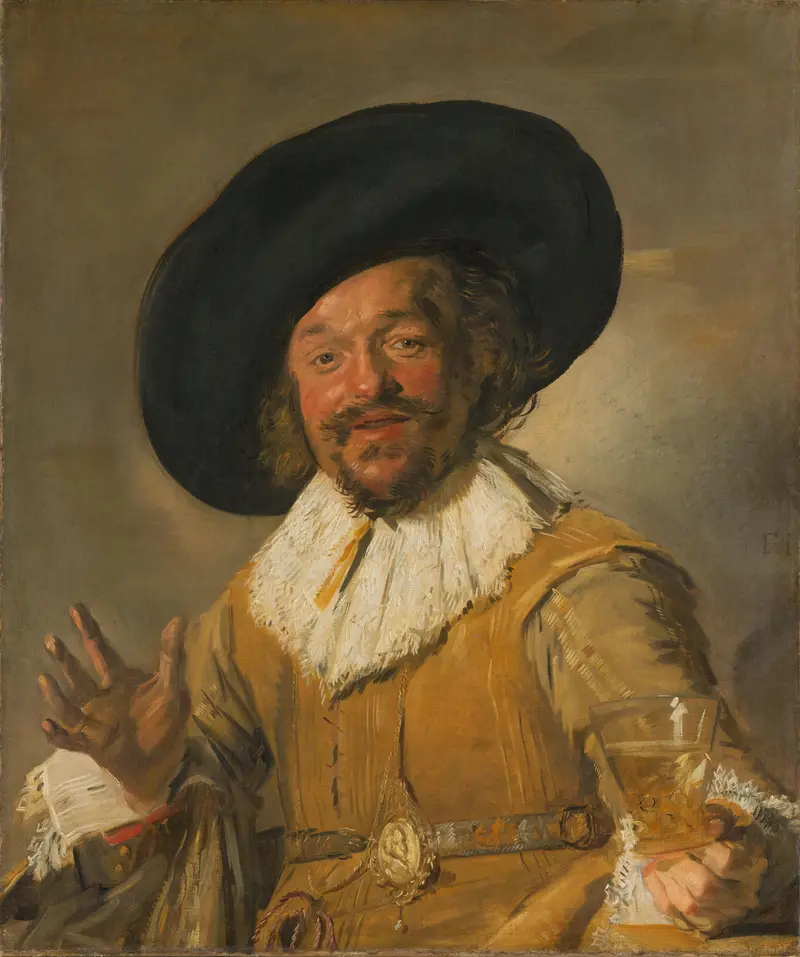
The Merry Drinker
Frans Hals
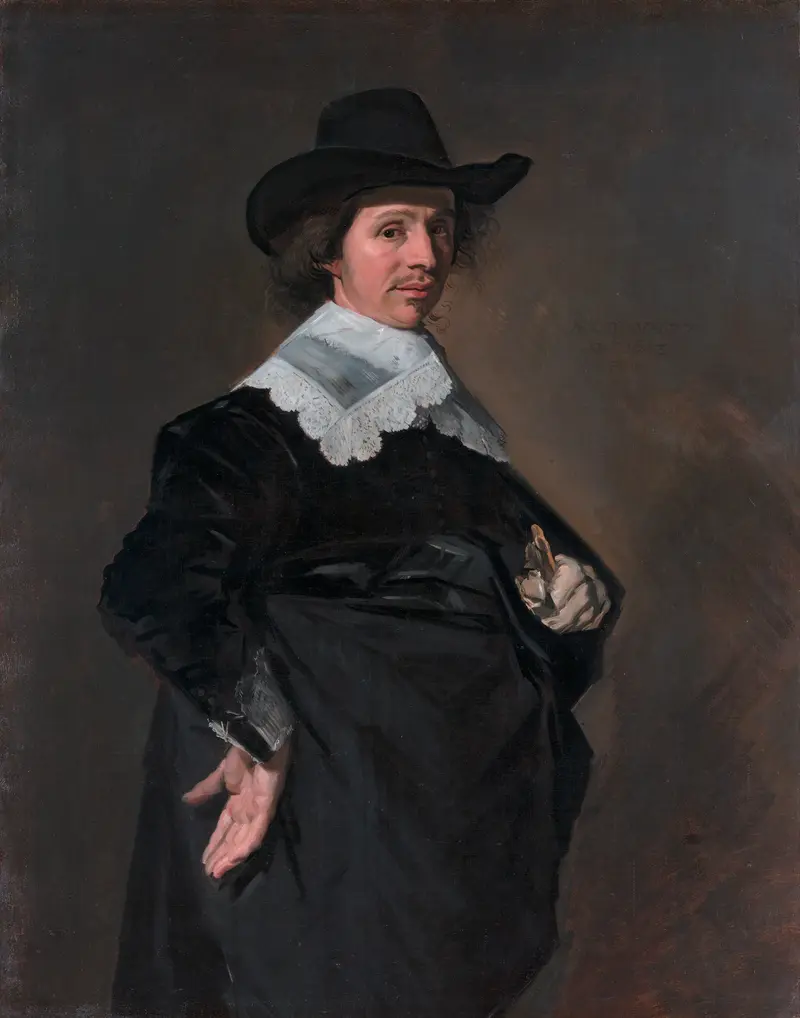
Portrait of Paulus Verschuur
Frans Hals
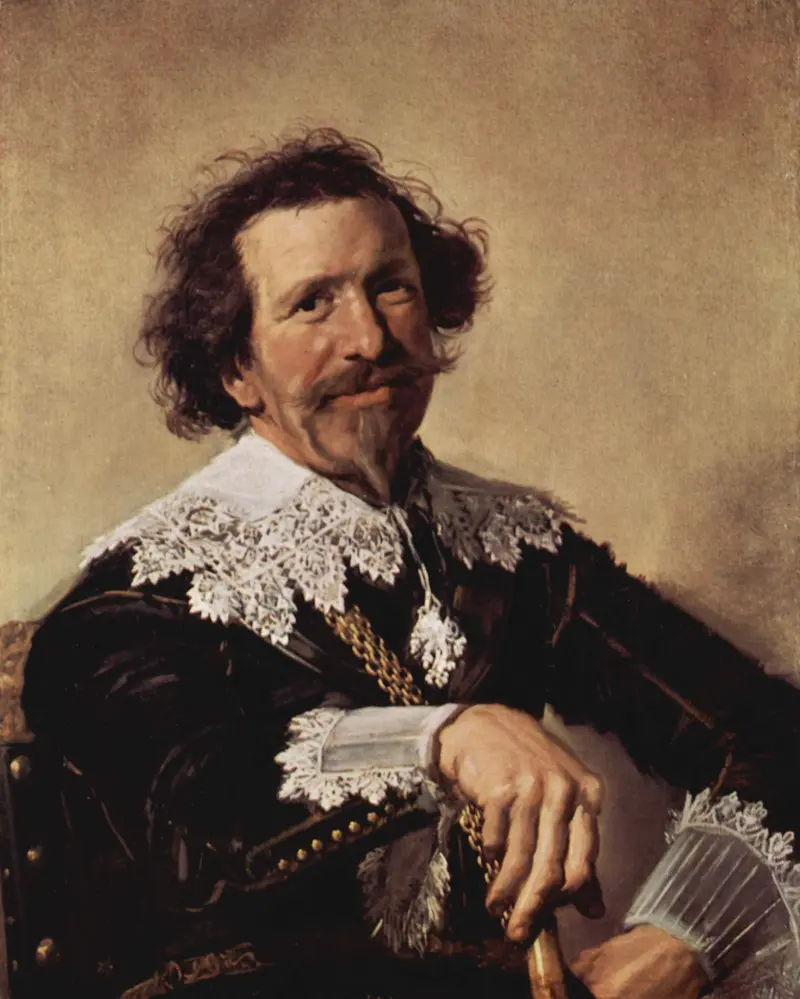
Portrait of Pieter van den Broecke
Frans Hals





