
Portret van de Heilige Franciscus — History & Facts
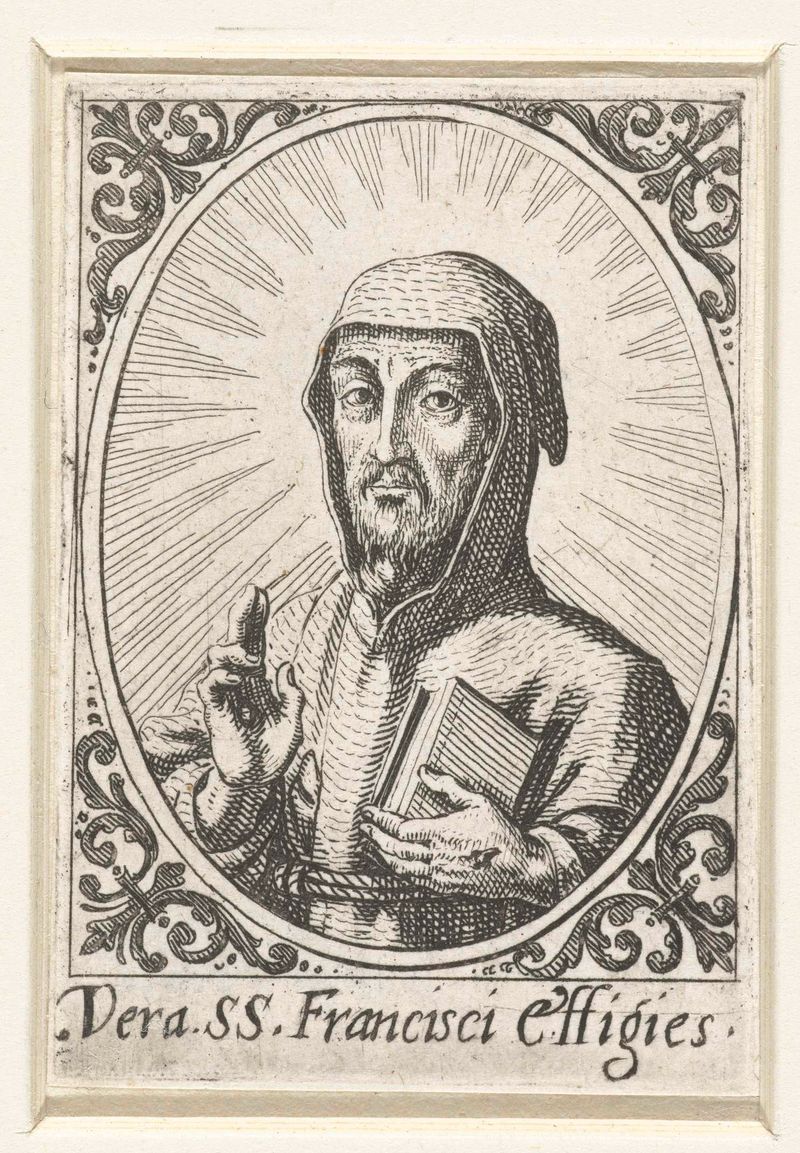
Is this a mirror — or a memory? In Portret van de Heilige Franciscus, the figure of Saint Francis emerges from a tumultuous backdrop, a testament to inner chaos juxtaposed with profound serenity. His gaze invites us to contemplate the nature of peace amidst disorder, echoing the struggles of the soul in search of solace. Look closely at the saint’s serene expression, which stands in stark contrast to the swirling forms of the background. Notice how the light delicately illuminates his face, creating a halo effect that exudes a soft, ethereal glow.
The muted palette of browns and ochres envelops him, while chaotic strokes suggest movement and unrest, drawing the viewer's eye to the tension between tranquility and turmoil. The artist employs intricate details in the saint’s robes, enhancing the texture of the fabric, further emphasizing the contrast within the scene. Delve deeper, and you’ll uncover the emotional weight of this artwork. The juxtaposition of Saint Francis’s contemplative demeanor against the chaotic backdrop reflects the inner conflicts of faith and doubt.
The swirling patterns behind him can be interpreted as the relentless distractions of worldly concerns, while his steady gaze represents the search for divine clarity. This tension between chaos and calm resonates with anyone wrestling with their own beliefs, infusing the piece with a universal significance. Jacques Callot created this work between 1620 and 1621 during a time of personal and artistic upheaval in his life. Having returned to France from Italy, he was grappling with the evolution of his style amidst the Baroque period's rise.
The era was marked by experimentation, and Callot’s exploration of emotional depth in his subjects reflected not only his artistic intentions but also the broader cultural shifts of his time, making his work a profound commentary on human experience.
More Artworks by Jacques Callot
Browse all →
Titelprent voor de prentreeks 'De kleine apostelen' (Het martelaarschap van de apostelen)
Jacques Callot
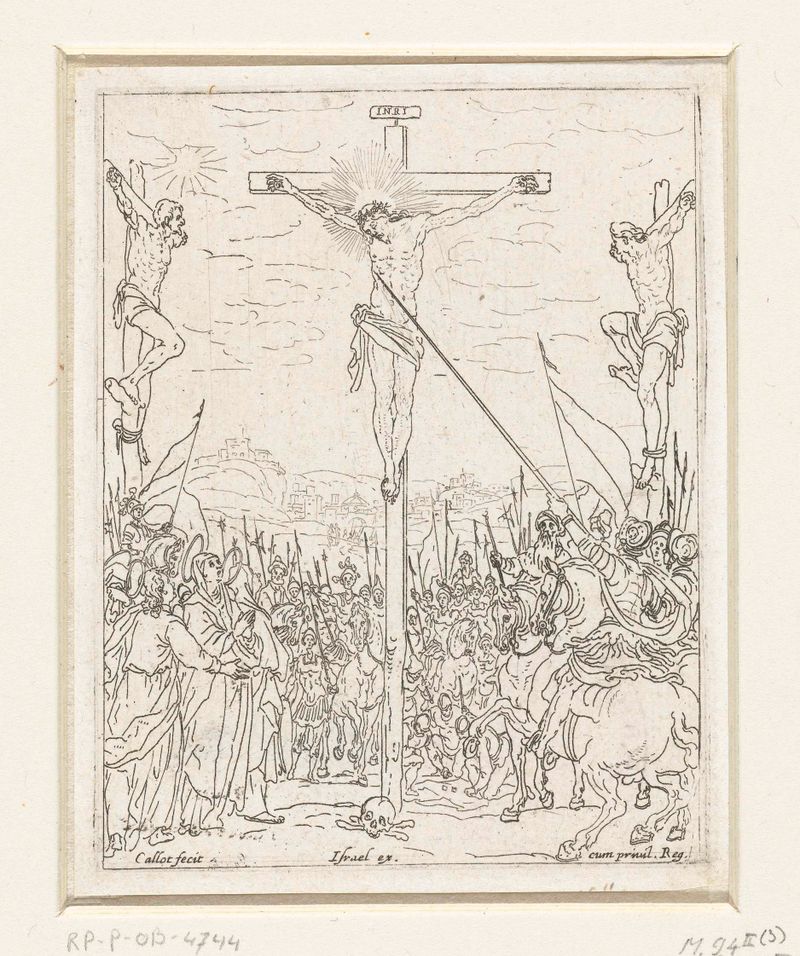
Kruisiging
Jacques Callot

De doortocht door de Rode Zee
Jacques Callot

De verloren zoon als zwijnenhoeder
Jacques Callot

Annunciatie
Jacques Callot
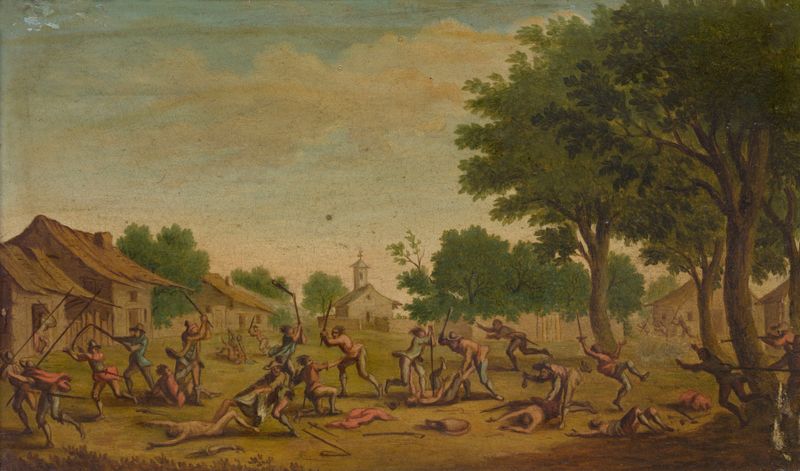
Village Fight
Jacques Callot

Titelprent voor prentreeks 'Het leven van Maria'
Jacques Callot
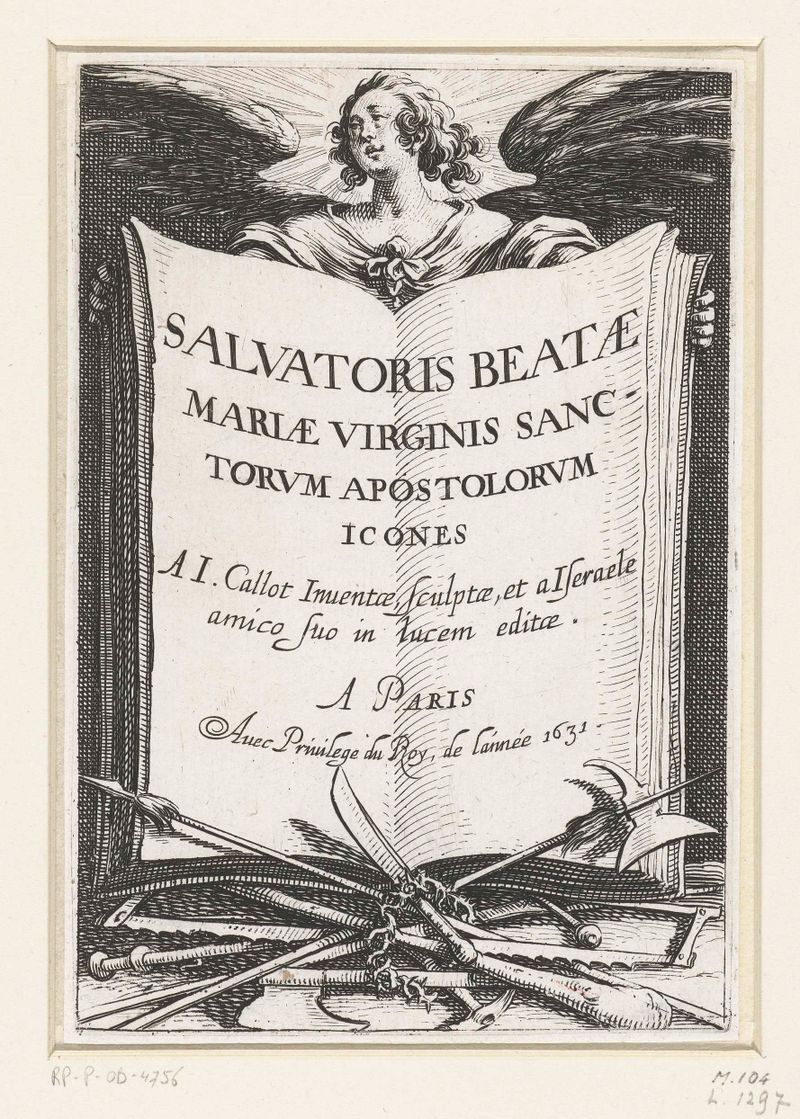
Titelprent voor de prentreeks 'De grote apostelen' (Christus, Maria en de apostelen)
Jacques Callot

Christus aan het volk getoond (Ecce homo)
Jacques Callot
Portret van de Heilige Franciscus
Jacques Callot
More Religious Art
Browse all →
The Return of the Prodigal Son
Rembrandt van Rijn

The Garden of Earthly Delights
El Bosco

Count Orgaz’ funeral
El Greco

The Hundred Guilder Print: the central piece with Christ preaching, the plate arched
Rembrandt van Rijn

The Descent from the Cross
Rogier van der Weyden

The return of the prodigal son
Rembrandt van Rijn