
Young Woman with Lemon — History & Facts
No one can say for certain why the lemon became such a favored motif among Dutch painters of the late seventeenth century, but in Young Woman with Lemon, Godfried Schalcken offers one of its most enigmatic appearances. Unlike the grand banquet scenes or bustling markets where fruit often signaled prosperity, here the lemon is solitary, held delicately by a young woman whose gaze meets the viewer’s with a quiet directness. The painting’s date and circumstances remain uncertain, adding a layer of mystery that has intrigued scholars for generations. The scene captures a moment suspended between offering and contemplation.
The woman, dressed in softly gleaming satin, presents the lemon in her right hand, its bright rind catching the candlelight that Schalcken so famously manipulated. The fruit’s sharpness was often a symbol of both temptation and the fleeting pleasures of the senses—a theme echoed in her ambiguous expression. The candle’s glow, a signature of Schalcken’s style, creates a pocket of intimacy, recalling the quiet drama of Vermeer’s interiors but with a sharper psychological edge.
The lemon, peeled but unsliced, hints at something withheld or yet to come. As with many works by Schalcken, the painting’s journey through history is not fully documented. It likely belonged to a private Dutch collection for much of its existence, admired for both its technical finesse and its subtle narrative. Schalcken was renowned in his lifetime for his candlelit scenes and was sought after by collectors in England and the Netherlands alike.
Today, Young Woman with Lemon stands as a testament to his fascination with light, ambiguity, and the quiet drama of everyday objects, though its precise origins and early owners remain a subject of ongoing research.
More Artworks by Godfried Schalcken

Young Man and Woman Studying a Statue of Venus, by Lamplight
Godfried Schalcken

Portrait of an Artist in His Studio
Godfried Schalcken
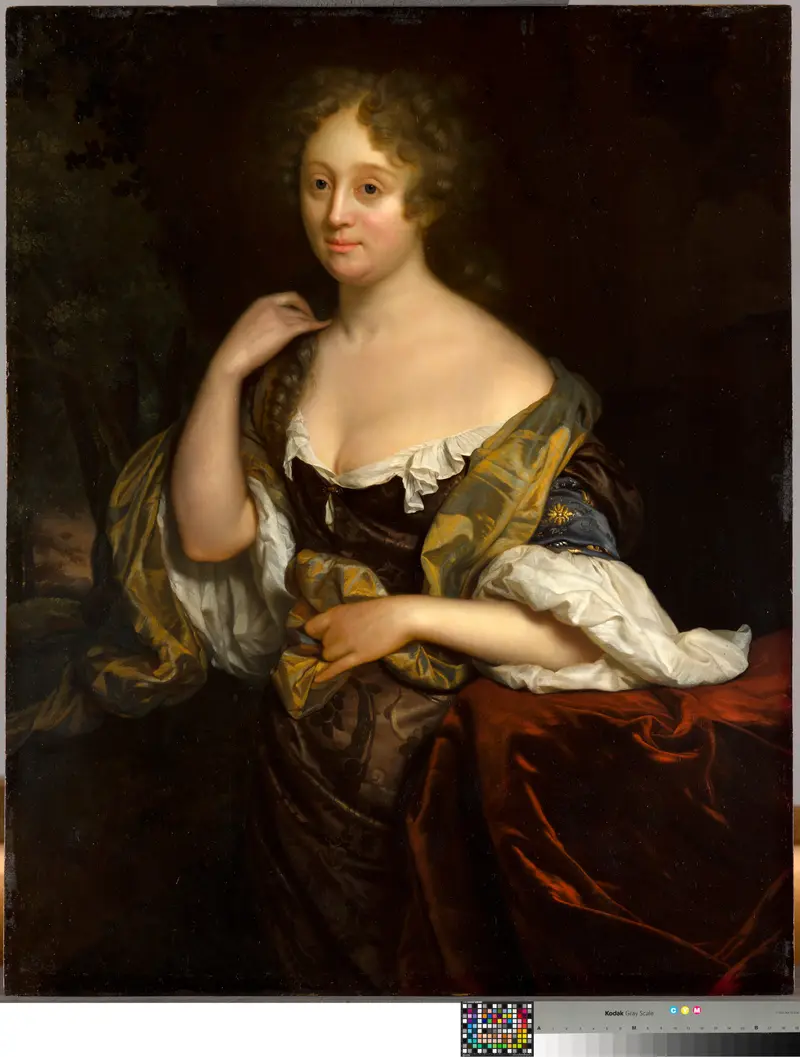
Portrait of Isabella Agneta Deutz
Godfried Schalcken
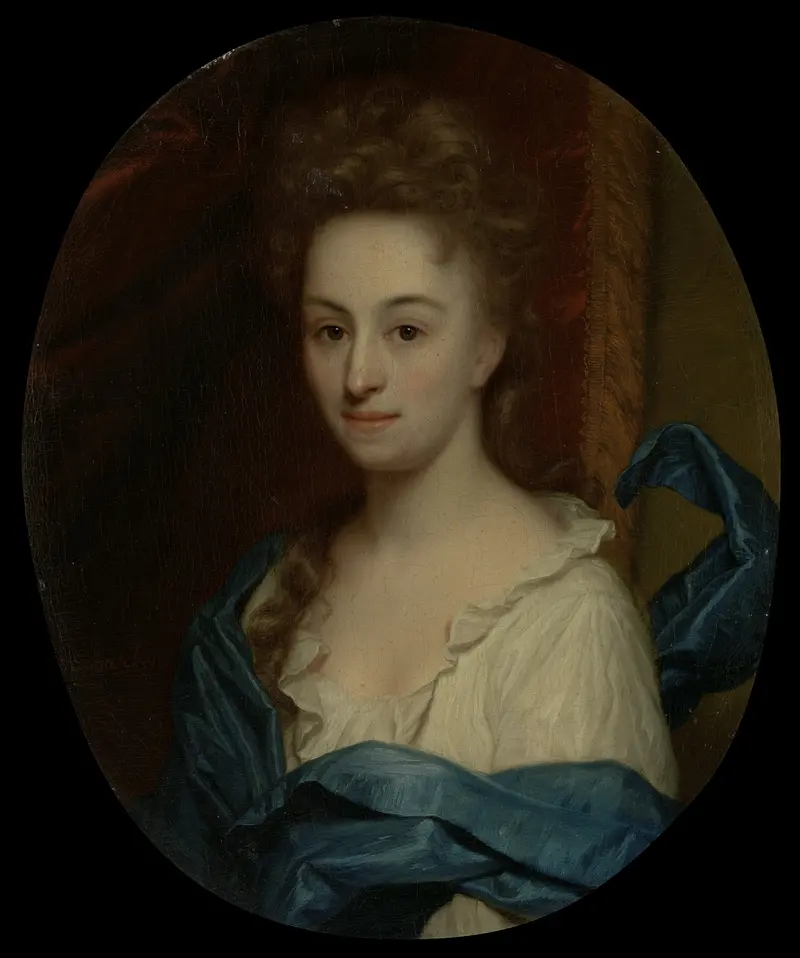
Portrait of Josina Clara van Citters (1671-1753), daughter of Josina Parduyn
Godfried Schalcken
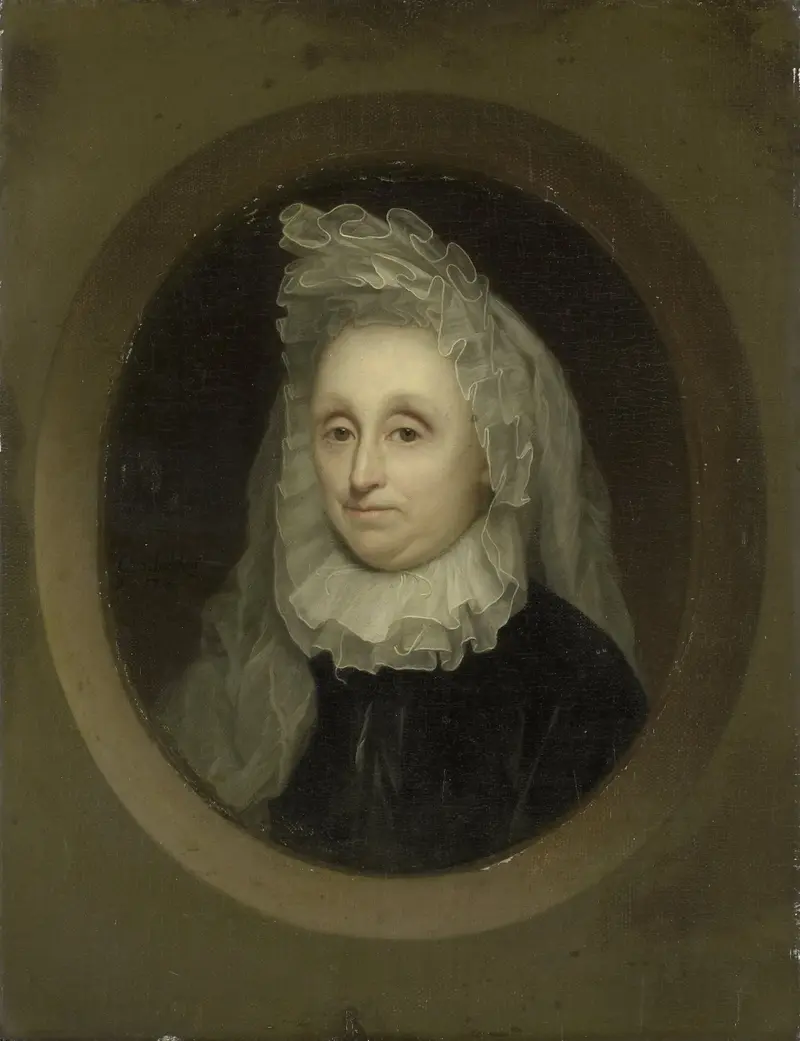
Portrait of Josnia Parduyn (1642-1718), second wife of Aernout van Citters
Godfried Schalcken
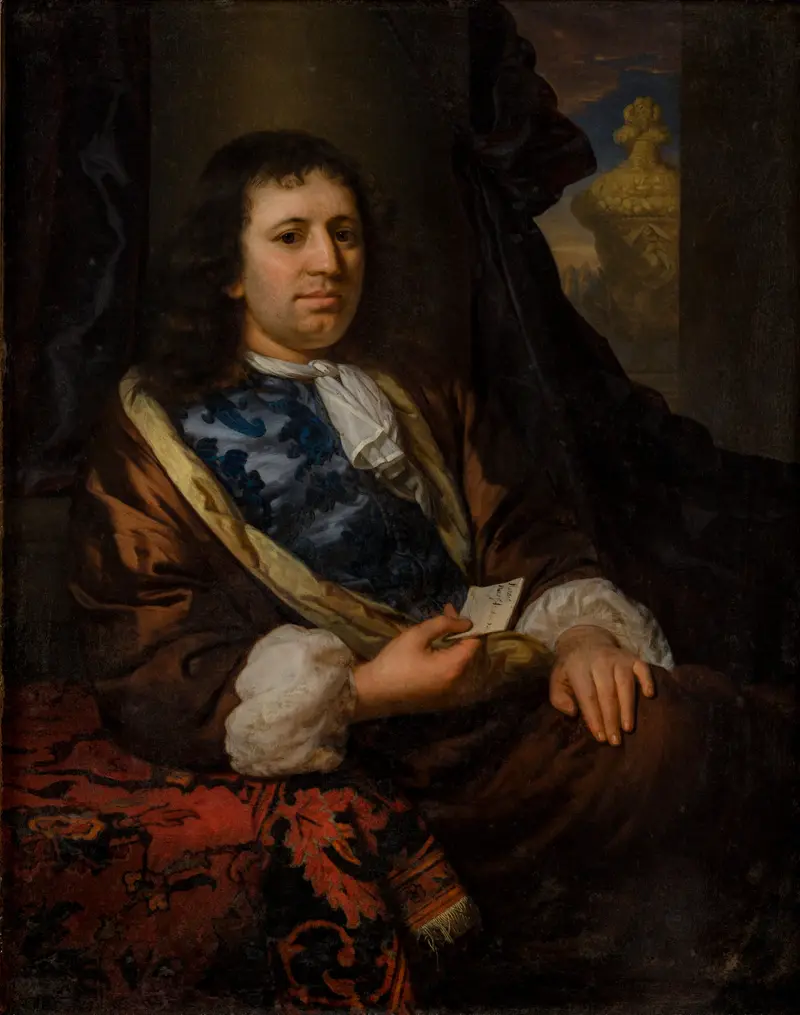
Portret van Johan de Bruin (1678-
Godfried Schalcken
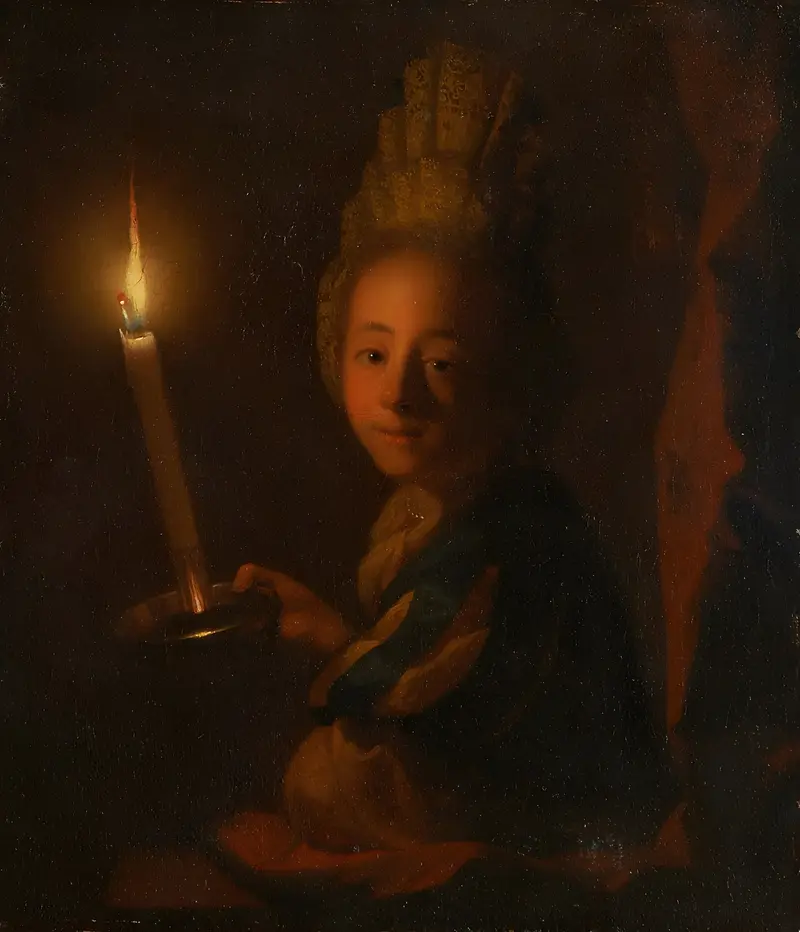
Girl with Burning Candle
Godfried Schalcken
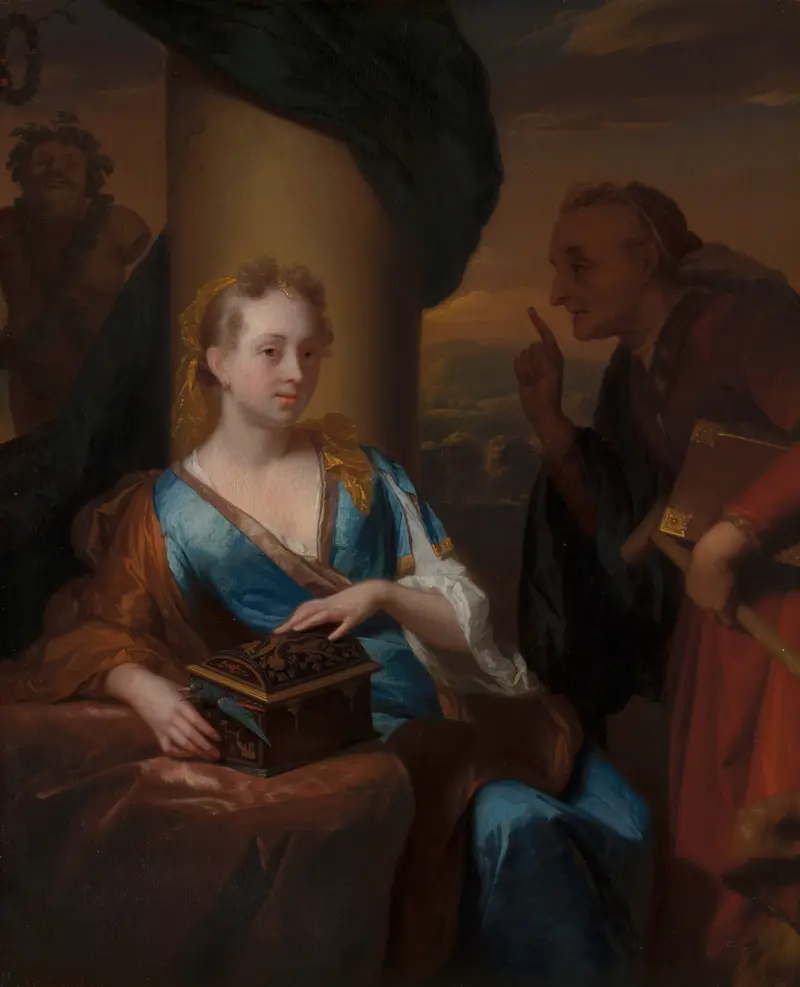
A Useless Moral Lesson
Godfried Schalcken
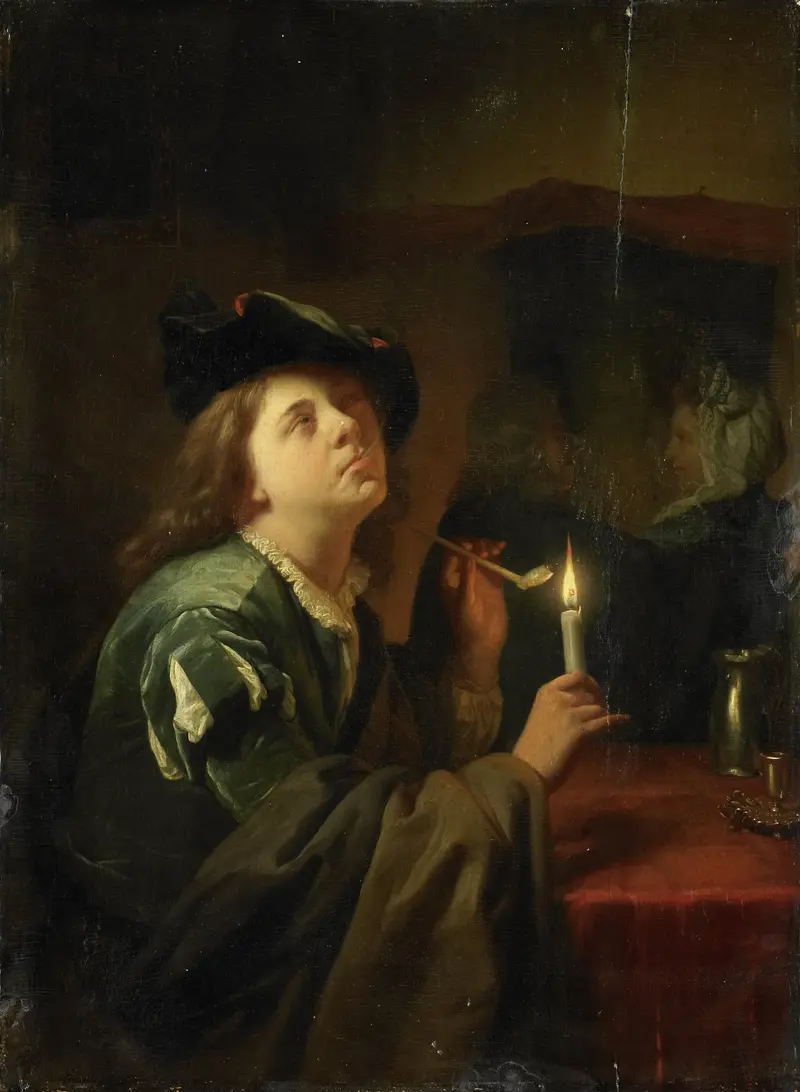
‘Differing tastes’
Godfried Schalcken
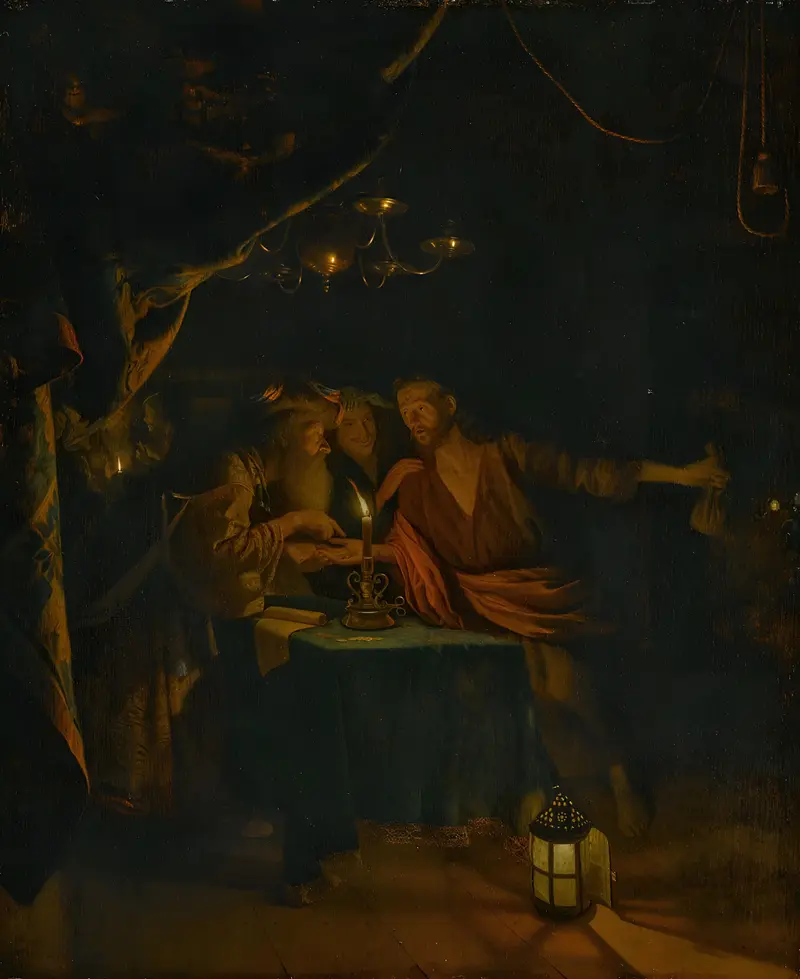
The betrayal of Judas
Godfried Schalcken





