
Portret van Théodole Augustin Ribot — History & Facts
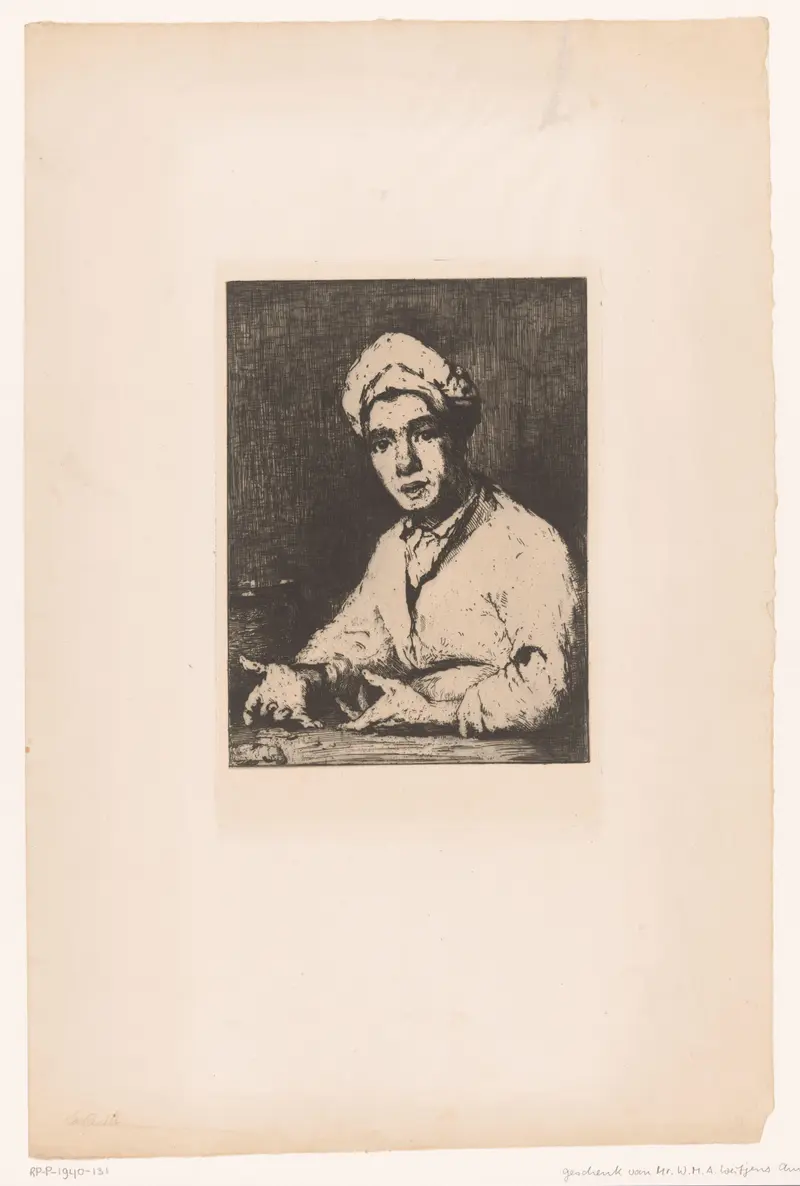
A face emerges from the shadows, carved in restless lines and dense, inky hatching. The sitter’s gaze is sharp, almost wary, as if caught mid-thought or mid-challenge, and the sweep of his mustache and the tilt of his beret give him a certain defiant dignity. Every scratch of the etching needle seems to vibrate with the artist’s intent: this is not a placid likeness, but a living confrontation between viewer and subject.
The light slices across the brow and cheek, leaving the rest to dissolve into darkness, drawing your eye to the intensity of those deep-set eyes. This print, Portret van Théodole Augustin Ribot by Augustin Théodule Ribot, was made in 1878, a time when portraiture was shifting from formal, commissioned grandeur to more intimate, psychological explorations. In France, the late nineteenth century saw artists experimenting with printmaking as a way to capture fleeting expressions and inner lives, often for a circle of collectors and fellow artists rather than grand salons. Little is recorded about the journey of this particular impression, now in the Rijksmuseum, but its raw directness is typical of the era’s fascination with character over status.
Let your gaze meet his, and consider what it means for a portrait to look back at you.
More Artworks by Augustin Théodule Ribot

The Scullion
Augustin Théodule Ribot
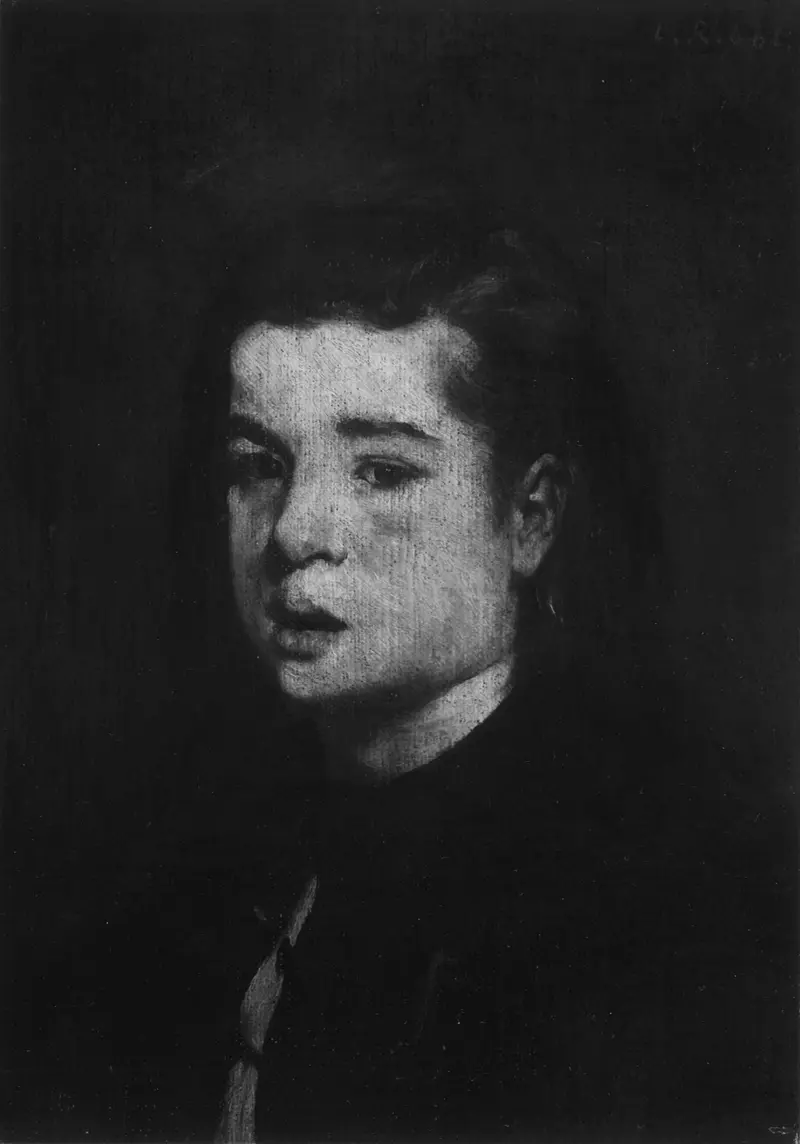
The Artist's Daughter
Augustin Théodule Ribot
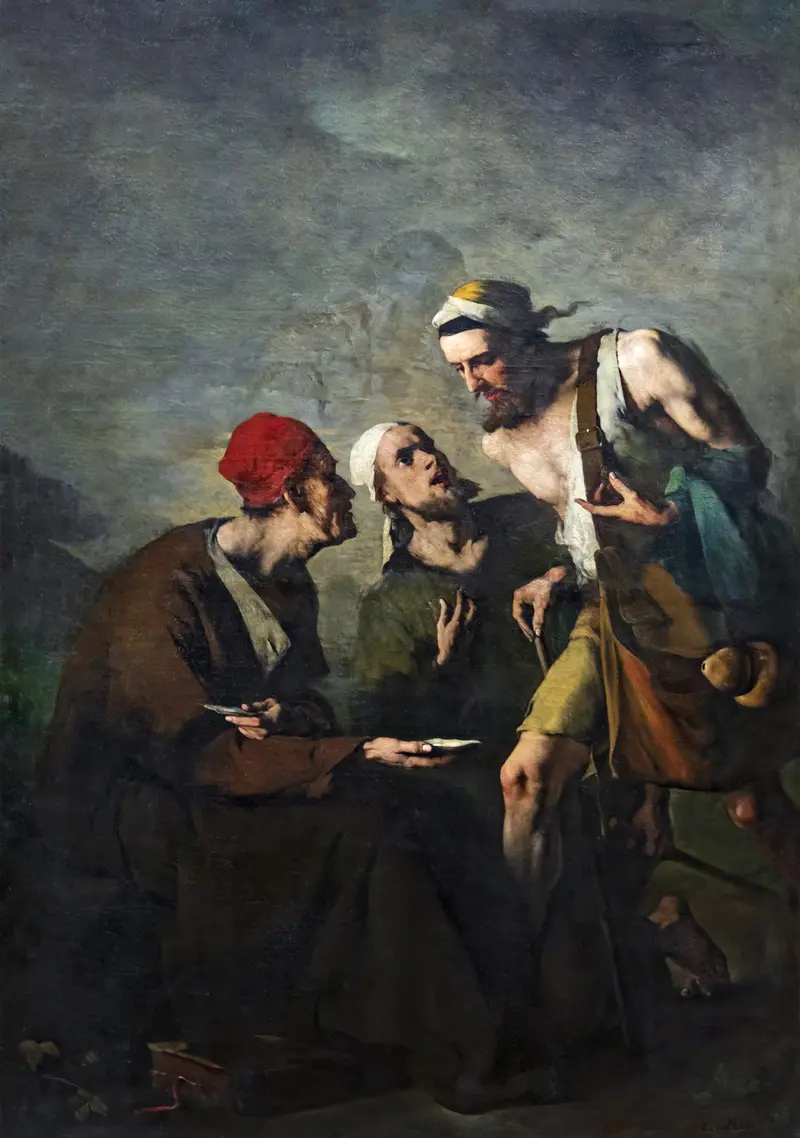
The oyster and the Litigant's
Augustin Théodule Ribot
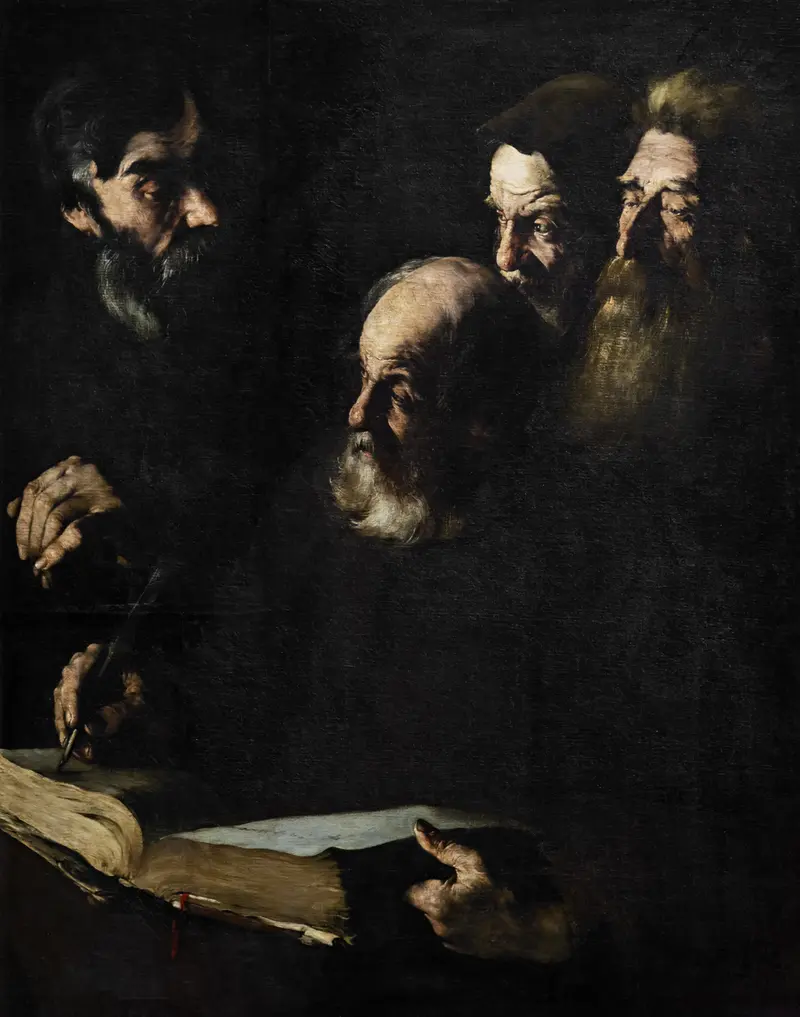
The philosophers
Augustin Théodule Ribot
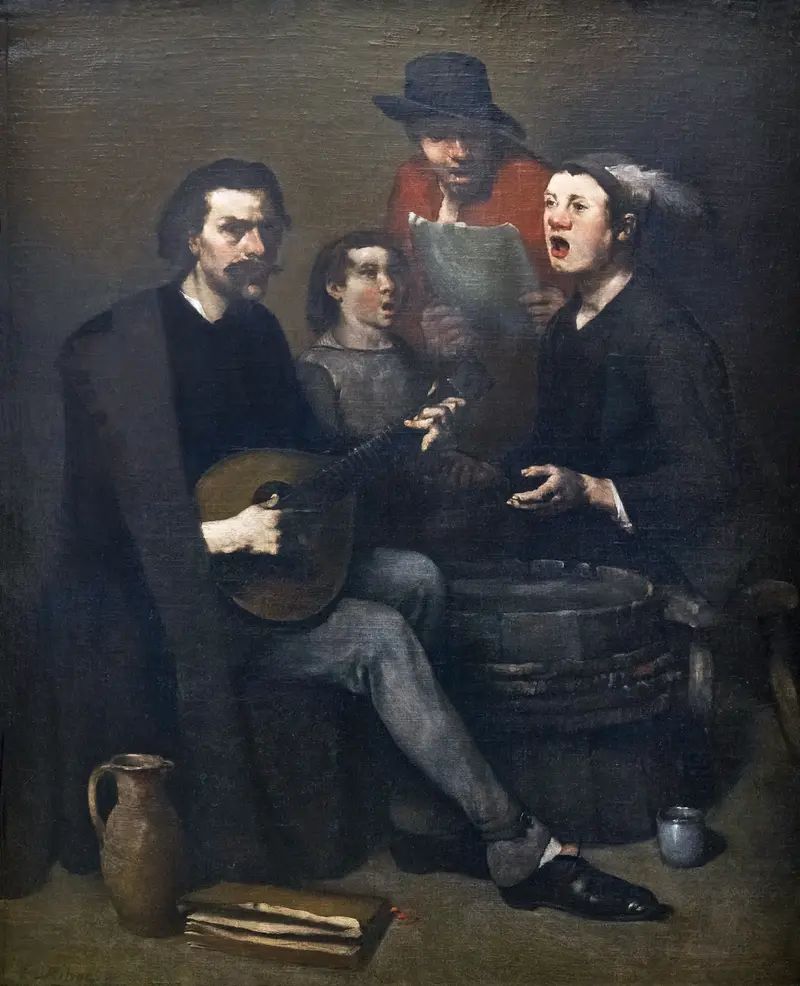
Singers
Augustin Théodule Ribot
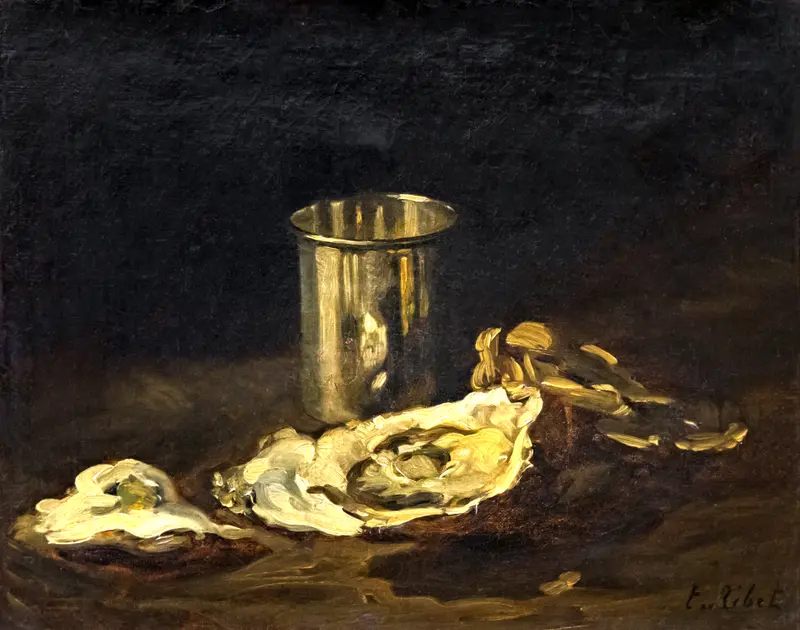
Oyster and timbale
Augustin Théodule Ribot
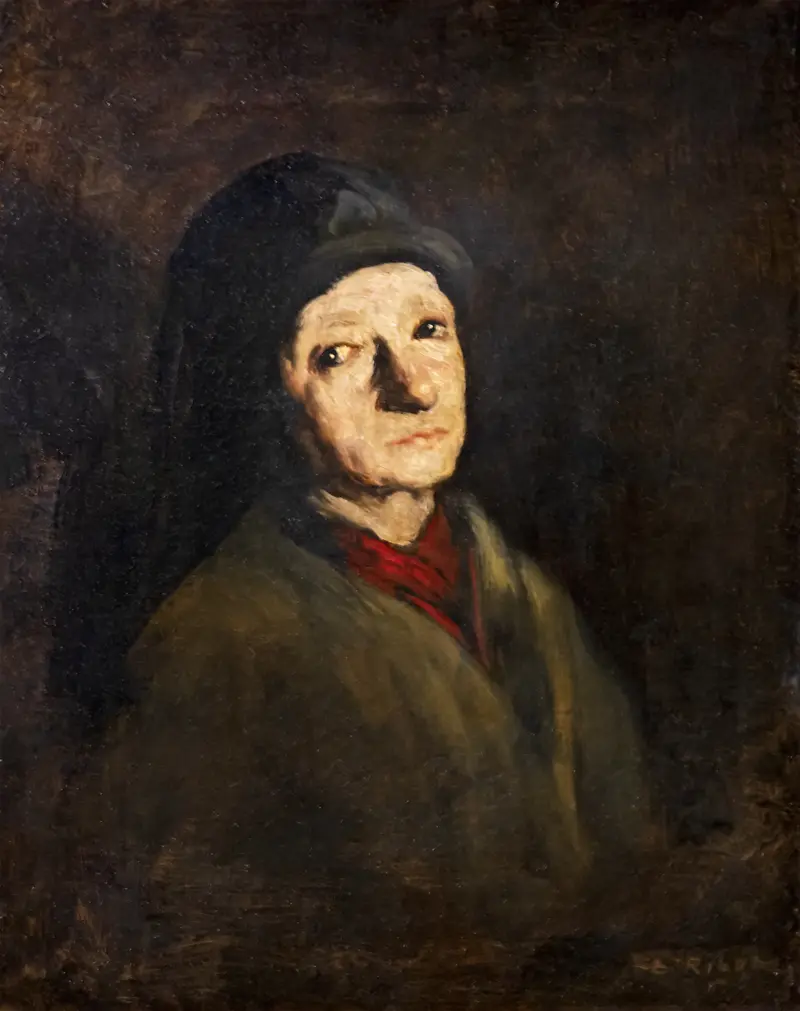
Portrait of the artist's mother
Augustin Théodule Ribot
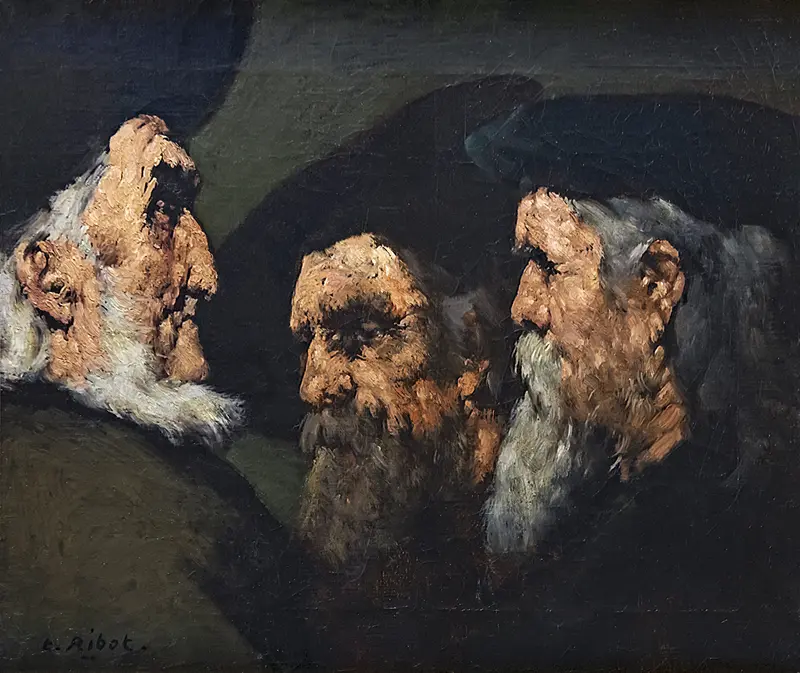
Three old jews
Augustin Théodule Ribot
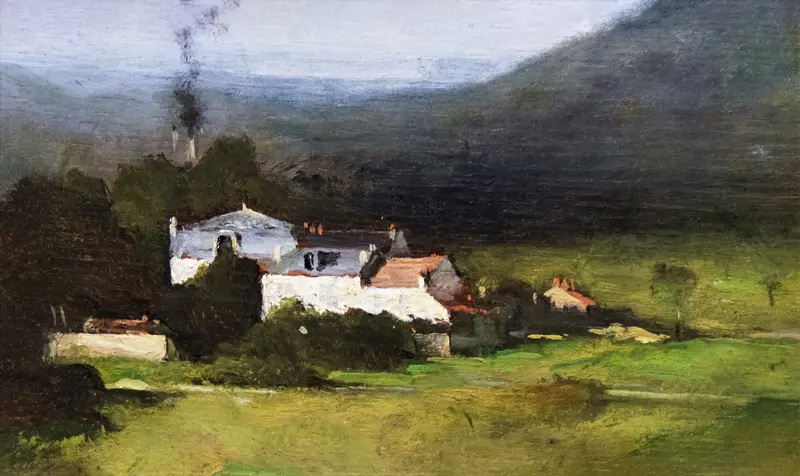
' Landscape ', known as ' La Maison de Corot in Ville-d'Avray '
Augustin Théodule Ribot
La recette du cuisinier
Augustin Théodule Ribot





