
Portret van Ulrich Varnbüler — History & Facts
In the stillness of a portrait, the echoes of presence and absence intertwine, revealing the profound emptiness that often accompanies remembrance. Focus on the figure of Ulrich Varnbüler, who commands the canvas with a striking gaze. Examine how Dürer’s meticulous brushwork captures the fine details of his subject’s attire, the dark fabric contrasting with the luminous skin tones. Notice the way Varnbüler’s hands rest gracefully, yet they seem to hint at unspoken thoughts, adding a layer of introspection to the composition.
The background, almost ethereal in its simplicity, enhances the sense of isolation, drawing the viewer’s attention solely to the subject. Delve deeper into the emotional contrasts within the work. The tension between the subject’s confident posture and the muted tones of the background creates a dialogue about existence and legacy. Each line in Varnbüler’s visage narrates a story of experience, yet the absence of any overt surroundings evokes a haunting sense of loneliness.
This interplay between presence and void invites viewers to ponder not just the man depicted, but the nature of memory itself. Dürer painted this work during a period of personal and artistic transition, likely between 1615 and 1625, amidst the evolving Baroque movement. As he navigated the complexities of artistic recognition, Dürer sought to elevate portraiture by melding realism with emotional depth, a goal that resonates powerfully in this work. The cultural landscape was shifting, and through Varnbüler's likeness, the artist captured a moment anchored in time, yet tinged with the inevitability of loss.
More Artworks by Albrecht Dürer
Browse all →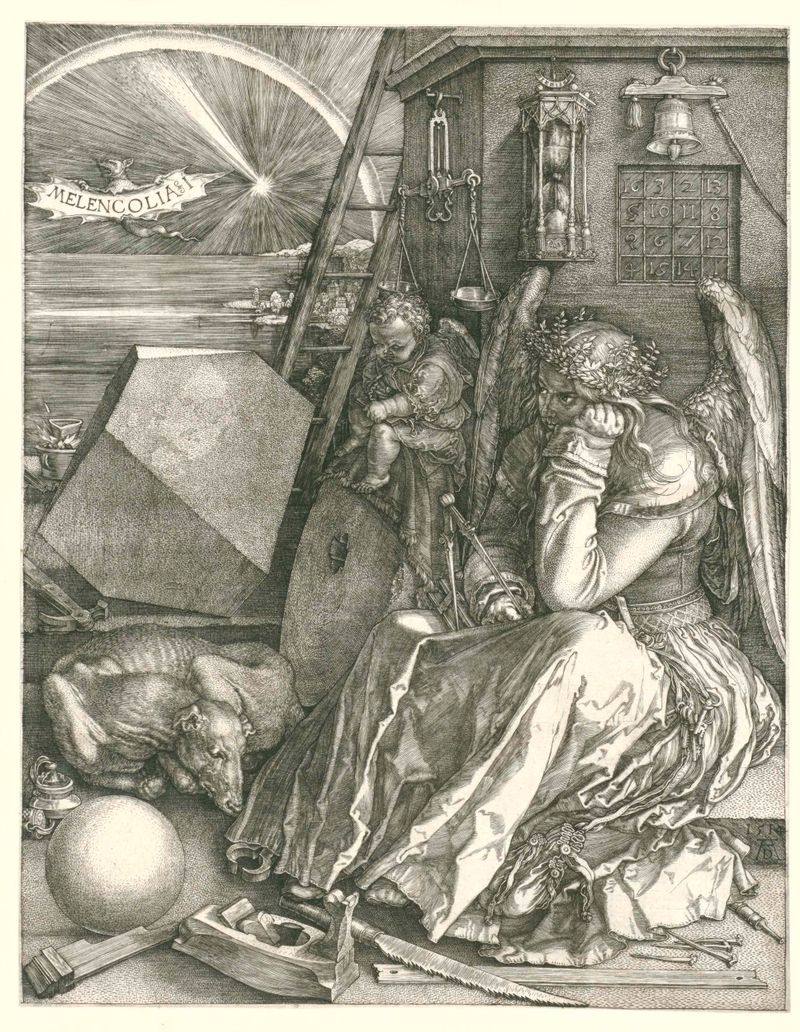
Melancholia
Albrecht Dürer
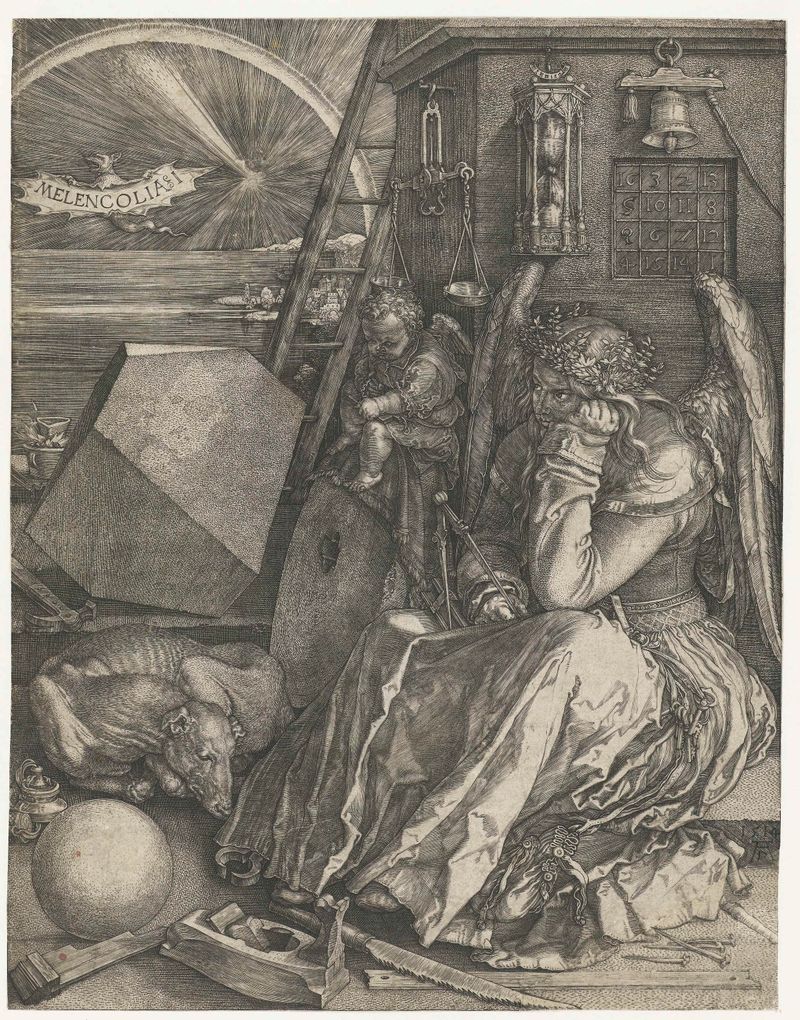
Melancholie
Albrecht Dürer
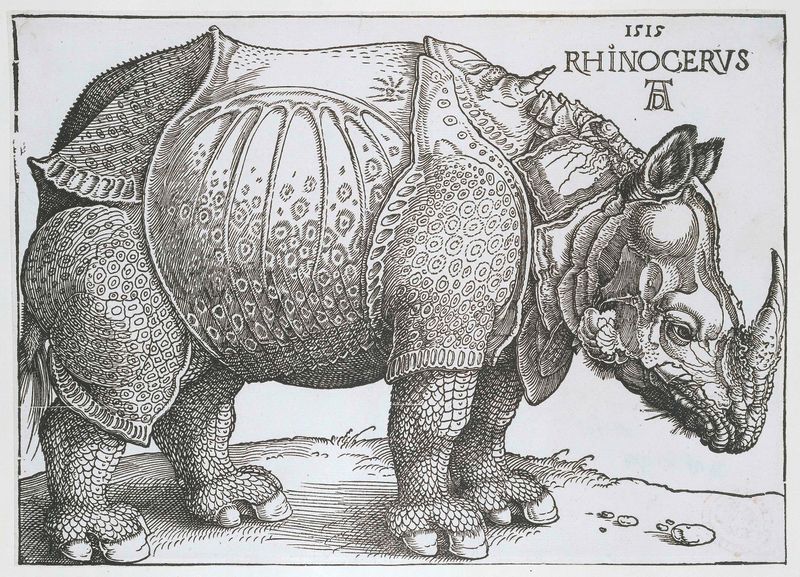
Neushoorn
Albrecht Dürer
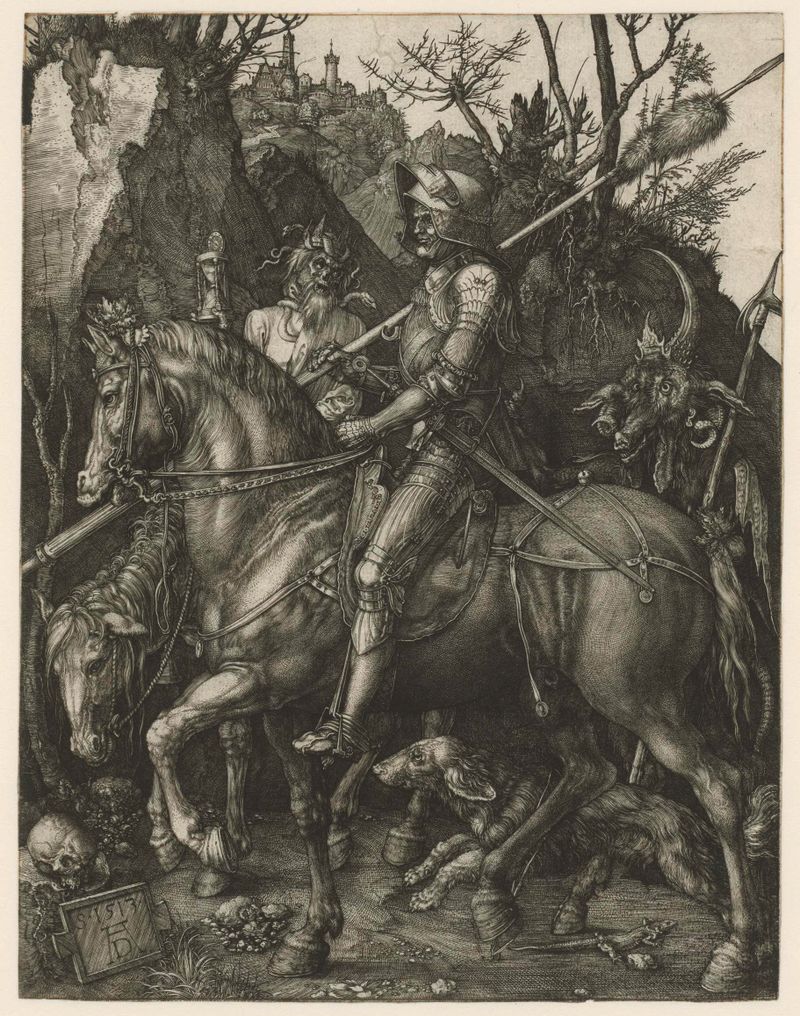
Knight, Death, and the Devil
Albrecht Dürer

De vier ruiters van de apocalyps
Albrecht Dürer

De vier ruiters van de apocalyps
Albrecht Dürer
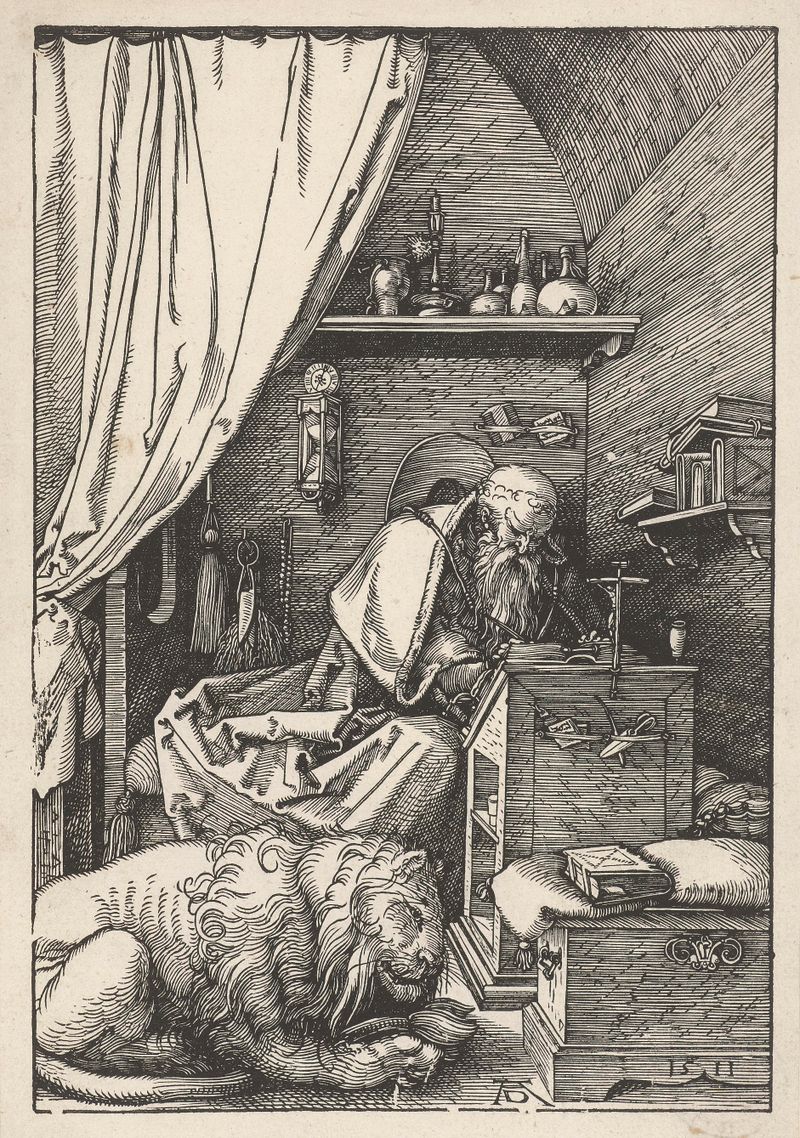
De Heilige Hiëronymus in zijn studeervertrek
Albrecht Dürer
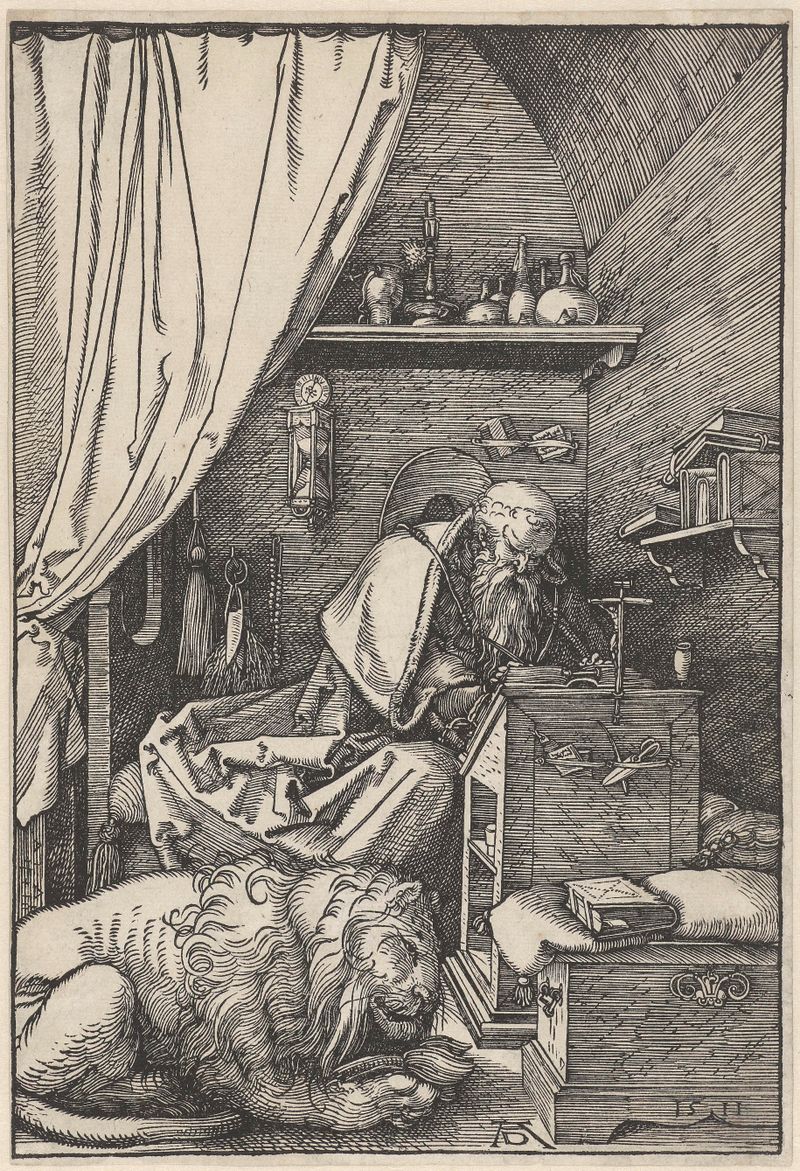
De Heilige Hiëronymus in zijn studeervertrek
Albrecht Dürer
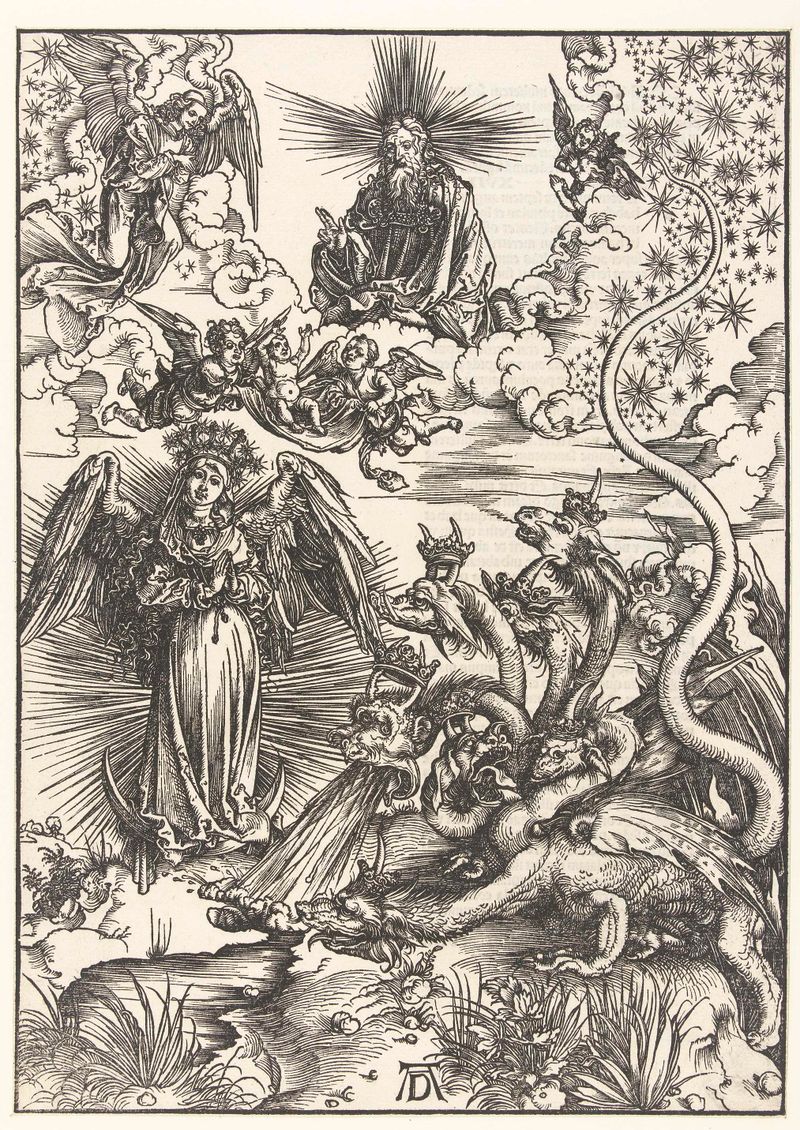
De apocalyptische vrouw en de zevenkoppige draak
Albrecht Dürer
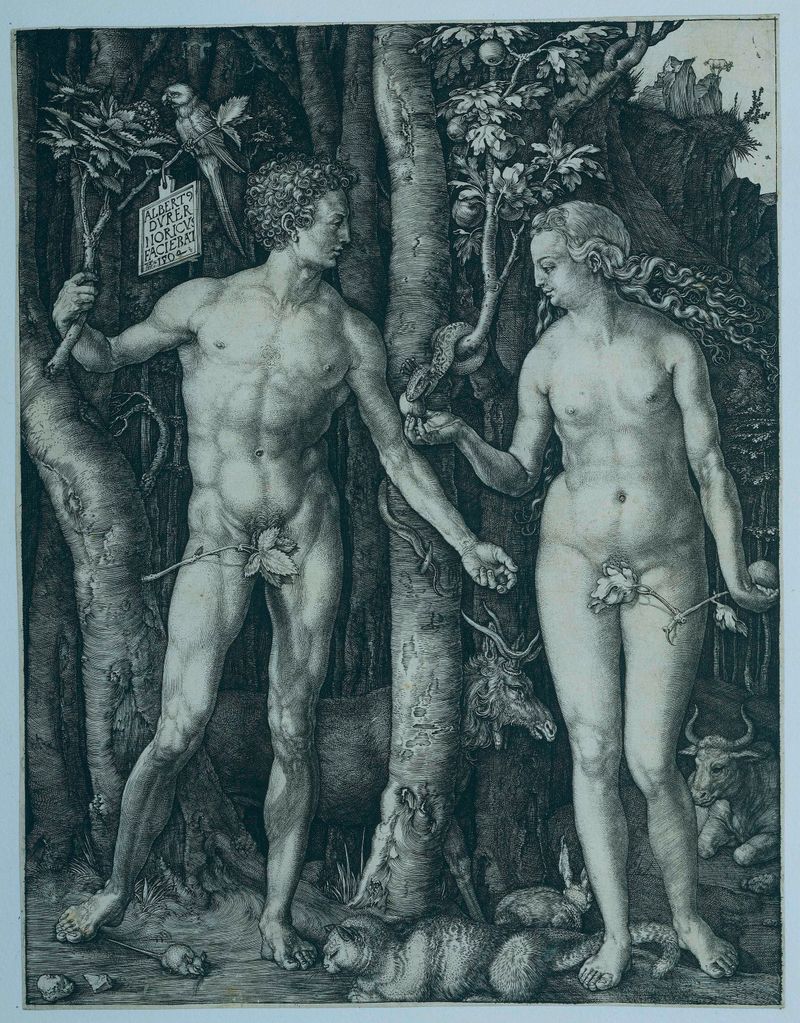
Adam en Eva
Albrecht Dürer
More Portrait Art
Browse all →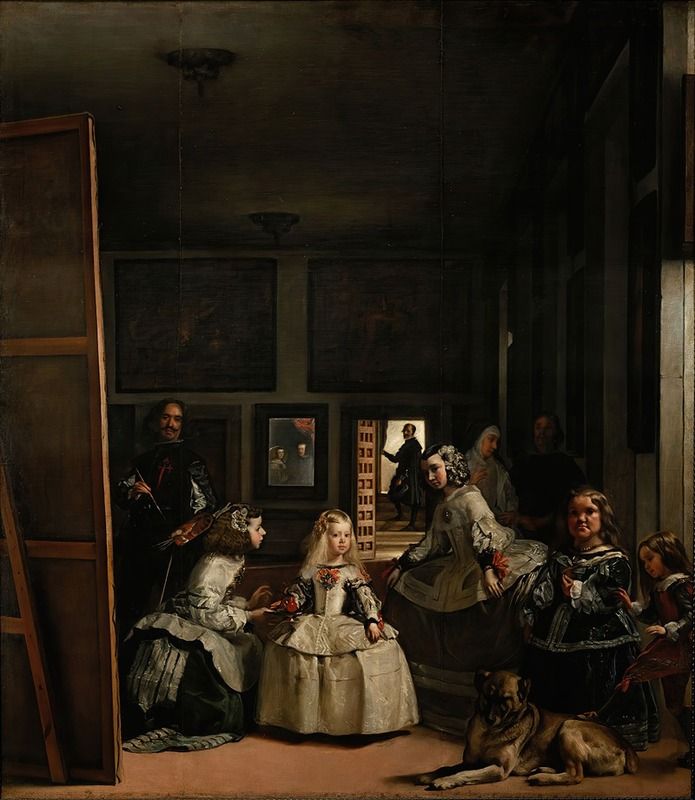
Las meninas
Diego Velázquez
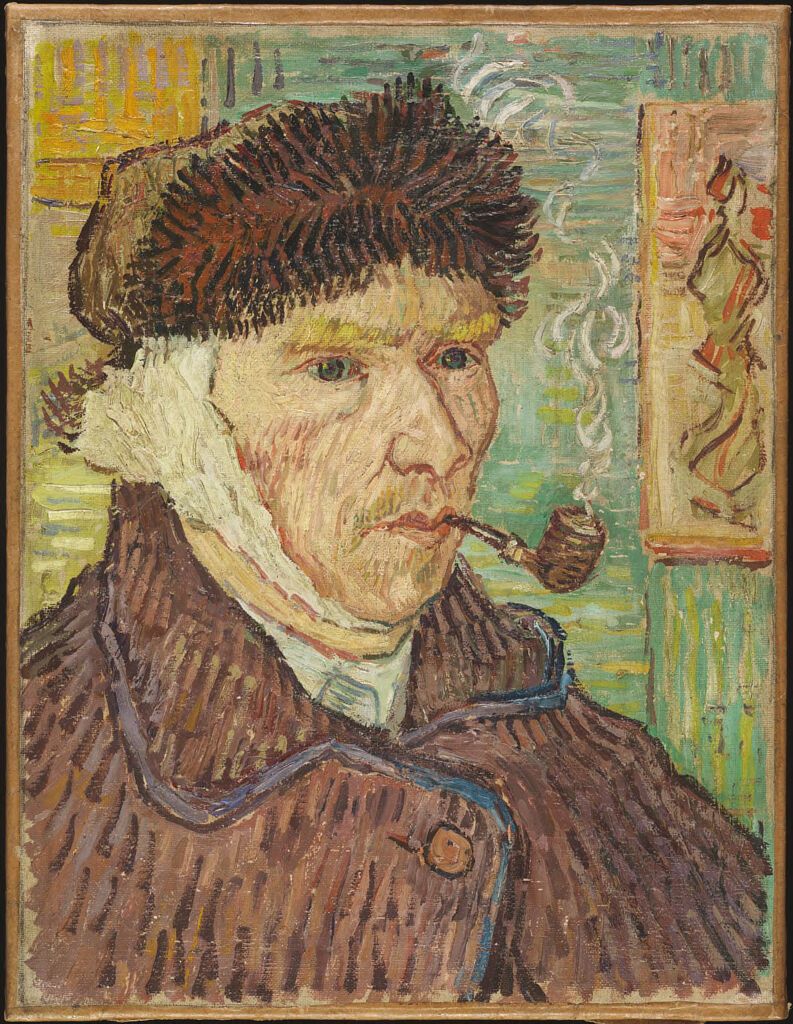
Self-portrait with a Bandaged Ear and Pipe
Unidentified artist
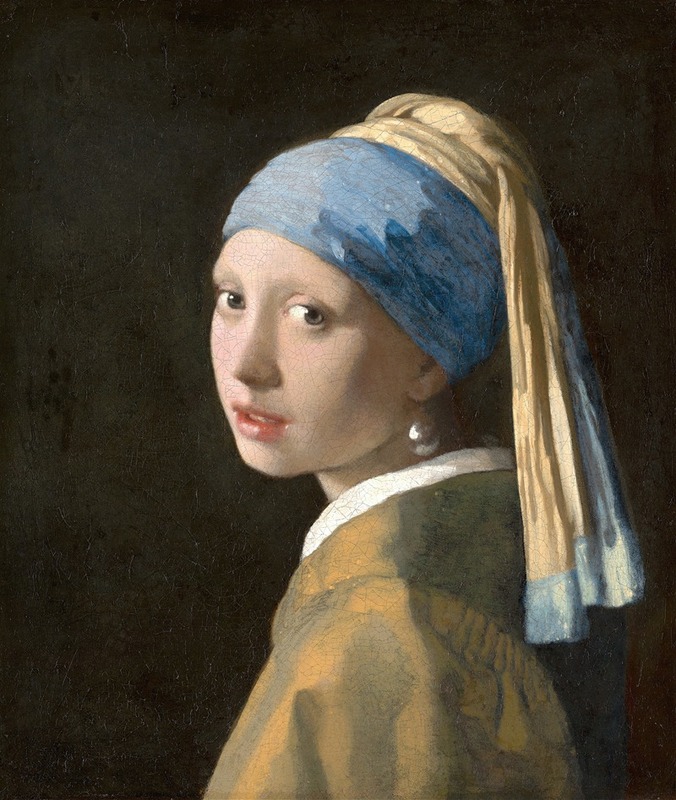
Girl with a Pearl Earring
Johannes Vermeer
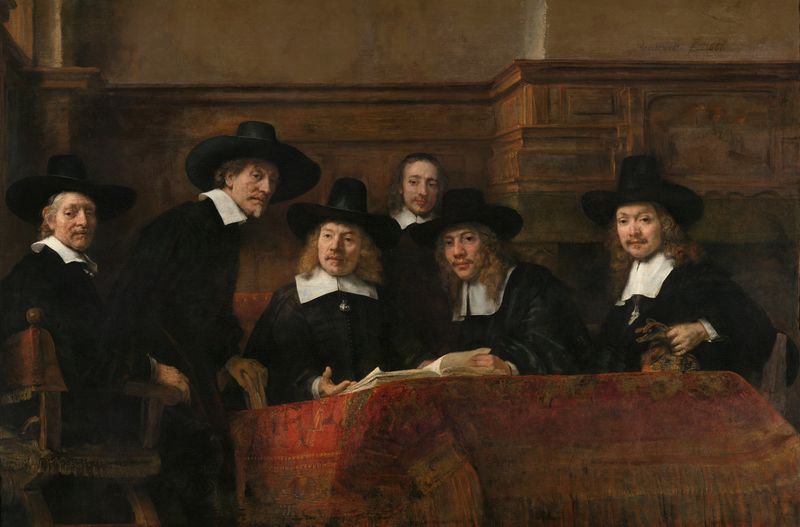
The Sampling Officials of the Amsterdam Drapers’ Guild, Known as ‘The Syndics’
Rembrandt van Rijn
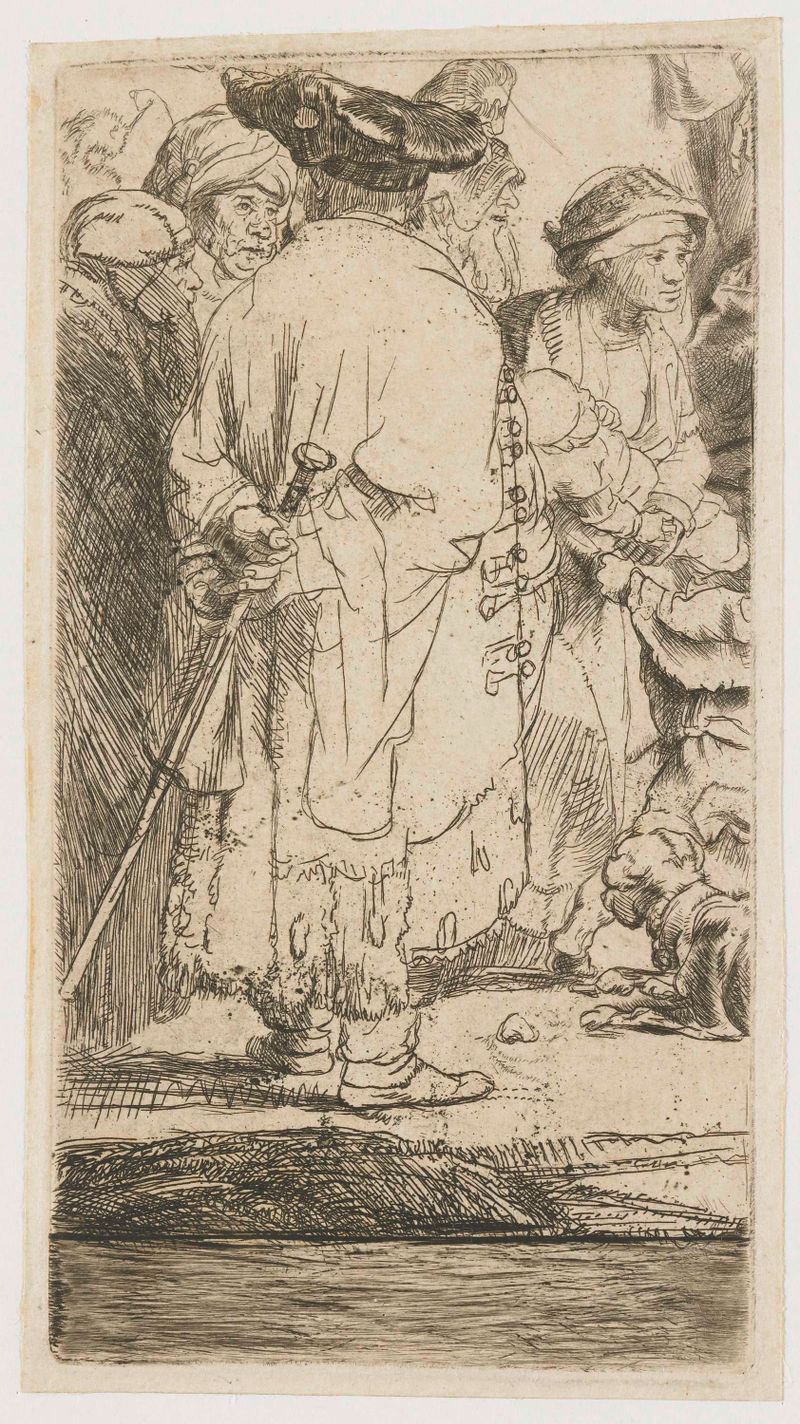
The Hundred Guilder Print: the man seen on the back in the lower left corner
Rembrandt van Rijn

Portrait of Dr Gachet
Vincent van Gogh