
Predikant en de Dood — History & Facts
“Is legacy worth the price of silence?” In Hans Holbein's Predikant en de Dood, the weight of existence hangs heavily in the air, captured by the artist's meticulous strokes and thoughtful composition. The painting invites us into a contemplative space, one where life and death converge, urging a reflection on what we leave behind. Look to the left where the preacher stands, clothed in rich, dark garments that denote his authority yet mask an undercurrent of vulnerability. His solemn expression is framed by the stark contrast of the skeletal figure to the right, representing death.
The delicate interplay of light and shadow enhances the drama; notice how the pale skull catches a glint, reminding us of our mortality, while the deep hues envelop the preacher, suggesting the gravity of his burden. The background remains ambiguous, allowing the figures to emerge as the focal point in their intense exchange. Within this striking juxtaposition lies a profound tension. The preacher’s gaze, fixed as if at a distant truth, speaks to a wrestle with faith and the inevitability of mortality, while death stands as both an end and a chilling reminder of what awaits.
The stillness of the scene amplifies the emotional gravity, encapsulating the duality of life—a celebration of existence shadowed by its transience. Elements such as the open book at the preacher’s feet further symbolize the passage of wisdom, knowledge, and the enduring legacy one leaves behind. In 1538, Holbein created this masterpiece during a pivotal time of transformation in Europe, where religious upheaval and humanist thought were reshaping society. Living in Basel, he was deeply influenced by the Reformation and the shifting perspectives on faith, mortality, and the nature of the human experience.
This period of personal and societal reflection is captured vividly in Predikant en de Dood, embodying the artist’s ability to bridge the gap between the temporal world and the eternal questions that haunt it.
More Artworks by Hans Holbein (II)
Browse all →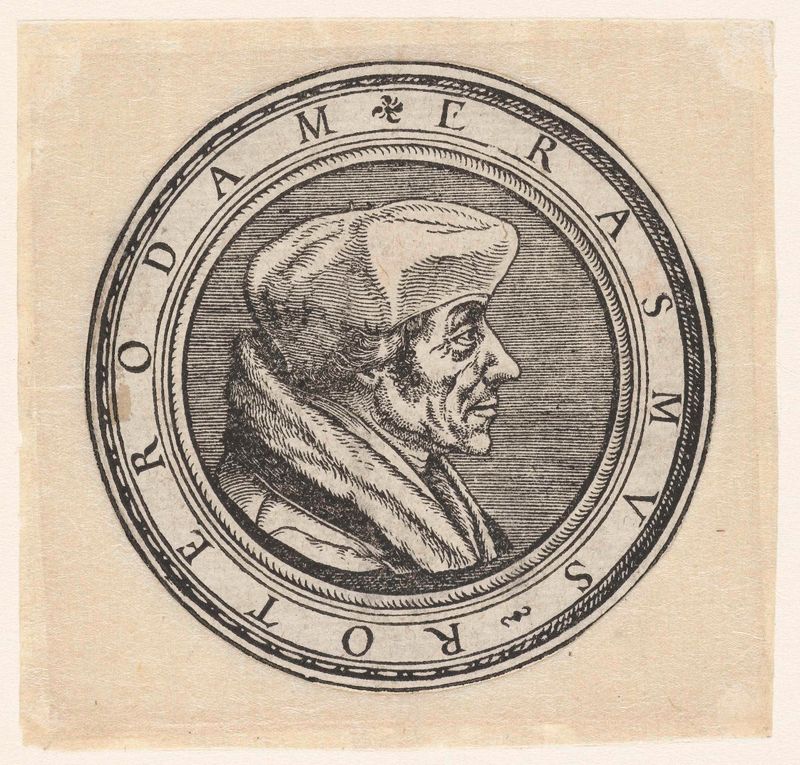
Portret van Erasmus
Hans Holbein (II)
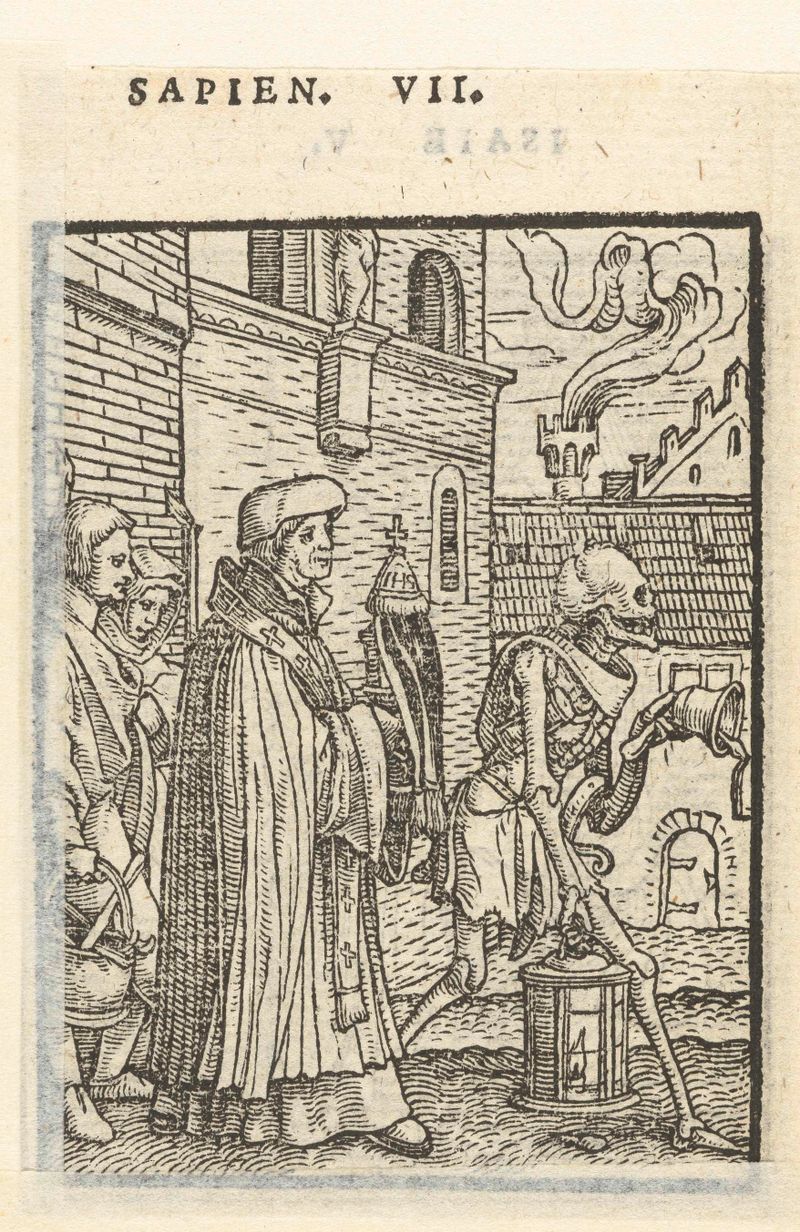
Priester en de Dood
Hans Holbein (II)
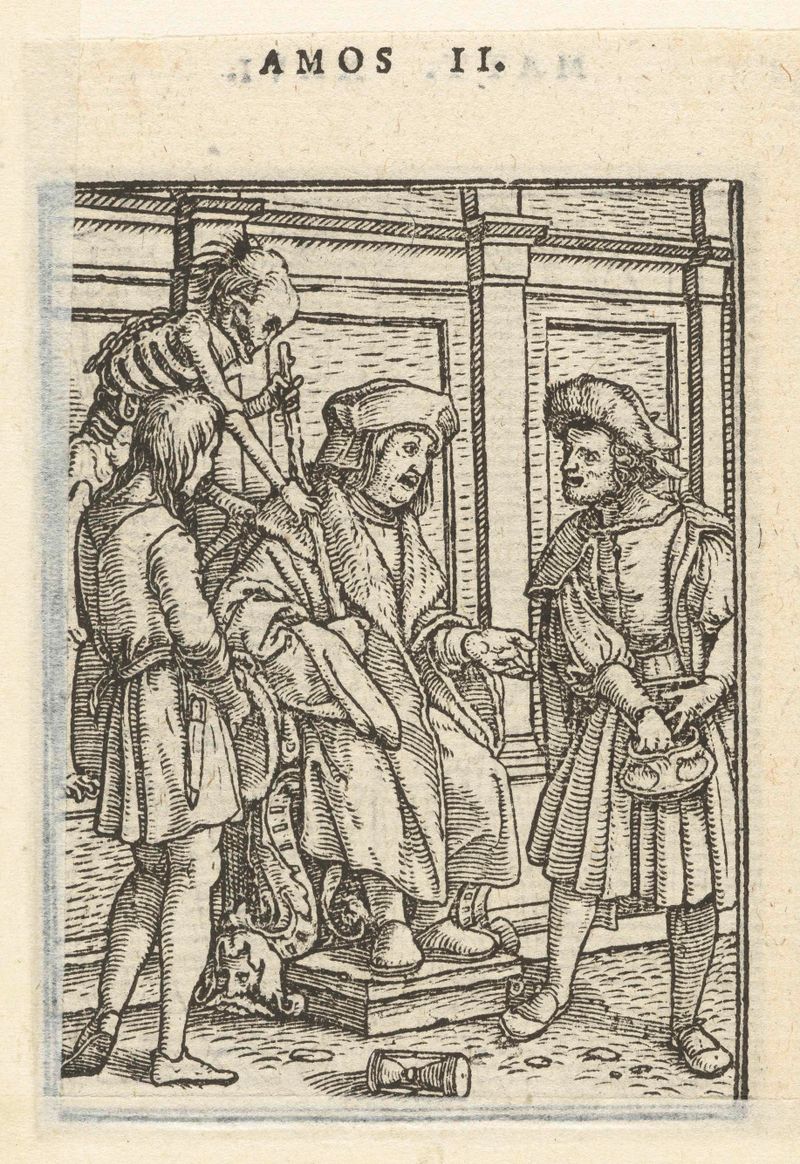
Rechter en de Dood
Hans Holbein (II)
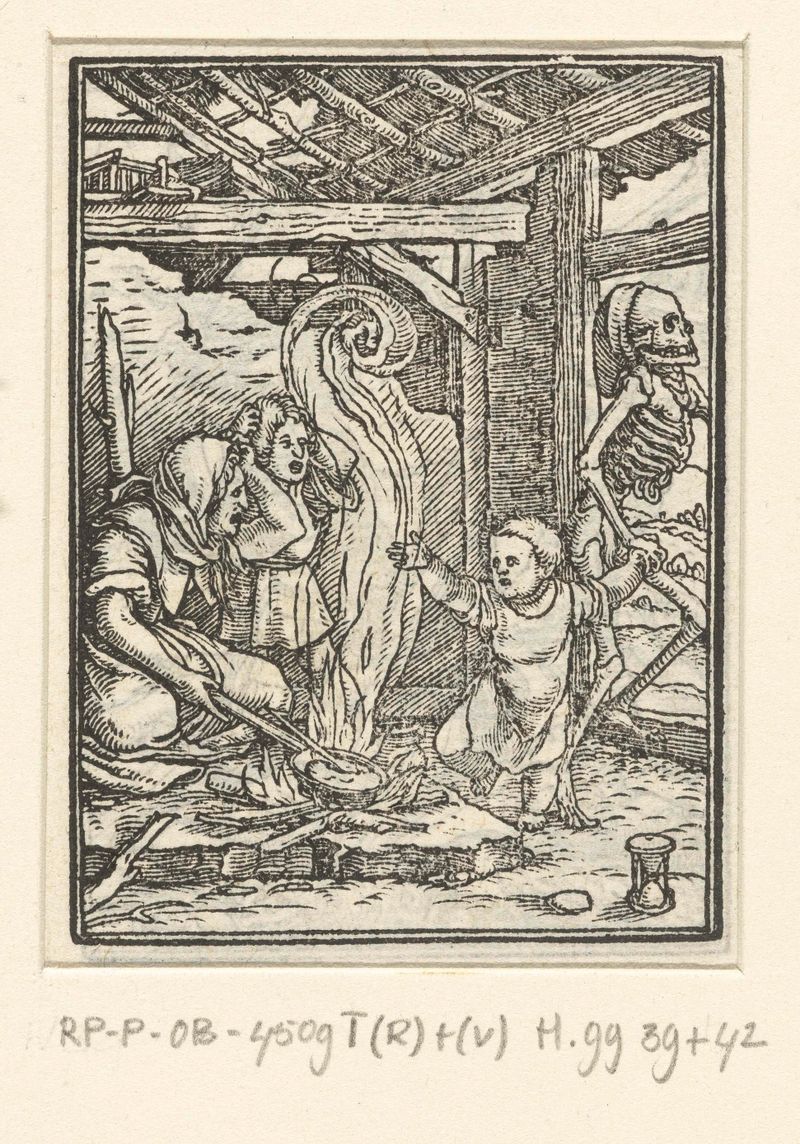
Kind en de Dood
Hans Holbein (II)
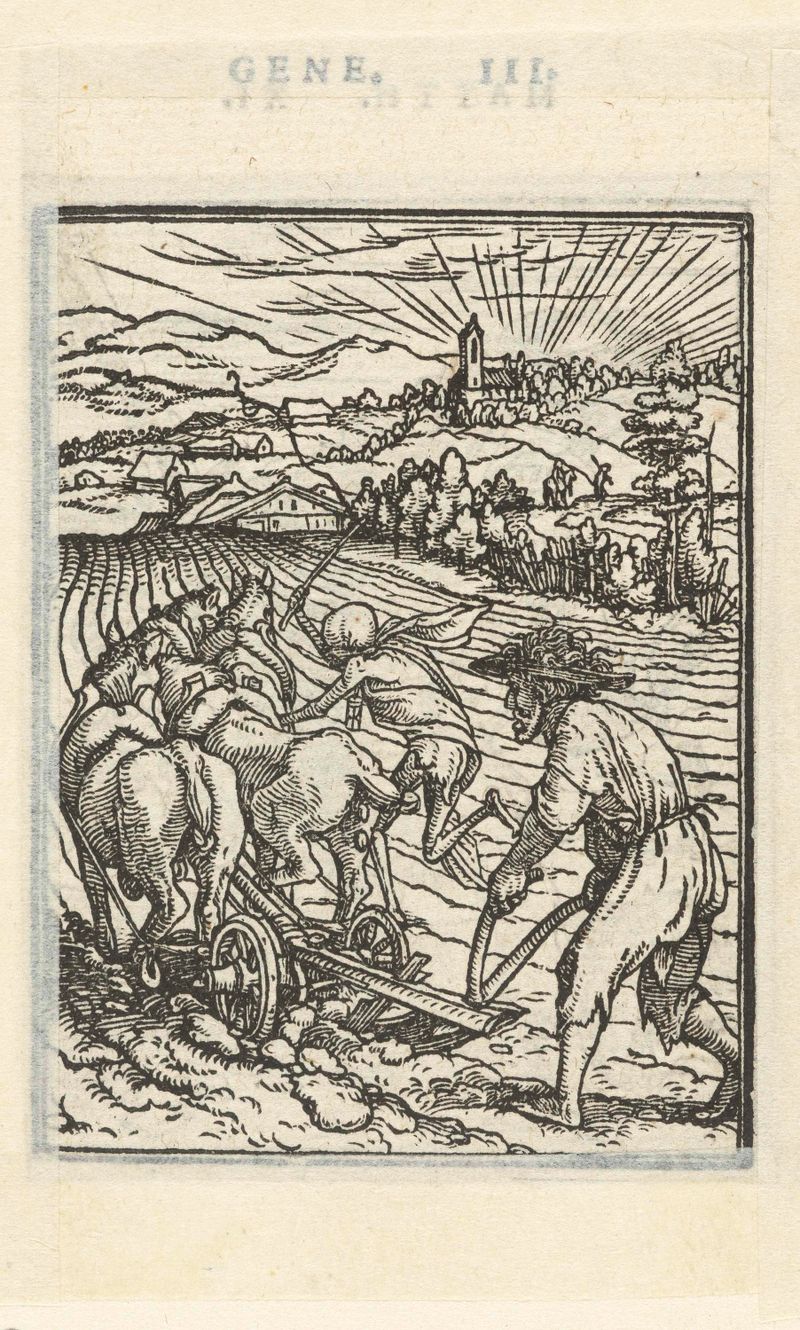
Boer en de Dood
Hans Holbein (II)
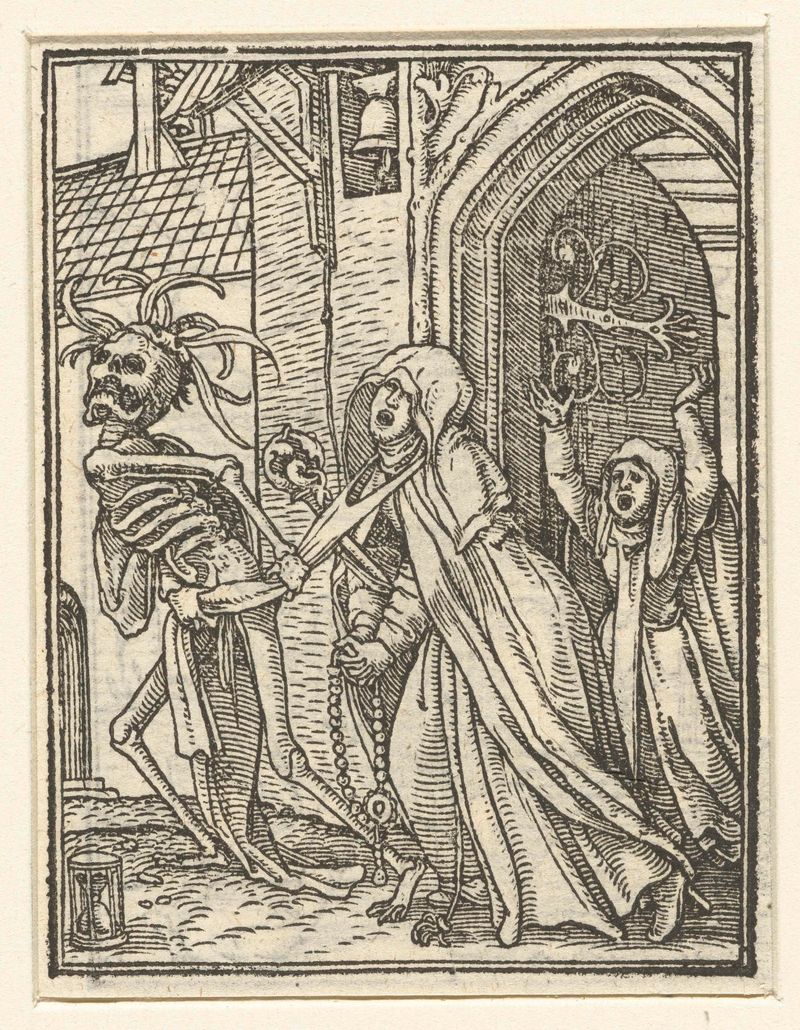
Abdis en de Dood
Hans Holbein (II)
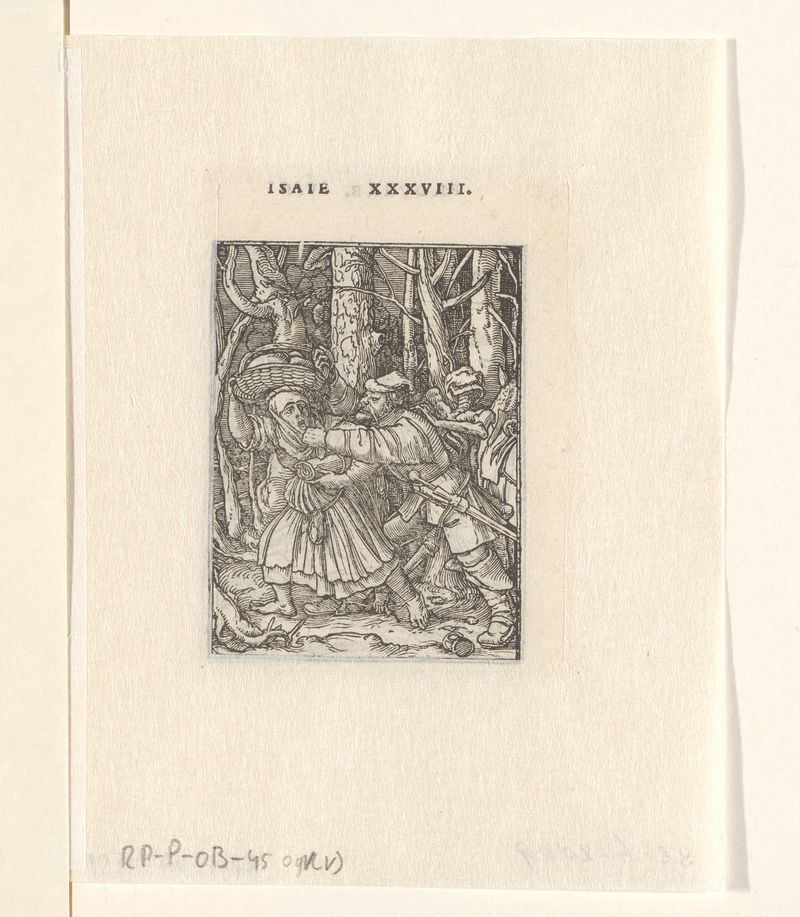
Dief en de Dood
Hans Holbein (II)
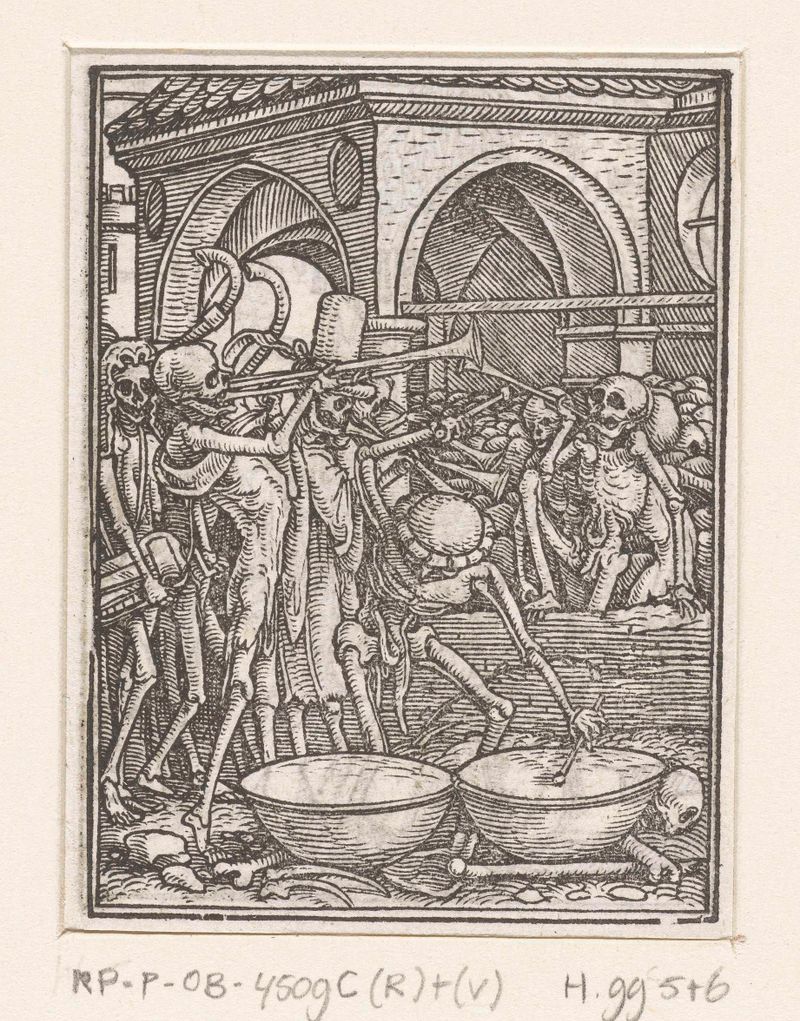
Skeletons Making Music from Dance of the Dead
Hans Holbein (II)
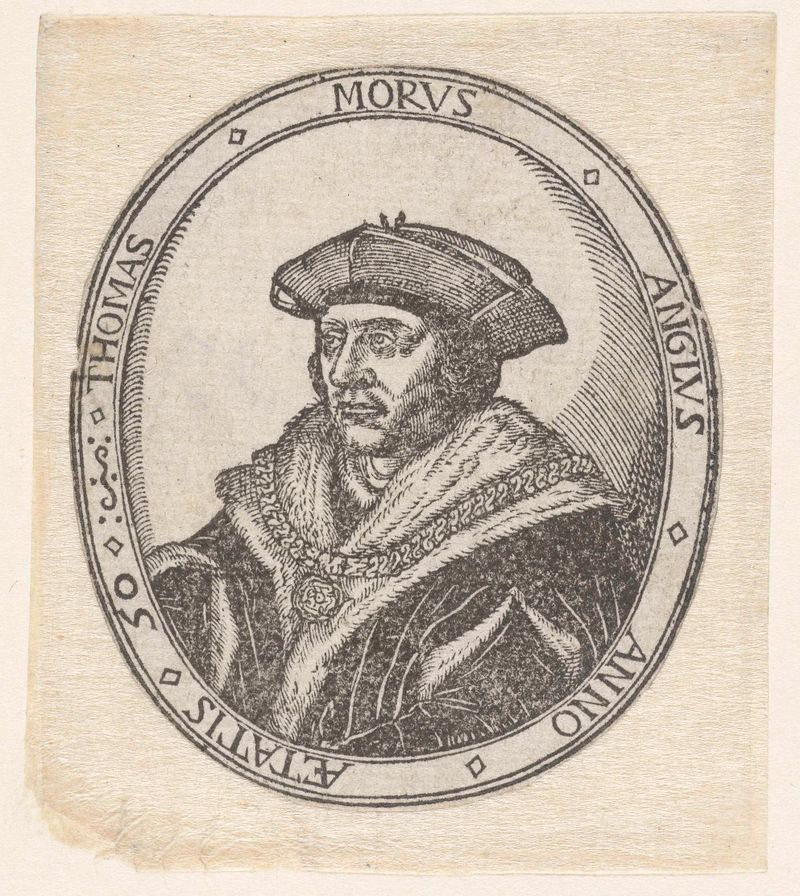
Portret van Thomas More
Hans Holbein (II)
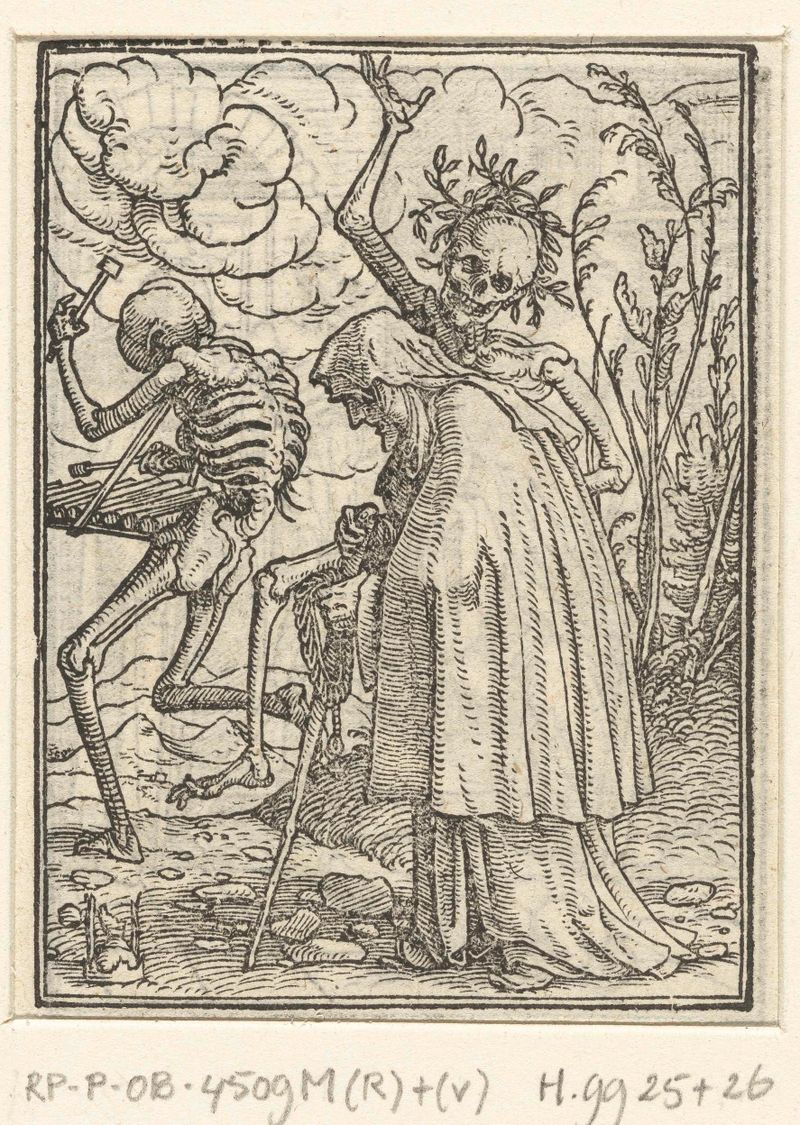
Oude vrouw en de Dood
Hans Holbein (II)
More Religious Art
Browse all →
The Return of the Prodigal Son
Rembrandt van Rijn

The Garden of Earthly Delights
El Bosco

Count Orgaz’ funeral
El Greco

The Hundred Guilder Print: the central piece with Christ preaching, the plate arched
Rembrandt van Rijn

The Descent from the Cross
Rogier van der Weyden

The return of the prodigal son
Rembrandt van Rijn