Predjarie II. — History & Facts
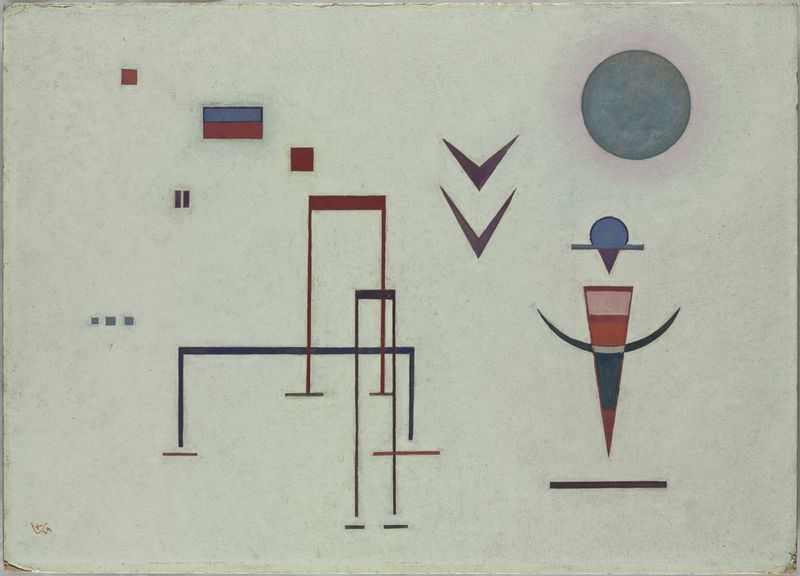
When did color learn to lie? In Zolo Palugyay's Predjarie II, hues dance with intention, cloaking the canvas in a melancholy that lingers long after the vision fades. Each brushstroke seems to whisper secrets, drawing viewers into a complex emotional landscape where beauty and sorrow intertwine. Look to the center of the canvas, where muted tones converge into an enigmatic form that captivates the eye. Notice how the dark, swirling blues and grays envelop the scene, creating a sense of depth and mystery, while lighter accents flirt with the edges, suggesting fleeting hope.
The composition is carefully balanced, with shapes that suggest movement yet remain distinctly opaque, a reflection of the ambiguity that permeates the work. Beneath the surface, the painting speaks to the dissonance between appearance and reality. The interplay of warm and cool colors evokes a sense of longing, as if the very essence of the subject is caught between joy and despair. Emphasizing this tension, the brushwork offers both fluidity and restraint, creating a dialogue between chaos and calm.
Each color choice is intentional, inviting contemplation on themes of identity and emotional complexity. Palugyay painted Predjarie II in 1927 during a significant period of experimentation and exploration in European art. At this time, he was living in Hungary, navigating the aftermath of World War I, which deeply influenced his work. The avant-garde movements that flourished around him spurred a desire to express the human condition through innovative techniques, ultimately leading him to create pieces that resonate with profound emotional depth.
More Artworks by Zolo Palugyay
Browse all →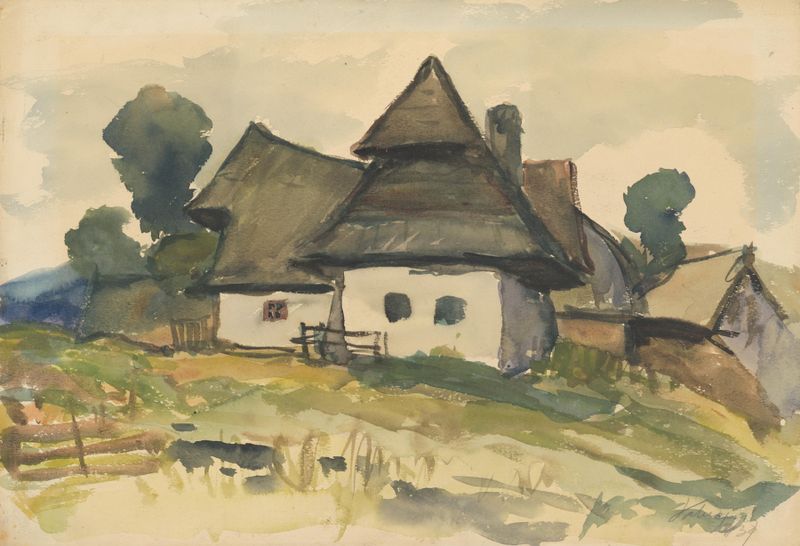
Dedinský motív
Zolo Palugyay
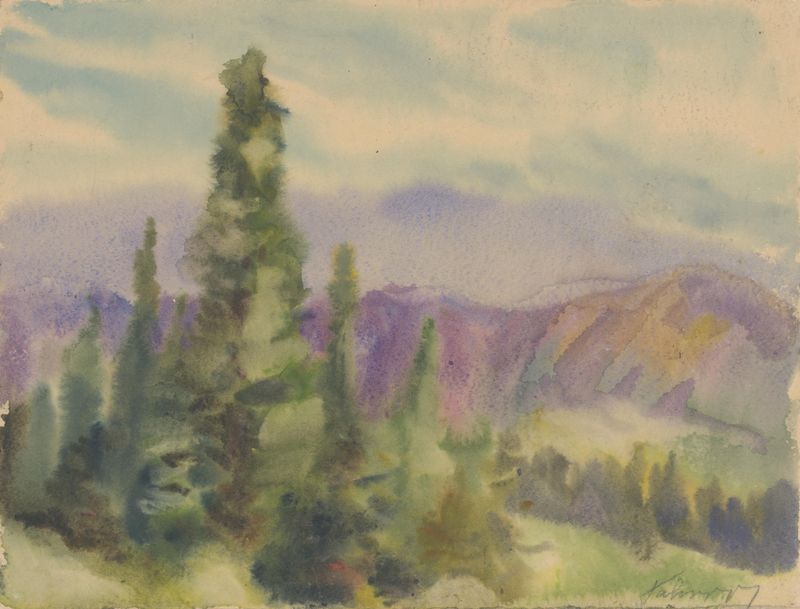
Motif from Liptov Mountains
Zolo Palugyay
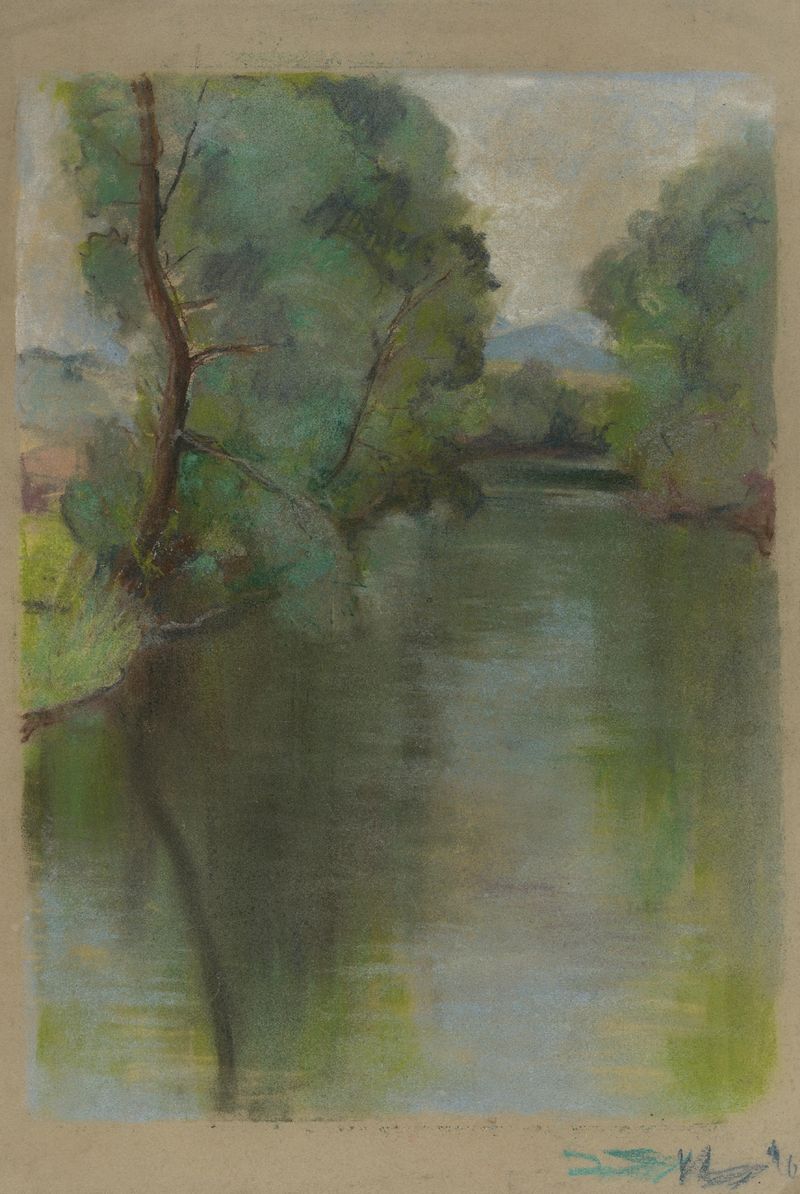
Silent River
Zolo Palugyay
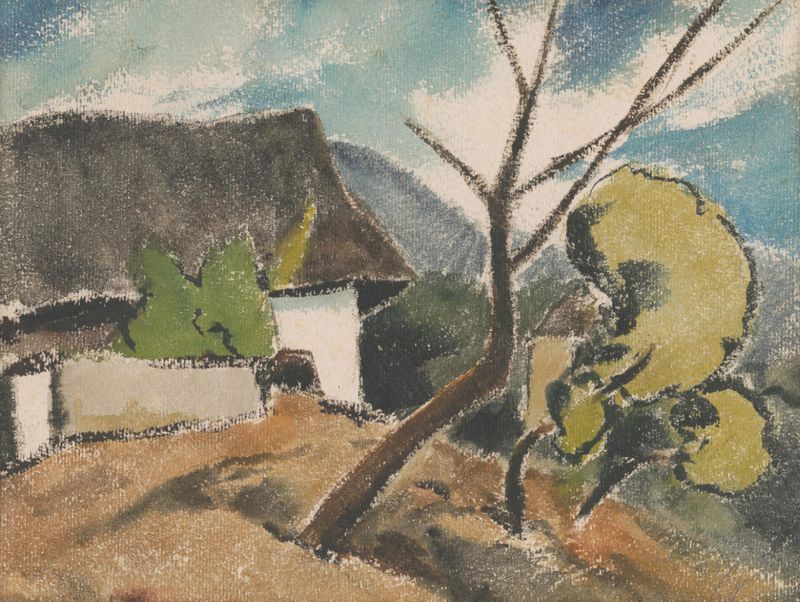
Oravská chalupa
Zolo Palugyay
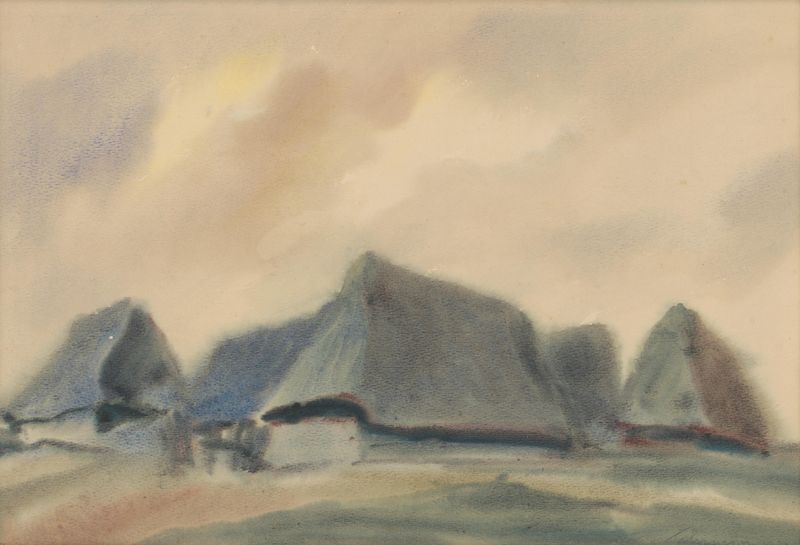
Modré chalupy
Zolo Palugyay
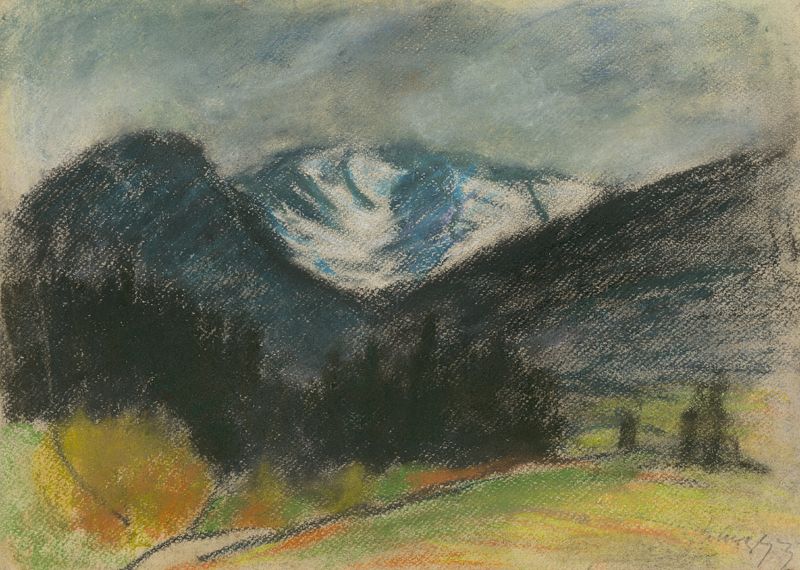
Mountain Landscape with Snowy Peaks
Zolo Palugyay
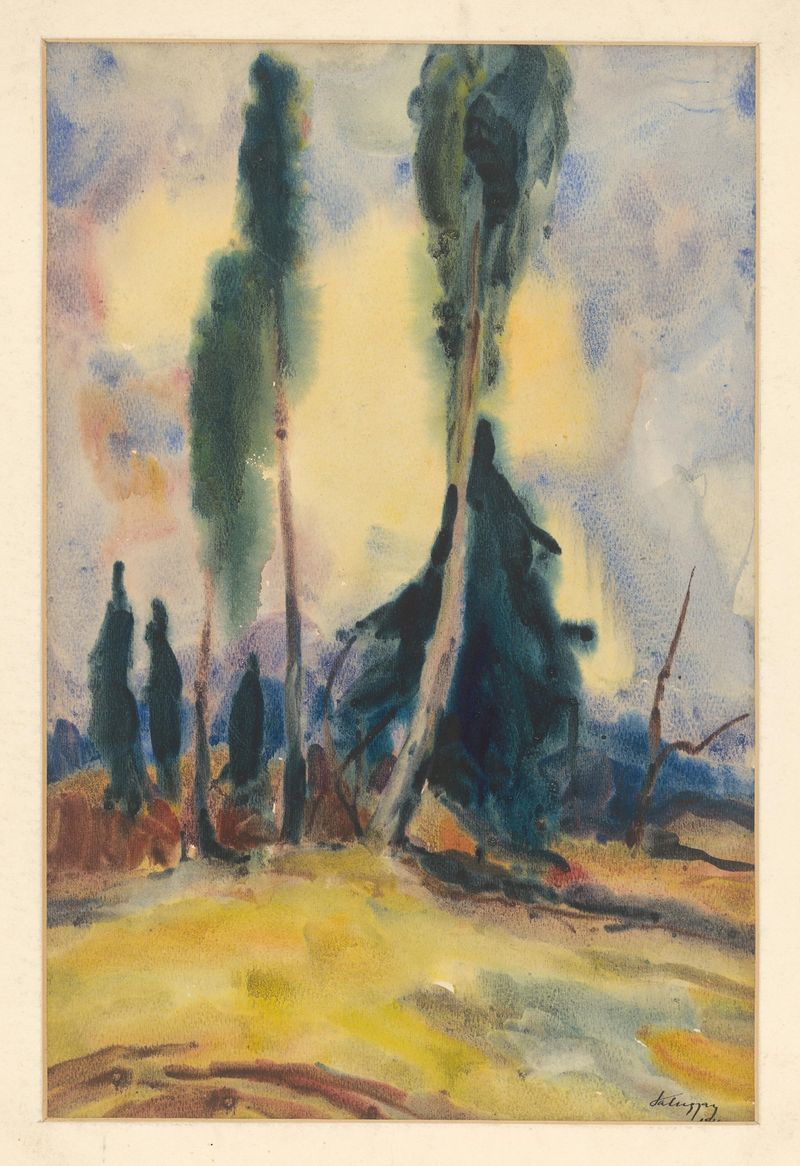
Three Trees on a Plain
Zolo Palugyay
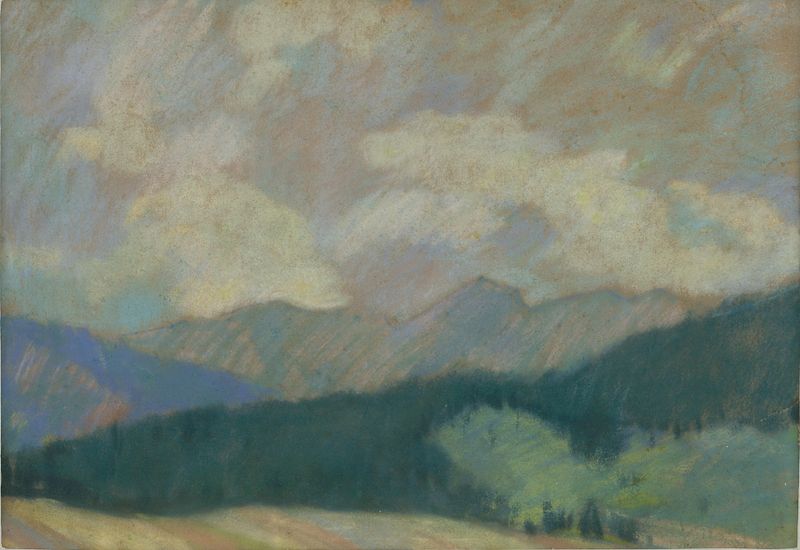
Horská krajina
Zolo Palugyay
Tatra Landscape
Zolo Palugyay
Spring Landscape
Zolo Palugyay